Peripheral IV: A Complete Medical Overview

A peripheral IV is a short, temporary catheter that enters a vein outside the chest or abdomen. It is commonly used for hydration, intravenous medicines, imaging contrast and blood products.
Key Takeaways
- A peripheral IV is a short, temporary catheter that enters a vein outside the chest or abdomen.
- It is commonly used for hydration, intravenous medicines, imaging contrast and blood products.
- Mild discomfort during insertion is common, but ongoing pain, swelling, leaking or redness should be reported promptly.
- Healthcare teams inspect peripheral IV sites regularly and remove the device as soon as it is no longer needed.
- Good hand hygiene and keeping the dressing clean, dry and secure help lower the risk of complications.
A peripheral IV is a small, flexible tube placed into a vein, most often in the hand or arm, to provide temporary access to the bloodstream. It allows healthcare professionals to give fluids, medicines, contrast dye or blood products, and it can also be used in some situations for blood sampling.
Peripheral IV overview
A peripheral IV, also called a peripheral intravenous catheter, IV cannula or IV line, is a small flexible tube inserted into a vein near the surface of the body. It gives healthcare professionals direct access to the bloodstream for a limited period. Peripheral IVs are among the most commonly used medical devices in hospitals, emergency departments, outpatient clinics and some home-care settings.
After the device is inserted, the needle used for placement is removed. The soft plastic catheter remains in the vein and is connected to tubing, a cap or an infusion pump. This design allows fluids and treatments to be delivered without repeated needle punctures when more than one dose is needed.
A peripheral IV is different from a central venous catheter. Peripheral devices usually enter veins in the hand, forearm or arm and are intended for short-term access. A central line reaches a larger vein near the heart and may be selected when treatment is expected to last longer or when a medication is not suitable for smaller peripheral veins.
Why a peripheral IV may be used
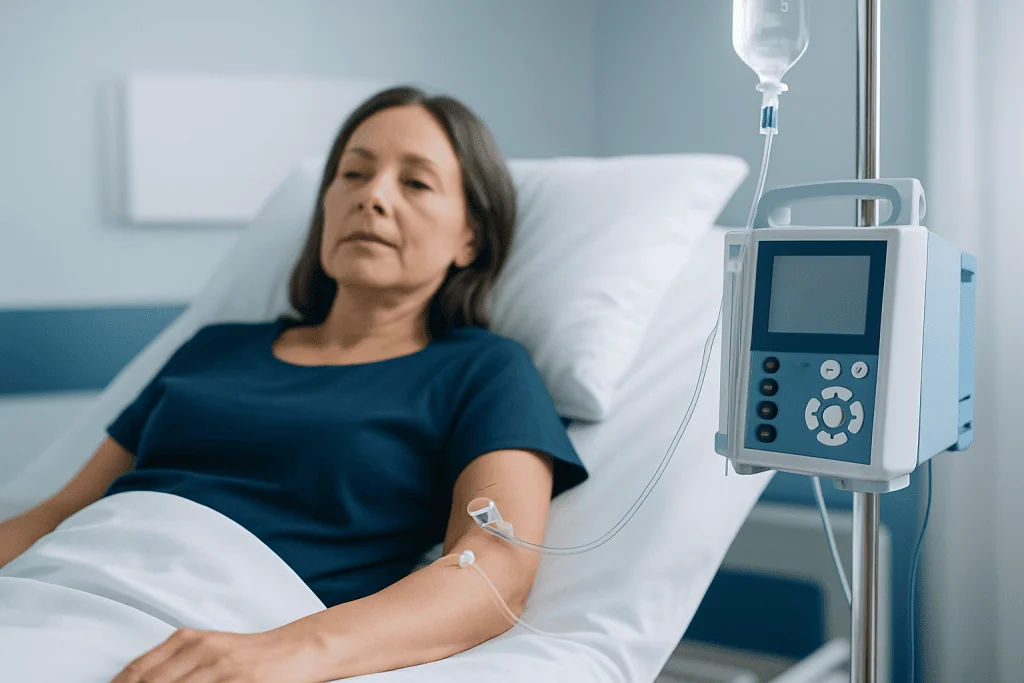
The reason for a peripheral IV depends on a person’s condition and treatment plan. In urgent care, it can provide quick access for fluids or medications. During planned care, it may be placed before surgery, diagnostic imaging or treatments that require intravenous medicines.
Common uses include giving fluids for dehydration, medications such as antibiotics or pain relief, medicines used during anesthesia, blood or blood products, and contrast material for certain scans. In some settings, a clinician may also use the IV connection to collect a blood sample, although this is not always appropriate and may depend on local practice.
The medication, fluid, expected duration of therapy and condition of the veins all influence whether a peripheral IV is the best option. Some medicines can irritate small veins or require special monitoring. In these circumstances, the clinical team may recommend another type of vascular access device instead.
- Short-term fluid replacement
- Intravenous medication delivery
- Support during surgery or emergency treatment
- Blood transfusion when clinically indicated
- Contrast administration for selected imaging examinations
How peripheral IV insertion is performed

A trained healthcare professional selects a suitable vein, usually in the hand or forearm. The choice considers vein size, skin condition, the planned treatment and a person’s movement needs. Whenever possible, clinicians avoid areas of infection, injury, significant swelling or impaired circulation.
The skin is cleaned with an antiseptic and allowed to dry. A tourniquet may be placed above the chosen site briefly to make the vein easier to see or feel. The clinician then inserts the catheter with a needle, advances the soft catheter into the vein, removes the needle and secures the device with a sterile dressing.
People may feel a short sharp pinch when the needle enters the skin. Once the catheter is in place, there should not be persistent pain. The team checks that the IV works correctly, flushes it if appropriate, labels the dressing according to local policy and monitors the site during use.
Finding a suitable vein can occasionally be difficult, particularly in people who are dehydrated, have small or fragile veins, have had frequent IV treatment or have certain medical conditions. Clinicians may use warmth, positioning, a vein-finding device or ultrasound guidance when needed.
What to expect while a peripheral IV is in place
A peripheral IV should be secured so that the catheter does not move in the vein. A clear dressing often covers the site, allowing staff to inspect the skin. Tubing may be attached continuously for fluids or medicines, or the IV may be capped between treatments when it is safe and appropriate.
It is normal to notice the dressing and tubing, and some people feel briefly cool when fluids enter. However, the IV site should not continue to sting, burn or throb. The arm or hand should also remain comfortable, with no new swelling, redness, drainage or fluid leaking from the dressing.
Patients can help protect the IV by avoiding pulling on the tubing and keeping the dressing clean and dry. They should tell a nurse or clinician if the dressing loosens, becomes wet or is contaminated. The healthcare team should assess the IV before use and at regular intervals, then remove it when it is no longer necessary.
Mobility is often possible with a peripheral IV, but extra care may be needed around the affected arm or hand. A healthcare professional can explain whether bathing, walking, sleeping positions or rehabilitation activities require any specific precautions.
Possible complications and safety monitoring
Peripheral IVs are generally safe when inserted and cared for properly, but complications can occur. The most common concerns are local irritation of the vein, known as phlebitis; infiltration, when non-irritating fluid enters the surrounding tissue; and extravasation, when a medication or fluid that can damage tissue leaks outside the vein.
Signs that need prompt assessment include pain or burning during an infusion, swelling, skin tightness, coolness, redness, warmth, a hard or tender vein, leaking fluid or an infusion that slows unexpectedly. These signs do not always mean there is serious harm, but the IV should be checked promptly. The clinician may stop the infusion, remove or replace the IV, and provide care based on the substance involved.
Infection at the insertion site is uncommon but possible. Good hand hygiene, skin antisepsis, sterile equipment and regular site checks reduce this risk. A peripheral IV is usually removed as soon as it is no longer clinically needed, because unnecessary devices can create avoidable risk.
Bruising or a small amount of bleeding can happen after insertion or removal, especially in people taking medicines that affect blood clotting. Applying gentle pressure after removal usually helps. People should inform their clinical team about allergies to adhesives or antiseptics, bleeding disorders and medicines such as anticoagulants.
Peripheral IV care after removal and at home
When treatment is complete, a healthcare professional removes the catheter and applies light pressure with gauze or a dressing. The site may be mildly sore or bruised for a short time. Most people can resume usual daily activities unless they have separate instructions related to their illness, procedure or surgery.
The small dressing can generally be kept in place for the period advised by the healthcare team. The area should be kept clean, and the person should avoid scratching it. A minor bruise typically fades gradually, but worsening pain, spreading redness or persistent bleeding should be discussed with a clinician.
People receiving IV therapy outside a hospital should follow the specific instructions from their care team. They should never try to reposition, reconnect, flush or remove an IV themselves unless they have been trained and explicitly instructed to do so. Safe IV care depends on using the correct technique and responding quickly to changes at the site.
For international patients who need coordinated assessment or intravenous treatment, Acibadem International’s multidisciplinary specialists and JCI-accredited hospitals can diagnose and treat a range of medical conditions, with care plans guided by the individual clinical situation.
When to seek medical care
While a peripheral IV is in place, a patient should notify a nurse or clinician immediately about increasing pain, burning, swelling, redness, warmth, coolness, numbness, leaking fluid or blood around the device. They should also report a loose, wet or dirty dressing, or an IV that appears to have moved.
After the IV has been removed, medical advice is appropriate if the site becomes increasingly painful, red, swollen or warm, develops discharge, or if redness appears to spread along the vein. Persistent bleeding, a growing bruise, fever or feeling generally unwell also warrants timely clinical assessment.
Urgent emergency care is needed for symptoms such as difficulty breathing, facial or throat swelling, fainting, severe chest pain, or a severe allergic reaction during or soon after an infusion. These symptoms are not expected effects of a routine peripheral IV and should be assessed without delay.
Frequently asked questions
Is a peripheral IV painful?
Insertion usually causes a brief pinch or sting. Once the soft catheter is in place, there should not be ongoing sharp pain or burning. Persistent discomfort should be reported to a healthcare professional so the site can be checked.
How long can a peripheral IV stay in place?
The length of time varies according to the treatment needed, the condition of the IV site and local clinical policy. Healthcare teams assess the device regularly and remove or replace it when it is no longer needed or if there are signs of a problem. It should not remain in place simply for convenience.
Can a person move their arm with a peripheral IV?
In most cases, gentle movement and walking are possible with a peripheral IV. It is important not to pull, twist or place pressure on the tubing or dressing. If the IV is near a joint, the care team may give extra instructions to reduce the chance of it becoming dislodged.
What is the difference between infiltration and extravasation?
Infiltration occurs when a non-irritating IV fluid leaks from the vein into nearby tissue. Extravasation refers to leakage of a medication or fluid that may irritate or damage tissue. Both require prompt assessment, but extravasation may need more specific treatment depending on the medicine involved.
Can a peripheral IV cause infection?
Any device that enters the skin can carry a small risk of infection, although careful insertion and maintenance practices reduce this risk. Redness, warmth, tenderness, drainage or fever should be reported. The healthcare team can assess whether the IV needs to be removed and whether further care is required.
What should a patient do if an IV dressing gets wet or comes loose?
The patient should tell a nurse or healthcare professional as soon as possible. A wet, loose or soiled dressing may no longer protect the insertion site effectively and should be assessed or changed using appropriate technique. The person should not attempt to tape or adjust the catheter independently.
References
- Centers for Disease Control and Prevention
- World Health Organization
- Infusion Nurses Society
- National Institute for Health and Care Excellence
- Agency for Healthcare Research and Quality
This article is for general information only and is not a substitute for professional medical advice. Please consult a qualified doctor about your individual situation.
Explore treatments in Turkey — costs, top hospitals & a free quote
JCI-accredited · board-certified surgeons · reply within 24h
Add us as a Preferred Source to see more of our trusted health content across Google Search, AI Overviews and Discover.