Ingrown Hair Cyst Bikini: An Evidence-Based Guide for Patients

Many so-called bikini-line ingrown hair cysts are inflamed follicles rather than true skin cysts. Shaving, waxing, coarse or curly hair, friction, and tight clothing can increase the likelihood of ingrown hairs.
Key Takeaways
- Many so-called bikini-line ingrown hair cysts are inflamed follicles rather than true skin cysts.
- Shaving, waxing, coarse or curly hair, friction, and tight clothing can increase the likelihood of ingrown hairs.
- Squeezing, digging at, or trying to pop a bump can worsen inflammation, scarring, and infection risk.
- Warm compresses, pausing hair removal, and reducing friction may help uncomplicated bumps heal.
- Medical assessment is important for severe pain, spreading redness, fever, drainage, repeated lumps, or a lump that does not improve.
An ingrown hair cyst in the bikini area is commonly a tender, inflamed bump that develops when a hair grows back into the skin rather than outward. It is often linked to hair removal, tight clothing, and friction, and many mild cases settle with time and gentle skin care; however, persistent, painful, or recurrent lumps should be assessed by a clinician.
What Is an Ingrown Hair Cyst in the Bikini Area?
An ingrown hair cyst bikini bump usually begins when a hair that has been cut, pulled out, or naturally curled grows sideways or back into the skin. The body can react to that trapped hair with redness, swelling, tenderness, and sometimes a small pocket of fluid or pus. Although people often call these bumps “cysts,” many are actually inflamed hair follicles, a condition known as folliculitis, or ingrown hairs causing local inflammation.
The bikini line is a common location because the skin is exposed to regular shaving, waxing, sweating, and rubbing from underwear, swimwear, or fitted clothing. Pubic hair is often thicker and more curved than hair in other areas, which can make it more likely to re-enter the skin after removal. A bump may look similar to a pimple and may have a visible hair beneath or at its center.
Most uncomplicated ingrown hairs are not dangerous and can improve over days to a few weeks once irritation is reduced. Still, not every genital-area lump is caused by an ingrown hair. A clinician can help distinguish an irritated follicle from a boil, epidermoid cyst, sexually transmitted infection, swollen gland, or another skin condition when symptoms are uncertain, significant, or recurring.
How It May Look and Feel
An ingrown hair in the bikini area may cause one or several small raised bumps. They can be skin-colored, pink, red, brown, or darker than the surrounding skin, depending on a person’s natural skin tone. The area may itch, sting, burn, or feel sore when touched, while larger inflamed bumps can be painful with movement or pressure from clothing.
A hair may sometimes be visible as a curved line or dark spot beneath the skin. Some bumps develop a white or yellow tip, especially if there is pus within an inflamed follicle. After the inflammation settles, temporary dark marks, called post-inflammatory hyperpigmentation, may remain. These marks are common and can take longer to fade than the original bump.
Features that are less typical of a simple ingrown hair include clusters of blisters, open sores, wart-like growths, a deep enlarging lump, extensive redness, or repeated boils in the groin or underarms. These symptoms do not necessarily indicate a serious problem, but they deserve professional evaluation rather than self-treatment.
Why Bikini-Line Ingrown Hairs Develop
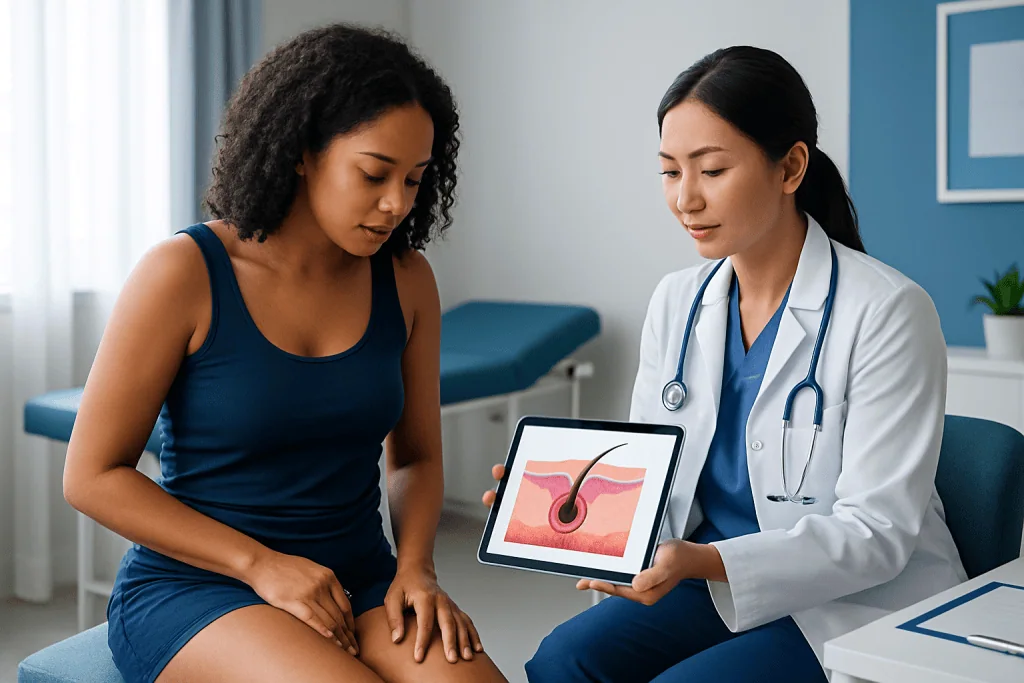
Hair removal is a frequent trigger. Shaving can leave a hair with a sharp tip that more easily pierces nearby skin as it grows. Waxing, plucking, or epilating removes hair from the root, but new hairs can sometimes become trapped as they emerge. Close hair removal, repeated passes of a razor, and shaving against the direction of growth may add to irritation.
Some people are more prone to ingrown hairs because of naturally coarse, tightly curled, or curly hair. When such hair grows after being cut or removed, it may curve back toward the skin. Skin that is dry, irritated, or covered by a buildup of dead skin cells can also make it harder for the new hair to emerge normally.
Friction and moisture are additional contributors in the bikini region. Tight garments, synthetic fabrics, prolonged exercise clothing, and sweating can irritate follicles. Bacteria may enter a damaged follicle and cause infection, producing more pain, warmth, pus, or crusting. This is different from an ingrown hair alone and may require clinical treatment if it becomes extensive or does not resolve.
- Frequent close shaving or waxing
- Using a dull, unclean, or multi-blade razor
- Shaving dry skin or stretching the skin tightly while shaving
- Tight underwear, swimwear, leggings, or exercise clothing
- Curly or coarse hair and a history of ingrown hairs
Safe Home Care for a Mild Bump
If the bump is small and symptoms are mild, the first step is usually to stop shaving, waxing, plucking, or otherwise removing hair from the affected area until it heals. Avoid picking, squeezing, piercing, or attempting to dig out a hair. These actions can push bacteria deeper into the skin, increase inflammation, and raise the chance of scarring or skin discoloration.
A warm, clean compress held gently against the area for about 10 to 15 minutes several times daily may soothe discomfort and encourage natural drainage if the follicle is blocked. The skin can then be washed gently with lukewarm water and a mild, fragrance-free cleanser. It should be patted dry rather than rubbed. Loose, breathable cotton underwear and less restrictive clothing may reduce further friction.
Over-the-counter products may be useful for some people, but sensitive genital-area skin can react to irritating ingredients. A pharmacist or clinician can advise whether a mild wash or topical product is appropriate for the external bikini line. Products should not be applied to internal genital tissue, open skin, or areas that are severely irritated unless a healthcare professional recommends them.
It is best to allow the hair to release on its own. If the tip of a hair is already clearly above the surface, a clinician may advise on safe handling, but forceful removal should be avoided. A bump that becomes more painful, larger, hot, or filled with pus should not be managed by trying to pop it at home.
How Clinicians Diagnose and Treat Persistent Bumps
A healthcare professional can often identify an ingrown hair or folliculitis by asking about symptoms, hair-removal habits, and the timing of the bump, followed by an examination of the skin. Testing is not always necessary. If there is drainage, frequent recurrence, severe inflammation, or concern for a different condition, the clinician may take a swab or recommend further assessment.
Treatment depends on the cause and severity. For an uncomplicated ingrown hair, advice may focus on pausing hair removal, reducing friction, and using gentle skin care. If there is bacterial folliculitis or a small boil, a clinician may recommend a topical medicine, oral medication, or another appropriate treatment. Antibiotics are not needed for every inflamed follicle and should only be used when prescribed.
A larger true cyst, abscess, or collection of pus may need a procedure to drain it safely. This should be performed by a qualified medical professional, rather than attempted at home. People with repeated painful lumps in the groin may also need assessment for chronic inflammatory skin conditions, including hidradenitis suppurativa, if that condition is part of the available diagnostic consideration.
For people troubled by frequent hair-removal-related bumps, a dermatologist may discuss longer-term strategies, including changes to grooming methods or selected professional hair-reduction options. The right approach depends on skin sensitivity, hair characteristics, medical history, and personal preferences.
Reducing the Chance of Future Ingrown Hairs
Changing hair-removal habits can lower the chance of recurrent bikini-line ingrown hairs. Trimming hair rather than shaving extremely close to the skin may be an option for some people. If shaving is preferred, using a clean, sharp razor and shaving after softening the hair with warm water can help reduce pulling and irritation.
It may also help to use a gentle shaving product, shave in the direction that hair naturally grows, and use light strokes without repeatedly going over the same spot. Rinsing the blade frequently and replacing it when it becomes dull are sensible measures. Sharing razors should be avoided because it can spread bacteria and irritate the skin.
After hair removal, the area should be rinsed and gently dried. Fragrance-free moisturizers may help support the skin barrier if the skin is dry. Wearing loose clothing for a period afterward, changing out of sweaty workout clothing promptly, and avoiding persistent rubbing can further reduce irritation.
Exfoliation can be helpful for some individuals, but it should be gentle and should not be performed on inflamed, broken, or infected skin. Harsh scrubs, vigorous rubbing, and strong chemical products may worsen irritation, particularly in the sensitive groin area. A dermatologist can provide individualized advice for recurrent ingrown hairs or pigmentation changes.
When to Seek Medical Care
Medical care is recommended if a bikini-area bump is very painful, rapidly enlarging, warm, increasingly red, or draining a significant amount of pus or blood. Prompt assessment is also important if redness spreads beyond the bump, red streaks appear on the skin, or fever, chills, or feeling unwell develops. These may indicate a more significant skin infection that needs timely treatment.
A person should arrange an appointment if a lump lasts longer than about one to two weeks without improving, returns often, leaves scars, or interferes with walking, sitting, exercise, or sexual comfort. Evaluation is also appropriate when the cause is unclear or when there are sores, blisters, unusual discharge, or concerns about a possible sexually transmitted infection.
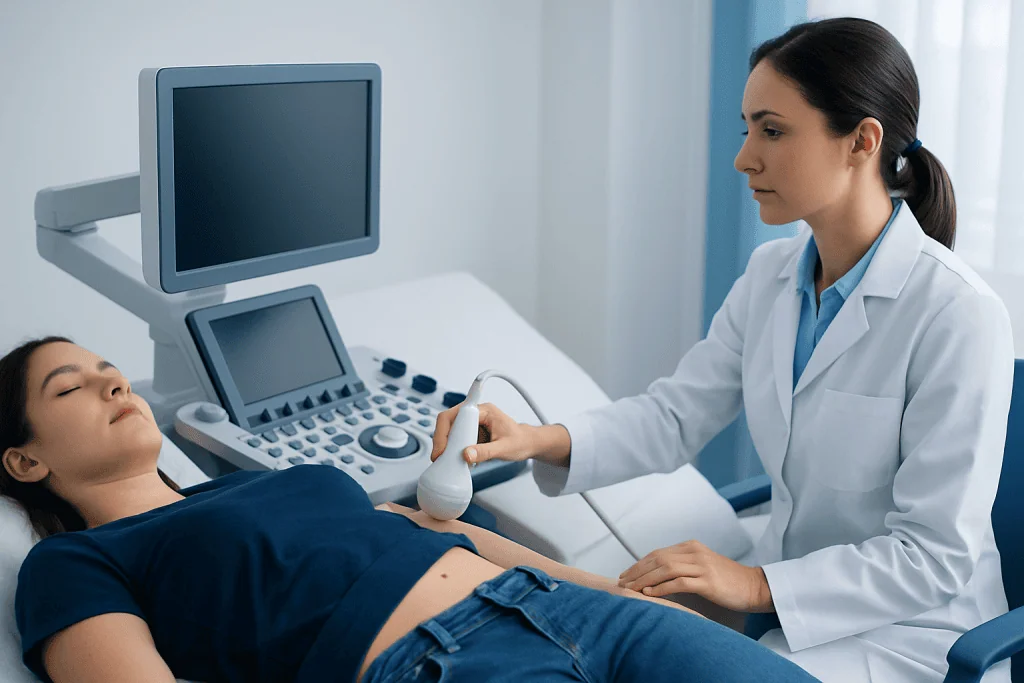
People with diabetes, reduced immune function, or conditions or medicines that affect healing should seek advice sooner for signs of skin infection. Acibadem International’s multidisciplinary specialists and JCI-accredited hospitals can assess and treat skin concerns, including persistent or recurrent bikini-area lumps, for international patients.
Frequently asked questions
Can an ingrown hair cyst in the bikini area go away on its own?
Yes, many mild ingrown hairs and inflamed follicles improve on their own when hair removal and friction are stopped. Warm compresses and gentle cleansing can support comfort while the area heals. A persistent, worsening, or very painful lump should be examined by a clinician.
Should someone pop an ingrown hair cyst?
No. Squeezing, puncturing, or digging into a bikini-line bump can injure the skin and increase the risk of infection, scarring, and dark marks. It is safer to use gentle care and seek medical help if the bump appears to contain pus, grows, or does not improve.
How can someone tell if a bikini bump is an ingrown hair or an infection?
An ingrown hair often appears after shaving or waxing as a small itchy or tender bump, sometimes with a visible trapped hair. Increasing pain, warmth, swelling, pus, spreading redness, or fever can suggest infection. Only a clinician can reliably diagnose a persistent or unusual bump.
Is it safe to shave over an ingrown hair in the bikini line?
It is generally best to avoid shaving directly over an active ingrown hair or inflamed bump. Shaving can further irritate the follicle and delay healing. Waiting until the skin has recovered, then using careful shaving techniques, may help reduce recurrence.
Why do ingrown hairs keep returning after waxing or shaving?
Recurrent ingrown hairs can occur when coarse or curly hair grows back into the skin, especially after close hair removal. Repeated friction, tight clothing, dull razor blades, and irritated skin may also contribute. A dermatologist can help develop a prevention plan if bumps are frequent or leave marks.
Can an ingrown hair cyst be a sexually transmitted infection?
An ingrown hair itself is not a sexually transmitted infection. However, some sexually transmitted infections and other skin conditions can cause genital-area bumps, sores, or blisters that may resemble an ingrown hair. Testing or clinical evaluation is appropriate if symptoms are unfamiliar, there has been possible exposure, or the appearance is not typical.
References
- American Academy of Dermatology Association
- Mayo Clinic
- National Health Service
- Merck Manual Consumer Version
- Centers for Disease Control and Prevention
This article is for general information only and is not a substitute for professional medical advice. Please consult a qualified doctor about your individual situation.
Hair transplant in Turkey — costs, graft counts & a free assessment
JCI-accredited · board-certified surgeons · reply within 24h
Add us as a Preferred Source to see more of our trusted health content across Google Search, AI Overviews and Discover.