Why Does Soda Make You Feel Fuller? Here Is What the Evidence Says

Carbon dioxide in fizzy drinks can briefly stretch the stomach and create a sensation of fullness. The feeling is often related to gas and bloating rather than lasting nutritional satiety.
Key Takeaways
- Carbon dioxide in fizzy drinks can briefly stretch the stomach and create a sensation of fullness.
- The feeling is often related to gas and bloating rather than lasting nutritional satiety.
- Sugary soda may add calories without reliably reducing food intake later in the day.
- Diet soda can also cause fullness because carbonation, rather than sugar, is often the main driver of gas-related pressure.
- Ongoing early fullness or bloating should be discussed with a doctor, particularly when accompanied by warning symptoms.
Soda can make a person feel fuller because its carbon dioxide gas expands the stomach and can trigger temporary sensations of pressure, fullness, or bloating. This is usually harmless and short-lived, although persistent fullness, pain, vomiting, weight loss, or trouble swallowing should be medically assessed.
Why Soda Can Cause a Full Feeling
Why does soda make you feel fuller? The most immediate reason is carbonation. Soda contains dissolved carbon dioxide, which is released as gas after it enters the warmer environment of the stomach. This gas can expand the stomach for a short time, producing sensations of fullness, pressure, belching, or bloating.
For most people, this feeling is harmless and passes as the gas is released through burping or moves through the digestive tract. It may be more noticeable when soda is consumed quickly, in a large serving, or alongside a meal. The sensation does not necessarily mean the body has received the nutrients it needs or that hunger will remain reduced for long.
Some people are especially sensitive to carbonated beverages. Those with reflux, indigestion, irritable bowel syndrome, or frequent bloating may find that soda causes more discomfort than others. Choosing still drinks or reducing the serving size can help clarify whether carbonation is contributing to symptoms.
Fullness, Bloating, and True Satiety Are Different
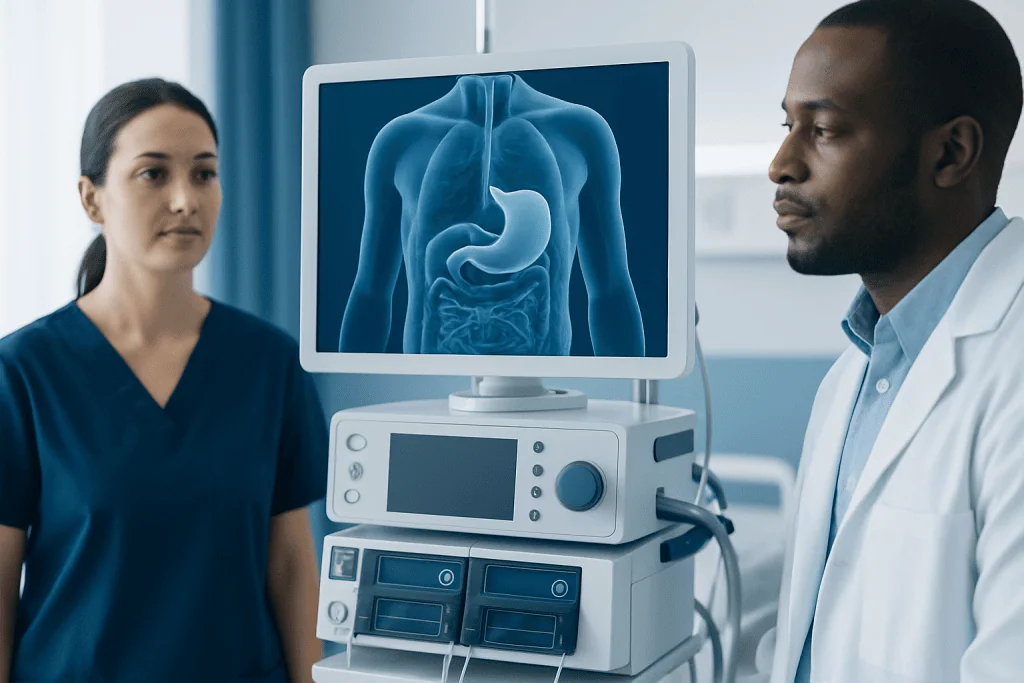
Feeling physically full is not always the same as satiety. Fullness is the stomach sensation that develops after eating or drinking, while satiety is the longer-lasting reduction in hunger that helps a person feel satisfied between meals. Carbonation can increase short-term fullness by adding gas volume, but the effect often fades relatively quickly.
Food composition generally has a greater influence on lasting satiety than bubbles do. Meals containing protein, fiber, and healthy fats tend to remain in the stomach longer and support steadier appetite control. In contrast, liquids usually leave the stomach differently from solid foods and may not produce the same sustained reduction in later food intake.
Regular soda also contains sugar, which provides energy but little fiber or protein. Although a sweet drink may briefly affect appetite or taste satisfaction, its calories are not always fully compensated for by eating less later. Therefore, using soda to manage appetite or skip meals is not usually an effective nutrition strategy.
Why the Effect Varies From Person to Person

The degree of fullness after soda depends on several practical factors. A larger or more rapidly consumed drink delivers more gas to the stomach at once. Drinking through a straw, swallowing air while drinking, or having soda with a large meal can also increase the sensation of abdominal pressure.
Both regular and sugar-free sodas can cause gas-related fullness because both are carbonated. However, some sugar-free products contain sweeteners that may trigger bloating, gas, or changes in bowel habits in sensitive individuals. This is particularly possible with sugar alcohols, which are more common in some reduced-sugar beverages than in standard soft drinks.
Caffeine may also play a role for certain people. It does not directly create stomach gas, but it can aggravate reflux symptoms, affect bowel activity, or make upper abdominal discomfort more noticeable. Acidic ingredients may similarly irritate symptoms in someone with heartburn or an already sensitive stomach.
- Fast drinking can increase swallowed air and stomach distension.
- Large servings may cause more pressure than small servings.
- Eating while drinking soda can add to post-meal fullness.
- Underlying digestive sensitivity can amplify otherwise mild effects.
When Soda May Worsen Digestive Symptoms
Carbonated drinks can worsen symptoms in people who already experience frequent reflux, indigestion, or abdominal bloating. Increased pressure in the stomach may encourage stomach contents to move upward, contributing to heartburn, sour taste, or regurgitation in some individuals. Avoiding soda close to bedtime may be useful for people whose reflux is worse when lying down.
People with functional digestive conditions may also notice that fizzy beverages increase belching, discomfort, or visible abdominal distension. Symptoms can be influenced by many factors, including meal size, stress, bowel habits, dietary patterns, and individual sensitivity. Keeping a brief food-and-symptom record can help identify whether soda is a consistent trigger.
Early fullness after only a small amount of food or drink is different from the temporary pressure caused by a carbonated beverage. When early fullness happens regularly, interferes with adequate eating, or occurs even without soda, it may need assessment for digestive conditions such as gastritis or other causes of upper abdominal symptoms.
When to Seek Medical Care
Feeling temporarily full or bloated after soda is common and is usually not a cause for concern, especially when it improves after burping or within a few hours. However, medical review is appropriate when fullness is persistent, becoming more frequent, or no longer clearly linked to carbonated drinks or large meals.
A person should arrange a medical appointment if they have ongoing early fullness, recurrent upper abdominal pain, persistent nausea, frequent vomiting, unexplained weight loss, reduced appetite, anemia, or changes in bowel habits. Difficulty swallowing, black stools, vomiting blood, severe or sudden abdominal pain, chest pain, fainting, or repeated vomiting require urgent medical attention.
These symptoms do not automatically indicate a serious condition, but they should not be explained away as simple soda-related bloating. A clinician can consider digestive, metabolic, medication-related, and other possible causes, then recommend the most appropriate next steps.
How Doctors Evaluate Persistent Fullness
A doctor will usually begin by asking when the fullness occurs, how long it lasts, whether it follows specific foods or drinks, and whether there are associated symptoms such as pain, reflux, nausea, constipation, or weight changes. They may also review medical history, current medicines, alcohol intake, eating patterns, and any family history of digestive disease.
A physical examination may focus on the abdomen and signs of dehydration, nutritional concerns, or other health conditions. Depending on the symptoms, initial evaluation can include blood tests, stool testing, testing for Helicobacter pylori infection, or imaging. Some people may need an upper endoscopy to examine the esophagus, stomach, and upper small intestine more closely.
Testing is tailored to the individual rather than routinely needed for every episode of bloating after soda. If a digestive disorder is identified, care may include dietary adjustments, medication, treatment of infection, or further specialist evaluation. The goal is to address the cause of persistent symptoms while avoiding unnecessary tests for brief, clearly carbonation-related discomfort.
Practical Ways to Reduce Soda-Related Fullness
For people who find soda uncomfortable, simple changes are often enough. Trying a smaller portion, sipping more slowly, and avoiding soda with a very large meal may reduce stomach pressure. Choosing still water, herbal tea, or other non-carbonated drinks for part of the day can also help determine whether carbonation is the main trigger.
It can be useful to avoid lying down soon after eating or drinking if fullness is accompanied by heartburn. People who notice symptoms after diet beverages may wish to compare different products, since carbonation and particular sweeteners can affect individuals differently. Hydration should mainly come from water and other lower-sugar drinks rather than regular soda.
Persistent symptoms deserve individualized advice from a qualified clinician or dietitian. Acibadem International’s multidisciplinary specialists and JCI-accredited hospitals can assess digestive symptoms and coordinate care for international patients when evaluation is needed.
Frequently asked questions
Does soda really make the stomach bigger?
Soda can temporarily expand the stomach because carbon dioxide gas is released after the drink is swallowed. This is a short-lived physical effect and does not permanently enlarge the stomach. Burping often relieves the pressure.
Does diet soda make a person feel full too?
Yes. Diet soda is usually carbonated, so it can create the same gas-related feeling of fullness as regular soda. The absence of sugar does not remove the effect of carbonation, although individual reactions to sweeteners can vary.
Can soda help with weight loss by reducing hunger?
Soda-related fullness is usually temporary and is not a reliable way to manage appetite. Regular soda also adds sugar and calories without providing protein, fiber, or many nutrients. More sustained fullness generally comes from balanced meals with protein, fiber, and minimally processed foods.
Why do I feel bloated after only a few sips of soda?
Some people are more sensitive to carbon dioxide gas, swallowed air, acidity, or certain sweeteners. Drinking quickly, using a straw, or having soda with food can make the sensation stronger. If this happens often with many foods and drinks, a doctor can help assess possible digestive causes.
Can carbonated drinks cause acid reflux?
Carbonated drinks may worsen reflux symptoms for some people by increasing pressure in the stomach. This can contribute to belching, heartburn, or regurgitation, particularly after large meals or when lying down soon afterward. Not everyone with reflux is affected in the same way.
When is feeling full after drinking soda concerning?
It is concerning when fullness persists, happens after very small amounts of food, or occurs without soda. Medical advice is especially important if there is pain, vomiting, trouble swallowing, unexplained weight loss, black stools, or blood in vomit. These symptoms need assessment rather than self-treatment alone.
References
- National Institute of Diabetes and Digestive and Kidney Diseases
- American College of Gastroenterology
- Harvard T.H. Chan School of Public Health
- Mayo Clinic
- World Gastroenterology Organisation
This article is for general information only and is not a substitute for professional medical advice. Please consult a qualified doctor about your individual situation.
Medical weight-loss options in Turkey — costs & eligibility
JCI-accredited · board-certified surgeons · reply within 24h
Add us as a Preferred Source to see more of our trusted health content across Google Search, AI Overviews and Discover.