Hb Ac1: What Patients Need to Know

Hb Ac1 is commonly written as HbA1c and is used to screen for, diagnose, and monitor diabetes. The test reflects longer-term blood glucose patterns rather than a single glucose reading on one day.
Key Takeaways
- Hb Ac1 is commonly written as HbA1c and is used to screen for, diagnose, and monitor diabetes.
- The test reflects longer-term blood glucose patterns rather than a single glucose reading on one day.
- For many adults, an HbA1c below 5.7% is in the usual range, while results of 6.5% or higher may indicate diabetes when confirmed appropriately.
- Pregnancy, anemia, kidney disease, recent blood loss, and some hemoglobin variants can affect HbA1c accuracy.
- Results should be interpreted with symptoms, medical history, and other glucose tests by a qualified healthcare professional.
Hb Ac1 usually refers to HbA1c, also called glycated hemoglobin or the A1c test. It measures how much glucose has attached to hemoglobin in red blood cells and gives an estimate of average blood sugar levels over the previous 2 to 3 months.
What Is Hb Ac1?
Hb Ac1 is a common search term for HbA1c, sometimes called A1c, glycated hemoglobin, or glycohemoglobin. This blood test estimates a person’s average blood glucose level over roughly the last 2 to 3 months. It is widely used because it provides a broader picture of glucose control than a blood sugar measurement taken at one moment.
Hemoglobin is a protein in red blood cells that carries oxygen. When glucose circulates in the blood, some of it naturally attaches to hemoglobin. Higher blood glucose levels generally result in a higher percentage of glycated hemoglobin. Since red blood cells usually live for about 120 days, HbA1c reflects glucose exposure over their lifespan, with recent weeks having somewhat more influence on the result.
The HbA1c test can help clinicians screen for prediabetes, diagnose diabetes in appropriate circumstances, and monitor diabetes treatment. It does not replace day-to-day glucose checks for everyone, especially people using insulin or those who need to identify immediate high or low blood sugar levels.
Why the HbA1c Test Is Used
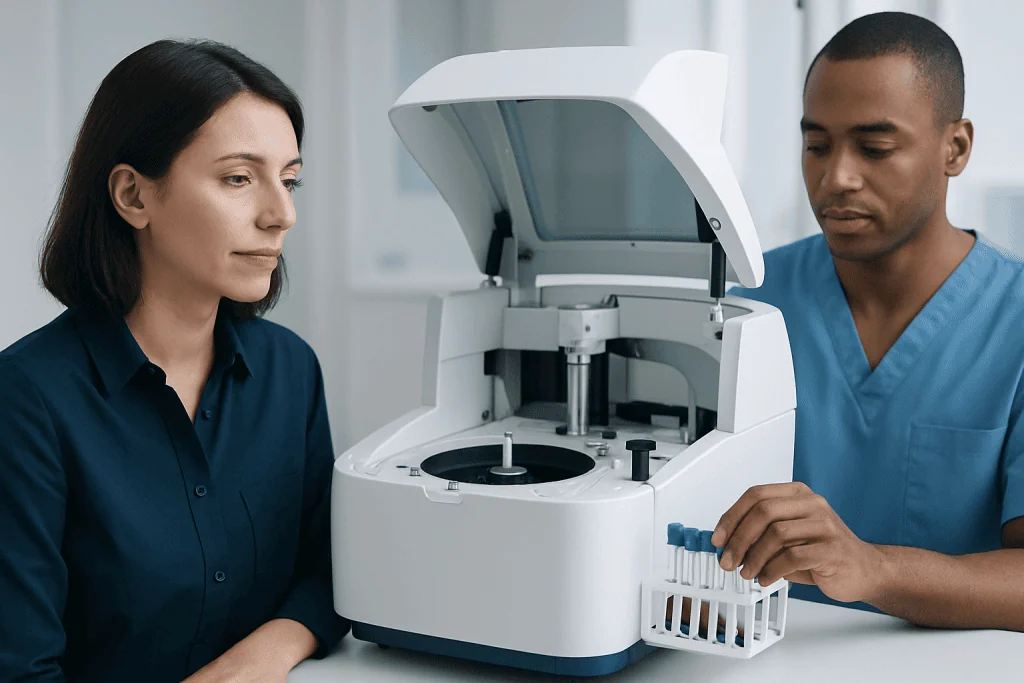
Healthcare professionals may request an HbA1c test when a person has risk factors for diabetes, such as overweight, a family history of type 2 diabetes, high blood pressure, a history of gestational diabetes, polycystic ovary syndrome, or limited physical activity. It may also be performed when symptoms raise concern about high blood glucose.
In people already diagnosed with diabetes, HbA1c is a useful monitoring tool. It helps the care team assess whether the overall treatment plan, including food choices, activity, medicines, and glucose monitoring, is supporting agreed blood glucose goals. How often the test is repeated depends on the type of diabetes, treatment plan, stability of glucose levels, and individual health needs.
HbA1c is most often associated with type 2 diabetes, but it is also used in the care of people with type 1 diabetes and some forms of diabetes that develop during pregnancy. However, testing and target-setting during pregnancy require individualized medical guidance because glucose needs and the reliability of certain measures can change.
Understanding HbA1c Results

HbA1c is commonly reported as a percentage. In many clinical guidelines, an HbA1c below 5.7% is considered within the usual range for people without diabetes. A result from 5.7% to 6.4% may indicate prediabetes, meaning blood glucose is higher than usual and the future risk of type 2 diabetes is increased. An HbA1c of 6.5% or higher may support a diagnosis of diabetes.
A single abnormal result does not always establish a diagnosis. If a person does not have clear symptoms of high blood glucose, clinicians commonly confirm a result with repeat HbA1c testing or another diagnostic test, such as fasting plasma glucose or an oral glucose tolerance test. This approach helps avoid misdiagnosis and accounts for temporary or laboratory-related variation.
For many nonpregnant adults with diabetes, an HbA1c target near or below 7% is often used, but there is no one target for every person. A lower or higher goal may be appropriate depending on age, other health conditions, medication-related risk of low blood sugar, pregnancy plans, life expectancy, and personal priorities. The safest target is one agreed with the treating clinician.
- Below 5.7%: usually within the non-diabetes range
- 5.7% to 6.4%: may indicate prediabetes
- 6.5% or above: may indicate diabetes and usually needs confirmation if there are no classic symptoms
How the Test Is Performed and Prepared For
The HbA1c test is performed with a blood sample. It may be collected from a vein in the arm in a laboratory or, in some settings, from a finger-prick sample using a validated point-of-care device. The test itself is quick, and most people can return to usual activities immediately afterward.
Fasting is generally not required for HbA1c testing. A person can usually eat, drink, and take regular medicines as instructed before the blood draw. If other blood tests are being done at the same appointment, such as fasting glucose or cholesterol testing, the healthcare team may provide different preparation instructions.
It is helpful to tell the clinician about pregnancy, a recent blood transfusion, heavy bleeding, blood disorders, kidney or liver disease, and medicines or supplements being taken. These details may influence whether HbA1c is the most suitable test or whether another method of assessing glucose should be used alongside it.
Factors That Can Affect HbA1c Accuracy
HbA1c is a valuable test, but it is not equally reliable in every situation. Conditions that change how long red blood cells circulate can change the result independently of average glucose. For example, recent major blood loss, hemolytic anemia, some inherited blood conditions, or a recent transfusion may lead to results that do not accurately represent a person’s usual blood glucose pattern.
Iron deficiency anemia may increase HbA1c in some people, while certain kidney diseases, liver diseases, and use of erythropoietin may affect interpretation. Hemoglobin variants, including sickle cell trait and other inherited hemoglobin differences, can interfere with particular laboratory methods. Many laboratories use methods designed to reduce this issue, but the care team should know about any known hemoglobin condition.
If HbA1c does not match home glucose readings, symptoms, or another blood glucose test, a clinician may investigate the reason. Alternative assessments can include fasting plasma glucose, an oral glucose tolerance test, continuous glucose monitoring data, or short-term markers of glucose exposure. Results should always be considered in the full clinical context rather than in isolation.
What Can Help Improve HbA1c?
When HbA1c is above an individual’s goal, improvement usually comes from addressing overall glucose patterns rather than seeking a rapid change. A balanced eating pattern, regular physical activity, adequate sleep, stress management, and taking prescribed medicines consistently can all support glucose management. The most suitable plan depends on the person’s health, daily routine, cultural food preferences, and treatment needs.
For many people, choosing high-fiber foods such as vegetables, pulses, whole grains, and minimally processed foods can support steadier glucose levels. Regular meals and attention to portion size may also help. It is not necessary for everyone to follow the same diet, and restrictive plans should be discussed with a healthcare professional, particularly for people taking glucose-lowering medicine.
Physical activity improves how the body uses insulin and glucose. A mix of aerobic movement and strength-building activity is often beneficial when medically appropriate. People with diabetes complications, heart disease, neuropathy, or mobility concerns should ask their clinician which activities are safe. Medication changes should never be made without professional advice, as overly intensive treatment can cause low blood sugar in some individuals.
When to Seek Medical Care
A person should arrange a medical appointment if an HbA1c result is in the prediabetes or diabetes range, if they are unsure what their result means, or if home glucose readings are repeatedly outside the range advised by their care team. Prompt assessment is also sensible for symptoms such as unusual thirst, frequent urination, unexplained weight loss, persistent fatigue, blurred vision, or recurrent infections.
Urgent medical care is important if high blood glucose symptoms occur with vomiting, severe abdominal pain, confusion, rapid or deep breathing, extreme weakness, or inability to keep fluids down. These symptoms can have several causes and need timely clinical evaluation. People with diabetes should follow any sick-day plan provided by their healthcare team.
Acibadem International’s multidisciplinary specialists and JCI-accredited hospitals diagnose and treat diabetes-related concerns for international patients. A clinician can explain HbA1c results in relation to a person’s symptoms, health history, medicines, and any factors that may affect test accuracy.
Frequently asked questions
Is Hb Ac1 the same as HbA1c?
Yes. Hb Ac1 is commonly used to mean HbA1c, although the standard medical abbreviation is HbA1c. It is also known as the A1c or glycated hemoglobin test.
Do people need to fast for an HbA1c test?
Fasting is usually not needed for an HbA1c test. However, fasting may be required if other tests are being done at the same time, so it is best to follow the laboratory or clinician’s instructions.
What HbA1c level indicates diabetes?
An HbA1c of 6.5% or higher may indicate diabetes. In people without clear symptoms of high blood glucose, clinicians generally confirm the finding with a repeat test or a different glucose test.
Can HbA1c be high even if a person feels well?
Yes. Prediabetes and type 2 diabetes can develop gradually and may not cause noticeable symptoms at first. This is why screening can be important for people with relevant risk factors.
How quickly can HbA1c change?
HbA1c changes gradually because it reflects glucose levels over the previous 2 to 3 months. Improvements in daily glucose patterns may begin soon, but the full effect is generally clearer after several weeks to months.
Can anemia affect HbA1c results?
Yes. Some types of anemia and other conditions affecting red blood cells can make HbA1c appear higher or lower than expected. A clinician may use other glucose tests when HbA1c may not be reliable.
References
- American Diabetes Association
- Centers for Disease Control and Prevention
- National Institute of Diabetes and Digestive and Kidney Diseases
- World Health Organization
- International Federation of Clinical Chemistry and Laboratory Medicine
This article is for general information only and is not a substitute for professional medical advice. Please consult a qualified doctor about your individual situation.
Explore treatments in Turkey — costs, top hospitals & a free quote
JCI-accredited · board-certified surgeons · reply within 24h
Add us as a Preferred Source to see more of our trusted health content across Google Search, AI Overviews and Discover.
Check your numbers in seconds
BMI, calories, due date, blood pressure and 30+ more clinical calculators — free, instant, doctor-reviewed ranges.

More from the Health Library



Related Specialists

Dr. Serap Sapmaz Deniz
Pediatrics
Assoc. Prof. Dr. Halim Ulugöl
Anesthesiology
Prof. Dr. Mehmet Aytaç Yüksel
Gynecology & Obstetrics
Prof. Dr. Ethem Kumbay
Cardiology