Gonorrhoea in the Eye: An Evidence-Based Guide for Patients

Gonococcal conjunctivitis is an urgent eye infection that can progress more quickly than many other forms of conjunctivitis. Heavy pus-like discharge, eyelid swelling, pain, light sensitivity or reduced vision require same-day medical care.
Key Takeaways
- Gonococcal conjunctivitis is an urgent eye infection that can progress more quickly than many other forms of conjunctivitis.
- Heavy pus-like discharge, eyelid swelling, pain, light sensitivity or reduced vision require same-day medical care.
- Diagnosis usually involves an eye examination and laboratory tests on eye discharge, alongside testing for genital and other sexually transmitted infections.
- Treatment requires prescribed systemic antibiotics; eye drops alone are not sufficient treatment for suspected gonorrhoea in the eye.
- Sexual partners should be assessed and treated where appropriate to prevent reinfection and further transmission.
Gonorrhoea in the eye, also called gonococcal conjunctivitis, is an infection caused by the bacterium Neisseria gonorrhoeae. It can cause marked redness, swelling and thick discharge, and it needs urgent medical assessment because the infection may damage the cornea without prompt treatment.
What Is Gonorrhoea in the Eye?
Gonorrhoea in the eye is an infection of the conjunctiva, the clear membrane covering the white part of the eye and lining the eyelids. It is caused by Neisseria gonorrhoeae, the bacterium responsible for the sexually transmitted infection (STI) gonorrhoea. Clinicians may call this condition gonococcal conjunctivitis or gonococcal ophthalmia.
The infection can develop when infected genital fluids come into contact with the eye, often through contaminated hands. Less commonly, it may occur through direct exposure during sexual contact. Newborn babies can acquire the infection during vaginal birth if the birthing parent has untreated gonorrhoea. Unlike many common cases of viral or bacterial pink eye, gonococcal conjunctivitis can worsen rapidly and needs same-day assessment by an eye specialist or other qualified clinician.
Prompt care is important because the bacteria can affect the cornea, the clear front surface of the eye. Corneal involvement can threaten sight if it is not treated quickly. Effective antibiotics are available, and early treatment usually helps prevent serious complications.
Symptoms and Signs to Recognise
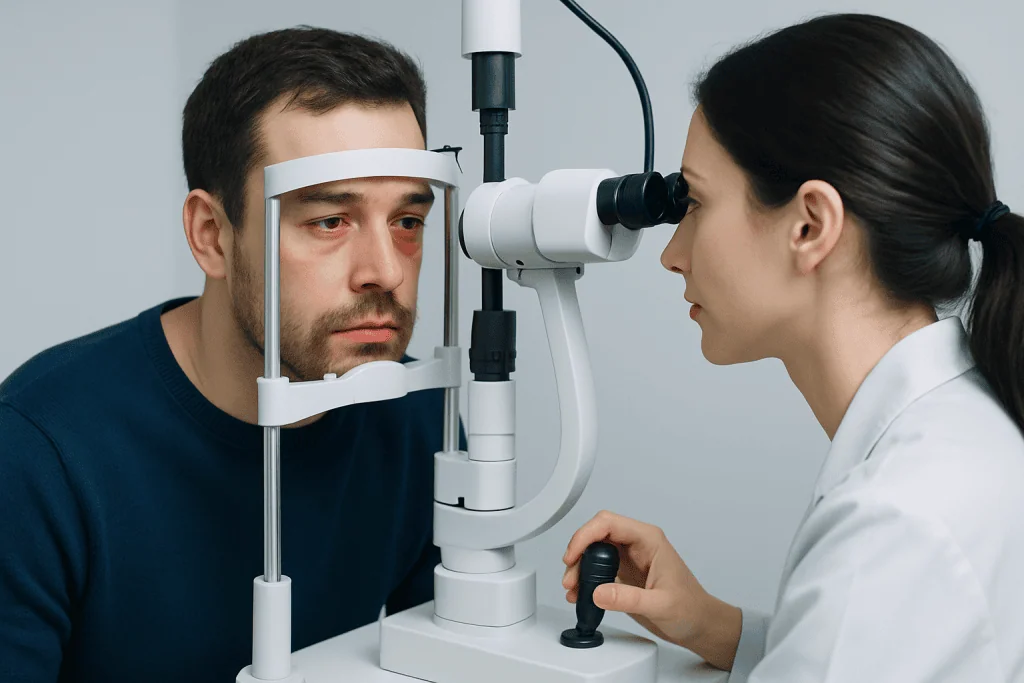
Symptoms may begin within a few days of exposure, although the timing can vary. The condition often affects one eye first, but it can spread to the other eye. A particularly important sign is copious, thick yellow, green or white discharge that returns quickly after it is wiped away.
Other possible symptoms include a very red eye, swollen eyelids, tenderness around the eye, a gritty or painful sensation, excessive tearing and crusting around the lashes. The eye may be difficult to open because of swelling and discharge. Some people also have symptoms of gonorrhoea elsewhere, such as genital discharge, pain when urinating, rectal discomfort or a sore throat, but many people have no genital symptoms.
Eye pain, sensitivity to light, blurred vision, a visible white spot on the clear surface of the eye, or difficulty keeping the eye open may indicate corneal involvement. These symptoms should not be managed as routine conjunctivitis. Contact lenses should be removed and not worn again until an eye clinician confirms that it is safe to do so.
How Infection Spreads and Who May Be at Risk

The bacterium is usually transmitted through vaginal, anal or oral sexual contact with a person who has gonorrhoea. Eye infection occurs when infected fluid reaches the eye. This may happen by touching the eyes after contact with genital secretions, by direct sexual exposure, or by sharing items such as towels in circumstances where fresh infected secretions are present. Normal social contact, such as hugging, sharing food or using the same toilet seat, does not spread gonorrhoea.
Anyone who is sexually active can develop gonococcal conjunctivitis. Risk may be higher for people with a recent new sexual partner, multiple partners, condomless sex, a previous STI, or a partner diagnosed with an STI. However, it is not possible to determine the source of infection from symptoms alone, and an infection does not necessarily mean that exposure was recent.
Newborn gonococcal conjunctivitis is a medical emergency. It can cause significant eye damage if untreated and requires immediate hospital assessment. Prenatal STI testing and treatment when indicated are important ways to reduce this risk. Pregnant people who may have been exposed to gonorrhoea should seek timely advice from their maternity care team.
Diagnosis: Why Testing Matters
A clinician will ask about the eye symptoms, recent health history and possible STI exposure, then examine the eye carefully. The examination may include checking visual acuity, looking at the cornea with magnification and using a dye to identify scratches, ulcers or other corneal changes. These steps help determine whether urgent ophthalmology care is needed.
A sample of eye discharge is commonly collected for laboratory testing. Tests may include a nucleic acid amplification test and bacterial culture. Culture is particularly useful when antibiotic susceptibility testing may be needed, because some strains of gonorrhoea have reduced susceptibility or resistance to certain antibiotics.
Because gonorrhoea in the eye is linked to a sexually transmitted infection, clinicians generally recommend testing for gonorrhoea at genital, throat or rectal sites as relevant, as well as testing for chlamydia and other STIs according to individual circumstances. Testing is a routine part of care and helps ensure that all infections are identified and appropriately treated.
Treatment and Follow-Up
Suspected gonorrhoea in the eye should be treated urgently with systemic antibiotics prescribed by a clinician. Current treatment choices depend on local and national guidance, allergy history, pregnancy status, laboratory results and the possibility of antibiotic resistance. Treatment commonly includes an antibiotic given by injection, rather than relying only on oral medication or antibiotic eye drops.
The eye may also be gently irrigated by a healthcare professional to remove discharge, and an ophthalmologist may recommend additional local treatment or close monitoring if the cornea is affected. Antibiotic eye drops alone are not considered adequate treatment for gonococcal conjunctivitis. People should not use leftover antibiotics, steroid eye drops or another person’s medication, as these can delay appropriate care or worsen certain eye conditions.
Follow-up is important to confirm that symptoms are improving and the cornea remains healthy. Clinicians may arrange repeat testing in selected situations, especially if symptoms persist, reinfection is possible or antibiotic resistance is a concern. Sexual partners should be informed, assessed and treated as advised, and patients should avoid sexual contact until their clinician confirms that treatment and partner management are complete.
Prevention and Safer Self-Care While Awaiting Care
Consistent and correct use of condoms and dental dams lowers, but does not completely remove, the risk of gonorrhoea and other STIs. Regular STI screening can be helpful for sexually active people with new or multiple partners, or for anyone whose partner has an STI. Testing is also important because gonorrhoea may have no symptoms at genital, throat or rectal sites.
If eye symptoms are present, hands should be washed thoroughly and often, especially after touching the face or applying medication. Avoid touching or rubbing the eyes, sharing towels, washcloths, pillowcases, eye makeup or contact lenses. Used tissues should be discarded promptly. Contact lenses, lens cases and eye makeup used during the infection may need to be discarded or professionally assessed; an eye clinician can provide individual advice.
A cool, clean compress may provide temporary comfort for closed eyelids, but it does not treat the infection. People should not attempt to rinse the eye with homemade solutions or place substances such as herbal preparations in the eye. The safest next step is prompt in-person assessment and prescribed treatment.
When to Seek Medical Care
Anyone who has heavy pus-like eye discharge, marked redness and swelling, or a possible exposure to gonorrhoea should seek same-day medical care. An urgent care service, emergency department, sexual health clinic or eye specialist can assess the problem. It is particularly important not to wait for symptoms to settle on their own when gonococcal conjunctivitis is possible.
Emergency assessment is needed for vision changes, moderate or severe eye pain, light sensitivity, inability to open the eye, a white or cloudy area on the cornea, severe swelling around the eye, fever with worsening illness, or symptoms in a newborn. These signs can indicate a more serious infection or corneal complication requiring immediate treatment.
Acibadem International’s multidisciplinary specialists and JCI-accredited hospitals can assess and treat urgent eye infections, including cases requiring ophthalmology and sexual health input, for international patients. A qualified clinician can provide confidential testing, treatment and advice tailored to the person’s health needs.
Frequently asked questions
Can gonorrhoea cause an eye infection?
Yes. Gonorrhoea can infect the conjunctiva when fluid containing Neisseria gonorrhoeae reaches the eye. This is uncommon compared with genital infection, but it is important because it can progress quickly and needs urgent treatment.
What does gonorrhoea in the eye look like?
It often causes a very red eye with substantial eyelid swelling and thick yellow, green or white discharge. The discharge may reappear quickly after cleaning. Symptoms such as pain, light sensitivity, blurred vision or a cloudy spot on the eye require emergency assessment.
Can gonorrhoea in the eye be treated with eye drops?
No. Prescription systemic antibiotics are needed for suspected gonococcal conjunctivitis, usually guided by current local recommendations. Eye treatment may be used as an additional measure in some cases, but drops alone do not treat the infection adequately.
How quickly should a person seek help for possible gonococcal conjunctivitis?
They should seek same-day medical assessment. If there is reduced vision, significant pain, light sensitivity, a corneal white spot, severe swelling or symptoms in a newborn, emergency care is appropriate. Early treatment is important to protect the cornea and vision.
Is gonorrhoea in the eye contagious?
The bacteria can be transferred when infected secretions contact another person's eye or mucous membranes. Careful handwashing, not sharing towels or eye products, and avoiding contact with eye discharge can reduce spread. Sexual partners may also need testing and treatment.
Will partners need treatment if someone has gonorrhoea in the eye?
Recent sexual partners should be informed and assessed by a healthcare professional, even if they do not have symptoms. Treating partners when indicated helps prevent reinfection and reduces onward transmission. A sexual health clinician can advise on the appropriate timeframe for partner notification.
References
- Centers for Disease Control and Prevention
- World Health Organization
- American Academy of Ophthalmology
- National Health Service
- International Union against Sexually Transmitted Infections
This article is for general information only and is not a substitute for professional medical advice. Please consult a qualified doctor about your individual situation.
Explore treatments in Turkey — costs, top hospitals & a free quote
JCI-accredited · board-certified surgeons · reply within 24h
Add us as a Preferred Source to see more of our trusted health content across Google Search, AI Overviews and Discover.

More from the Health Library



Related Specialists

Assoc. Prof. Dr. Murat Yıldar
Liver Transplant Center
Dr. Hasan Hüseyin Özgökçe
Emergency Service
Prof. Dr. Selim Aksöyek
Pediatric Surgery
Dr. Serdar Değer
Cardiology