Office Chair Butt: A Complete Medical Overview
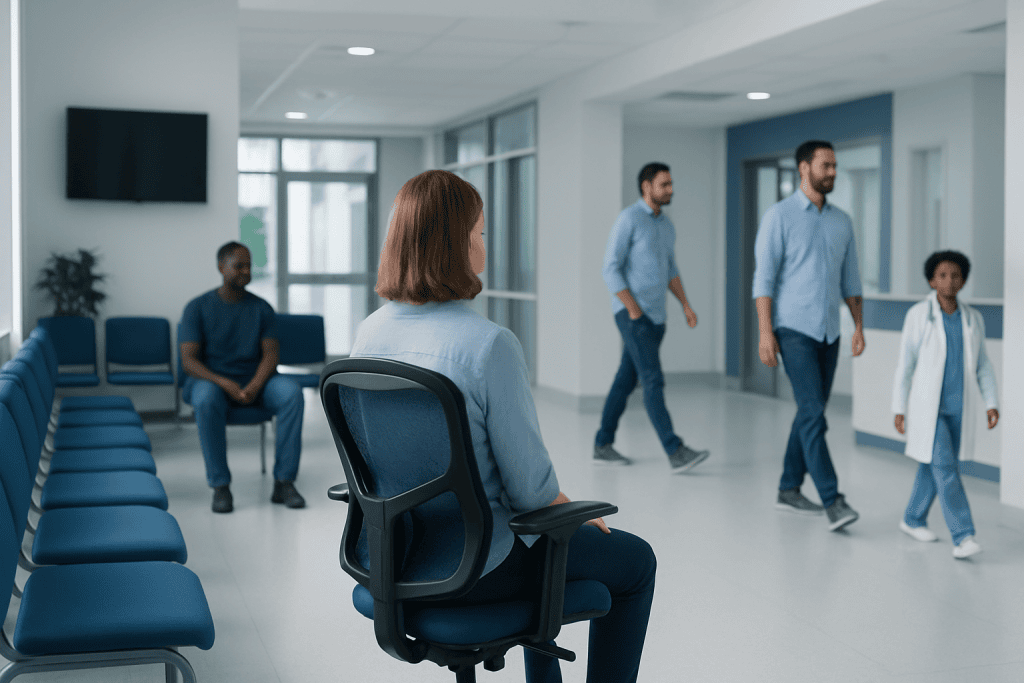
Office chair butt is not a formal diagnosis, but prolonged sitting can contribute to gluteal weakness, hip tightness and discomfort. A flatter-looking buttock area may reflect posture, muscle conditioning, body-fat distribution or normal changes in body composition rather than sitting alone.
Key Takeaways
- Office chair butt is not a formal diagnosis, but prolonged sitting can contribute to gluteal weakness, hip tightness and discomfort.
- A flatter-looking buttock area may reflect posture, muscle conditioning, body-fat distribution or normal changes in body composition rather than sitting alone.
- Brief movement breaks, regular walking and progressive glute-strengthening exercises can support comfort and function.
- An ergonomic chair and workstation can reduce pressure and awkward postures, but they cannot replace regular movement.
- Persistent pain, numbness, weakness, skin changes or bowel or bladder symptoms need medical assessment.
Office chair butt is a popular, nonmedical term used to describe changes such as sore buttocks, tight hips, reduced gluteal muscle activation, or a flatter-looking appearance after long periods of sitting. Sitting itself does not permanently switch off or destroy the gluteal muscles, but an inactive routine can contribute to muscle deconditioning, discomfort, and postural strain over time.
What Does “Office Chair Butt” Mean?
“Office chair butt” is a social-media and everyday term rather than a medical condition. People commonly use it to describe soreness in the buttocks after desk work, a sense that the gluteal muscles are weak or inactive, tightness around the hips, or concern that the buttocks look flatter after spending much of the day seated.
Prolonged sitting can affect how the hips, pelvis, lower back and gluteal muscles feel and function. When a person remains in one position for long periods, the gluteal muscles do not need to work as much as they do during walking, climbing stairs, lifting, or rising from a chair. This does not mean the muscles have stopped working permanently. However, low activity over weeks or months may contribute to reduced muscle conditioning and make movement feel less comfortable.
Buttock shape is influenced by many factors, including genetics, age, body-fat distribution, overall muscle mass, nutrition, hormones, posture and activity level. Therefore, it is not possible to identify sitting as the only reason for a change in appearance. The most useful focus is usually not appearance alone, but restoring regular movement, strength and comfort in daily life.
How Prolonged Sitting Affects the Body
Sitting places the hips in a flexed position and can place sustained pressure on the buttock tissues. Over a long workday, this may lead to temporary stiffness, aching, pressure sensitivity or tingling that improves after standing and moving. Sitting can also encourage some people to slouch, lean to one side, cross their legs for long periods, or sit with a wallet or phone in a back pocket, all of which can increase local discomfort.
The gluteal muscles help extend and stabilize the hips and support control of the pelvis during activities such as walking, stair climbing and standing on one leg. If a person has a largely sedentary routine, these muscles may become less conditioned relative to the demands placed on them. Nearby muscles, including the hip flexors and lower-back muscles, may then feel tight or overworked during exercise or daily tasks.
Long periods of inactivity are also associated with broader health concerns, including reduced cardiovascular fitness and metabolic health. These risks are not solved simply by having a high-quality chair. Regular physical activity and frequent interruptions to sitting are important, even for people who exercise at other times of the day.
It is helpful to distinguish temporary discomfort from injury. Mild stiffness after a long meeting or travel day is common and often improves with gentle movement. Ongoing, severe or worsening pain should not automatically be attributed to office chair butt, because it may have another cause that needs assessment.
Common Signs and Symptoms

Symptoms associated with prolonged sitting vary considerably. Some people notice a dull ache, tenderness or pressure in one or both buttocks after a workday. Others describe hip tightness, reduced comfort when standing up after sitting, or stiffness in the lower back and upper thighs. Symptoms may be more noticeable after long drives, remote-work days, gaming sessions or travel.
A person with reduced gluteal conditioning may feel that climbing stairs, getting up from a low chair, squatting, or walking uphill requires more effort than expected. This may be accompanied by a feeling of poor balance or reduced stability around the hips. These experiences are not specific to the gluteal muscles, however, and can also relate to general fitness, joint problems, previous injuries or neurological conditions.
Some people are concerned primarily about a flatter or less lifted appearance. Appearance changes alone are not a reliable sign of muscle weakness. Posture can alter how the buttocks look, and changes in weight, fat distribution, muscle-training habits and aging can all play a role. A qualified clinician or physiotherapist can assess muscle function when there is concern about weakness or pain.
- Buttock soreness or pressure after sitting
- Hip or lower-back stiffness after inactivity
- Tightness at the front of the hips or thighs
- Reduced ease with stairs, squats or standing from a chair
- Temporary pins-and-needles sensations that resolve after changing position
Other Conditions That Can Cause Buttock Pain
Buttock discomfort is not always caused by sitting. Pain can arise from muscles and tendons around the hip, the hip joint itself, the sacroiliac joints, or structures in the lower back. For example, irritation of a gluteal tendon may cause pain on the outer side of the hip, often worsening when lying on that side or walking. Low-back conditions can sometimes cause pain that spreads into the buttock or leg.
Sciatica is a symptom pattern involving irritation or compression of nerves that travel from the lower back into the leg. It may cause burning pain, tingling, numbness or weakness, often on one side. Piriformis-related pain, although less common and sometimes difficult to diagnose, can also cause buttock pain with symptoms that resemble sciatic nerve irritation. These problems require an individual assessment rather than self-diagnosis based on where pain is felt.
Skin and soft-tissue conditions can also be important. A painful lump, redness, warmth, drainage or fever may suggest an infection or cyst rather than a posture-related problem. People with reduced mobility may be at risk of pressure injuries from sustained pressure on the skin and underlying tissue; this needs prompt medical attention, especially if skin does not return to its normal color after pressure is relieved.
Because several conditions can overlap, persistent pain should be evaluated in context. The timing of symptoms, location of pain, associated numbness or weakness, physical activity, work setup, previous injuries and medical history can all help a clinician identify the likely cause.
Assessment and Diagnosis
There is no test for office chair butt itself, because it is not a recognized medical diagnosis. When symptoms are mild and clearly related to an unusually sedentary period, a clinician may recommend practical changes and monitor improvement. If symptoms persist, recur frequently or limit daily activities, assessment may help rule out a hip, spine, nerve, tendon or skin condition.
A medical assessment usually begins with questions about the location, quality and duration of symptoms. A clinician may ask what makes symptoms better or worse, whether pain travels down the leg, whether there has been an injury, and whether there are changes in sensation, strength, walking, sleep, bowel or bladder function. They may also review work habits, exercise patterns and the design of the workstation.
A physical examination may include checking posture, hip and lower-back movement, tenderness, muscle strength, balance, walking pattern and nerve function. Imaging tests such as X-rays or magnetic resonance imaging are not routinely needed for uncomplicated, short-lived symptoms. They may be considered if the examination suggests a structural problem, symptoms are severe, or there are warning signs.
Physiotherapists can be particularly helpful when muscle imbalance, movement habits or gradual return to activity are central concerns. Their assessment can identify whether exercises should focus on hip strength, mobility, core control, balance, work ergonomics or a combination of these approaches.
Practical Prevention and Self-Care
The most effective response to sitting-related stiffness is usually to reduce uninterrupted sitting rather than trying to find a perfect sitting position. Standing, walking briefly, changing posture or doing a few gentle movements at regular intervals can reduce prolonged pressure and encourage circulation. A person can start with realistic breaks that fit their workday, such as moving between tasks, taking calls while standing, or walking for a few minutes after meetings.
Regular aerobic activity, including walking, cycling, swimming or other enjoyable exercise, supports overall conditioning. Strength training can help maintain or build gluteal and leg strength. Suitable exercises may include sit-to-stands, bodyweight squats, bridges, step-ups or resistance-band movements, provided they can be performed with good control and without significant pain. Starting gradually is important, particularly after an inactive period or an injury.
Workstation setup also matters. The chair should allow the feet to rest comfortably on the floor or a footrest, with the knees and hips in a comfortable position. The lower back should be supported, and the screen, keyboard and mouse should be positioned to avoid sustained reaching or twisting. A chair cushion may improve comfort for some people, but it should not cause the hips to tilt excessively or increase pressure in another area.
Gentle hip movement may help stiffness, but stretching should not be forced through sharp pain. Adequate sleep, hydration, balanced nutrition and maintaining an active routine can support recovery and general musculoskeletal health. For persistent symptoms, individualized advice from a doctor or physiotherapist is safer than following demanding exercise routines online.
When to Seek Medical Care
Medical advice is appropriate when buttock, hip or lower-back pain lasts longer than a few weeks, keeps returning, becomes more intense, or interferes with work, sleep, walking or exercise. A clinician can assess whether symptoms are likely related to prolonged sitting, muscle deconditioning or another condition. Early evaluation can also help people return to activity with a plan that is appropriate for their needs.
Urgent medical assessment is needed for new or progressive leg weakness, numbness in the groin or saddle area, loss of bowel or bladder control, severe pain after a fall or accident, fever with back or buttock pain, or unexplained weight loss. A painful red or warm area, an open wound, drainage, or skin discoloration that does not improve after changing position also needs prompt attention.
People with diabetes, poor circulation, reduced sensation, limited mobility or a history of cancer should seek advice sooner for persistent pain or skin changes. These factors can alter the range of possible causes and may increase the importance of timely care.
Acibadem International’s multidisciplinary specialists and JCI-accredited hospitals assess musculoskeletal, neurological and rehabilitation concerns for international patients. A personalized evaluation can help clarify the cause of persistent symptoms and guide safe treatment or rehabilitation when needed.
Frequently asked questions
Is office chair butt a real medical condition?
Office chair butt is not a formal medical diagnosis. It is an informal term for buttock discomfort, perceived flattening, hip tightness or reduced gluteal conditioning that people associate with prolonged sitting. Persistent symptoms should be assessed rather than assumed to be caused by sitting alone.
Can sitting flatten the buttocks permanently?
Sitting does not permanently compress or switch off the buttock muscles. However, a low-activity lifestyle can contribute to reduced muscle conditioning, while posture, body-fat distribution, aging and changes in exercise habits may affect appearance. Regular strength and activity habits can support muscle function over time.
How often should a person get up from an office chair?
There is no single schedule that suits everyone, but regular movement breaks are beneficial. Standing, changing position or walking briefly throughout the day can help reduce prolonged pressure and stiffness. The key is to avoid remaining in the same position for extended periods.
What exercises can help with office chair butt?
Gentle strengthening exercises such as sit-to-stands, bridges, squats, step-ups and resistance-band hip movements may help build gluteal and leg strength. Exercise should be started gradually and should not cause sharp, radiating or worsening pain. A physiotherapist can tailor an exercise plan for people with pain, injury or limited mobility.
Can an ergonomic chair prevent buttock and hip pain?
An ergonomic chair can improve comfort and support better positioning, especially when the seat height, back support and desk arrangement are adjusted appropriately. It cannot fully prevent discomfort caused by inactivity, however. Regular movement and an overall active lifestyle remain important.
When is buttock pain more serious than office chair butt?
Buttock pain needs prompt assessment when it is severe, persistent, worsening, associated with numbness or weakness, or travels down the leg. Urgent care is needed for bowel or bladder changes, numbness around the groin, fever, significant injury, or concerning skin changes. These signs can indicate conditions that require timely medical care.
References
- World Health Organization
- Centers for Disease Control and Prevention
- National Institute of Arthritis and Musculoskeletal and Skin Diseases
- American Academy of Orthopaedic Surgeons
- American Physical Therapy Association
This article is for general information only and is not a substitute for professional medical advice. Please consult a qualified doctor about your individual situation.
Explore treatments in Turkey — costs, top hospitals & a free quote
JCI-accredited · board-certified surgeons · reply within 24h
Add us as a Preferred Source to see more of our trusted health content across Google Search, AI Overviews and Discover.