Best Ear Wax Removal: An Evidence-Based Guide for Patients

Earwax is protective and usually does not need to be removed routinely. Cotton swabs, hairpins, ear candles, and other objects can push wax deeper or injure the ear.
Key Takeaways
- Earwax is protective and usually does not need to be removed routinely.
- Cotton swabs, hairpins, ear candles, and other objects can push wax deeper or injure the ear.
- Softening drops may help uncomplicated wax buildup when there is no ear pain, drainage, eardrum perforation, or history of ear surgery.
- Clinician-led removal is the safest option for persistent blockage, uncertain symptoms, or people at higher risk of complications.
- Sudden hearing loss, severe pain, discharge, dizziness, or fever should be assessed promptly rather than treated as earwax at home.
The best ear wax removal approach depends on whether earwax is causing symptoms. Most ears clean themselves, but bothersome wax buildup may be treated safely with ear drops, gentle irrigation in suitable people, or removal by a trained clinician.
What Is the Best Ear Wax Removal Method?
The best ear wax removal method is often to leave the ears alone. Earwax, also called cerumen, normally moves gradually out of the ear canal with jaw movement and skin renewal. It traps dust and debris, helps maintain the ear canal’s natural environment, and provides some protection against irritation and infection.
When wax becomes impacted and causes hearing changes, fullness, discomfort, hearing-aid feedback, or difficulty examining the eardrum, treatment may be useful. For many adults with uncomplicated buildup, wax-softening ear drops are a reasonable first step. If symptoms continue, or if there are any risk factors such as previous ear surgery or a perforated eardrum, removal by a qualified healthcare professional is preferable.
There is no single method that is best for every person. Safe care starts with confirming that wax is likely to be the problem, since blocked-ear sensations and reduced hearing can also result from infection, fluid behind the eardrum, allergies, or sudden hearing loss. A clinician can examine the ear canal and eardrum before recommending the most appropriate approach.
How Earwax Buildup Develops
Earwax is made from natural oils and shed skin cells in the outer part of the ear canal. Its color and texture vary widely, from light yellow and soft to dark brown and firm. Dark wax does not necessarily mean that it is old, infected, or dangerous; it often simply reflects oxidation and normal variation.
A blockage can develop when wax is produced faster than it leaves the ear, or when it is pushed deeper into the canal. Cotton swabs are a common cause because they may compact wax against the eardrum rather than remove it. Earbuds, earplugs, hearing aids, narrow ear canals, skin conditions affecting the ear, and increased earwax dryness with age can also contribute.
Some people naturally make more wax or have ear canals shaped in a way that makes self-cleaning less effective. Recurrent buildup is therefore not always due to poor hygiene. In fact, frequent attempts to clean inside the ear can worsen the cycle by irritating the skin and moving wax inward.
Symptoms That May Suggest Earwax Impaction

Earwax blockage may cause a gradual reduction in hearing, a feeling of fullness, mild discomfort, itching, or ringing in the ear. Some people notice that their own voice sounds louder or unusually echoing. Hearing aids may whistle or work less effectively when wax blocks the canal or microphone opening.
Symptoms alone cannot confirm that wax is the cause. Ear infections can produce pain, discharge, fever, or worsening tenderness. Problems involving the middle or inner ear may cause pressure, dizziness, balance symptoms, or hearing changes that need a different evaluation. An ear examination is the reliable way to identify wax and exclude other concerns.
It is particularly important not to assume that sudden hearing loss is due to earwax. A sudden or rapidly worsening loss of hearing in one or both ears needs prompt medical assessment, especially when accompanied by ringing, dizziness, facial weakness, or severe headache.
Safe Options for Ear Wax Removal
For people without warning signs or ear conditions that make home care unsuitable, wax-softening drops can be helpful. Products may contain mineral oil, glycerin, saline, hydrogen peroxide-based ingredients, or other cerumen-softening agents. These do not always dissolve wax completely, but they can soften it so that it moves outward naturally or is easier for a clinician to remove.
Instructions on the product label should be followed carefully. Drops should not be used if there is known or suspected eardrum perforation, ear tubes, recent ear surgery, ear discharge, significant pain, or a current ear infection unless a clinician specifically advises it. People with diabetes, a weakened immune system, or a history of radiation treatment involving the head or neck should seek clinical advice before attempting ear irrigation.
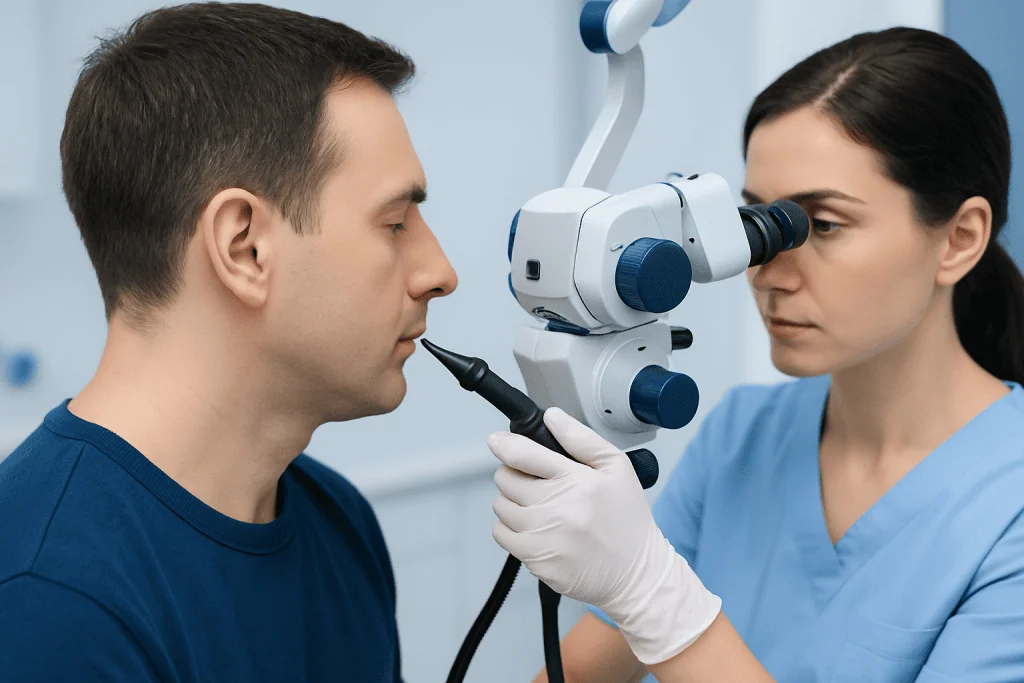
In appropriate cases, a clinician may remove wax using controlled irrigation, suction, or small instruments while viewing the ear canal. These techniques are selected according to the wax consistency, the anatomy of the ear, and the condition of the eardrum. Professional removal is usually the most reliable option when wax is tightly packed, repeatedly returns, or does not improve after softening drops.
- Use drops only as directed and stop if pain, dizziness, rash, or discharge develops.
- Keep the outer ear clean with a soft cloth; do not clean deep inside the canal.
- Arrange an examination if symptoms persist after a short period of appropriate self-care.
Methods to Avoid
Objects should never be inserted into the ear canal. Cotton swabs, tissues twisted into points, hairpins, keys, pencils, and similar objects can scrape the delicate canal skin, push wax farther inward, cause bleeding, or damage the eardrum. Even when wax appears on a swab, the deeper part may have become more compacted.
Ear candling should also be avoided. This practice involves placing a hollow candle in the ear and lighting the other end, but it has not been shown to remove earwax effectively. It can cause burns, leave candle material in the ear, and create a fire hazard.
High-pressure home water devices are not suitable for everyone and may injure the ear if used incorrectly. If irrigation is considered after advice from a healthcare professional, it should be gentle and avoided in anyone with a perforated eardrum, ear tubes, prior ear surgery, active infection, or a history of complications from ear irrigation. Pain is not a normal part of earwax removal and is a reason to stop.
Prevention and Everyday Ear Care
Routine earwax removal is not necessary for most people. The simplest preventive step is to avoid inserting anything into the ear canal. Washing the outer ear during normal bathing and gently drying only the visible outer area is usually sufficient.
People who use hearing aids, earplugs, or in-ear headphones may benefit from periodic ear checks, especially if they repeatedly develop blocked hearing or device feedback. Hearing aids should be cleaned according to the manufacturer’s instructions, as wax can collect on filters and other components. A hearing-care professional can advise how often ear examinations are appropriate.
Individuals who experience recurrent impaction may be advised by a clinician to use occasional softening drops as part of a personal care plan. However, prevention should be individualized. Frequent use of drops or repeated irrigation without a confirmed need can irritate the ear canal and may not prevent future buildup.
When to Seek Medical Care
Medical assessment is appropriate when a blocked-ear feeling or hearing reduction does not improve, when wax is visible but cannot be removed safely, or when symptoms keep returning. A clinician can determine whether wax is present and remove it with appropriate equipment if needed. This is especially important for children, as they may not be able to describe symptoms clearly or cooperate safely with home procedures.
Prompt medical care is recommended for severe ear pain, bleeding, pus or fluid drainage, fever, marked dizziness, sudden hearing loss, facial weakness, or symptoms after an ear injury. These features may indicate a condition other than simple wax buildup and should not be managed with ear drops or irrigation alone.
People with previous eardrum perforation, ear tubes, mastoid or other ear surgery, chronic ear disease, diabetes, or reduced immune function should ask a healthcare professional before treating earwax at home. Acibadem International’s multidisciplinary specialists and JCI-accredited hospitals can assess ear symptoms and provide clinician-led care for international patients when appropriate.
Frequently asked questions
What is the safest way to remove earwax at home?
For many people with mild symptoms and no ear problems, approved wax-softening drops are the safest home option. They should only be used as directed and should be avoided if there is pain, drainage, a known eardrum hole, ear tubes, prior ear surgery, or suspected infection. If symptoms do not improve, a clinician should examine the ear.
Can cotton swabs remove earwax safely?
Cotton swabs are not recommended for cleaning inside the ear canal. They commonly push wax deeper, which can create or worsen a blockage. They can also irritate the canal skin or injure the eardrum.
How do I know if hearing loss is caused by earwax?
Earwax may cause gradual muffled hearing, fullness, or hearing-aid feedback, but these symptoms are not specific to wax. A clinician needs to look into the ear to confirm whether wax is blocking the canal. Sudden or rapidly worsening hearing loss should be assessed promptly.
Are hydrogen peroxide ear drops safe?
Hydrogen peroxide-based products can soften wax for some adults when used according to the label. They may cause temporary bubbling or mild crackling sounds, but they should be stopped if they cause pain, dizziness, rash, or discharge. They are not suitable for everyone, particularly people with eardrum damage, ear tubes, or previous ear surgery.
Why does earwax keep coming back?
Recurring wax buildup can happen because of natural wax production, narrow or curved ear canals, aging-related wax dryness, or use of hearing aids and earplugs. Repeated use of cotton swabs may also pack wax deeper into the canal. A clinician can recommend an individualized plan if impaction happens often.
Should children have earwax removed regularly?
Children do not usually need routine earwax removal. Wax should be addressed when it causes symptoms, interferes with hearing, prevents an ear examination, or affects the use of hearing devices. Parents and caregivers should avoid placing swabs or other objects inside a child's ear.
References
- American Academy of Otolaryngology–Head and Neck Surgery Foundation
- American Academy of Family Physicians
- National Institute on Deafness and Other Communication Disorders
- Mayo Clinic
This article is for general information only and is not a substitute for professional medical advice. Please consult a qualified doctor about your individual situation.
Explore treatments in Turkey — costs, top hospitals & a free quote
JCI-accredited · board-certified surgeons · reply within 24h
Add us as a Preferred Source to see more of our trusted health content across Google Search, AI Overviews and Discover.