Exertion Headache: Possible Causes and When to Seek Care

Exertion headaches occur during or after physical strain and may feel throbbing, often on both sides of the head. A primary exercise headache is diagnosed only after a clinician has considered and excluded important secondary causes.
Key Takeaways
- Exertion headaches occur during or after physical strain and may feel throbbing, often on both sides of the head.
- A primary exercise headache is diagnosed only after a clinician has considered and excluded important secondary causes.
- A sudden thunderclap headache, neurological symptoms, fainting, neck stiffness, or chest symptoms require urgent medical care.
- Warming up gradually, staying hydrated, and avoiding exercise in excessive heat may help reduce recurrent benign headaches.
- New headaches after age 40 or a clear change in an established headache pattern should be medically reviewed.
An exertion headache is a headache that starts during or shortly after strenuous activity such as running, weightlifting, coughing, or sexual activity. Many are harmless primary exercise headaches, but sudden, severe, new, or unusual symptoms should be assessed promptly because they can occasionally signal an underlying condition.
Overview: What Is an Exertion Headache?
An exertion headache is pain in the head that begins during or soon after physical exertion. It may follow activities that raise heart rate or involve straining, including running, swimming, cycling, heavy lifting, high-intensity exercise, coughing, or sexual activity. The pain may be mild to severe and can last from minutes to hours, although some people have symptoms for longer.
Many cases are classified as primary exercise headaches. This means that no structural, blood-vessel, or other medical disorder is found to explain the pain. However, exertion can also bring attention to a less common but potentially serious condition, particularly when a headache is abrupt, severe, or unlike previous headaches. For this reason, a first exertion headache deserves thoughtful medical assessment rather than self-diagnosis.
The term is sometimes used broadly for any headache after a workout. Not every post-exercise headache is a primary exercise headache: dehydration, heat exposure, low food intake, migraine, neck muscle strain, and medication effects can also contribute. The timing, character of the pain, associated symptoms, and personal health history help a clinician distinguish among these possibilities.
Typical Symptoms and Patterns
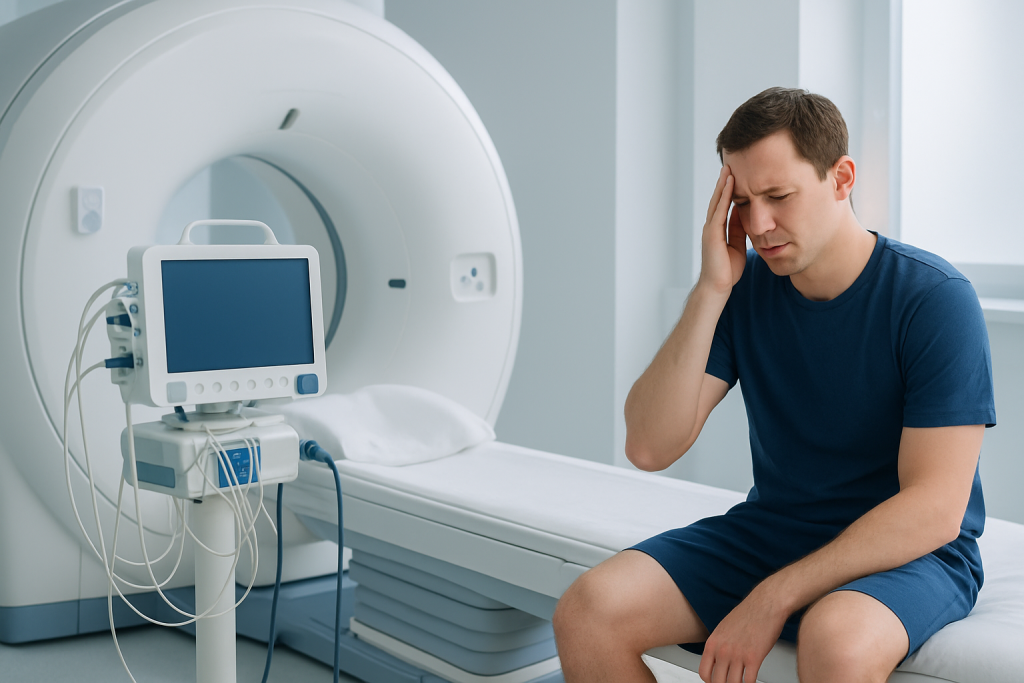
Primary exercise headaches commonly produce pulsating or throbbing pain on both sides of the head. They often begin at peak effort or immediately after stopping, and may be more likely during intense or sustained activity. Some people describe pressure in the head, while others experience a more migraine-like ache with nausea or sensitivity to light.
Symptoms can vary considerably. A person may have one isolated episode, while another may notice headaches repeatedly with a specific activity, such as lifting heavy weights or running uphill. Headaches may occur more often in hot weather, at high altitude, after inadequate fluid intake, or when someone returns to vigorous activity after a period of inactivity.
- Head pain that starts during or shortly after exertion
- Throbbing, pounding, or pressure-like discomfort
- Pain on both sides of the head, although one-sided pain can occur
- Symptoms lasting from several minutes to hours
- Occasional nausea or sensitivity to light, particularly in people prone to migraine
A headache that reaches maximum intensity within seconds to a minute is called a thunderclap headache. This pattern is not typical of a simple benign exercise headache and should be treated as urgent, especially if it is the first episode or is accompanied by other symptoms.
Why Headaches Can Happen With Exercise

During strenuous activity, blood pressure, heart rate, breathing effort, and pressure within the chest and head can rise temporarily. Activities involving straining or breath-holding may intensify these changes. In susceptible people, these normal physiological responses may trigger a primary exercise headache, although the precise mechanism is not fully understood.
Several everyday factors may lower the threshold for headache during exercise. These include dehydration, exercising in heat or humidity, skipping meals, inadequate sleep, sudden increases in training intensity, alcohol use, and poor recovery from a recent illness. Tight neck and shoulder muscles, poor exercise technique, or jaw clenching can also add to head and neck discomfort.
Exertion may also trigger migraine in people who have migraine susceptibility. Migraine can cause a one-sided or bilateral throbbing headache, nausea, vomiting, and sensitivity to light or sound. A clinician may ask about past migraines, family history, menstrual patterns where relevant, sleep, stress, and symptoms outside of exercise to clarify whether migraine is involved.
Secondary Causes That Need to Be Excluded
Although uncommon, some conditions can cause headache during exertion and need prompt evaluation. These include bleeding around the brain, narrowing or spasm of brain blood vessels, a tear in an artery supplying the head or neck, blood clots in brain veins, and disorders affecting the flow of cerebrospinal fluid. Structural differences at the base of the skull, including Chiari malformation, can also cause headaches brought on by coughing, straining, or exercise.
Rarely, exertional head pain can be related to cardiovascular problems, especially when it occurs alongside chest pressure, breathlessness, palpitations, sweating, or fainting. High blood pressure can contribute to headache in some circumstances, but routine headaches alone do not reliably indicate high blood pressure. Measurement and clinical assessment are more informative than symptoms alone.
Features that make a secondary cause more concerning include a first severe headache, a sudden explosive onset, a major change from a person’s usual headaches, onset after head or neck injury, or headache associated with neurological changes. The aim of assessment is not to alarm patients, but to identify the small number of cases in which timely testing or treatment is important.
How an Exertion Headache Is Evaluated
A clinician will begin by asking when the headache starts, how quickly it peaks, where it is felt, how long it lasts, and which activities trigger it. They will also ask about nausea, vomiting, visual symptoms, weakness, numbness, speech changes, dizziness, fainting, neck pain, chest symptoms, and any history of migraine, high blood pressure, vascular disease, or recent infection or injury.
A physical and neurological examination may include checking blood pressure, vision, coordination, strength, sensation, reflexes, and the neck. The clinician may also review medicines and supplements, including substances that can affect blood pressure, hydration, or blood vessels. Keeping a brief record of episodes, exercise intensity, food and fluid intake, weather conditions, and symptoms can provide useful detail.
Imaging is not needed for every exercise-related headache. However, a first sudden severe headache, an abnormal examination, or concerning associated symptoms may lead to urgent brain imaging such as CT or MRI, and sometimes imaging of blood vessels. Other tests, including heart assessment or blood tests, may be considered according to the symptom pattern and individual risk factors.
Treatment, Prevention, and Safer Exercise Habits
Treatment depends on the cause. When evaluation supports a primary exercise headache, a clinician may recommend changes in activity and, when appropriate, preventive medication or medication taken before predictable triggers. The choice depends on a person’s medical history, other medicines, blood pressure, kidney and stomach health, and the frequency and severity of headaches. It is important not to start regular pain medicines or preventive medicines without professional guidance.
For many people, practical adjustments can reduce episodes. A gradual warm-up allows the body to adapt before higher-intensity work. Increasing training load slowly, using steady breathing rather than holding the breath during resistance exercise, cooling down afterward, and taking rest days when needed can all be helpful. People who develop symptoms during heavy lifting may benefit from reviewing technique with a qualified trainer or clinician.
Hydration and regular meals are also important, particularly in warm conditions or during prolonged activity. Exercising at cooler times of day, wearing suitable clothing, and avoiding intense training when ill, sleep-deprived, or recovering from dehydration may reduce risk. If a headache begins, the person should stop exercising, rest in a safe setting, and avoid resuming strenuous activity until symptoms have settled and concerning causes have been considered.
People with recurrent headaches can discuss an individualized plan with a neurologist or primary care clinician. Acibadem International’s multidisciplinary specialists and JCI-accredited hospitals evaluate headache symptoms and provide care for international patients when appropriate.
When to Seek Medical Care
Urgent medical care is needed for a headache that is sudden and extremely severe, especially if it peaks within a minute. Emergency assessment is also important when head pain occurs with fainting, confusion, seizure, weakness, numbness, trouble speaking, vision loss, severe dizziness, difficulty walking, repeated vomiting, fever with neck stiffness, or new severe neck pain.
A person should seek urgent help if an exertion headache follows a head or neck injury, occurs with chest pain, shortness of breath, an irregular heartbeat, or heavy sweating, or happens during pregnancy or soon after giving birth. These symptoms do not always indicate a serious illness, but they should not be managed by waiting to see whether they improve.
A non-emergency medical appointment is advisable for a first exercise-related headache, recurrent episodes, headaches that interfere with activity, new headaches after age 40, or a clear change in a known migraine pattern. Until reviewed, it is sensible to avoid the activity that reliably triggers symptoms, particularly high-intensity exertion or heavy straining.
Frequently asked questions
Are exertion headaches dangerous?
Many exertion headaches are benign primary exercise headaches and improve with changes in training, hydration, and medical guidance. However, exertion can occasionally trigger symptoms from a serious blood-vessel, brain, or heart-related condition. A first severe or sudden headache should be assessed promptly.
Why do I get a headache after lifting weights?
Heavy lifting can increase pressure in the chest and head, particularly when a person strains or holds their breath. Dehydration, inadequate warm-up, neck muscle tension, and sudden increases in training intensity can also contribute. Repeated headaches during lifting should be discussed with a clinician before continuing heavy exertion.
Can dehydration cause an exertion headache?
Yes. Fluid loss, heat exposure, and inadequate electrolyte replacement during prolonged sweating may contribute to headache during or after activity. Hydration can help, but a severe, sudden, or unusual headache still needs medical assessment rather than being assumed to be dehydration.
How long does an exercise headache last?
A primary exercise headache may last from a few minutes to several hours, and sometimes longer. The duration alone cannot confirm the cause. Headaches that persist, worsen, recur frequently, or are accompanied by other symptoms should be reviewed by a healthcare professional.
Should a person exercise through an exertion headache?
No. They should stop the activity, rest, and assess how they feel rather than pushing through the pain. Strenuous exercise should not be resumed until the headache has resolved and a clinician has advised that it is safe when symptoms are new, severe, or recurrent.
Can migraine be triggered by exercise?
Yes. Exercise is a trigger for some people with migraine, particularly when combined with heat, skipped meals, poor sleep, dehydration, or abrupt intense activity. A clinician can help distinguish exercise-triggered migraine from a primary exercise headache or another cause.
References
- International Headache Society
- American Migraine Foundation
- National Institute of Neurological Disorders and Stroke
- Mayo Clinic
- Cleveland Clinic
This article is for general information only and is not a substitute for professional medical advice. Please consult a qualified doctor about your individual situation.
Heart care in Turkey — expert evaluation and treatment
JCI-accredited · board-certified surgeons · reply within 24h
Add us as a Preferred Source to see more of our trusted health content across Google Search, AI Overviews and Discover.
Check your numbers in seconds
BMI, calories, due date, blood pressure and 30+ more clinical calculators — free, instant, doctor-reviewed ranges.