Fetal Hydantoin Syndrome: Diagnosis, Outlook, and Modern Treatment Approaches

Fetal hydantoin syndrome is associated with prenatal exposure to phenytoin, an antiseizure medicine. Not every baby exposed to phenytoin during pregnancy develops this syndrome or has the same features.
Key Takeaways
- Fetal hydantoin syndrome is associated with prenatal exposure to phenytoin, an antiseizure medicine.
- Not every baby exposed to phenytoin during pregnancy develops this syndrome or has the same features.
- Assessment may involve pediatric, genetic, developmental, hearing, vision, dental, and specialist evaluations.
- There is no single treatment, but early intervention and individualized care can support a child’s health and development.
- People who use antiseizure medicines should seek pre-pregnancy advice and should not stop medication suddenly without medical guidance.
Fetal hydantoin syndrome is a pattern of physical and developmental differences that can occur after exposure to phenytoin during pregnancy. Diagnosis is based on the child’s features and pregnancy medication history, while care focuses on early developmental support, treatment of individual health needs, and ongoing follow-up.
Overview: What Is Fetal Hydantoin Syndrome?
Fetal hydantoin syndrome, also called fetal phenytoin syndrome, describes a group of birth differences and developmental concerns associated with exposure to phenytoin during pregnancy. Phenytoin is an antiseizure medicine that may also be used in selected situations for other neurological conditions. The term reflects an association, not a certainty: many factors can influence pregnancy outcomes, and not every fetus exposed to phenytoin develops recognizable effects.
The syndrome was historically described as part of the broader group of fetal antiseizure medication effects. Its features can vary substantially from one child to another. Some children have mild physical differences with typical development, while others need support for growth, learning, motor skills, or specific medical concerns. Modern care emphasizes careful pre-pregnancy planning, safe seizure control during pregnancy, and early, individualized support for affected children.
Importantly, epilepsy itself can pose risks when seizures are not well controlled in pregnancy. Decisions about phenytoin or any antiseizure medicine therefore require an individualized discussion between the person, their neurologist, and their obstetric care team. Medication should never be stopped abruptly without professional advice, as this can trigger seizures and create serious health risks.
Possible Features and Symptoms
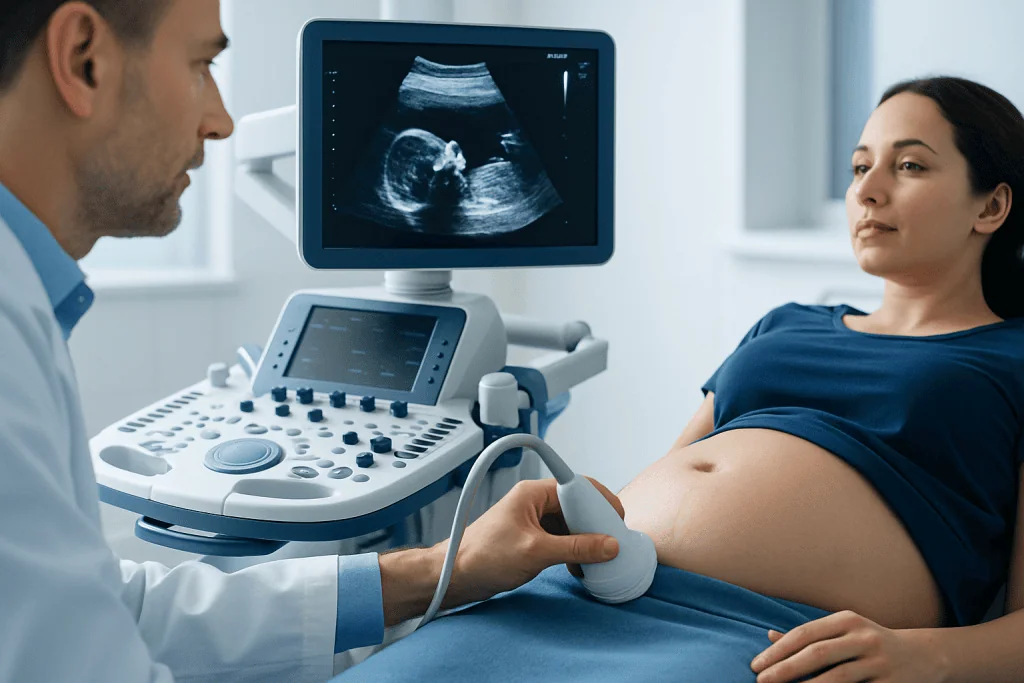
Fetal hydantoin syndrome can involve characteristic differences in growth, facial appearance, fingers or nails, and development. Features may be noticed at birth, during infancy, or later when a child reaches developmental milestones. A clinician evaluates the overall pattern rather than relying on one physical feature alone.
Possible findings include lower growth before or after birth, a smaller head size, and differences in facial structure. These may include a broad nasal bridge, a short nose, a long upper lip, or changes around the eyes. Children may also have underdeveloped end bones of the fingers, small nails, or differences in finger shape. These findings are variable and can also occur in other conditions.
Some children may experience developmental delay, learning differences, speech or language challenges, reduced muscle tone, or difficulties with coordination. Less commonly, congenital differences affecting the heart, kidneys, palate, eyes, hearing, or other organs may be identified. These concerns are not present in every child, but they are reasons a clinician may recommend targeted screening.
- Growth or feeding concerns in infancy
- Delayed sitting, walking, speech, or language development
- Fine-motor or coordination difficulties
- Learning, attention, or behavioral support needs at school age
- Dental, hearing, vision, or skeletal differences requiring specialist review
Causes and Factors That Influence Risk

The central known association is exposure to phenytoin during fetal development, especially during early pregnancy when major organs are forming. Phenytoin crosses the placenta and may affect development through several biological pathways. Researchers continue to study why effects occur in some pregnancies and not in others.
Risk is not determined by medication exposure alone. The timing of exposure, dose, use of more than one antiseizure medicine, maternal health, nutrition, genetics, seizure frequency, and other pregnancy factors may all influence outcomes. It can be difficult to separate the effects of a medicine from the effects of the underlying condition and related health factors in individual cases.
Phenytoin remains an appropriate medicine for some people when its benefits outweigh potential risks. For a person with epilepsy, uncontrolled tonic-clonic or other significant seizures can endanger both the pregnant person and fetus. The safest approach is usually planned, specialist-led medication review before conception whenever possible, using the regimen that provides effective seizure control with the lowest reasonable risk.
How Diagnosis Is Made
There is no single blood test that confirms fetal hydantoin syndrome. Diagnosis is clinical and is made by considering the child’s physical findings, growth and developmental history, and confirmed or likely phenytoin exposure during pregnancy. A pediatrician, clinical geneticist, or developmental specialist may coordinate the evaluation.
The assessment commonly begins with a detailed pregnancy and family history, including all medicines, supplements, health conditions, and seizure history. The child may have a careful physical examination and measurements of growth and head circumference. Depending on the findings, clinicians may recommend hearing and vision testing, developmental screening, heart assessment, kidney imaging, dental review, or imaging of the hands and skeleton.
Genetic testing may be offered to rule out genetic conditions that can cause similar facial, growth, limb, or developmental features. Testing does not mean that a clinician doubts the medication history; rather, it can clarify the diagnosis and guide care. A diagnosis can sometimes remain uncertain initially, because developmental needs and physical features may become clearer over time.
Modern Treatment and Ongoing Support
There is no treatment that reverses prenatal phenytoin exposure. However, many aspects of fetal hydantoin syndrome can be addressed effectively through coordinated, child-centered care. The care plan is based on the child’s individual needs rather than on the diagnostic label alone.
Early intervention is particularly valuable when there are delays in movement, communication, feeding, or learning. Depending on the child’s needs, this may include physiotherapy, occupational therapy, speech and language therapy, feeding support, and developmental education services. Regular developmental reviews can identify changing needs and help families access support at the right stage.
Specific physical or medical differences are managed by the relevant specialist. For example, a cardiologist may assess a heart difference, an audiologist may evaluate hearing, and a dentist or orthodontist may help with oral health and tooth development. Hand or orthopedic specialists may advise on functional concerns related to fingers or limbs. Surgical treatment is considered only when a structural difference is affecting health or function and when the expected benefits are clear.
Families often benefit from a coordinated care team that includes pediatrics, genetics, neurology, developmental specialists, therapists, and school support professionals. Acibadem International’s multidisciplinary specialists and JCI-accredited hospitals can assess and treat children with complex developmental and congenital health needs for international patients.
Outlook for Children and Families
The outlook for a child with fetal hydantoin syndrome is individualized. It depends on the type and severity of physical findings, the presence of any organ differences, and the child’s developmental profile. Many children make meaningful progress with appropriate medical follow-up, supportive therapies, and educational accommodations.
Physical differences may remain visible throughout life, but they do not always affect daily function. Developmental, language, learning, and behavioral needs can become more apparent in preschool and school years, making ongoing monitoring important. Early identification of these needs helps families and schools create practical strategies that support participation, confidence, and independence.
Parents and caregivers should be reassured that a diagnosis is not a prediction of a child’s limits. Regular check-ins with the care team allow support to be adjusted as the child grows. Family counseling or genetic counseling may also be helpful for discussing the diagnosis, addressing uncertainty, and planning future pregnancies.
Prevention and Pregnancy Planning
For people who take phenytoin and may become pregnant, the most effective preventive step is preconception counseling. Ideally, this takes place before stopping contraception or as soon as pregnancy is being considered. A neurologist and obstetric clinician with experience in high-risk pregnancy can review seizure control, alternative medication options, and the safest practical treatment plan.
Medication changes need to be planned carefully. Suddenly stopping phenytoin can cause breakthrough seizures, including severe seizures that require urgent care. In many cases, clinicians aim to use the most suitable single antiseizure medicine at the lowest effective dose, while recognizing that the best choice differs between individuals.
Clinicians may recommend folic acid supplementation before conception and in early pregnancy, although it does not eliminate medication-related risks. Prenatal appointments, ultrasound assessments, and individualized fetal monitoring can help identify some structural differences. Anyone who discovers they are pregnant while taking phenytoin should contact their prescribing clinician promptly, but should continue the medicine until they receive medical advice.
When to Seek Medical Care
A pregnant person taking phenytoin should contact their neurologist, obstetrician, or primary care clinician promptly after a positive pregnancy test or when planning pregnancy. Urgent medical care is needed for a seizure lasting longer than usual, repeated seizures without full recovery, injury during a seizure, serious breathing difficulty, or other emergency symptoms.
For an infant or child with known prenatal phenytoin exposure, medical review is appropriate if there are feeding difficulties, poor growth, concerns about hearing or vision, unusual hand or limb findings, or missed developmental milestones. It is also reasonable to request developmental assessment if a child has persistent speech, motor, learning, attention, or behavioral difficulties.
Families do not need to wait for every possible feature to be present before seeking help. A pediatric clinician can assess concerns, arrange referrals when needed, and provide guidance that reflects the child’s strengths as well as their support needs.
Frequently asked questions
Is fetal hydantoin syndrome the same as fetal alcohol syndrome?
No. Fetal hydantoin syndrome is associated with prenatal exposure to phenytoin, while fetal alcohol spectrum disorders are associated with prenatal alcohol exposure. Some physical and developmental features can overlap, so clinicians consider the full pregnancy history and may investigate other possible causes.
Will every baby exposed to phenytoin develop fetal hydantoin syndrome?
No. Prenatal phenytoin exposure does not mean that a baby will develop fetal hydantoin syndrome. The possible effects and their severity vary, and pregnancy outcomes are influenced by several medication, health, and individual factors.
Can fetal hydantoin syndrome be detected during pregnancy?
Some structural differences may be detected on prenatal ultrasound, and additional fetal assessment may be recommended based on individual circumstances. However, not all features can be identified before birth, particularly developmental, learning, speech, or behavioral differences.
Can a person stop phenytoin after finding out they are pregnant?
Phenytoin should not be stopped suddenly without advice from the clinician who manages the person’s seizures. Abrupt withdrawal can lead to seizures, which may be dangerous during pregnancy. A care team can urgently review treatment and discuss the safest next steps.
Is fetal hydantoin syndrome inherited?
Fetal hydantoin syndrome itself is not generally considered an inherited genetic condition. It is linked to prenatal medicine exposure, although genetic factors may influence how an individual fetus responds. Genetic testing may sometimes be used to exclude other conditions with similar features.
What support may help a child with fetal hydantoin syndrome?
Support depends on the child’s needs and may include developmental monitoring, speech and language therapy, physiotherapy, occupational therapy, hearing or vision care, and educational assistance. Early intervention can help address challenges while supporting skills, participation, and independence.
References
- U.S. Food and Drug Administration
- American College of Obstetricians and Gynecologists
- American Academy of Neurology
- National Institute of Neurological Disorders and Stroke
- Orphanet
This article is for general information only and is not a substitute for professional medical advice. Please consult a qualified doctor about your individual situation.
Explore treatments in Turkey — costs, top hospitals & a free quote
JCI-accredited · board-certified surgeons · reply within 24h
Add us as a Preferred Source to see more of our trusted health content across Google Search, AI Overviews and Discover.