Gastrojejunostomy: An Evidence-Based Guide for Patients

Gastrojejunostomy creates a surgical connection between the stomach and the jejunum. It is commonly used to bypass gastric outlet or duodenal obstruction, including obstruction related to cancer or scarring.
Key Takeaways
- Gastrojejunostomy creates a surgical connection between the stomach and the jejunum.
- It is commonly used to bypass gastric outlet or duodenal obstruction, including obstruction related to cancer or scarring.
- The procedure may be performed as open surgery or minimally invasive surgery, depending on the person’s condition and the reason for treatment.
- Recovery includes gradual reintroduction of food, pain control, early movement, and monitoring for complications such as leakage, infection, or delayed stomach emptying.
- Long-term dietary changes and nutritional follow-up may be needed, particularly after extensive stomach or pancreatic surgery.
Gastrojejunostomy is an operation that creates a new connection between the stomach and the jejunum, the middle part of the small intestine. It may help food pass around a blockage in the stomach outlet or duodenum, or restore the digestive pathway after another operation.
What Is a Gastrojejunostomy?
Gastrojejunostomy is a surgical procedure that joins the stomach directly to the jejunum, a section of the small intestine. This new pathway allows food and liquids to leave the stomach without passing through the duodenum, the first part of the small intestine. It is often performed when the normal route is narrowed, blocked, removed, or no longer suitable for digestion.
The operation may be planned as part of treatment for a known condition, or it may be considered when symptoms such as persistent vomiting and difficulty eating are caused by an obstruction. In some situations, it is used to relieve symptoms rather than remove the underlying disease. The exact form of the surgery depends on the location of the problem, a person’s overall health, and whether other abdominal surgery is needed at the same time.
A gastrojejunostomy is also used in certain reconstructive operations after removal of part of the stomach or pancreas. It is different from a simple feeding tube because it creates a permanent or long-lasting internal connection for food to travel through the digestive system.
Why Might This Surgery Be Recommended?
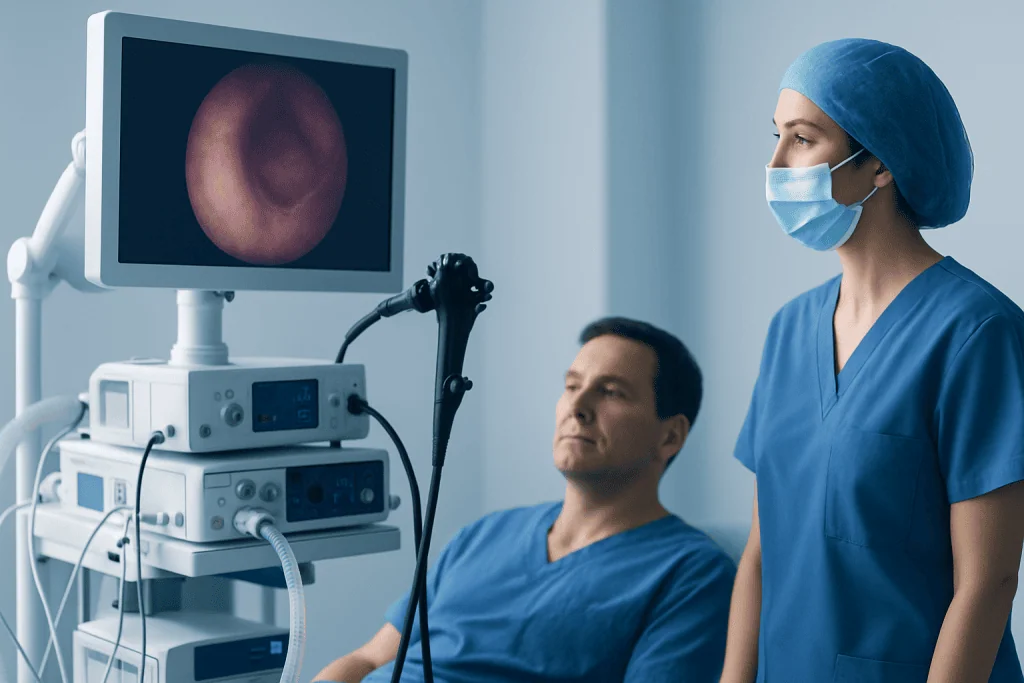
A common reason for gastrojejunostomy is gastric outlet obstruction. This means food cannot pass normally from the stomach into the duodenum. Obstruction can cause early fullness, nausea, repeated vomiting, abdominal discomfort, dehydration, weight loss, and poor nutrition. A new connection can bypass the narrowed area and make it easier to eat and drink.
Possible causes include cancers affecting the stomach, pancreas, bile ducts, or nearby tissues. Non-cancerous causes may include scarring from longstanding peptic ulcer disease, inflammation, or previous surgery. In selected cases, the procedure is performed alongside pancreatic surgery or stomach surgery to reconstruct the digestive tract after diseased tissue has been removed.
Some bariatric procedures also include a gastrojejunostomy as part of a gastric bypass reconstruction. However, the purpose, anatomy, follow-up needs, and expected outcomes differ from surgery performed to treat an obstruction. The surgical team explains why a particular approach is being recommended and whether less invasive options may be appropriate.
Assessment and Preparation Before Surgery
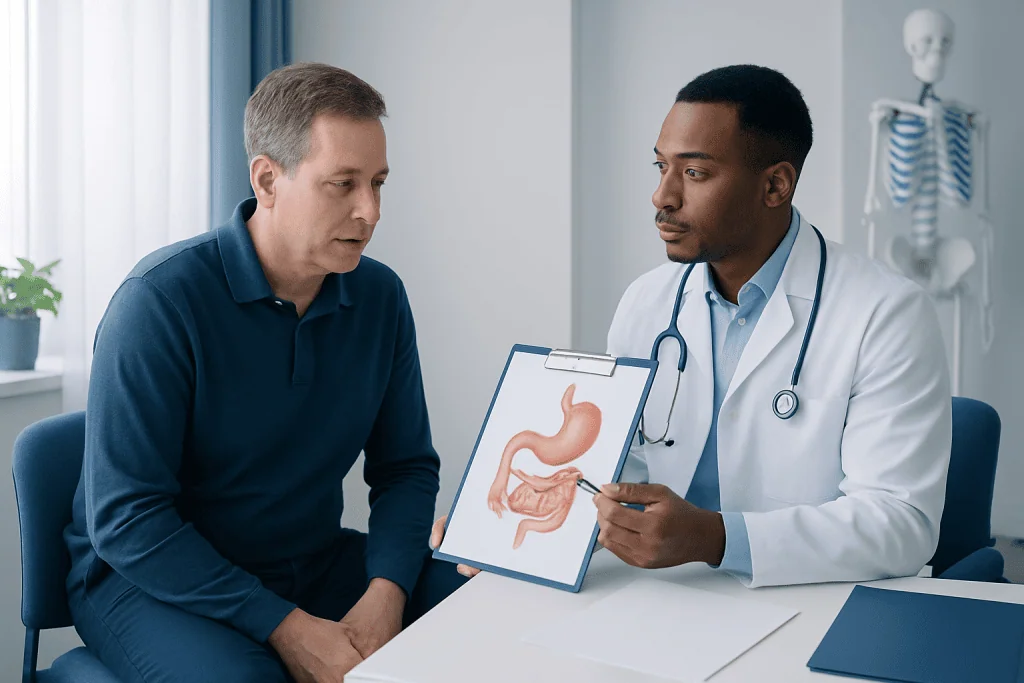
Before gastrojejunostomy, clinicians review the person’s symptoms, medical history, medications, nutritional status, and previous operations. Tests may include blood tests, upper gastrointestinal endoscopy, computed tomography (CT), or contrast X-rays that show how material moves through the stomach and bowel. These assessments help identify the cause and location of an obstruction and support surgical planning.
If cancer is suspected or already diagnosed, the care team may use imaging and biopsy findings to determine whether surgery is intended to remove disease, restore digestive continuity, or ease symptoms. A gastroenterologist, surgeon, oncologist, dietitian, anesthesiologist, and other specialists may contribute to the plan when needed.
Preparation often includes reviewing medicines that affect bleeding or blood sugar, treating dehydration, and addressing nutritional deficiencies. Some people need intravenous fluids or nutrition support before surgery if they have been unable to eat adequately. The surgical team provides individual instructions about fasting, regular medicines, smoking cessation, and what to expect in hospital.
How Gastrojejunostomy Is Performed
Gastrojejunostomy is usually performed under general anesthesia, meaning the person is asleep and does not feel pain during the operation. The surgeon identifies a healthy section of jejunum and creates an opening between it and the stomach. This connection, called an anastomosis, is made using sutures, surgical staples, or both.
The operation may be done through open surgery, using a larger abdominal incision, or through laparoscopic surgery, using several small incisions and a camera. In selected centers and situations, robotic-assisted techniques may also be considered. The most suitable approach depends on factors such as the underlying diagnosis, the need for other procedures, scar tissue from prior operations, and the person’s stability.
Sometimes the surgeon performs additional steps to direct food flow or reduce the risk of bile reflux, depending on the anatomy and clinical purpose. The duration of surgery varies widely because a gastrojejunostomy may be a standalone procedure or one part of a more complex operation. The surgeon can explain the planned reconstruction and any alternatives before consent is given.
Recovery, Eating, and Follow-Up
After surgery, the care team monitors breathing, circulation, pain, wound healing, and bowel function. Fluids may initially be given through a vein. Depending on the operation and recovery, oral intake is restarted gradually, often beginning with small amounts of clear liquids before advancing to liquids, soft foods, and more regular meals as tolerated.
Early, gentle movement is encouraged when it is safe because it supports circulation, breathing, and bowel recovery. Hospital stay and return to normal activities vary considerably. They may be shorter after uncomplicated minimally invasive surgery and longer when the procedure is performed with major cancer or pancreatic surgery, or when medical recovery requires additional support.
Small, frequent meals are commonly easier to tolerate after a gastrojejunostomy. A dietitian may advise prioritizing protein, fluids, and nutrient-rich foods while limiting very large meals or foods that trigger nausea, cramping, or diarrhea. Follow-up may include blood tests to check for anemia or deficiencies in nutrients such as iron, vitamin B12, folate, calcium, and vitamin D, particularly if part of the stomach has been removed or digestion has changed substantially.
- Eat slowly and choose small meals more often rather than large portions.
- Stay well hydrated, taking small sips if drinking large volumes is uncomfortable.
- Follow the recommended food progression and avoid introducing difficult foods too quickly.
- Attend follow-up appointments to review symptoms, weight, healing, and nutritional needs.
Possible Risks and Longer-Term Effects
All abdominal operations carry some risks. Early complications of gastrojejunostomy can include bleeding, infection, blood clots, pneumonia, injury to nearby structures, or temporary slowing of bowel movement. A leak at the new connection is uncommon but serious and needs prompt medical assessment. The care team takes steps to reduce risks, including careful surgical technique, prevention of blood clots, pain management, and monitoring after surgery.
Some people experience delayed gastric emptying, where the stomach takes longer than expected to move food onward. Symptoms may include nausea, bloating, vomiting, and difficulty progressing with diet. This often improves with time and supportive treatment, although occasionally further evaluation or intervention is needed.
Longer-term effects can include bile reflux, marginal ulcers near the connection, diarrhea, dumping symptoms, or nutritional deficiencies. Dumping symptoms can occur when food, especially sugary food, moves quickly into the small intestine and may cause cramping, dizziness, sweating, palpitations, or diarrhea. Not everyone develops these effects, and dietary adjustments, medicines, and specialist follow-up can often help manage them.
When to Seek Medical Care
Anyone with ongoing vomiting, inability to keep fluids down, worsening early fullness, unexplained weight loss, black stools, vomiting blood, or persistent abdominal pain should seek timely medical evaluation. These symptoms can have several causes, but they may indicate obstruction, bleeding, or another digestive condition that needs assessment.
After gastrojejunostomy, urgent medical care is important for fever, increasing abdominal pain, a swollen abdomen, repeated vomiting, shortness of breath, chest pain, fainting, redness or drainage from the wound, or an inability to drink enough fluid. These symptoms do not always mean there is a serious complication, but prompt review is the safest approach.
People should also contact their surgeon or healthcare team if they have ongoing difficulty eating, rapid weight loss, frequent diarrhea, persistent reflux, or symptoms of anemia such as unusual tiredness or breathlessness. Acibadem International’s multidisciplinary specialists and JCI-accredited hospitals diagnose and treat digestive conditions for international patients, with care plans tailored to the individual clinical situation.
Frequently asked questions
Is gastrojejunostomy a major operation?
Gastrojejunostomy is an abdominal surgical procedure and may be a major operation, especially when it is performed alongside stomach, pancreatic, or cancer surgery. Its complexity depends on the underlying condition, the surgical approach, and whether additional procedures are needed. The surgeon can explain the expected recovery for the individual situation.
How long does recovery from gastrojejunostomy take?
Recovery varies from person to person. Early recovery in hospital focuses on pain control, walking safely, restarting fluids and food, and checking that the bowel is functioning. Full recovery may take weeks, and it can take longer after extensive surgery or if treatment for an underlying illness is also required.
Can a person eat normally after a gastrojejunostomy?
Many people can return to a varied diet, but eating patterns may need to change. Small, frequent meals are often better tolerated, particularly in the first weeks or months. A dietitian can provide individualized guidance if nausea, diarrhea, weight loss, or nutritional deficiencies occur.
What is the difference between gastrojejunostomy and gastric bypass?
A gastrojejunostomy describes the connection made between the stomach and jejunum. Gastric bypass is a specific weight-loss operation that includes creating this connection along with changes that make the stomach smaller and alter intestinal food flow. Gastrojejunostomy may also be performed for reasons unrelated to weight management, such as bypassing an obstruction.
Can gastric outlet obstruction be treated without surgery?
In some cases, yes. Depending on the cause and location of the obstruction, options may include endoscopic balloon dilation, placement of a stent, medicines, nutritional support, or treatment directed at the underlying disease. Surgery may be recommended when these options are unsuitable, unlikely to provide durable relief, or when another operation is already necessary.
What symptoms after surgery may suggest dumping syndrome?
Dumping syndrome may cause abdominal cramping, nausea, diarrhea, flushing, sweating, dizziness, or a fast heartbeat after eating. Symptoms can be more noticeable after meals high in sugar or after eating quickly. A clinician or dietitian can suggest dietary changes and assess persistent or severe symptoms.
References
- National Institute of Diabetes and Digestive and Kidney Diseases
- American College of Surgeons
- American Society for Gastrointestinal Endoscopy
- National Cancer Institute
- World Health Organization
This article is for general information only and is not a substitute for professional medical advice. Please consult a qualified doctor about your individual situation.
Persistent digestive symptoms? Get evaluated in Turkey
JCI-accredited · board-certified surgeons · reply within 24h
Add us as a Preferred Source to see more of our trusted health content across Google Search, AI Overviews and Discover.