Glossectomy: How It Works, Recovery, and What to Expect

Glossectomy may remove a small area of the tongue, one side of the tongue, or the whole tongue depending on the condition being treated. Most glossectomies are performed for cancer, but surgery may also be considered for selected severe injuries or other uncommon conditions.
Key Takeaways
- Glossectomy may remove a small area of the tongue, one side of the tongue, or the whole tongue depending on the condition being treated.
- Most glossectomies are performed for cancer, but surgery may also be considered for selected severe injuries or other uncommon conditions.
- Reconstructive surgery and speech-and-swallowing therapy are important parts of care for many patients.
- Recovery varies with the amount of tongue removed, reconstruction needed, overall health, and any additional treatments such as radiotherapy.
- A new tongue sore, lump, bleeding area, persistent pain, or swallowing difficulty should be assessed promptly by a clinician.
Glossectomy is an operation that removes a portion or, less commonly, all of the tongue. It is most often performed to treat tongue cancer and is planned carefully to remove disease while preserving speech, swallowing, breathing, and quality of life as much as possible.
Glossectomy overview: how the operation works
Glossectomy is a surgical procedure to remove part or all of the tongue. It is most commonly used to treat cancer that begins in the tongue, especially squamous cell carcinoma. The main aim is to remove the tumor with a surrounding margin of healthy-looking tissue, helping reduce the chance that cancer cells remain at the surgical site.
The procedure is named according to how much tissue is removed. A partial glossectomy removes a limited section of the tongue. A hemiglossectomy removes one side, while a total glossectomy removes the entire tongue. The extent of surgery depends on the tumor’s size, location, depth, spread, and the person’s general health and treatment goals.
The tongue is essential for speaking, chewing, moving food within the mouth, and swallowing. For this reason, glossectomy is not simply an operation to remove tissue: it is usually part of a broader treatment and rehabilitation plan. The surgical team aims to maintain as much function as safely possible, and may rebuild the tongue or nearby tissues during the same operation.
Who may be a candidate for glossectomy?
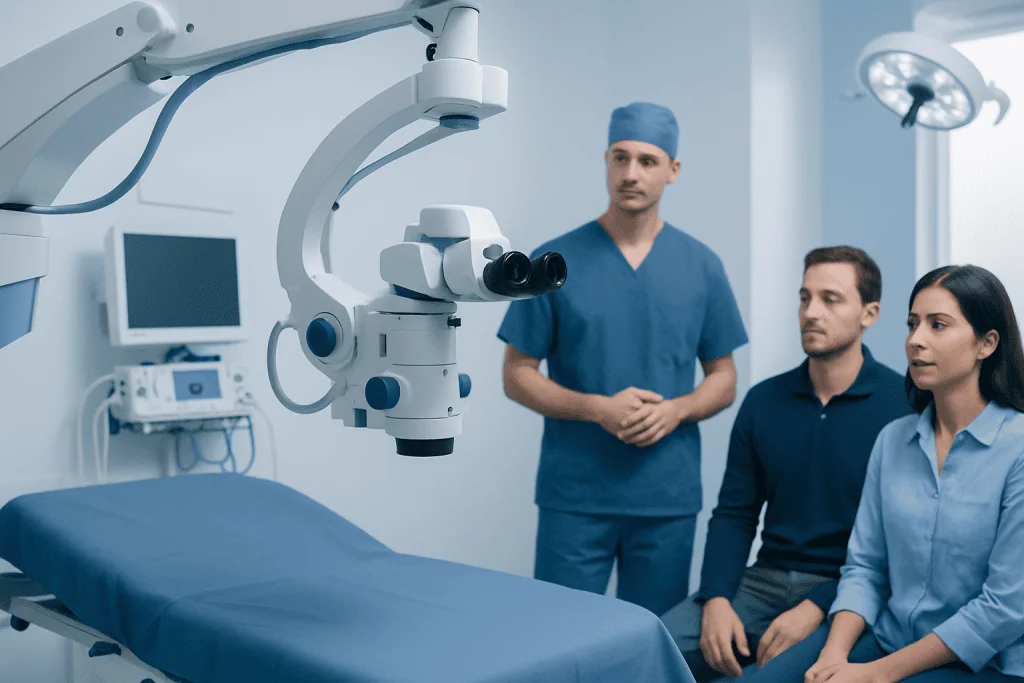
A person may be considered for glossectomy when a biopsy confirms cancer of the tongue and surgery is an appropriate way to remove it. In early cancers, a smaller partial glossectomy may be sufficient. Larger, deeper, recurrent, or more extensive cancers may require removal of more tongue tissue and sometimes surgery on lymph nodes in the neck.
Before recommending surgery, the care team considers imaging results, biopsy findings, the exact site of the tumor, whether lymph nodes appear involved, and whether there is evidence of spread elsewhere in the body. The person’s ability to tolerate anesthesia and surgery, nutritional status, dental health, smoking and alcohol use, and personal priorities are also important.
Some people receive radiotherapy, chemotherapy, immunotherapy, or a combination of treatments in addition to surgery. The recommended approach is individualized and is often discussed by a multidisciplinary head and neck cancer team that may include surgeons, medical oncologists, radiation oncologists, radiologists, pathologists, dietitians, dentists, specialist nurses, and speech and language therapists.
- Tests before surgery may include a mouth and neck examination, biopsy review, CT, MRI, PET/CT, blood tests, and an anesthesia assessment.
- A dental assessment may be advised, particularly if radiotherapy could be needed later.
- Speech and swallowing assessments can provide a helpful baseline before treatment begins.
What happens during a glossectomy?
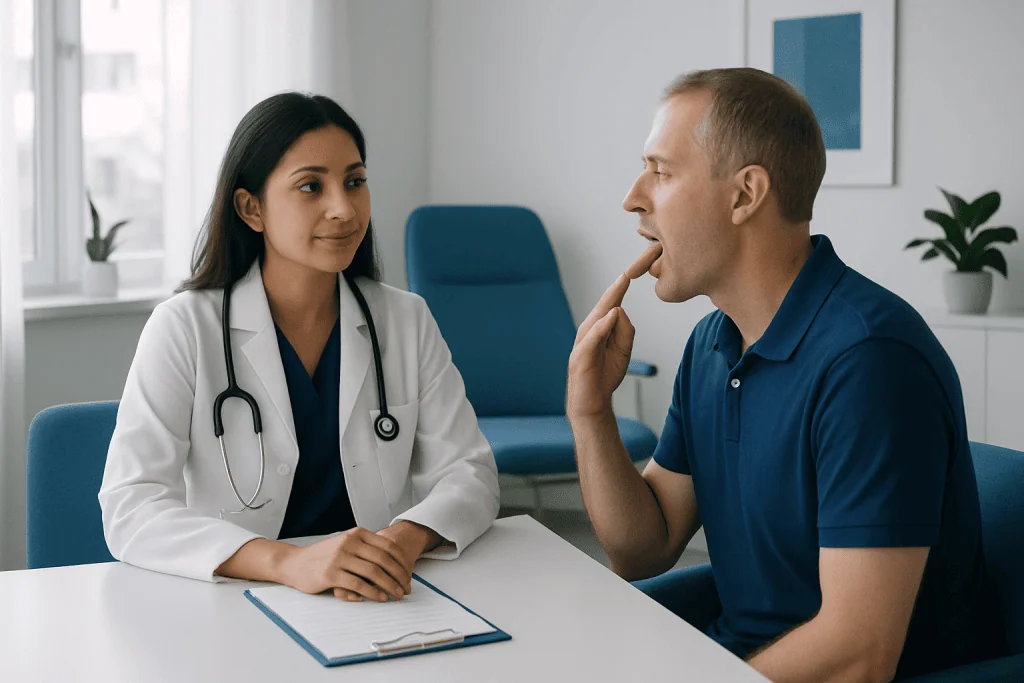
Glossectomy is performed in a hospital under general anesthesia, so the patient is asleep and does not feel the operation. The surgeon examines the tumor and removes the planned area of the tongue along with a margin of surrounding tissue. Tissue is sent to a laboratory, where a pathologist examines it to confirm the diagnosis and assess the surgical margins.
For smaller procedures, the remaining tongue may be closed directly with dissolvable stitches. When a larger area must be removed, reconstruction may be needed to restore volume and improve movement. This commonly uses tissue, skin, and small blood vessels transferred from another part of the body, such as the forearm or thigh. This is called free-flap reconstruction, and the transferred tissue is connected to blood vessels in the neck using microsurgery.
The surgeon may also perform a neck dissection to remove lymph nodes if there is a significant risk of microscopic cancer spread or if lymph nodes are known to contain cancer. Depending on swelling risk, the extent of surgery, and the reconstruction, a temporary tracheostomy may be created to support breathing. A feeding tube through the nose or directly into the stomach may be used while swallowing is not yet safe or comfortable.
The operation length varies considerably. It depends on the amount of tongue removal, whether neck surgery is necessary, and whether reconstruction is performed. Before surgery, the team explains the expected plan, possible alternatives, and the possibility that the final extent of surgery may be guided by findings during the operation.
Recovery timeline and rehabilitation
Recovery begins in the hospital, where the team monitors breathing, pain control, wound healing, hydration, nutrition, and any reconstructed tissue. After major surgery, patients may initially receive care in a higher-observation setting. Nurses and surgeons check the mouth, neck, and, if applicable, the reconstructed flap regularly.
In the first days after surgery, nutrition may be provided through a feeding tube. A speech and language therapist assesses swallowing before food or drinks are restarted by mouth. The first oral intake is often modified in texture, such as smooth or soft foods, and is advanced only when it is safe. The exact timing differs from person to person and should be guided by the treating team.
Hospital stays can range from a short admission after a small partial glossectomy to a longer stay after extensive surgery and reconstruction. In the weeks after discharge, tiredness, mouth discomfort, swelling, altered speech, changes in taste, and difficulty handling certain foods are common. Follow-up appointments monitor healing, review pathology results, and coordinate any additional cancer treatment.
Speech and swallowing rehabilitation is central to recovery. Therapy may include exercises to improve tongue and jaw movement, techniques for clearer speech, posture changes that support safer swallowing, and strategies for choosing manageable foods and fluids. Progress can continue for months, and many people find that regular practice and support from family or caregivers make adaptation easier.
Benefits, possible risks, and long-term changes
The potential benefit of glossectomy is removal of cancer or other diseased tissue. When surgery is part of cancer care, the pathology report provides important information about the tumor and can help the team decide whether further treatment is recommended. For many patients, surgery also offers a clear assessment of the removed tissue and nearby lymph nodes.
All operations carry risks, including bleeding, infection, blood clots, reactions to anesthesia, wound-healing problems, and pain. Specific risks of glossectomy include tongue swelling, changes in speech, difficulty chewing or swallowing, aspiration of food or liquid into the airway, altered taste or sensation, dental injury, and reduced tongue movement. If neck surgery is performed, shoulder stiffness, numbness, or nerve-related changes may occur.
When reconstructive surgery is used, there is a small risk that the transferred tissue may not receive enough blood supply and may need urgent treatment. A tracheostomy or feeding tube may be needed temporarily; in some circumstances, longer-term support is necessary. The team discusses these possibilities beforehand based on the planned procedure and individual circumstances.
Long-term effects are highly variable. Smaller resections may cause relatively limited changes, while larger resections can have a greater effect on understandable speech and the ability to eat a normal range of foods. Rehabilitation, nutritional support, dental care, and emotional support can help people adjust to these changes and maintain daily function.
Preparing for surgery and supporting recovery at home
Preparation often includes stopping tobacco use, limiting or avoiding alcohol, improving nutrition where possible, and discussing all medicines and supplements with the clinical team. Some medicines may need to be paused before surgery, but patients should never stop prescribed medication without medical advice. It is also helpful to arrange transport, practical help at home, and easy-to-prepare foods that match the recommended diet texture.
After discharge, mouth care is important for comfort and healing. Patients should follow the surgeon’s instructions for oral rinses, brushing, wound care, and diet. Meals may need to be smaller and more frequent, with soft, moist foods that are easier to manage. A dietitian can help ensure sufficient calories, protein, fluids, and vitamins during recovery.
It is important to attend all follow-up visits and therapy sessions. Continuing speech and swallowing exercises as advised may support recovery. Avoiding smoking and alcohol is particularly important after treatment for cancers of the mouth and throat because both can impair healing and increase the risk of future cancers.
Psychological adjustment can take time. Changes in communication, appearance, eating, and social confidence may be difficult, especially after extensive surgery. Discussing concerns with the treatment team, a counselor, a support group, or trusted relatives can be an important part of recovery. Acibadem International’s multidisciplinary specialists and JCI-accredited hospitals provide diagnosis, surgical treatment, and rehabilitation planning for international patients with head and neck conditions.
When to seek medical care
Anyone with a mouth or tongue symptom that does not heal or improve within two to three weeks should arrange a medical or dental assessment. Persistent symptoms do not always indicate cancer, but early evaluation can identify infections, trauma, inflammatory conditions, or other causes and ensure that appropriate tests are arranged when needed.
Medical assessment is particularly important for a persistent tongue ulcer, red or white patch, lump, unexplained bleeding, numbness, pain that spreads to the ear, ongoing sore throat, difficulty swallowing, unexplained weight loss, or a new neck lump. People who smoke, use smokeless tobacco, drink alcohol heavily, or have previously had head and neck cancer should be especially attentive to persistent mouth changes.
After glossectomy, patients should contact their surgical team promptly for fever, worsening pain, increasing swelling, persistent bleeding, wound discharge, signs of dehydration, inability to take prescribed nutrition, or new breathing difficulty. Sudden trouble breathing, heavy bleeding, or choking requires urgent emergency care.
Frequently asked questions
Is glossectomy the same as tongue cancer surgery?
Glossectomy is a type of tongue surgery in which part or all of the tongue is removed. It is commonly performed to treat tongue cancer, but not every person with tongue cancer needs the same type or extent of surgery. Treatment depends on the cancer’s stage, location, and other individual factors.
Can a person speak after a glossectomy?
Many people can speak after a partial glossectomy, although speech may initially sound different and may require practice. Larger operations can have a greater effect on clarity and articulation. Speech and language therapy helps patients develop techniques to communicate as effectively as possible.
Can a person eat normally after glossectomy?
Many people return to eating by mouth, particularly after smaller tongue resections, but the timeline and food choices vary. Some patients need temporary tube feeding while the mouth heals and swallowing is assessed. Soft foods, swallowing therapy, and dietitian guidance can make eating safer and more comfortable.
How long does it take to recover from glossectomy?
Initial wound healing usually takes several weeks, but functional recovery may continue for months. The timeline depends on how much tongue was removed, whether reconstruction or neck surgery was performed, and whether radiotherapy or other treatments are needed. Regular rehabilitation can support gradual progress.
Will a glossectomy require reconstructive surgery?
Not always. Small defects may be closed directly or allowed to heal in a planned way, while larger defects often benefit from reconstruction to provide tissue volume and improve function. The surgeon explains whether reconstruction is likely before the operation.
Is glossectomy painful?
Pain and mouth discomfort are expected after surgery, but the hospital team provides pain relief and adjusts it as recovery progresses. Swelling, stiffness, and tenderness generally improve over time. Patients should tell their care team if pain is worsening or not controlled by the prescribed plan.
References
- National Cancer Institute
- American Cancer Society
- National Health Service
- American Speech-Language-Hearing Association
- World Health Organization
This article is for general information only and is not a substitute for professional medical advice. Please consult a qualified doctor about your individual situation.
Oncology care in Turkey — second opinion and treatment plan
JCI-accredited · board-certified surgeons · reply within 24h
Add us as a Preferred Source to see more of our trusted health content across Google Search, AI Overviews and Discover.

More from the Health Library



Related Specialists

Asst. Prof. Dr. Deniz Demircioğlu
Dermatology
Dr. Tolga Hüner
General Surgery
Dr. Yasemin Ballıca Özen
Gynecology & Obstetrics
Fzt. Nursena Altınkaya
Physical Medicine & Rehabilitation