Fatty Infiltration of the Liver — Explained by Medical Evidence, Not Myths

Fatty infiltration of the liver is a description of excess fat in the liver, not necessarily permanent liver damage. Metabolic risk factors such as excess body weight, insulin resistance, high blood fats, and type 2 diabetes are common contributors.
Key Takeaways
- Fatty infiltration of the liver is a description of excess fat in the liver, not necessarily permanent liver damage.
- Metabolic risk factors such as excess body weight, insulin resistance, high blood fats, and type 2 diabetes are common contributors.
- Alcohol can also cause liver fat, and more than one cause may be present in the same person.
- Blood tests can be normal even when liver fat is present, so assessment considers imaging, health history, and metabolic risks.
- Gradual weight loss, regular physical activity, a balanced eating pattern, and avoiding alcohol when advised can reduce liver fat.
- Medical follow-up is important when there are abnormal liver tests, diabetes, suspected fibrosis, or symptoms of advanced liver disease.
Fatty infiltration of the liver is a common finding in which excess fat accumulates inside liver cells. It often causes no symptoms, but identifying its cause and addressing metabolic health, alcohol use, or other contributors can help prevent liver damage.
What Fatty Infiltration of the Liver Means
Fatty infiltration of the liver, also called hepatic steatosis or fatty liver, means that excess fat has accumulated within liver cells. It is commonly detected on an ultrasound scan or during blood tests, often before a person notices any symptoms. In many cases, liver fat can decrease when its underlying causes are addressed.
The liver processes nutrients, helps regulate blood sugar and fats, produces proteins, and removes certain waste products. A small amount of fat in the liver is normal. When fat becomes excessive, it may interfere with liver function over time and, in some people, lead to inflammation and scarring.
Current medical terminology increasingly uses metabolic dysfunction-associated steatotic liver disease (MASLD) for liver fat associated with cardiometabolic risk factors, such as overweight, type 2 diabetes, high blood pressure, or abnormal cholesterol and triglyceride levels. Liver fat related mainly to alcohol is considered separately, although metabolic and alcohol-related factors can overlap.
Why the Finding Matters—and What It Does Not Mean
A fatty liver finding does not automatically mean a person has severe liver disease, cirrhosis, or liver failure. Many people have simple steatosis, meaning fat is present without significant inflammation or scarring. However, some develop liver inflammation, known as steatohepatitis, which can gradually lead to fibrosis, or scar tissue.
The main purpose of evaluation is to identify who may be at risk of fibrosis. Fibrosis can progress over years, particularly when metabolic risk factors remain uncontrolled or alcohol continues to injure the liver. Advanced scarring is called cirrhosis and can impair liver function, but this is not the expected outcome for everyone with liver fat.
It is also important to look beyond the liver. MASLD is closely linked with insulin resistance, type 2 diabetes, cardiovascular disease risk, sleep apnea, and kidney disease. For this reason, a clinician may assess blood pressure, blood sugar, cholesterol, body weight, and waist circumference alongside liver health.
Symptoms and Common Ways It Is Found

Fatty infiltration of the liver often has no clear symptoms. It may be found incidentally during an abdominal ultrasound performed for another reason, on a CT or MRI scan, or after routine blood tests show raised liver enzymes such as ALT or AST.
When symptoms occur, they tend to be non-specific. Some people report tiredness, reduced energy, or mild discomfort or fullness in the upper right side of the abdomen. These symptoms can have many causes, so they do not confirm fatty liver disease on their own.
Normal liver enzyme results do not rule out liver fat or fibrosis. Conversely, mildly abnormal results do not always show how much liver damage is present. This is why clinicians interpret test results together with medical history, medication use, alcohol intake, metabolic health, and imaging findings.
Symptoms such as yellowing of the skin or eyes, abdominal swelling, vomiting blood, black stools, confusion, or unexplained easy bruising require prompt medical assessment. They may indicate significant liver disease or another serious condition and should not be attributed to fatty liver without evaluation.
Causes and Risk Factors: Separating Evidence From Myths
The most frequent cause is metabolic dysfunction. Excess calorie intake, especially when paired with low physical activity and insulin resistance, can increase the delivery and production of fat in the liver. Risk is higher in people with central weight gain, prediabetes or type 2 diabetes, high triglycerides, low HDL cholesterol, or high blood pressure.
Alcohol is another important cause of liver fat. The effect varies between individuals and is influenced by the amount and pattern of drinking, sex, genetics, nutritional status, obesity, and other health conditions. A person can have both metabolic risk factors and alcohol-related liver injury, so an open and accurate discussion about alcohol is useful for safe care.
Less common contributors include certain medicines, rapid weight loss, severe malnutrition, some inherited metabolic conditions, and other liver diseases. A clinician may also test for viral hepatitis, autoimmune liver disease, iron overload, or other conditions when the history or test results suggest them.
A common myth is that fatty liver affects only people who drink alcohol or who have a larger body size. In reality, it can occur in people who do not drink and in people at a weight considered healthy, especially when they have diabetes, genetic susceptibility, changes in body fat distribution, or high blood fats. Another myth is that a “detox” can remove liver fat; there is no evidence that commercial detox products reverse fatty liver, and some supplements can harm the liver.
How Doctors Assess Liver Fat and Scarring
Assessment usually begins with a medical history and examination. A doctor will ask about alcohol intake, diet, physical activity, weight changes, medicines and supplements, family history, and conditions such as diabetes, high cholesterol, thyroid disease, or sleep apnea. Blood tests may check liver enzymes, bilirubin, blood count, blood sugar, cholesterol, triglycerides, and markers of other liver conditions.
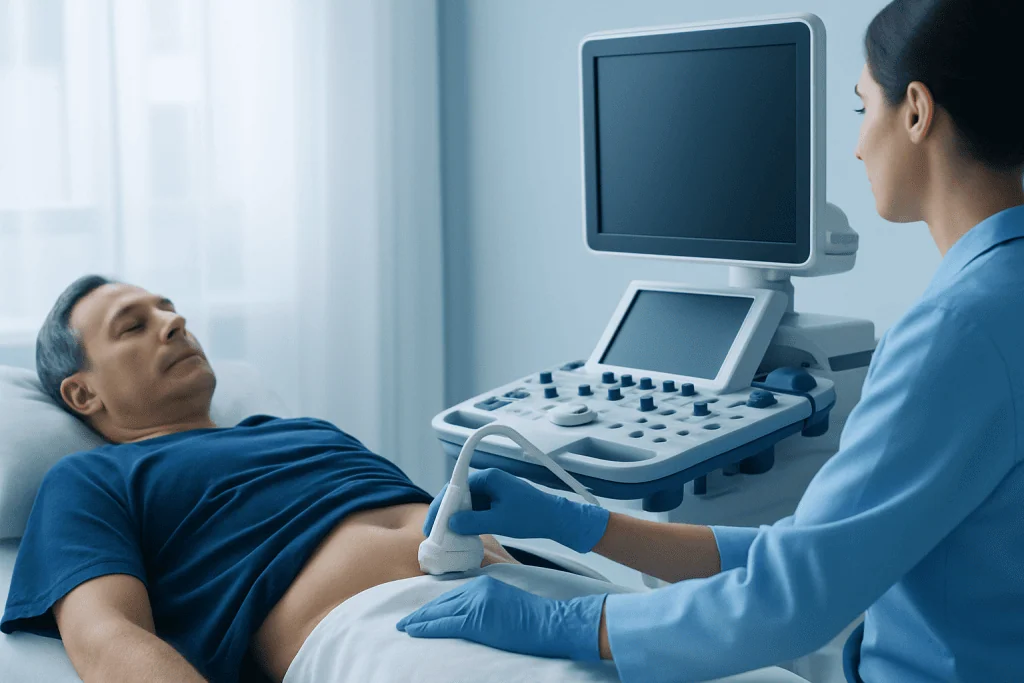
Ultrasound is commonly used to detect moderate or greater amounts of liver fat. It is painless and widely available, but it does not precisely measure inflammation or early fibrosis. More specialized methods, including transient elastography and MRI-based techniques, may estimate liver stiffness and fat content more accurately.
Doctors may use blood-test calculations, such as fibrosis risk scores, to identify people who need further testing or referral to a liver specialist. A liver biopsy is not needed for everyone. It may be considered when the diagnosis is uncertain or when knowing the degree of inflammation and fibrosis would change treatment decisions.
Regular monitoring is individualized. People with diabetes, multiple metabolic risk factors, persistent abnormal liver tests, or possible fibrosis generally need closer follow-up than those with isolated liver fat and low fibrosis risk.
Treatment: Addressing the Cause and Protecting the Liver
There is no single treatment that is right for every person with fatty liver. Care focuses on reducing liver fat, preventing fibrosis, and managing the conditions that contribute to it. For people with MASLD, gradual and sustainable weight loss, when appropriate, is one of the most effective approaches. Even modest weight reduction can improve liver fat, while greater sustained weight loss may improve inflammation and fibrosis in some individuals.
A balanced eating pattern is more helpful than a restrictive “liver cleanse.” Many clinicians recommend meals built around vegetables, fruits, legumes, whole grains, nuts, lean proteins, and unsaturated fats, while reducing highly processed foods, sugar-sweetened drinks, refined carbohydrates, and foods high in saturated fat. A Mediterranean-style eating pattern is often a practical option for metabolic and cardiovascular health.
Regular activity can reduce liver fat even when body weight changes little. Both aerobic exercise, such as brisk walking or cycling, and strength training can be useful. The most suitable plan depends on a person’s mobility, fitness, other health conditions, and preferences, so it should be realistic and gradual.
Doctors may prescribe or adjust treatment for diabetes, high cholesterol, high triglycerides, obesity, or high blood pressure. Medicines should not be stopped or started without clinical guidance. If alcohol is contributing to liver disease, reducing or stopping alcohol is important; for people with liver inflammation or fibrosis, complete avoidance may be advised.
Prevention, Self-Care, and When to Seek Medical Care
Helpful self-care starts with achievable habits rather than quick fixes. A person can aim for regular movement, adequate sleep, balanced meals, gradual changes in portion size, and routine management of diabetes, blood pressure, and cholesterol. Avoiding unregulated herbal products or supplements marketed for “liver cleansing” is sensible unless a qualified clinician confirms they are appropriate.
It is advisable to arrange a routine medical appointment if imaging has shown fatty liver, liver blood tests remain abnormal, or there are risk factors such as type 2 diabetes, obesity, high triglycerides, or regular alcohol use. A clinician can determine whether further fibrosis assessment or specialist review is needed.
Medical care should be sought promptly for jaundice, new swelling of the legs or abdomen, severe or persistent abdominal pain, vomiting blood, black stools, confusion, or marked sleepiness. These symptoms are not common in simple fatty liver, but they need timely assessment.
For international patients who need coordinated evaluation, Acibadem International’s multidisciplinary specialists and JCI-accredited hospitals diagnose and treat liver conditions while considering metabolic health and individual risk factors.
Frequently asked questions
Is fatty infiltration of the liver reversible?
In many cases, liver fat can be reduced and may resolve when contributing factors are addressed. Gradual weight loss where appropriate, regular physical activity, improved metabolic control, and avoiding alcohol when advised are central measures. The outlook depends on whether inflammation or fibrosis is also present.
Does fatty liver always cause abnormal liver blood tests?
No. Some people with fatty liver have normal liver enzyme levels, including people who have fibrosis. Blood tests are useful, but doctors consider them alongside imaging, risk factors, and sometimes specialized fibrosis testing.
Can a person who does not drink alcohol develop fatty liver?
Yes. Metabolic dysfunction-associated steatotic liver disease is common in people who drink little or no alcohol. It is associated with insulin resistance, type 2 diabetes, excess abdominal fat, high triglycerides, and other cardiometabolic factors.
What foods should be avoided with fatty liver?
There is no single prohibited food list, but reducing sugar-sweetened beverages, highly processed foods, refined carbohydrates, and foods high in saturated fat can be helpful. A sustainable eating pattern emphasizing vegetables, fiber-rich foods, lean proteins, and unsaturated fats is generally recommended. Individual dietary needs should be discussed with a clinician or registered dietitian.
Can alcohol be consumed if fatty liver is present?
This depends on the likely cause of liver fat and whether there is liver inflammation or fibrosis. Because alcohol can worsen liver injury and can overlap with metabolic fatty liver, discussing alcohol use honestly with a doctor is important. Some people, particularly those with significant liver disease, may be advised to avoid alcohol completely.
How is fibrosis in fatty liver checked?
Doctors may begin with blood tests and fibrosis risk scores, then use non-invasive tests such as transient elastography to estimate liver stiffness. MRI-based tests may also be used in selected cases. A liver biopsy is reserved for situations where the diagnosis or stage of disease remains unclear or would alter management.
References
- American Association for the Study of Liver Diseases
- European Association for the Study of the Liver
- National Institute of Diabetes and Digestive and Kidney Diseases
- World Health Organization
- American Gastroenterological Association
This article is for general information only and is not a substitute for professional medical advice. Please consult a qualified doctor about your individual situation.
Explore treatments in Turkey — costs, top hospitals & a free quote
JCI-accredited · board-certified surgeons · reply within 24h
Add us as a Preferred Source to see more of our trusted health content across Google Search, AI Overviews and Discover.
Check your numbers in seconds
BMI, calories, due date, blood pressure and 30+ more clinical calculators — free, instant, doctor-reviewed ranges.

More from the Health Library



Related Specialists

Büşra Zeybek
Physical Medicine & Rehabilitation
Assoc. Prof. Dr. Murat Kiraz
Neurosurgery
Prof. Dr. S. Sami Kartı
Hematology
Prof. Dr. M.Faruk Köse
Gynecology & Obstetrics