Septorhinoplasty: How It Works, Recovery, and What to Expect

Septorhinoplasty combines septoplasty, which addresses a deviated septum, with rhinoplasty, which changes the nose’s external structure. It may be recommended for people with persistent nasal blockage, breathing difficulty, nasal deformity after injury, or concerns about nasal shape.
Key Takeaways
- Septorhinoplasty combines septoplasty, which addresses a deviated septum, with rhinoplasty, which changes the nose’s external structure.
- It may be recommended for people with persistent nasal blockage, breathing difficulty, nasal deformity after injury, or concerns about nasal shape.
- The procedure is usually performed under general anesthesia and may be done through an open or closed approach.
- Bruising and most visible swelling generally improve during the first two to three weeks, but subtle swelling can continue for months.
- Possible risks include bleeding, infection, uneven healing, persistent breathing symptoms, changes in sensation, and the potential need for revision surgery.
- A specialist assessment is important to identify whether nasal obstruction is caused by the septum, nasal valves, turbinates, allergies, sinus conditions, or a combination of factors.
Septorhinoplasty is an operation that straightens the nasal septum while reshaping the outer nose, often to improve airflow as well as appearance. Recovery is gradual: early swelling and congestion usually improve within weeks, while the final nasal shape may take up to a year to settle.
What is septorhinoplasty?
Septorhinoplasty is a surgical procedure that combines two related operations. Septoplasty corrects the nasal septum, the internal wall of cartilage and bone that divides the nose into right and left passages. Rhinoplasty reshapes the outside of the nose. Together, these techniques can be used to improve nasal breathing, correct a nose that has changed after injury, and address concerns about nasal size, profile, tip, symmetry, or proportion.
A deviated septum is common and does not always require treatment. However, when the deviation substantially narrows one or both nasal passages, a person may experience ongoing blockage, mouth breathing, sleep disruption, exercise-related breathing difficulty, or recurrent crusting and nosebleeds. Septorhinoplasty may also address narrowing in the nasal valve area, which is an important part of the airway near the middle of the nose.
Although the procedure can improve both function and appearance, these are separate goals that need careful planning. A surgeon aims to create a nose that supports effective airflow while respecting the person’s facial features, skin thickness, nasal anatomy, and realistic preferences. The final outcome develops gradually as swelling resolves and tissues heal.
Who may be a candidate?
Septorhinoplasty may be considered for adults with nasal obstruction related to a deviated septum, collapse or narrowing of the nasal valves, or an external nasal deformity. It may also be an option after a nasal fracture has healed in an altered position. People seeking cosmetic changes may choose the procedure when they also have structural concerns affecting breathing.
Before recommending surgery, a qualified ear, nose, and throat surgeon or facial plastic surgeon reviews symptoms, medical history, previous nasal procedures, injuries, medications, allergies, and expectations. The examination may include looking inside the nose, assessing airflow, checking the skin and nasal framework, and taking standardized photographs for surgical planning. In selected cases, nasal endoscopy or imaging may help evaluate other causes of symptoms.
Good candidates are generally in good overall health, do not smoke or are willing to stop before and after surgery, and understand that perfect symmetry cannot be guaranteed. Surgery is often delayed in younger people until nasal growth is largely complete, except when severe obstruction or trauma makes earlier treatment necessary. Active nasal or sinus infection, uncontrolled medical conditions, or unrealistic expectations may need to be addressed before surgery.
How the procedure works step by step
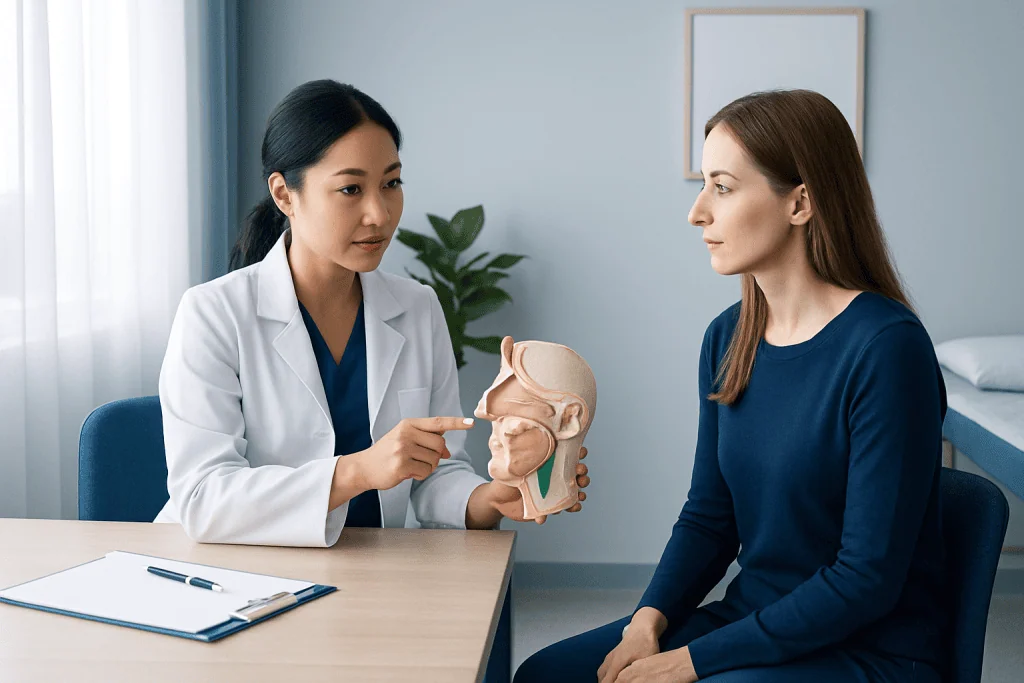
Septorhinoplasty is commonly performed under general anesthesia, meaning the patient is asleep and closely monitored throughout the operation. The surgical plan is individualized. It may involve straightening the septum, removing or repositioning small areas of bent cartilage or bone, and preserving enough structural support to maintain the shape and stability of the nose.
The surgeon may use a closed approach, with incisions placed inside the nostrils, or an open approach, which includes a small incision across the columella, the strip of skin between the nostrils. An open approach can provide a wider view of the nasal framework and may be helpful for more complex reshaping or revision surgery. The choice of approach depends on the anatomy and the planned changes, rather than one method being universally better.
To improve breathing, the operation may include correction of the septum and reinforcement of weak areas using carefully shaped cartilage grafts. Cartilage is often taken from the septum itself; when more support is needed, cartilage from the ear or, less commonly, a rib may be considered. External changes can include refining the tip, straightening the bridge, adjusting a hump, narrowing or widening selected areas, or correcting asymmetry.
At the end of surgery, the incisions are closed and a splint may be placed on the outside of the nose. Some patients have soft internal splints or silicone supports, while others do not require packing. The procedure duration varies according to the complexity of the breathing and reshaping work. The surgeon provides specific instructions for the first days at home before discharge.
Benefits, limits and possible risks
The potential functional benefit of septorhinoplasty is more open nasal airflow. People may notice less blockage, reduced dependence on mouth breathing, improved comfort during activity, and better sleep quality when nasal obstruction was contributing to symptoms. Cosmetic benefits may include a straighter nose, improved balance between nasal features and the face, or correction of changes caused by an injury.
Results depend on the underlying cause of obstruction. For example, allergies can still cause nasal swelling after surgery, and chronic sinus disease may require separate assessment and treatment. Septorhinoplasty also cannot create exact facial symmetry. A careful consultation helps define what is surgically achievable and identifies whether non-surgical management, such as treatment for allergies, may still be needed.
As with any operation, there are possible complications. These include bleeding, infection, prolonged swelling, bruising, scarring, discomfort, temporary numbness, altered skin sensation, changes in smell, and reactions to anesthesia. Less common risks include a septal perforation, persistent or recurrent obstruction, asymmetry, contour irregularities, skin healing problems, or changes that make additional surgery necessary.
Revision surgery is not routinely needed, but it may be considered if healing produces a meaningful functional or aesthetic concern. Because scar tissue and swelling change gradually, surgeons usually allow adequate healing time before deciding whether further intervention is appropriate, unless there is an urgent complication.
Septorhinoplasty recovery timeline
During the first several days, the nose commonly feels blocked because of swelling, dried blood, and internal supports if used. Mild pain, pressure, tiredness, and bruising around the eyes can occur. The care team may recommend resting with the head elevated, applying cool compresses around rather than directly on the nose, taking prescribed or recommended pain relief, and avoiding nose blowing.
An external splint is often removed at about one week, though timing differs by surgical plan. If internal splints are used, they are typically removed during an early follow-up visit. Many people feel ready to return to desk-based work or school within one to two weeks, but visible bruising and swelling may take longer to fade. Strenuous exercise, heavy lifting, contact sports, swimming, and situations where the nose could be bumped should be avoided for the period advised by the surgeon.
Breathing may improve soon after internal swelling decreases, but it can fluctuate during the healing process. Most noticeable swelling settles over the first few weeks to months. The nasal tip, especially in people with thicker skin or after extensive tip work, may take longer to refine. It can take approximately 12 months, and occasionally longer, for the final contour to become apparent.
Follow-up appointments are an important part of recovery. They allow the surgeon to monitor healing, gently remove crusting if needed, review saline care, and answer questions. Patients should follow their own surgical team’s instructions, as aftercare can vary according to the techniques used and whether additional procedures were performed.
Preparing for surgery and supporting healing
Preparation begins with an open discussion of symptoms and goals. Patients should tell the surgical team about all medications, supplements, smoking or nicotine use, bleeding problems, prior nasal surgery, and any history of poor wound healing. The team may advise stopping certain medicines or supplements that can increase bleeding risk, but no prescribed medicine should be stopped without guidance from the clinician who manages it.
Smoking, vaping, and other nicotine products can reduce blood flow and interfere with wound healing. Avoiding them before and after surgery is an important safety measure. It is also helpful to arrange transport home, practical support during the first day or two, and time away from physically demanding work. A person should not drive after anesthesia or while taking sedating pain medication.
After surgery, gentle saline sprays or rinses may help keep the nasal lining moist and reduce crusting when recommended by the surgeon. Patients should avoid picking at the nose, forceful sneezing where possible, and wearing glasses directly on the nasal bridge until cleared to do so. If a sneeze occurs, it is often more comfortable to sneeze with the mouth open to reduce pressure inside the nose.
Acibadem International’s multidisciplinary specialists and JCI-accredited hospitals assess and treat nasal breathing and structural concerns for international patients. A personalized evaluation can clarify whether septorhinoplasty, septoplasty alone, or non-surgical treatment best matches the individual’s needs.
When to seek medical care
Anyone with persistent nasal blockage, breathing difficulty through one or both sides of the nose, repeated nosebleeds, a visibly crooked nose after an injury, or symptoms that interfere with sleep and daily activities should arrange a medical assessment. Nasal obstruction can have several causes, and an examination is needed to determine whether a septal deviation is responsible.
After septorhinoplasty, patients should contact their surgical team promptly if they have heavy or persistent bleeding, fever, worsening pain that is not controlled by the recommended plan, increasing redness or swelling, pus-like drainage, shortness of breath, or a new visual problem. These symptoms do not always indicate a serious complication, but they should be evaluated without delay.
Urgent medical care is appropriate after any significant injury to the nose, particularly when there is uncontrolled bleeding, clear watery drainage after head trauma, severe headache, confusion, vision changes, or difficulty breathing. Early assessment after trauma may help identify injuries that need timely treatment.
Frequently asked questions
Is septorhinoplasty the same as rhinoplasty?
No. Rhinoplasty focuses on changing the external shape or structure of the nose, while septoplasty corrects the internal septum. Septorhinoplasty combines both procedures and may address breathing concerns and appearance in the same operation.
How painful is septorhinoplasty recovery?
Most people describe pressure, congestion, tenderness, and tiredness rather than severe pain. Discomfort is usually most noticeable in the first few days and can often be managed with the care plan provided by the surgeon. Individual experiences vary according to the extent of surgery and personal pain sensitivity.
How long will my nose stay swollen after septorhinoplasty?
The greatest swelling usually improves during the first few weeks, although the nose may still look different from its final shape. More subtle swelling can remain for several months, particularly around the tip. Final refinement commonly takes about a year.
Will septorhinoplasty permanently improve breathing?
Septorhinoplasty can provide lasting improvement when obstruction is caused by correctable structural issues such as a deviated septum or weak nasal valves. However, allergies, inflammation, sinus conditions, and future injury can still affect nasal breathing. A preoperative assessment helps identify all contributing factors.
Can septorhinoplasty be done after a broken nose?
Yes. It may be used to correct breathing problems or shape changes that remain after a nasal fracture. The appropriate timing depends on the injury, how long ago it occurred, and whether swelling has settled, so assessment by a specialist is important.
Are scars visible after septorhinoplasty?
With a closed approach, incisions are inside the nostrils. With an open approach, there is a small incision on the columella between the nostrils; it usually heals into a subtle scar. Scar appearance varies with skin type, healing, surgical technique, and aftercare.
References
- American Academy of Otolaryngology–Head and Neck Surgery
- American Society of Plastic Surgeons
- Mayo Clinic
- National Health Service
- Cleveland Clinic
This article is for general information only and is not a substitute for professional medical advice. Please consult a qualified doctor about your individual situation.
Rhinoplasty in Turkey — costs, top hospitals & a free quote
JCI-accredited · board-certified surgeons · reply within 24h
Add us as a Preferred Source to see more of our trusted health content across Google Search, AI Overviews and Discover.

More from the Health Library



Related Specialists
Dr. Dilara Akman
Infectious Diseases & Clinical Microbiology
Pdg. Yaren Kavlak
Podiatry & Foot Health
Dr. Armağan Özel
General Surgery
Dr. Alihan Özcan
Gynecology & Obstetrics