Glabellar Lines: A Complete Medical Overview

Glabellar lines form between the eyebrows and are commonly called frown lines or “11 lines.” Repeated contraction of the brow muscles can make temporary expression lines become visible at rest over time.
Key Takeaways
- Glabellar lines form between the eyebrows and are commonly called frown lines or “11 lines.”
- Repeated contraction of the brow muscles can make temporary expression lines become visible at rest over time.
- Sun protection, avoiding smoking, and a consistent skin-care routine may help limit premature skin aging.
- Clinicians may recommend topical skin treatments, injectable neuromodulators, fillers, energy-based procedures, or surgery depending on the individual concern.
- A sudden change in facial movement, eyelid position, vision, or sensation should be assessed medically rather than assumed to be a cosmetic issue.
Glabellar lines are the vertical or angled lines that develop between the eyebrows, often becoming more visible when a person frowns, concentrates, or squints. They are a common cosmetic concern related to repeated facial movement, natural skin aging, sun exposure, and individual skin characteristics.
Overview: What Are Glabellar Lines?
Glabellar lines are wrinkles that appear in the area between the eyebrows, known anatomically as the glabella. They may look like two vertical lines, a single deeper vertical crease, or a pattern of angled lines. Because they can resemble the number 11, they are often called “11 lines,” frown lines, or worry lines.
At first, these lines may only be seen during facial expressions such as frowning, concentrating, reading, or reacting to bright light. With time, repeated movement and changes in the skin’s structure can make the lines remain visible even when the face is relaxed. This is a normal part of facial aging and does not, by itself, indicate an underlying health problem.
Some people notice glabellar lines earlier than others. Facial anatomy, muscle strength, inherited skin traits, sun exposure, smoking, and skin-care habits all influence when lines develop and how pronounced they become. Treatment is optional and usually focuses on softening the appearance of lines while preserving natural facial expression.
How Glabellar Lines Form
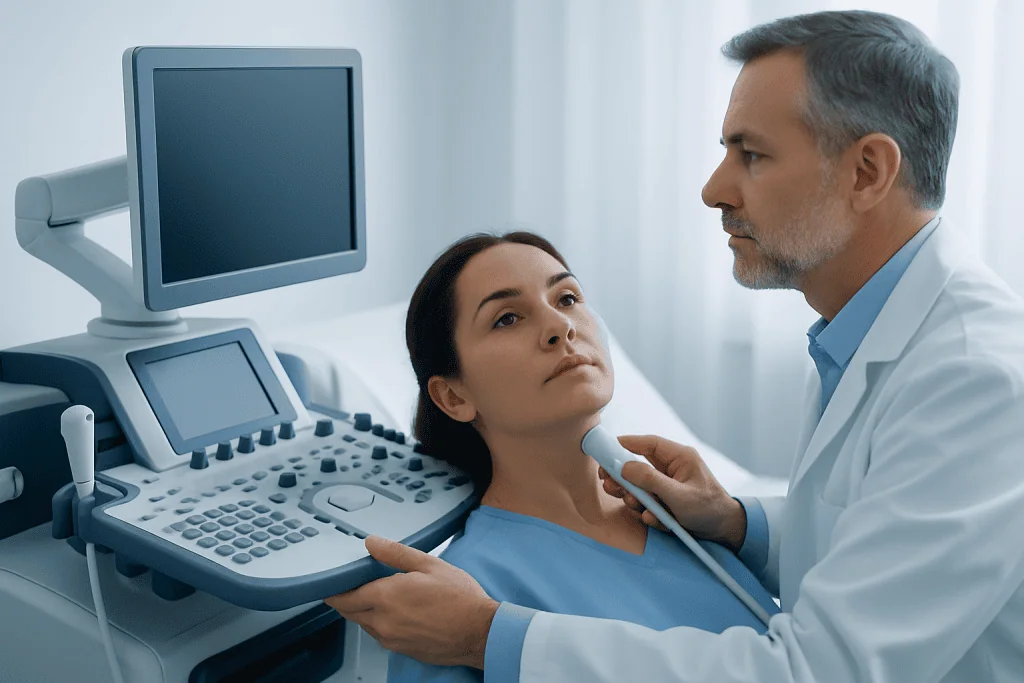
The skin between the eyebrows moves repeatedly because of several facial muscles, especially the corrugator supercilii and procerus muscles. These muscles draw the eyebrows inward or downward during frowning, concentration, or squinting. In younger skin, collagen, elastin, and hyaluronic acid help the skin return smoothly to its previous shape after movement.
Over the years, the skin gradually becomes thinner and less elastic, while its natural moisture support declines. Repeated folding in the same location can then create etched-in creases. These are often described as dynamic lines when they occur mainly with movement and static lines when they are also present at rest.
Glabellar lines are not caused by one emotion or personality trait. Although they are casually called worry lines, people can develop them regardless of whether they feel stressed or worried. However, frequent squinting caused by uncorrected vision problems or sensitivity to light may increase brow movement and make the lines more noticeable.
Factors That Can Make Frown Lines More Noticeable

Natural aging is the main contributor to persistent glabellar lines. The body produces less collagen and elastin over time, and cumulative environmental exposure affects skin quality. Genetics also play an important role: some people naturally have stronger brow muscles, more expressive facial movement, or skin that develops wrinkles earlier.
Ultraviolet radiation from the sun or tanning devices accelerates visible skin aging by damaging collagen and elastin. Smoking can further impair skin repair and circulation. Repeated squinting, frequent brow tension, dehydration of the skin surface, and inconsistent sun protection may also contribute to a more lined appearance.
Factors associated with glabellar lines may include:
- Regular facial expressions involving frowning or eyebrow contraction
- Sun exposure without broad-spectrum sunscreen
- Smoking or exposure to tobacco smoke
- Dry, irritated, or poorly protected skin
- Vision strain, glare, or habitual squinting
- Individual facial structure, skin tone, and genetic tendency
These factors do not mean a person has done anything wrong. They can help guide realistic prevention and treatment choices, but they cannot fully prevent normal skin aging.
Clinical Assessment and Treatment Planning
A dermatologist, plastic surgeon, or other qualified clinician can assess glabellar lines by examining the face at rest and during expressions. The assessment considers the depth and direction of the lines, brow position, eyelid anatomy, skin quality, facial symmetry, medical history, and the person’s goals. Photographs may be used for planning and to document change over time.
It is important to distinguish expression-related lines from concerns that may affect function. For example, a drooping eyelid, a change in eyebrow position, facial weakness, numbness, or visual symptoms needs an appropriate medical evaluation. A clinician may also ask about previous cosmetic procedures, allergies, medications, pregnancy or breastfeeding status, neuromuscular conditions, and bleeding risk before recommending treatment.
The most suitable plan depends on whether the lines are mainly dynamic, established at rest, or accompanied by loose skin or changes in brow position. A careful, individualized approach is especially important in the glabellar area because it is close to the eyes and contains important blood vessels.
Treatment Options for Glabellar Lines
For dynamic glabellar lines, injectable neuromodulators are commonly used to temporarily reduce the activity of selected brow muscles. This can soften frown lines and help prevent repeated creasing while the treatment is active. Effects are temporary, and treatment should be performed by a trained, licensed medical professional who understands facial anatomy and can discuss expected results and potential side effects.
When lines remain visible at rest, clinicians may suggest approaches that support skin texture and collagen remodeling. Depending on the individual, options can include prescription topical retinoids, chemical peels, microneedling, laser or other energy-based resurfacing procedures, and selected skin-care products. These treatments may improve fine lines and skin quality gradually, but they do not produce identical results for everyone.
Dermal fillers may be considered in carefully selected cases for deeper static creases, often after muscle movement has been addressed. However, filler injections in the glabellar region require particular caution because of the area’s vascular anatomy. Surgical brow or forehead procedures are generally reserved for people with significant brow descent, excess skin, or other structural concerns rather than isolated fine lines.
No treatment permanently stops the aging process. A qualified clinician can explain the likely benefits, recovery needs, limitations, and risks of each option, helping the person choose a plan that matches their health status and desired degree of change.
Prevention and Everyday Skin Care
Glabellar lines cannot always be prevented, but daily habits can help protect skin and reduce factors that accelerate visible aging. Broad-spectrum sunscreen with an SPF of 30 or higher should be applied to exposed skin each day and reapplied as directed when outdoors. Sunglasses and a wide-brimmed hat can further reduce ultraviolet exposure and may help decrease squinting in bright conditions.
A gentle routine that includes cleansing, moisturizing, and sun protection supports the skin barrier. Some people may benefit from ingredients such as retinoids, vitamin C, niacinamide, or peptides, although product choice should reflect skin sensitivity and existing conditions. Retinoids can cause irritation and are not appropriate for everyone, including people who are pregnant or planning pregnancy; professional guidance is useful.
Stopping smoking, maintaining good general health, sleeping adequately, and avoiding tanning devices can support overall skin health. If a person regularly squints to see clearly, an eye examination and updated corrective lenses may be helpful. Facial exercises and massage are sometimes promoted for wrinkles, but evidence that they reliably reduce glabellar lines is limited.
When to Seek Medical Care
Glabellar lines alone usually do not require medical care. A person may choose to consult a dermatologist or qualified aesthetic clinician when lines cause concern, when over-the-counter products irritate the skin, or when they would like a professional assessment of safe options. It is best to avoid injections or invasive cosmetic procedures from unlicensed providers or non-medical settings.
Medical assessment should be sought promptly if there is sudden facial weakness, new numbness, a drooping eyelid, difficulty speaking, severe headache, new vision changes, or a marked change in facial symmetry. These symptoms are not typical effects of ordinary frown lines and may need urgent evaluation.
For international patients considering treatment, Acibadem International’s multidisciplinary specialists and JCI-accredited hospitals can assess facial skin concerns and discuss appropriate options. A consultation should include clear information about the practitioner’s qualifications, the expected duration of results, possible adverse effects, and aftercare needs.
Frequently asked questions
Are glabellar lines the same as forehead lines?
No. Glabellar lines appear between the eyebrows and are usually related to frowning or drawing the brows together. Forehead lines tend to run horizontally across the forehead and are often linked to raising the eyebrows.
Can glabellar lines disappear naturally?
Early expression lines may be less noticeable when the face is relaxed, especially when the skin is well hydrated and protected from the sun. Lines that are present at rest usually do not disappear completely on their own, although treatment and skin-care measures may soften their appearance.
At what age do glabellar lines usually appear?
There is no single age at which they begin. Some people notice expression lines in their 20s or 30s, while others develop visible lines later. Genetics, facial movement, sun exposure, smoking, and skin characteristics all affect timing.
Are injectable treatments for frown lines safe?
When appropriately selected and administered by a qualified medical professional, injectable treatments are widely used. They still have possible side effects, including bruising, temporary asymmetry, eyelid or brow drooping, and rare complications, so an individual assessment is important.
Can skin-care products treat deep glabellar lines?
Skin-care products can improve hydration, texture, and some fine lines, particularly when they include sunscreen and evidence-based ingredients. Deep lines caused by repeated muscle movement or structural changes usually require professional treatment if a person wants a more noticeable improvement.
Should a person see a doctor for sudden lines between the eyebrows?
Wrinkles typically develop gradually, so sudden facial changes should not be assumed to be cosmetic. New weakness, numbness, vision problems, eyelid drooping, severe headache, or trouble speaking requires prompt medical evaluation.
This article is for general information only and is not a substitute for professional medical advice. Please consult a qualified doctor about your individual situation.
Explore treatments in Turkey — costs, top hospitals & a free quote
JCI-accredited · board-certified surgeons · reply within 24h
Add us as a Preferred Source to see more of our trusted health content across Google Search, AI Overviews and Discover.

More from the Health Library

Blood Sugar Complex — Explained by Medical Evidence, Not Myths

Bifidobacterium Infantis — Explained by Medical Evidence, Not Myths

Coronary Arteries — Explained by Medical Evidence, Not Myths

Mepron — Explained by Medical Evidence, Not Myths

Non Comedogenic Moisturizer: An Evidence-Based Guide for Patients