Cold Water — Explained by Medical Evidence, Not Myths

Cold water is generally safe for most healthy people to drink and use, but very cold exposure can strain the body. Short cold water immersion may help some people feel more alert or recover after exercise, but evidence is mixed and benefits are not universal.
Key Takeaways
- Cold water is generally safe for most healthy people to drink and use, but very cold exposure can strain the body.
- Short cold water immersion may help some people feel more alert or recover after exercise, but evidence is mixed and benefits are not universal.
- Sudden immersion in cold water can trigger cold shock, breathing difficulty, and dangerous drops in body temperature.
- People with heart disease, asthma, poor circulation, or certain nerve conditions should be especially cautious with cold exposure.
- Signs such as confusion, uncontrolled shivering, chest pain, or trouble breathing need prompt medical attention.
Cold water can support cooling, exercise recovery, and everyday hydration, but its effects depend on temperature, exposure time, and a person's health. Medical evidence shows that cold water is not inherently harmful or magical—it can be helpful in some situations and risky in others.
Overview: what medical evidence says about cold water
Cold water is often discussed as either a cure-all or something to avoid, but medical evidence supports a more balanced view. In everyday life, cold water can simply mean cool drinking water, cold showers, swimming in cold conditions, or intentional cold water immersion for recovery or wellness. Its effects vary widely depending on how cold the water is, how long exposure lasts, and the person’s age, health, and fitness.
Drinking cold water is usually safe for healthy people and can be a comfortable way to stay hydrated, especially in warm weather or after activity. There is no strong evidence that cold water directly causes colds or infections. At the same time, ice-cold drinks may briefly feel uncomfortable for some people, especially those with sensitive teeth, migraine triggered by cold, or certain digestive symptoms.
External exposure is more complex. Brief contact with cold water may increase alertness and can be part of sports recovery or supervised therapy. However, immersion in very cold water can rapidly stress the heart, lungs, skin, nerves, and muscles. This is why claims about cold water should be separated into specific situations rather than treated as universally good or bad.
How cold water affects the body
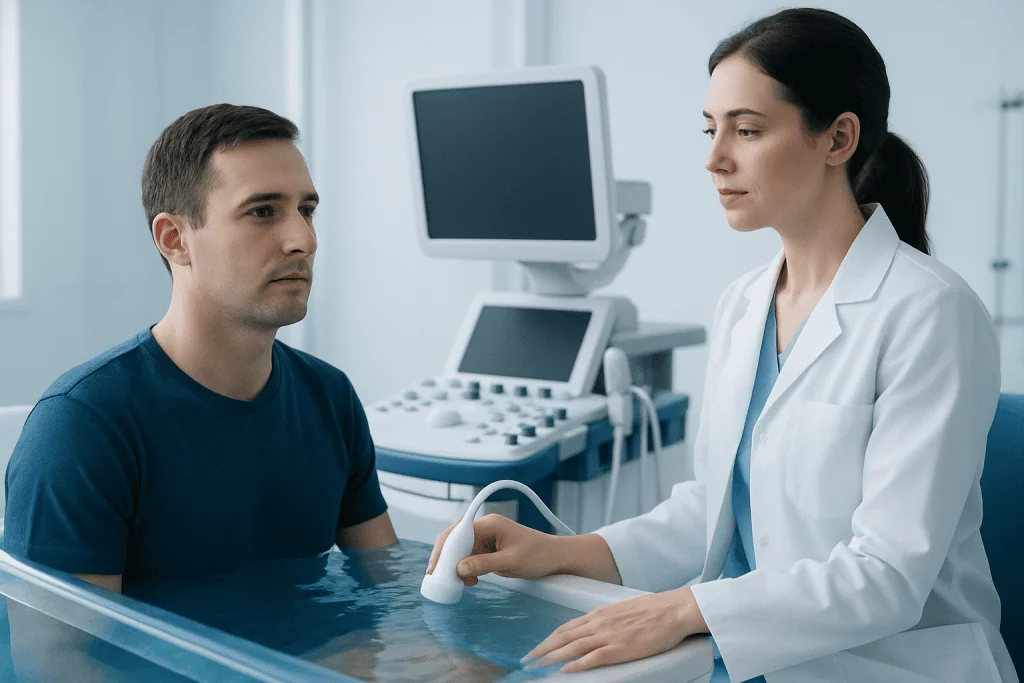
When cold water touches the body, blood vessels near the skin tend to narrow. This helps conserve heat but can also make the hands, feet, and skin feel numb or painful. Heart rate, breathing pattern, and blood pressure may change quickly, especially during sudden immersion. The colder the water and the larger the exposed body surface, the stronger these effects can be.
Cold water can also influence the nervous system. Some people feel mentally refreshed after a cool shower or brief cold swim, likely because of increased alertness and a stress-response surge. This does not mean cold water treats fatigue, depression, or chronic illness on its own. Any effect on mood or energy is typically short-term and should not replace medical care.
Muscles and joints may respond differently depending on timing. After hard exercise, cold exposure may reduce soreness or the sensation of inflammation in some people. But if used immediately before certain forms of strength or skill training, it may temporarily reduce muscle performance or flexibility. In daily life, this means cold water is a tool with context-dependent effects rather than a one-size-fits-all health practice.
Potential benefits of cold water

Cold water may offer practical benefits in a few common situations. For hydration, many people find cold water more pleasant to drink, which may help them drink enough fluids during heat or exercise. For body cooling, cool or cold water can help lower skin temperature and improve comfort after being in a hot environment. In sports settings, structured cold water immersion is sometimes used for recovery after intense activity.
Research on recovery suggests that cold exposure may reduce perceived muscle soreness in some athletes, particularly after repeated or demanding exercise. The benefit appears to be modest and varies between individuals and training goals. It is not essential for recovery, and it is not always ideal after every workout, especially when long-term strength adaptation is the main goal.
Cold water can also play a role in first aid and symptom management. Cool running water is recommended for minor thermal burns because it can limit ongoing heat injury to the skin. In contrast, ice or ice water should not be applied directly to a burn because this can worsen tissue damage. Cold-based approaches may also be used in rehabilitation settings under guidance, sometimes alongside physical therapy and rehabilitation for injuries affecting mobility or pain.
- May improve comfort and hydration in hot conditions
- May reduce post-exercise soreness for some people
- Can help cool minor burns when used as cool running water, not ice
- May increase short-term alertness in some individuals
Risks, myths, and who should be cautious
The main medical risks of cold water come from intense or prolonged exposure, not from routine drinking. Sudden immersion in cold water can trigger a cold shock response: gasping, rapid breathing, panic, and loss of breath control. This can be dangerous even before hypothermia develops, particularly during open-water swimming or accidental falls into cold water.
With longer exposure, body temperature may fall, leading to hypothermia. Early symptoms include intense shivering, numbness, poor coordination, and slurred speech. As hypothermia worsens, confusion, extreme fatigue, and loss of consciousness can occur. Swimming ability can also decline quickly in cold water because muscles and nerves stop working normally.
Some myths deserve clarification. Cold water does not cause viral infections by itself. It does not detoxify the body in a medical sense, and there is no good evidence that routine cold exposure cures chronic disease. People with heart rhythm problems, coronary artery disease, uncontrolled high blood pressure, asthma, Raynaud phenomenon, neuropathy, seizure disorders, or previous fainting should speak with a clinician before trying cold immersion. Those with nerve or circulation concerns may also need evaluation for conditions such as peripheral neuropathy.
Cold water in everyday use: drinking, bathing, and exercise recovery
For drinking, the safest temperature is usually the one a person tolerates comfortably. Cold water is appropriate for most healthy adults and children, especially during exercise or hot weather, as long as hydration is steady and not excessive. People who get “brain freeze,” tooth pain, or throat discomfort may prefer cool or room-temperature fluids instead.
Cold showers are widely used for wakefulness or a sense of refreshment. For most healthy people, a brief cool shower is well tolerated, but it should be approached gradually rather than by sudden prolonged exposure. Very cold showers may be unpleasant or risky for people who become lightheaded easily or who have unstable heart or lung disease.
Cold water immersion after exercise should be considered optional rather than necessary. If a person chooses it, the approach should be brief, supervised when possible, and avoided after alcohol use, when alone, or when feeling unwell. Those recovering from significant injuries may benefit from a broader plan that includes rest, graded movement, and, when needed, sports injuries treatment instead of relying on cold exposure alone.
When to seek medical care
Medical care is important if symptoms occur during or after cold exposure that suggest the body is struggling to cope. Urgent evaluation is needed for chest pain, severe shortness of breath, fainting, confusion, blue lips, inability to stop shivering, or trouble using the arms and legs. These symptoms can indicate cold shock, heart strain, or hypothermia and should not be ignored.
Medical advice is also appropriate for people who repeatedly feel unwell with cold exposure, even if symptoms seem mild. Examples include wheezing, marked palpitations, dizziness, numbness that lasts, or fingers and toes turning white or blue. A clinician may look for underlying conditions involving the heart, circulation, lungs, or nerves.
If a person develops sudden weakness, speech changes, or facial drooping after intense cold stress, emergency care is essential because these symptoms need prompt evaluation for neurologic causes such as stroke. Near the end of care planning, some patients may choose centers such as Acibadem International, where multidisciplinary specialists in JCI-accredited hospitals diagnose and treat cold-related complications and underlying conditions for international patients.
Safe use and self-care tips
The safest approach to cold water is gradual, informed, and individualized. For drinking, choose a temperature that is comfortable and supports regular hydration. For showers or recreational swimming, begin with shorter exposure and avoid extreme cold if there is any uncertainty about tolerance. Never assume that because others tolerate cold water well, it will be safe in the same way for everyone.
Open-water swimmers and people using cold plunge baths should prioritize safety measures. It is wise to avoid cold water when alone, after alcohol or sedative use, or during illness. Wearing appropriate thermal protection, entering the water slowly, and having a plan to rewarm afterward all reduce risk. Rewarming should be gentle and steady rather than abrupt.
For anyone with recurring symptoms, a doctor may assess cardiovascular, lung, skin, or nerve function and recommend further care if needed. In selected cases, rehabilitation or specialist support may help, including neurological rehabilitation when cold exposure has aggravated nerve-related symptoms or functional limitations. The overall goal is not to fear cold water, but to use it in ways that match a person’s health status and the best available evidence.
Frequently asked questions
Is cold water bad for health?
Not usually. For most healthy people, drinking cold water and having brief everyday exposure such as a cool shower are safe. Problems mainly arise with sudden or prolonged exposure to very cold water, especially during swimming or immersion.
Does drinking cold water cause colds or sore throat infections?
No, cold water itself does not cause viral infections. Colds are caused by viruses, not by the temperature of a drink. Some people may notice temporary throat discomfort from very cold beverages, but that is different from an infection.
Can cold water help after exercise?
It can help some people feel less sore after intense exercise. However, the benefit is usually modest, and it is not necessary for everyone. Recovery also depends on sleep, nutrition, hydration, and appropriate training load.
Who should avoid cold water immersion?
People with heart disease, uncontrolled blood pressure, asthma, poor circulation, certain nerve disorders, seizure disorders, or a history of fainting should be cautious. It is best for them to speak with a doctor before trying cold plunges or open-water swimming. Children and older adults may also need extra care because they can be more sensitive to temperature stress.
What are the warning signs of dangerous cold exposure?
Warning signs include uncontrolled shivering, confusion, slurred speech, chest pain, severe shortness of breath, blue lips, and poor coordination. These symptoms can suggest hypothermia or a serious stress response. Prompt medical evaluation is important.
Is a cold shower the same as cold water immersion?
No. A cold shower usually exposes the body for a shorter time and often affects less of the body surface at once. Full immersion in cold water places a much greater demand on the heart, lungs, skin, and muscles, so the risks are higher.
References
- World Health Organization
- Centers for Disease Control and Prevention
- American Heart Association
- National Institute for Health and Care Excellence
- American College of Sports Medicine
This article is for general information only and is not a substitute for professional medical advice. Please consult a qualified doctor about your individual situation.
Explore treatments in Turkey — costs, top hospitals & a free quote
JCI-accredited · board-certified surgeons · reply within 24h
Add us as a Preferred Source to see more of our trusted health content across Google Search, AI Overviews and Discover.
Check your numbers in seconds
BMI, calories, due date, blood pressure and 30+ more clinical calculators — free, instant, doctor-reviewed ranges.

More from the Health Library

Magnesium Oil Benefits: A Complete Medical Overview

Drinking Water: What Patients Need to Know

Reassuring: An Evidence-Based Guide for Patients

Zafemy — Explained by Medical Evidence, Not Myths

Types of Bug Bites: What Patients Need to Know