Duct Ectasia — Explained by Medical Evidence, Not Myths

Duct ectasia is usually a benign condition and is not considered a cause of breast cancer. It most often affects people approaching or after menopause, although it can occur at other ages.
Key Takeaways
- Duct ectasia is usually a benign condition and is not considered a cause of breast cancer.
- It most often affects people approaching or after menopause, although it can occur at other ages.
- Nipple discharge, a lump, redness, or pain should be medically assessed because several breast conditions can cause similar symptoms.
- Imaging and, when needed, testing of discharge or tissue help clinicians rule out infection and cancer.
- Many cases settle with simple comfort measures, while antibiotics or surgery are reserved for selected situations.
Duct ectasia is a non-cancerous breast condition in which one or more milk ducts beneath the nipple become widened, thickened, and sometimes blocked. It may cause nipple discharge, tenderness, or nipple changes, but many people have no symptoms and need only monitoring after appropriate assessment.
What is duct ectasia?
Duct ectasia, also called mammary duct ectasia, is a benign change in the milk ducts of the breast. The ducts are small tubes that carry milk toward the nipple during breastfeeding. In duct ectasia, a duct beneath the nipple becomes wider than usual, its wall may thicken, and fluid or thick material may collect inside it.
This process can lead to inflammation around the duct and may occasionally cause a small lump, nipple discharge, or discomfort. Despite its name, duct ectasia is not an infection by itself and is not breast cancer. However, its symptoms can overlap with symptoms of other breast conditions, so a new breast or nipple change should be evaluated rather than assumed to be harmless.
Duct ectasia commonly occurs around the time of menopause, when natural changes in breast tissue can affect the ducts. It is often found during an examination or breast imaging performed for another reason. Some people never notice symptoms, and no treatment is required when the diagnosis is clear and symptoms are mild.
Symptoms and changes a person may notice
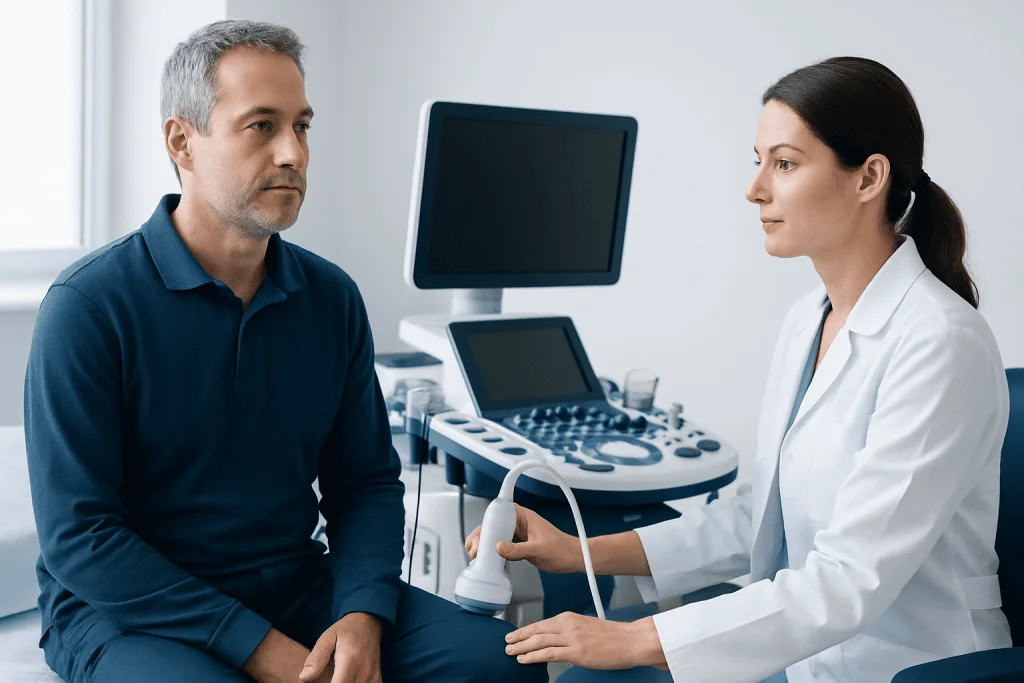
Symptoms vary from person to person. Duct ectasia often affects one breast and may involve one duct or several ducts. A discharge may come from the nipple without squeezing, or it may only be noticed after pressure is applied. The discharge can be thick or sticky and may be white, yellow, green, brown, or occasionally dark in color.
Other possible features include tenderness behind the nipple, a feeling of fullness, nipple itching, or a nipple that appears pulled inward. Inflammation around a blocked duct can form a firm area near the areola, the darker skin around the nipple. This can feel concerning, but a clinician cannot determine the cause of a lump by feel alone.
Some people develop redness, warmth, increasing pain, or swelling if inflammation becomes more pronounced or if an infection develops. Fever is less common but can occur with infection. Bloody or clear watery discharge, discharge from a single duct, or a new persistent lump deserves prompt medical assessment because these features may require additional investigation.
Why duct ectasia develops and who may be affected

The exact reason duct ectasia develops is not always known. It is thought to be related mainly to age-associated changes in breast tissue. As the breast changes over time, ducts beneath the nipple may shorten and widen. Their lining can thicken, and normal secretions may become more concentrated, contributing to blockage and inflammation.
Duct ectasia is most often diagnosed in people in their forties through sixties and after menopause, but age alone does not confirm the condition. Smoking has been associated with inflammation around the ducts and may increase the likelihood of recurrent symptoms. Stopping smoking supports overall health and may also reduce irritation of breast ducts.
It is important to separate duct ectasia from breastfeeding-related mastitis. Mastitis is usually linked to milk stasis and infection during breastfeeding, whereas duct ectasia generally occurs outside breastfeeding and involves structural changes in ducts near the nipple. A clinician will consider a person’s age, symptoms, medical history, and examination findings to distinguish between possible causes.
How clinicians confirm the diagnosis
A clinician begins by asking about the discharge, including its color, whether it occurs spontaneously, whether it comes from one or both nipples, and whether there are associated symptoms such as pain, fever, skin changes, or a lump. They will also ask about medications, pregnancy or breastfeeding history, smoking, prior breast procedures, and personal or family history of breast disease.
A breast examination includes checking the breast tissue, nipple, areola, skin, and lymph nodes near the underarm. Depending on age and the clinical findings, imaging may include mammography, breast ultrasound, or both. Ultrasound can be particularly useful for viewing ducts behind the nipple and identifying fluid, a widened duct, or a cyst-like area.
If findings are uncertain or suspicious, further tests may be recommended. These can include a biopsy of an area seen on imaging, or less commonly an MRI scan in selected cases. Testing nipple discharge alone does not always provide a definite answer, so the decision to perform additional tests is based on the whole clinical picture. The purpose of assessment is not to assume cancer is present, but to identify the cause accurately and safely.
Treatment options and symptom relief
When duct ectasia causes no symptoms or only minor symptoms, treatment may simply involve reassurance and follow-up as advised by the clinician. The condition can improve on its own. A warm compress may ease tenderness, and a supportive bra or soft breast pad can help with comfort and manage discharge. Simple pain-relief medicines may be appropriate for some people, but they should be chosen in line with an individual’s health conditions and clinician or pharmacist advice.
People should avoid repeatedly squeezing the nipple to check for discharge, as this can stimulate further discharge and irritate the area. Keeping the skin gently clean and dry can reduce discomfort. If a person smokes, support for smoking cessation can be an important part of care, particularly when symptoms are recurrent.
Antibiotics may be prescribed if there is evidence of a bacterial infection, such as worsening redness, significant warmth, swelling, fever, or an abscess. If a persistent blocked duct, troublesome discharge, recurrent inflammation, or an abscess does not improve with conservative treatment, a breast surgeon may discuss a procedure to drain an abscess or remove the affected duct. Surgery is not necessary for most people with duct ectasia.
Everyday care, follow-up, and breast awareness
There is no proven method to prevent every case of duct ectasia because normal breast changes with age play a central role. Practical measures include avoiding smoking, attending recommended breast screening appointments, and arranging review for any new or persistent breast change. Regular screening is valuable, but it does not replace seeking advice between appointments if symptoms develop.
Breast awareness means knowing what is usual for one’s own breasts rather than performing a rigid examination routine. A person should notice changes such as a new lump, persistent focal pain, skin dimpling, a nipple that newly turns inward, or discharge that occurs without pressure. Most changes do not prove cancer, but timely assessment can provide clarity and appropriate care.
Follow-up recommendations depend on the initial assessment, imaging results, symptoms, and whether treatment was needed. Keeping follow-up appointments is helpful even when symptoms improve. Acibadem International’s multidisciplinary specialists and JCI-accredited hospitals assess breast symptoms and provide diagnosis and treatment planning for international patients when needed.
When to seek medical care
A person should arrange a medical appointment for a new nipple discharge, especially if it continues, occurs without squeezing, affects one breast, or comes from a single opening in the nipple. Assessment is also appropriate for a new lump, nipple inversion that was not previously present, persistent breast pain in one specific area, or changes in the breast skin.
More urgent medical advice is appropriate when the breast becomes red, hot, markedly swollen, or increasingly painful, particularly if fever or feeling unwell is present. These symptoms can indicate significant inflammation, an abscess, or infection requiring treatment. People should not try to drain a lump or abscess at home.
Bloody nipple discharge, a clear watery discharge from one breast, skin ulceration, or a hard fixed lump should be assessed promptly. These symptoms still have several possible explanations, including benign ones, but medical evaluation is important to rule out conditions that need specific treatment.
Frequently asked questions
Is duct ectasia cancer?
No. Duct ectasia is usually a benign, non-cancerous change in the breast ducts and is not thought to develop into breast cancer. However, because nipple discharge and lumps can have different causes, a clinician should assess new or persistent symptoms.
Can duct ectasia cause green or brown nipple discharge?
Yes. Thick green, yellow, brown, or dark discharge can occur when material collects in widened ducts. Color alone cannot establish the cause, so spontaneous, persistent, one-sided, bloody, or clear discharge should be checked by a healthcare professional.
Does duct ectasia go away on its own?
Many cases improve without invasive treatment, particularly when symptoms are mild. Discomfort and discharge may settle over time, although some people have recurrent symptoms and need follow-up or additional treatment.
Can duct ectasia cause a breast lump?
Inflammation or blockage around an enlarged duct can create a tender or firm area behind the nipple that may feel like a lump. Any newly felt breast lump should still be examined and, when appropriate, assessed with imaging.
Is surgery always needed for duct ectasia?
No. Surgery is usually considered only when symptoms persist, recur frequently, an abscess develops, or testing cannot confidently exclude another cause. Many people are managed with observation, comfort measures, and treatment for infection if it occurs.
What is the difference between duct ectasia and mastitis?
Duct ectasia involves widening and blockage of ducts near the nipple and commonly occurs around menopause. Mastitis is breast inflammation that is more often associated with breastfeeding, although non-breastfeeding people can also develop breast infections. A clinician can distinguish these conditions using symptoms, examination, and imaging when needed.
References
- American Cancer Society
- National Health Service
- Mayo Clinic
- Breast Cancer Now
- American College of Radiology
This article is for general information only and is not a substitute for professional medical advice. Please consult a qualified doctor about your individual situation.
Explore treatments in Turkey — costs, top hospitals & a free quote
JCI-accredited · board-certified surgeons · reply within 24h
Add us as a Preferred Source to see more of our trusted health content across Google Search, AI Overviews and Discover.

More from the Health Library



Related Specialists

Asst. Prof. Dr. Harika Bodur Öztürk
Gynecology & Obstetrics
Dr. Mustafa Burak Seven
Pediatrics
Prof. Dr. Abdullah Büyükçelik
Medical Oncology
Prof. Dr. Bülent Tutluoğlu
Pulmonary Medicine