Gastric Bypass vs Sleeve: Key Differences and How Doctors Tell Them Apart

Gastric bypass changes both stomach size and the route food takes through the small intestine; sleeve surgery changes stomach size only. Sleeve gastrectomy may worsen or trigger reflux in some people, while gastric bypass is often considered when significant reflux is present.
Key Takeaways
- Gastric bypass changes both stomach size and the route food takes through the small intestine; sleeve surgery changes stomach size only.
- Sleeve gastrectomy may worsen or trigger reflux in some people, while gastric bypass is often considered when significant reflux is present.
- Both procedures require lifelong nutrition monitoring, regular follow-up, and lasting changes in eating habits and physical activity.
- Symptoms alone cannot reliably identify which operation a person has had; clinicians use medical records, imaging, or endoscopy when needed.
- The best bariatric procedure is individualized after a detailed medical, nutritional, and psychological assessment.
In gastric bypass vs sleeve surgery, gastric bypass creates a small stomach pouch and reroutes part of the small intestine, while sleeve gastrectomy removes much of the stomach to form a narrow tube. Both can support meaningful weight loss and improve weight-related conditions, but the most appropriate procedure depends on reflux symptoms, medical history, nutritional needs, anatomy, and personal treatment goals.
Gastric Bypass vs Sleeve at a Glance
Gastric bypass vs sleeve is a comparison between two established forms of bariatric, or weight-loss, surgery. Both procedures help people feel full after smaller meals and can improve obesity-related health conditions. Their key difference is anatomical: sleeve gastrectomy makes the stomach smaller, whereas gastric bypass makes the stomach smaller and changes how food travels through part of the small intestine.
| Feature | Gastric bypass | Sleeve gastrectomy |
|---|---|---|
| Common name | Roux-en-Y gastric bypass | Vertical sleeve gastrectomy |
| What is changed | A small stomach pouch is created and connected to the small intestine | A large portion of the stomach is removed, leaving a narrow sleeve-shaped stomach |
| Intestinal rerouting | Yes | No |
| Effect on food absorption | Some reduction in absorption, in addition to reduced intake | Mostly reduced intake; no intestinal bypass |
| Reflux considerations | May improve gastroesophageal reflux disease in many patients | May cause or worsen reflux in some patients |
| Nutrient monitoring | Especially important because deficiency risks are higher | Still essential, although the pattern of risk may differ |
| Long-term anatomy | Complex reconstruction; revision or reversal can be difficult | Permanent removal of stomach tissue; conversion may be possible when indicated |
Neither operation is automatically better for every person. A bariatric team considers health conditions such as type 2 diabetes, obstructive sleep apnea, high blood pressure, reflux, previous abdominal operations, medication use, eating patterns, and readiness for long-term follow-up before recommending an option.
How Clinicians Tell Gastric Bypass and Sleeve Apart
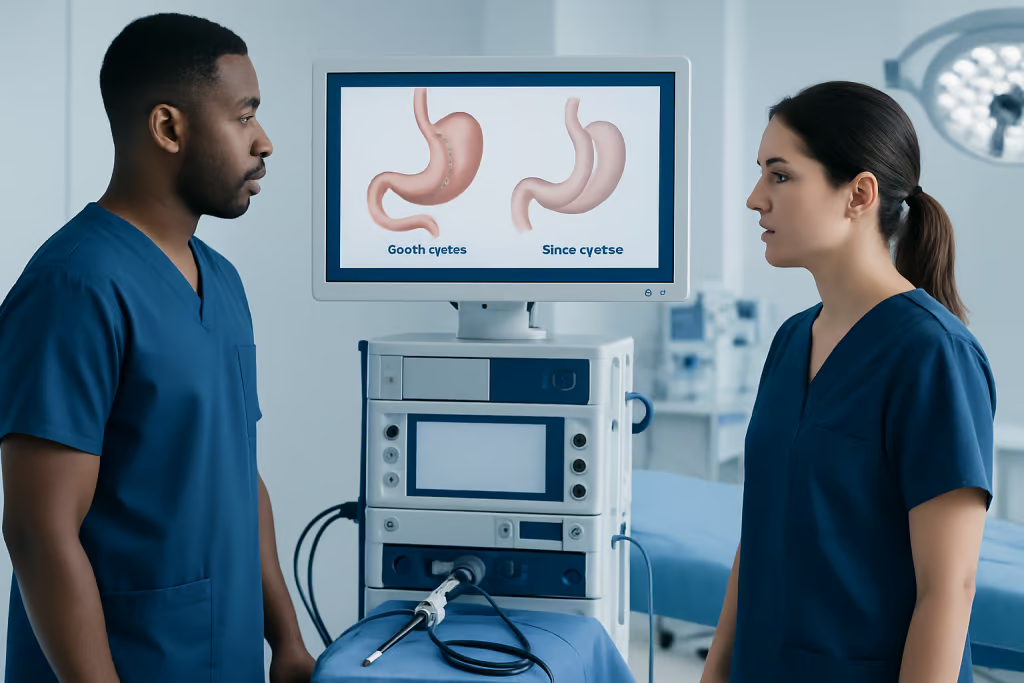
Doctors do not usually identify gastric bypass or sleeve surgery based on symptoms alone. Appetite changes, smaller meal sizes, nausea after eating too quickly, and weight changes can occur after either procedure. Instead, clinicians begin by reviewing operative records, discharge summaries, medical cards, or prior imaging whenever these are available.
If records cannot be obtained, imaging studies may clarify the anatomy. An upper gastrointestinal contrast study can show whether food passes from a small stomach pouch directly into a limb of small intestine, which is typical of gastric bypass, or through a long, narrow stomach into the normal duodenum, which is typical of sleeve gastrectomy. CT imaging may also be useful when abdominal pain, vomiting, bowel obstruction, or another complication is suspected.
An upper endoscopy may be recommended for persistent reflux, swallowing difficulty, bleeding, vomiting, unexplained anemia, or upper abdominal pain. It allows the clinician to view the esophagus and stomach from inside and, when appropriate, take tissue samples. The choice of test depends on the person’s symptoms and clinical history, so testing should be guided by a qualified clinician rather than attempted through self-diagnosis.
What Happens During Each Procedure
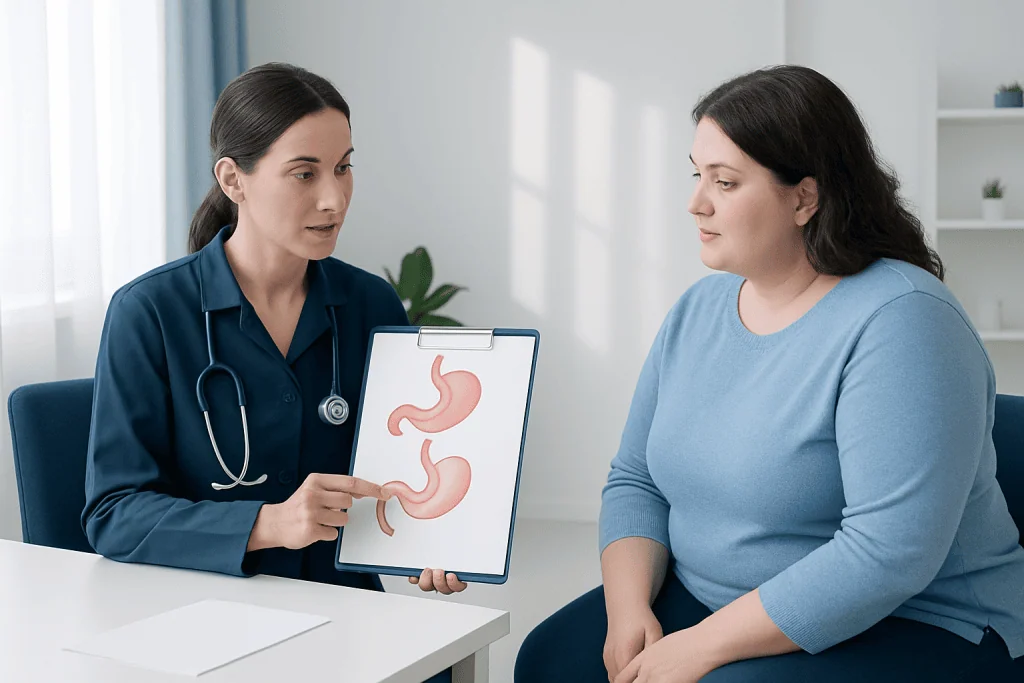
In sleeve gastrectomy, the surgeon removes a substantial portion of the stomach, leaving a slim, tube-like stomach. Food continues to pass through the stomach, duodenum, and small intestine in the usual order. The smaller stomach limits meal volume and can also affect gut hormones involved in hunger, fullness, and blood sugar regulation.
In Roux-en-Y gastric bypass, the surgeon creates a small pouch from the upper stomach. This pouch is connected to a section of small intestine, so food bypasses the rest of the stomach and the first section of the small intestine. Digestive juices rejoin food farther along the intestine, which changes digestion as well as meal capacity.
Both procedures are commonly performed using minimally invasive techniques, though the exact approach depends on individual anatomy and surgical needs. They are major operations, not cosmetic procedures, and they work best as part of comprehensive care that includes nutrition guidance, activity planning, behavioral support, laboratory monitoring, and follow-up with the surgical team.
Which Procedure May Be Considered in Different Situations?
Clinicians consider gastric bypass when a person has clinically significant gastroesophageal reflux disease, particularly if reflux has not responded well to non-surgical treatment. Because sleeve surgery can increase pressure within the stomach and may worsen reflux in some people, a history of severe heartburn, regurgitation, esophagitis, or Barrett’s esophagus can influence the discussion. The final decision may involve endoscopy, imaging, and input from gastroenterology specialists.
Sleeve gastrectomy may be considered for people who prefer to avoid intestinal rerouting or who have factors that make a shorter, less anatomically complex procedure preferable. It can be an effective option for weight reduction and metabolic health improvement. However, the likelihood of reflux and the need for possible future treatment should be discussed carefully before surgery.
Gastric bypass may also be discussed for people with certain metabolic concerns, including type 2 diabetes, as it can have strong effects on blood glucose regulation. Still, procedure selection is never based on one diagnosis alone. The care team evaluates expected benefits alongside surgical risks, medicine requirements, nutritional status, alcohol use, smoking status, previous surgery, and the person’s ability to maintain supplements and follow-up appointments.
Some people who have had sleeve surgery later need evaluation for persistent reflux, inadequate response, or complications. In selected cases, conversion to gastric bypass may be considered. Conversely, revision after gastric bypass can be appropriate in particular circumstances, but it is more complex and requires careful investigation of the existing anatomy and the cause of symptoms or weight regain.
Benefits, Risks, and Long-Term Considerations
Both gastric bypass and sleeve surgery can support substantial and sustained weight loss when combined with long-term lifestyle and medical follow-up. They may also improve conditions linked with obesity, including type 2 diabetes, high blood pressure, sleep apnea, joint strain, and fatty liver disease. Results vary from person to person, and surgery is one component of ongoing obesity care rather than a stand-alone cure.
Risks shared by both procedures include bleeding, infection, blood clots, reactions to anesthesia, narrowing at a surgical connection or staple line, and leakage from the stomach or intestine. These complications are uncommon but can be serious, which is why patients are monitored closely after surgery and advised to report concerning symptoms promptly.
Gastric bypass has additional procedure-specific concerns, such as internal hernia, bowel obstruction, marginal ulcers near the stomach-intestine connection, and a greater risk of certain vitamin and mineral deficiencies. Sleeve gastrectomy has particular relevance to reflux and may be associated with narrowing or twisting of the stomach sleeve in some cases. Dumping syndrome, involving symptoms such as cramping, sweating, dizziness, or diarrhea after certain meals, is more commonly associated with gastric bypass.
Long-term follow-up includes blood tests and nutrition assessment. Most patients need lifelong vitamin and mineral supplementation, although the exact supplements are individualized. Iron, vitamin B12, folate, calcium, vitamin D, and other nutrients may require monitoring, especially after gastric bypass. People should not stop prescribed supplements or change them without advice from their bariatric team.
Life After Surgery: What to Do for Each Procedure
After either procedure, patients progress through a staged eating plan set by their surgical and nutrition teams. This often begins with liquids and gradually advances to soft and then regular textured foods. Eating slowly, chewing thoroughly, taking small bites, stopping when full, and separating fluids from meals when advised can reduce discomfort and help protect the surgical result.
For people after sleeve gastrectomy, reflux prevention and monitoring are particularly important. They may be advised to avoid lying down soon after meals, identify foods that trigger symptoms, follow prescribed acid-reducing treatment when needed, and report heartburn, nighttime cough, regurgitation, or trouble swallowing. Persistent reflux should not simply be accepted as a normal part of recovery.
For people after gastric bypass, consistent supplementation and avoidance of ulcer-promoting exposures are especially important. Smoking and nicotine products increase health risks and can impair healing. Nonsteroidal anti-inflammatory drugs, such as ibuprofen or naproxen, may increase ulcer risk after bypass, so patients should ask their doctor before using them and discuss safer pain-management options if necessary.
Regular protein intake, hydration, movement, sleep, and emotional support are important after both operations. Weight regain can occur and does not mean a person has failed. Early review with the bariatric team can identify contributing factors such as dietary changes, medication effects, mental health concerns, hormonal factors, or anatomical issues and can help create a practical plan.
When to Seek Medical Care
Anyone considering gastric bypass or sleeve surgery should arrange a structured assessment with an experienced bariatric team. This typically includes medical evaluation, nutrition review, screening for reflux and sleep apnea when relevant, discussion of medications, and support for sustainable behavior changes. A person who has had a prior bariatric procedure should bring any available surgical records to appointments.
Urgent medical assessment is needed after bariatric surgery for severe or worsening abdominal or chest pain, repeated vomiting, inability to keep fluids down, fever, fainting, shortness of breath, black stools, vomiting blood, a fast heartbeat, or new confusion. These symptoms can have many causes, but they may also signal a complication that needs prompt care.
A non-urgent appointment is appropriate for persistent heartburn, regurgitation, difficulty swallowing, frequent diarrhea, ongoing abdominal discomfort, fatigue, hair loss, numbness or tingling, or concerns about weight changes. These symptoms may relate to nutrition, medications, reflux, or another treatable problem. Acibadem International’s multidisciplinary specialists at JCI-accredited hospitals can assess bariatric surgery needs and provide follow-up care for international patients.
Frequently asked questions
Is gastric bypass better than sleeve surgery?
Neither procedure is universally better. Gastric bypass may be favored for some people with significant reflux or certain metabolic concerns, while sleeve gastrectomy may suit others who prefer not to have intestinal rerouting. A bariatric team can assess which balance of benefits and risks fits the individual.
Can sleeve surgery cause acid reflux?
Yes, sleeve gastrectomy can cause new reflux or make existing reflux worse in some people. Persistent heartburn, regurgitation, nighttime symptoms, or difficulty swallowing should be discussed with a clinician. Assessment may include medication review, imaging, or endoscopy.
Does gastric bypass cause more vitamin deficiencies than sleeve?
Gastric bypass generally carries a higher risk of certain nutrient deficiencies because it changes both food intake and part of the absorption pathway. However, sleeve surgery can also lead to deficiencies because intake is reduced. Lifelong supplements and scheduled blood tests are important after either procedure.
Can doctors tell whether someone had gastric bypass or sleeve without records?
Often, yes, but symptoms alone are not enough to confirm the procedure. An upper gastrointestinal contrast study, CT scan, or endoscopy can show the altered digestive anatomy. The appropriate test depends on the person’s symptoms and reason for evaluation.
Is gastric bypass reversible?
Gastric bypass is sometimes technically reversible, but reversal is complex and is not routinely performed. Sleeve gastrectomy is not reversible because part of the stomach has been removed. Revision or conversion surgery may be possible in selected situations after detailed specialist assessment.
What symptoms after bariatric surgery require urgent care?
Severe or increasing abdominal pain, repeated vomiting, fever, shortness of breath, fainting, black stools, vomiting blood, or inability to drink fluids require prompt medical assessment. These symptoms do not always mean there is a serious complication, but they should not be ignored after bariatric surgery.
References
- American Society for Metabolic and Bariatric Surgery
- National Institute of Diabetes and Digestive and Kidney Diseases
- Mayo Clinic
- International Federation for the Surgery of Obesity and Metabolic Disorders
- National Health Service
This article is for general information only and is not a substitute for professional medical advice. Please consult a qualified doctor about your individual situation.
Gastric Bypass in Turkey — costs, top hospitals & a free quote
JCI-accredited · board-certified surgeons · reply within 24h
Add us as a Preferred Source to see more of our trusted health content across Google Search, AI Overviews and Discover.
Check your numbers in seconds
BMI, calories, due date, blood pressure and 30+ more clinical calculators — free, instant, doctor-reviewed ranges.

Bariatric & Metabolic Surgery
Surgical and endoscopic treatments for obesity and metabolic conditions.