Low Glycemic Breakfast: A Complete Medical Overview

A low glycemic breakfast is based on food quality and meal balance, not on avoiding all carbohydrates. Whole grains, legumes, vegetables, fruit, unsweetened dairy or alternatives, nuts and seeds can fit into a lower-glycemic morning meal.
Key Takeaways
- A low glycemic breakfast is based on food quality and meal balance, not on avoiding all carbohydrates.
- Whole grains, legumes, vegetables, fruit, unsweetened dairy or alternatives, nuts and seeds can fit into a lower-glycemic morning meal.
- Protein, fiber and fats can slow digestion and make breakfast more filling.
- The glycemic index is only one tool; portion size, total carbohydrate and the whole meal also matter.
- People using insulin or glucose-lowering medication should make major diet changes with guidance from their healthcare team.
A low glycemic breakfast emphasizes minimally processed, fiber-rich carbohydrates alongside protein and healthy fats. This pattern can help reduce sharp rises and falls in blood glucose after eating while providing satisfying, practical options for many eating preferences.
What Is a Low Glycemic Breakfast?
A low glycemic breakfast is a morning meal designed to produce a more gradual increase in blood glucose than meals centered on refined grains, added sugars or highly processed foods. It usually includes high-fiber carbohydrate foods, such as oats, beans, fruit or whole grains, together with a source of protein and healthy fat. For many people, this approach supports steadier energy and helps them feel full for longer.
The term “glycemic” refers to how carbohydrate-containing food affects blood glucose. Foods with a lower glycemic index (GI) tend to raise blood glucose more slowly when eaten in a standardized amount. However, GI does not tell the whole story: serving size, food preparation, ripeness, the amount of carbohydrate consumed and other foods eaten at the same meal all influence the body’s response.
A low glycemic breakfast does not require eliminating bread, fruit, milk or other carbohydrate foods. Instead, it favors less refined choices and balanced portions. Individual blood glucose responses can differ, particularly in people with diabetes, digestive conditions or changing activity levels, so the most suitable breakfast pattern is personal.
How Glycemic Index and Glycemic Load Work
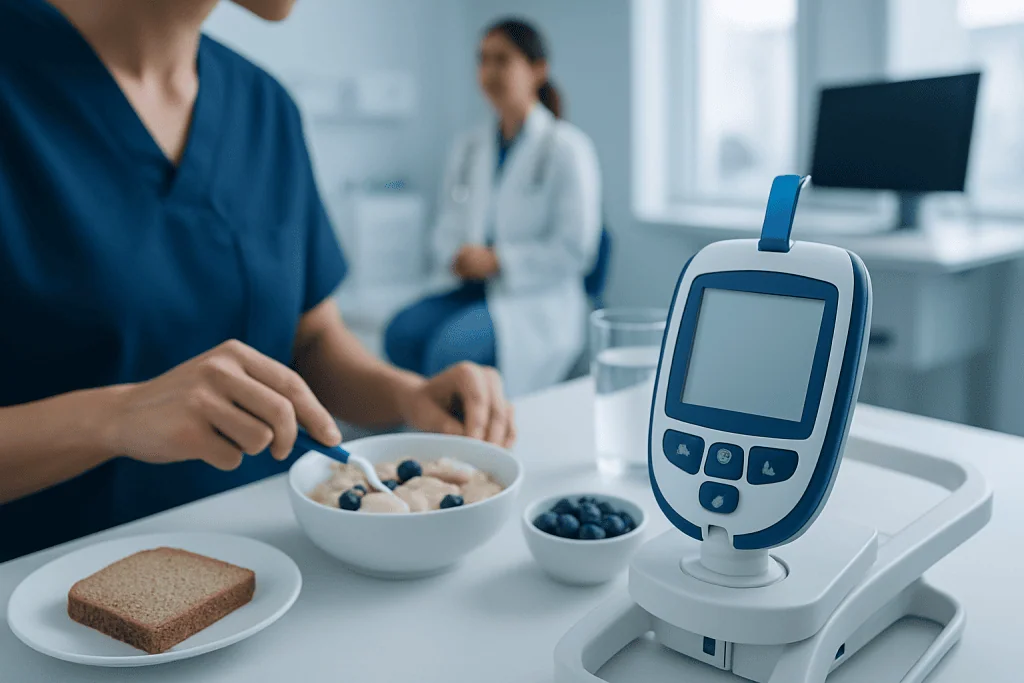
The glycemic index ranks carbohydrate-containing foods according to how quickly they tend to raise blood glucose compared with a reference food. Low-GI foods are generally scored at 55 or below, moderate-GI foods at 56 to 69, and high-GI foods at 70 or above. Foods without meaningful carbohydrate, such as eggs, fish, meat, oils and most cheeses, do not have a GI value.
Glycemic load (GL) adds another useful detail because it considers both the GI and the typical amount of carbohydrate in a serving. For example, some fruits may have a moderate or higher GI but contain a relatively modest amount of carbohydrate per usual portion. This means they may still have a moderate effect on blood glucose and can be part of a balanced breakfast.
GI values are not fixed for every situation. Cooking, processing and texture can change them: intact grains and firmer pasta often have a lower glycemic effect than finely milled or overcooked versions. Pairing carbohydrate with protein, fat and fiber also usually slows digestion. Therefore, a person should view the entire plate rather than judging one food in isolation.
Potential Benefits of a Balanced Lower-Glycemic Morning Meal

Choosing lower-glycemic foods at breakfast may be helpful for people who notice hunger, tiredness or cravings soon after sugary cereals, pastries, sweetened drinks or refined toast. Fiber-rich foods generally take longer to digest, while protein and fats contribute to satiety. A filling breakfast can make it easier to maintain regular eating patterns through the morning.
For people with prediabetes or diabetes, distributing carbohydrates through the day and choosing higher-fiber carbohydrate sources may support blood glucose management. Breakfast choices should be considered alongside medication, physical activity, overall eating habits and glucose monitoring when advised. A lower glycemic pattern is a dietary strategy, not a replacement for prescribed diabetes treatment.
These meals can also support general nutritional quality when they include vegetables, fruit, pulses, whole grains, nuts and seeds. Such foods provide vitamins, minerals and different forms of dietary fiber. The goal is not to achieve a perfect glucose response after every meal, but to build a sustainable pattern that meets nutritional needs and personal preferences.
Foods That Work Well at Breakfast
Useful lower-glycemic breakfast foods tend to be minimally processed and rich in fiber, protein or both. Examples include plain rolled or steel-cut oats, unsweetened yogurt or fortified soy yogurt, eggs, cottage cheese, beans, lentils, vegetables, berries, apples, pears, nuts, seeds and whole-grain breads with a short ingredient list. Foods can be combined in many ways according to culture, budget and dietary needs.
Some common breakfast foods are more likely to raise blood glucose quickly when eaten alone or in large portions. These include sugary cereals, sweetened yogurt, pastries, doughnuts, white toast, many commercial muffins, sweet fruit juices and sweetened coffee drinks. These items do not need to be labeled as forbidden, but having them less often or pairing them with protein and fiber may improve meal balance.
- Plain oats topped with berries, chia seeds and unsweetened yogurt
- Eggs or tofu with non-starchy vegetables and one slice of whole-grain toast
- Plain Greek yogurt or soy yogurt with nuts, seeds and chopped fruit
- Whole-grain toast with avocado, beans or nut butter, served with fruit
- A savory bowl of lentils or beans with vegetables, herbs and a whole grain
People who avoid animal products can obtain protein from tofu, tempeh, soy yogurt, beans, lentils, nut butters and seeds. Those with celiac disease or gluten sensitivity should choose certified gluten-free oats and naturally gluten-free grains where appropriate. Added sugar content on packaged foods is often more informative than front-of-pack wellness claims.
How to Build a Low Glycemic Breakfast in Practice
A simple approach is to start with a protein source, add a high-fiber carbohydrate and include produce or another fiber-rich food. For example, instead of sweetened cereal with juice, a person might choose unsweetened oatmeal with yogurt and berries. Instead of a large white-flour breakfast sandwich, they might choose eggs with vegetables and whole-grain bread.
Portion awareness remains important, especially for people managing diabetes. A food can have a low GI yet still contribute a substantial amount of carbohydrate if eaten in a large quantity. Measuring portions temporarily, reading nutrition labels and observing how hunger or glucose readings respond may help a person identify meals that work well for them.
Convenience can be planned in advance. Overnight oats can be prepared without added sugar, hard-boiled eggs and washed vegetables can be kept ready, and frozen berries are a practical alternative to fresh fruit. When eating away from home, choosing eggs, plain yogurt, vegetables, fruit, unsweetened beverages and whole-grain options when available can be a reasonable starting point.
Breakfast timing is also individual. Some people feel well eating soon after waking, while others prefer a later first meal. People taking diabetes medication should not routinely skip or delay meals without advice, as this may affect glucose levels and medication safety.
Who May Need Individual Nutrition Advice?
A lower-glycemic breakfast can be suitable for many adults, but it is not a one-size-fits-all prescription. Children, adolescents, pregnant people, older adults, athletes and people recovering from illness may have different energy and nutrient requirements. Restrictive rules around carbohydrates can make it harder to meet those needs and may not be appropriate.
People with type 1 diabetes, type 2 diabetes treated with insulin or medicines that can cause low blood glucose should discuss dietary changes with their doctor or dietitian. Reducing carbohydrate intake without adjusting a treatment plan may increase the risk of hypoglycemia. Regular glucose monitoring, when prescribed, can help guide safe personalized choices.
Digestive conditions may also affect food tolerance. For example, a sudden large increase in beans, lentils or fiber can cause bloating in some people. Gradually increasing fiber, drinking sufficient fluids and choosing tolerated foods may help. A registered dietitian can adapt breakfast choices for food allergies, kidney disease, celiac disease, irritable bowel syndrome or other health concerns.
When to Seek Medical Care
A person should arrange a medical review if they have ongoing symptoms that could be related to abnormal blood glucose, such as unusual thirst, frequent urination, unexplained weight change, persistent fatigue, blurred vision or recurrent infections. These symptoms have several possible causes, and testing is needed to identify the reason. Dietary changes alone should not delay assessment.
Urgent medical care is appropriate for symptoms of severe low blood glucose, including confusion, fainting, seizures or inability to swallow safely, especially in a person using insulin or certain glucose-lowering medicines. People with diabetes should follow their individual hypoglycemia action plan if they have one. Severe vomiting, dehydration, deep or rapid breathing, or marked drowsiness also requires prompt assessment.
For people seeking structured support, Acibadem International’s multidisciplinary specialists at JCI-accredited hospitals can assess metabolic health and help develop individualized nutrition and diabetes care plans for international patients. A qualified clinician or dietitian can ensure that breakfast advice fits the person’s medical history, medicines and daily routine.
Frequently asked questions
What is the best low glycemic breakfast?
There is no single best choice for everyone. A balanced option such as plain oats with berries, seeds and yogurt, or eggs with vegetables and whole-grain toast, provides a combination of fiber, protein and healthy fats. The best meal is one that is nutritious, satisfying and appropriate for the person’s health needs.
Are eggs a low glycemic breakfast food?
Eggs contain very little carbohydrate, so they do not have a meaningful glycemic index value. They can be part of a low glycemic breakfast when paired with vegetables, fruit or a high-fiber whole grain. Preparation matters, as heavily processed side dishes or sugary drinks can change the overall meal quality.
Can people with diabetes eat fruit at breakfast?
Yes, whole fruit can often fit into a diabetes-friendly breakfast because it contains fiber, water and nutrients. Portion size and the total carbohydrate in the meal are important, and whole fruit is generally a better choice than juice. People using insulin or medications that lower glucose should follow their individualized meal plan.
Is oatmeal low glycemic?
Plain rolled, steel-cut or less processed oats are often lower glycemic than many refined breakfast cereals, although values vary by product and preparation. Adding protein and fat, such as yogurt, nuts or seeds, can make the meal more balanced. Instant flavored oatmeal may contain added sugars and be more processed, so checking the label is useful.
Does a low glycemic breakfast help with weight management?
A breakfast that contains protein and fiber may help some people stay full for longer and reduce unplanned snacking. However, weight management depends on overall dietary intake, activity, sleep, health conditions and other factors. No specific breakfast alone causes weight loss.
Should a person skip breakfast to avoid blood sugar spikes?
Skipping breakfast is not necessary to follow a lower-glycemic eating pattern. Some people may choose time-restricted eating under professional guidance, but others need regular meals, particularly if they take glucose-lowering medicine. A balanced breakfast is often a safer and more sustainable option than relying on sugary or refined foods later in the day.
References
- American Diabetes Association
- Academy of Nutrition and Dietetics
- Centers for Disease Control and Prevention
- Harvard T.H. Chan School of Public Health
- National Institute of Diabetes and Digestive and Kidney Diseases
This article is for general information only and is not a substitute for professional medical advice. Please consult a qualified doctor about your individual situation.
Explore treatments in Turkey — costs, top hospitals & a free quote
JCI-accredited · board-certified surgeons · reply within 24h
Add us as a Preferred Source to see more of our trusted health content across Google Search, AI Overviews and Discover.

More from the Health Library

Esophageal Perforation: An Evidence-Based Guide for Patients

Rear Delt Exercises: What Patients Need to Know

Pale Poop — Explained by Medical Evidence, Not Myths

Furuncle: An Evidence-Based Guide for Patients

Foot Joints: What Patients Need to Know