Water Vape: A Complete Medical Overview
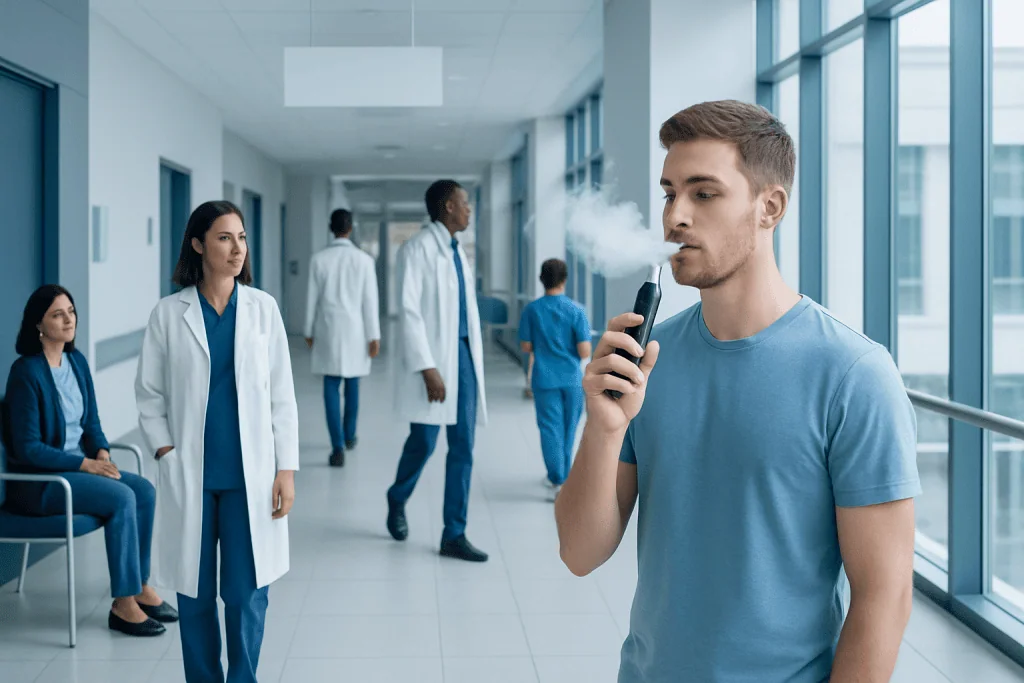
“Water vape” is not a standardized medical or product term and may describe several different devices. Water in a device does not make inhaled aerosol harmless or reliably remove toxic substances.
Key Takeaways
- “Water vape” is not a standardized medical or product term and may describe several different devices.
- Water in a device does not make inhaled aerosol harmless or reliably remove toxic substances.
- Many vape products deliver nicotine, which can cause dependence and may affect the developing brain in adolescents and young adults.
- Vape aerosol may contain ultrafine particles, flavoring chemicals, metals and other compounds that can irritate the airways.
- People with chest pain, breathing difficulty, coughing up blood or severe symptoms after vaping should seek urgent medical care.
- The safest choice for people who do not smoke or vape is not to start; people who use nicotine can discuss evidence-based quitting support with a clinician.
A water vape is not necessarily safer than other vaping devices: inhaling aerosol can expose the lungs to nicotine, fine particles, flavoring chemicals and other substances. Because the term is used for different products, understanding the device and its contents is important for making informed health choices.
Water vape: what it means and why it matters
A water vape is a broad, non-medical term that may refer to an electronic vaping device marketed as using water, a device with a water chamber, or vaping liquids described as water-based. These devices heat a liquid or material and produce an aerosol for inhalation. Although this aerosol may look like steam, it is not simply harmless water vapor.
In most devices, a heating element turns e-liquid into a mixture of tiny liquid droplets and gases. Depending on the product, this mixture may contain nicotine, flavorings, solvents such as propylene glycol or vegetable glycerin, and substances produced during heating. The health effects depend on the device, the temperature, how it is used, and what is in the cartridge, pod, tank or refill liquid.
Water can cool the aerosol or change its feel in the throat, but it does not reliably filter out nicotine, fine particles or all potentially harmful chemicals. For this reason, a product described as a water vape should not be assumed to be safe for the lungs simply because water is involved.
How vaping aerosol affects the body
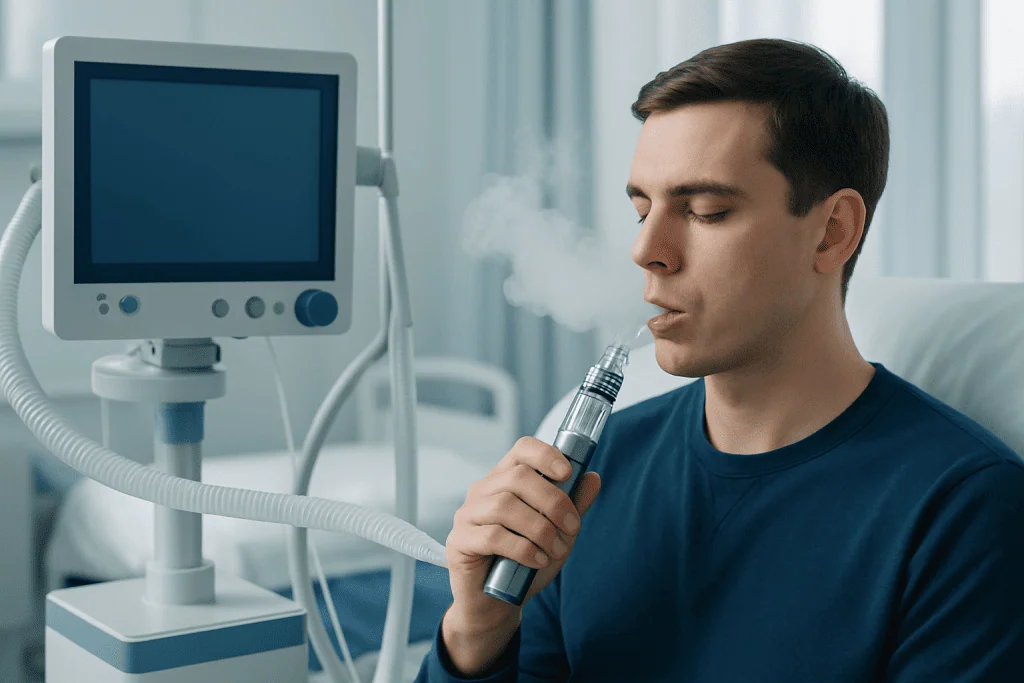
The airways and lungs are designed to exchange oxygen with clean air. When aerosol is inhaled, ultrafine particles can travel deep into the lungs. Some ingredients may irritate the lining of the mouth, throat and airways, leading to temporary symptoms such as dry mouth, throat discomfort, cough, wheeze or shortness of breath.
Heating e-liquids can also change their chemical composition. The aerosol may contain substances from flavorings, volatile organic compounds and small amounts of metals that can come from the heating coil. Exposure levels vary considerably between products and patterns of use, so it is difficult to predict an individual person’s risk from a product label alone.
Nicotine is especially important to consider. It is an addictive substance that can raise heart rate and blood pressure for a short time. Nicotine exposure is of particular concern during pregnancy and for adolescents and young adults, whose brains are still developing. A product labelled nicotine-free may not always be free from nicotine, particularly when quality control is uncertain.
Research into the long-term health effects of vaping is ongoing. E-cigarettes may expose users to fewer toxic chemicals than combustible cigarettes, but this does not mean they are risk-free. They should not be viewed as a healthy habit, especially by people who have never smoked.
Water vape, e-cigarettes and water pipes are not the same

The phrase water vape can create confusion because it is sometimes used for products that work in very different ways. Standard e-cigarettes and vape pens heat e-liquid electronically. Some devices may include a water component or chamber, while others may be marketed with terms such as water-based or water-filtered. Their design does not remove the need to consider what is being inhaled.
A traditional water pipe, often called a hookah, shisha or narghile, is different from an electronic vape. It generally heats tobacco or herbal material, and smoke passes through water before it is inhaled. The water does not eliminate the harms of smoke or carbon monoxide exposure. Hookah use may also involve prolonged sessions and shared mouthpieces, which can increase exposure to respiratory infections if hygiene is poor.
It is also important not to confuse vaping with medically prescribed inhalation treatments. Nebulizers are medical devices that convert prescribed liquid medicine into a mist for specific respiratory conditions. They should only be used with medication and equipment recommended by a qualified healthcare professional. Household liquids, essential oils or vape liquids should never be put into a nebulizer.
Who may face greater risks
Vaping may be particularly concerning for children, teenagers, pregnant people and people who are breastfeeding. Nicotine can affect fetal development and may pass into breast milk. Children can also become ill if they swallow e-liquid or get it on their skin, especially concentrated nicotine liquids. E-liquid should be kept in its original, child-resistant container and stored securely out of reach.
People with asthma, chronic obstructive pulmonary disease (COPD), heart disease or a history of significant lung disease may be more sensitive to airway irritation and stimulant effects from nicotine. Vaping can trigger cough, chest tightness or wheezing in some people. Anyone with an ongoing respiratory condition should discuss vaping with the clinician managing their care rather than assuming a water-based product is suitable.
Products containing cannabis or tetrahydrocannabinol (THC), particularly those obtained from informal sources, deserve added caution. Past outbreaks of severe vaping-associated lung injury were strongly linked to certain THC-containing products and additives. Using unregulated cartridges, modifying devices or mixing liquids at home adds uncertainty about ingredients and exposure.
Secondhand aerosol is also relevant. It may contain nicotine and fine particles, even though it is generally different from cigarette smoke. Avoiding vaping around children, pregnant people and anyone with respiratory disease is a sensible protective step.
Possible symptoms and warning signs
Some people notice minor symptoms shortly after vaping, including throat irritation, dry mouth, headache, nausea, dizziness, cough or palpitations. These symptoms may relate to nicotine exposure, airway irritation, dehydration, frequent inhalation or the ingredients in the aerosol. Repeated or worsening symptoms should not be ignored.
More significant respiratory symptoms can include persistent cough, wheeze, chest tightness, reduced exercise tolerance or breathlessness. These symptoms can have many causes, including asthma, viral infections, anxiety, heart conditions and lung disease. A clinician can assess the person’s history, examine their chest and decide whether tests such as oxygen measurement, lung function testing, an electrocardiogram or imaging are appropriate.
Vaping is not a reliable way to diagnose or manage symptoms. For example, a person who develops wheeze should not repeatedly change devices or flavors in an attempt to solve the problem. Stopping exposure and seeking medical advice is safer, particularly if symptoms persist.
- Record the product used, including nicotine strength and whether it contained THC or other substances.
- Bring the device or packaging to a medical appointment when safe and practical.
- Tell the clinician about vaping honestly, including products bought online, shared products or homemade liquids.
Reducing harm and stopping nicotine vaping
The safest option for people who do not currently smoke or vape is not to begin. People who vape nicotine and want to stop can benefit from a planned approach. A clinician, pharmacist or smoking-cessation professional can help identify triggers, set a quit date and discuss evidence-based behavioral support and, where appropriate, approved medicines for nicotine dependence.
For adults who smoke cigarettes, completely switching away from combustible tobacco may reduce exposure to many harmful combustion-related chemicals. However, dual use of cigarettes and vapes may sustain nicotine dependence and does not provide the same potential benefit as stopping cigarette smoking altogether. Individual advice is important, particularly for people with heart, lung or mental health conditions.
It is not advisable to make, refill or alter products with unknown liquids. Avoid using cartridges from informal sources, sharing mouthpieces, or using damaged batteries and devices. If a person is trying to reduce nicotine use, choosing support rather than relying on unverified “water vape” safety claims can make the process more manageable.
Acibadem International’s multidisciplinary specialists and JCI-accredited hospitals can assess vaping-related symptoms and support international patients with respiratory evaluation and nicotine-dependence care when needed.
When to seek medical care
Medical advice is appropriate for cough, wheezing, shortness of breath, chest discomfort, repeated palpitations, nausea or dizziness that begins or worsens with vaping. A clinician should also be consulted when a person with asthma, COPD, heart disease or pregnancy is using a vape product and would like help stopping or understanding possible risks.
Urgent medical care is needed for severe or rapidly worsening breathlessness, chest pain, blue or gray lips, fainting, confusion, coughing up blood, or severe vomiting after vaping. These symptoms may not be caused by vaping alone, but they require prompt assessment. People should avoid further vaping until they have been evaluated.
Contact emergency services or a local poison center promptly if a child or adult swallows e-liquid, has a large skin exposure to nicotine liquid, or develops symptoms such as vomiting, agitation, weakness, seizures or difficulty breathing. Do not induce vomiting unless specifically instructed by a poison specialist or healthcare professional.
Frequently asked questions
Is a water vape just water vapor?
No. A water vape generally produces an aerosol, which is a mixture of tiny particles and gases, rather than pure water vapor. Depending on the device and liquid, it may contain nicotine, solvents, flavoring chemicals and substances released from heating components.
Does water make vaping safer?
Water may cool aerosol or alter the sensation of inhalation, but it does not reliably remove harmful substances. A water chamber or water-based marketing claim should not be considered proof that a product is safe for the lungs.
Can water vaping cause lung problems?
Vaping can irritate the throat and airways and may contribute to cough, wheeze or shortness of breath in some people. Severe lung injury is uncommon but can occur, particularly with unregulated or THC-containing vaping products; persistent or worsening symptoms need medical assessment.
Is water vaping safer than smoking cigarettes?
Cigarette smoke is produced by burning tobacco and contains many toxic chemicals. While e-cigarettes may expose users to fewer combustion-related toxins than cigarettes, they still carry health risks and are not harmless; the greatest health benefit comes from stopping combustible tobacco completely.
Can a person use a vape to quit smoking?
Some adults who smoke use nicotine vaping products as part of a transition away from cigarettes. A doctor or cessation professional can help create a plan that aims for complete cigarette cessation and, when possible, eventual freedom from nicotine rather than long-term dual use.
What should someone do after feeling unwell from a water vape?
They should stop using the product and note the symptoms, timing and product contents. Mild symptoms that continue, recur or worsen should be discussed with a clinician, while severe breathing difficulty, chest pain, fainting or coughing up blood requires urgent care.
This article is for general information only and is not a substitute for professional medical advice. Please consult a qualified doctor about your individual situation.
Explore treatments in Turkey — costs, top hospitals & a free quote
JCI-accredited · board-certified surgeons · reply within 24h
Add us as a Preferred Source to see more of our trusted health content across Google Search, AI Overviews and Discover.
Check your numbers in seconds
BMI, calories, due date, blood pressure and 30+ more clinical calculators — free, instant, doctor-reviewed ranges.

More from the Health Library

Ingrown Eyelash: An Evidence-Based Guide for Patients

Functions of Carbohydrates — Explained by Medical Evidence, Not Myths

Percutaneous Coronary Intervention: What Patients Need to Know

K Permanganate: What Patients Need to Know

Lay in Bed for Hours Can’t Sleep: What Patients Need to Know