Which Stds Are Not Curable? A Doctor-Reviewed Answer

HIV and herpes are lifelong infections, but modern treatment can protect health and reduce the chance of transmission. HPV has no medicine that removes the virus directly, although most HPV infections clear naturally without causing health problems.
Key Takeaways
- HIV and herpes are lifelong infections, but modern treatment can protect health and reduce the chance of transmission.
- HPV has no medicine that removes the virus directly, although most HPV infections clear naturally without causing health problems.
- Chronic hepatitis B may not be curable, but monitoring and antiviral treatment can prevent or reduce liver damage.
- Chlamydia, gonorrhea, syphilis, and trichomoniasis are usually curable with the right prescribed medicines.
- Many STIs cause no symptoms, so testing after a possible exposure is important even when a person feels well.
- A clinician can select tests based on symptoms, exposure type, timing, and pregnancy status.
Some sexually transmitted infections (STIs), commonly called STDs, cannot currently be fully eliminated from the body, but they can often be managed very effectively. HIV, herpes, persistent HPV infection, and chronic hepatitis B are the main examples; many other common STIs are curable with appropriate treatment.
Which STDs Are Not Curable?
The sexually transmitted infections that are not currently curable are HIV and genital herpes. Human papillomavirus (HPV) also has no medication that directly eliminates the virus, although the immune system clears most HPV infections naturally. Chronic hepatitis B cannot always be cured, but it can often be monitored and treated successfully to protect the liver.
Having one of these infections does not mean a person will become seriously unwell. Many people have no symptoms or have mild, manageable symptoms, and effective medical care can greatly support long-term health, relationships, and prevention of transmission. In contrast, several other common STIs, including chlamydia, gonorrhea, syphilis, and trichomoniasis, are usually curable with prescribed antimicrobial treatment.
The terms STI and STD are often used interchangeably. STI refers to an infection, including one that causes no symptoms; STD is sometimes used when the infection has led to symptoms or disease. Because symptoms alone cannot reliably identify an infection, testing is the most dependable way to know what is present.
When to Seek Medical Care
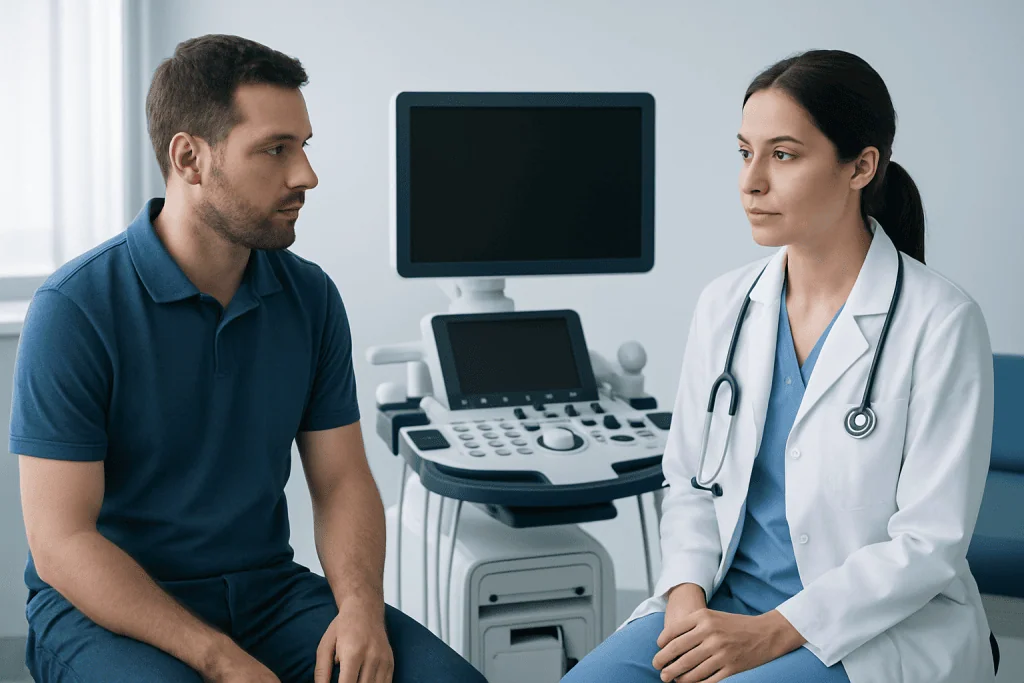
Medical review is sensible after unprotected vaginal, anal, or oral sex with a new partner, after learning that a partner has an STI, or whenever there is uncertainty about a possible exposure. Testing can also be useful before starting a new sexual relationship, during pregnancy, or as part of routine preventive care for people with ongoing exposure risks. Many infections are silent, so feeling well does not rule them out.
A person should arrange prompt care for genital sores or blisters, a new rash, unusual vaginal or penile discharge, burning when urinating, pelvic or testicular pain, rectal pain or discharge, or bleeding between periods. Urgent assessment is appropriate for severe pelvic or abdominal pain, fever with genital symptoms, severe headache or confusion, yellowing of the skin or eyes, or symptoms after a possible recent HIV exposure. Emergency HIV prevention, called post-exposure prophylaxis, must be started as soon as possible and generally within 72 hours of a significant exposure.
How Doctors Test for STIs

A clinician begins by discussing symptoms, recent sexual contact, previous infections, contraception, pregnancy possibility, medicines, and any known partner diagnosis. This conversation is confidential and helps determine which tests are appropriate. The type of contact matters because infections may affect the throat, genitals, urinary tract, rectum, or more than one site.
Testing may include urine samples or swabs from the vagina, cervix, penis, throat, rectum, or a sore. Blood tests are used for infections such as HIV, syphilis, and hepatitis B. A clinician may also examine visible lesions and, when needed, take a swab to check for herpes or other causes of sores.
Every test has a window period: the time after an exposure before it can reliably detect an infection. A negative result obtained very soon after exposure may need to be repeated later. Doctors may also recommend testing for more than one STI because co-infections can occur and because the symptoms of different conditions can overlap.
Lifelong Viral STIs and Their Management
HIV attacks parts of the immune system if untreated. It is a lifelong infection, but antiretroviral therapy can reduce the amount of virus in the blood to very low levels and allow people to live long, active lives. When treatment achieves and maintains an undetectable viral load, HIV is not sexually transmitted; this is often described as undetectable equals untransmittable, or U=U. Regular medical follow-up remains important.
Genital herpes is caused by herpes simplex virus type 1 or type 2. The virus remains in the body and can reactivate, causing recurrent sores, tingling, itching, or no noticeable symptoms at all. Antiviral medicines can shorten outbreaks, reduce recurrences, and lower the likelihood of passing herpes to a partner, although they do not remove the virus completely.
HPV is very common and includes many virus types. Most infections are temporary and clear on their own, often without symptoms or lasting effects. Some high-risk HPV types can cause changes in cells that may lead to cervical and other cancers over time, while some low-risk types can cause genital warts. There is no treatment that clears HPV itself, but warts and abnormal cells can be treated, and screening can identify cervical cell changes early.
Hepatitis B can be transmitted through sex and blood exposure. Many adults who acquire acute hepatitis B clear the infection naturally, but some develop chronic hepatitis B, meaning the virus remains for longer than six months. Chronic infection may require regular liver tests, imaging, and antiviral medicines to suppress viral activity and reduce the risk of liver complications.
Which STIs Are Usually Curable?
Many bacterial and parasitic STIs can be cured when they are diagnosed and treated with the recommended medication. These include chlamydia, gonorrhea, syphilis, and trichomoniasis. The exact treatment depends on the infection, the body site involved, allergies, pregnancy status, local resistance patterns, and whether another infection is also present.
It is important to take medicine exactly as prescribed and to avoid sex until the clinician confirms it is safe to resume. Recent or current sexual partners may need testing and treatment as well. Treating partners helps prevent reinfection and interrupts further spread, even when partners have no symptoms.
Gonorrhea deserves particular attention because resistance to antibiotics has made it harder to treat in some settings. It is still treatable using current recommended regimens, but self-treatment, sharing antibiotics, or using leftover medication can contribute to resistance and may delay proper care. A clinician may recommend a repeat test after treatment in particular situations.
Treatment, Follow-Up, and Everyday Prevention
For infections without a cure, treatment focuses on controlling the virus, relieving symptoms, preventing complications, and reducing transmission. This may include daily or episodic antiviral medication for herpes, ongoing antiretroviral therapy for HIV, or antiviral therapy and liver surveillance for chronic hepatitis B. Follow-up plans are individual and may include repeat blood tests, cervical screening, or discussions about pregnancy and partner protection.
Condoms and internal condoms lower the risk of many STIs when used correctly and consistently, though they do not fully prevent infections spread by skin-to-skin contact outside the covered area, such as herpes and HPV. Dental dams or other barriers can reduce risk during oral sex. Limiting sex during a herpes outbreak or when sores are present also helps reduce transmission risk.
Vaccination is an important preventive tool. HPV vaccination protects against several HPV types associated with cancers and genital warts, and hepatitis B vaccination prevents hepatitis B infection. People who do not know whether they have been vaccinated can ask a clinician to review their records or discuss testing and vaccination options.
People who may be at ongoing risk of HIV can ask about pre-exposure prophylaxis, or PrEP, which is medication used to prevent HIV. It does not prevent other STIs, so regular testing and barrier methods remain useful. Acibadem International’s multidisciplinary specialists and JCI-accredited hospitals can assess, diagnose, and treat STIs for international patients.
Looking After Emotional and Sexual Well-Being
An STI diagnosis can bring worry, embarrassment, anger, or concern about relationships. These reactions are understandable, but an infection is a medical condition, not a reflection of a person’s character or cleanliness. Accurate information, timely treatment, and supportive communication can make the situation more manageable.
It may help to speak with a clinician about how and when to tell current or recent partners. Health professionals can offer practical guidance, including which partners may need testing, what precautions are useful, and how to discuss a diagnosis without blame. Some public health services can also support confidential partner notification.
Regular sexual health care is valuable even after treatment or a negative test. A clinician can advise on an appropriate screening schedule based on age, anatomy, sexual practices, pregnancy plans, and personal risk factors. Continuing follow-up is especially important for HIV, chronic hepatitis B, persistent HPV-related cell changes, or recurrent herpes symptoms.
Frequently asked questions
Is HPV an STD that cannot be cured?
There is no medication that directly removes HPV from the body. However, most HPV infections clear naturally through the immune response and never cause symptoms or health problems. Treatments are available for genital warts and for abnormal cells caused by persistent high-risk HPV.
Can herpes be cured permanently?
There is currently no cure that removes herpes simplex virus from the body permanently. Antiviral treatment can reduce the duration and frequency of outbreaks and lower the chance of transmission. Some people have infrequent outbreaks or no recognized symptoms after the first infection.
Can a person with HIV have a normal life expectancy?
With early diagnosis, consistent antiretroviral treatment, and regular medical care, many people with HIV can live long and healthy lives. Treatment can also reduce the viral load to an undetectable level, which prevents sexual transmission when that level is maintained. A specialist can tailor care and monitoring to the individual.
Is hepatitis B always lifelong?
No. Many adults who get hepatitis B clear the infection naturally within several months. When hepatitis B lasts longer than six months, it is considered chronic and may remain lifelong, although treatment can suppress the virus and protect liver health.
Can antibiotics cure every STD?
No. Antibiotics treat bacterial infections such as chlamydia, gonorrhea, and syphilis, but they do not cure viral infections such as HIV, herpes, HPV, or hepatitis B. The correct medicine depends on the confirmed infection, so testing and professional advice are important.
Should someone get tested if they do not have symptoms?
Yes. Many STIs cause no symptoms, especially in the early stages, but can still be passed to partners or cause complications over time. A clinician can recommend which tests are appropriate and whether repeat testing is needed based on the timing of a possible exposure.
This article is for general information only and is not a substitute for professional medical advice. Please consult a qualified doctor about your individual situation.
Explore treatments in Turkey — costs, top hospitals & a free quote
JCI-accredited · board-certified surgeons · reply within 24h
Add us as a Preferred Source to see more of our trusted health content across Google Search, AI Overviews and Discover.

More from the Health Library

Cough Drops and Sore Throat: Possible Causes and When to Seek Care
Perimenopause Headaches: Common Causes, Related Conditions, and When to See a Doctor

How to Stay Active? A Doctor-Reviewed Answer

Does Ibuprofen Raise Blood Pressure? A Doctor-Reviewed Answer

Nociceptive Pain: Possible Causes and When to Seek Care