Exocrine System: What Patients Need to Know
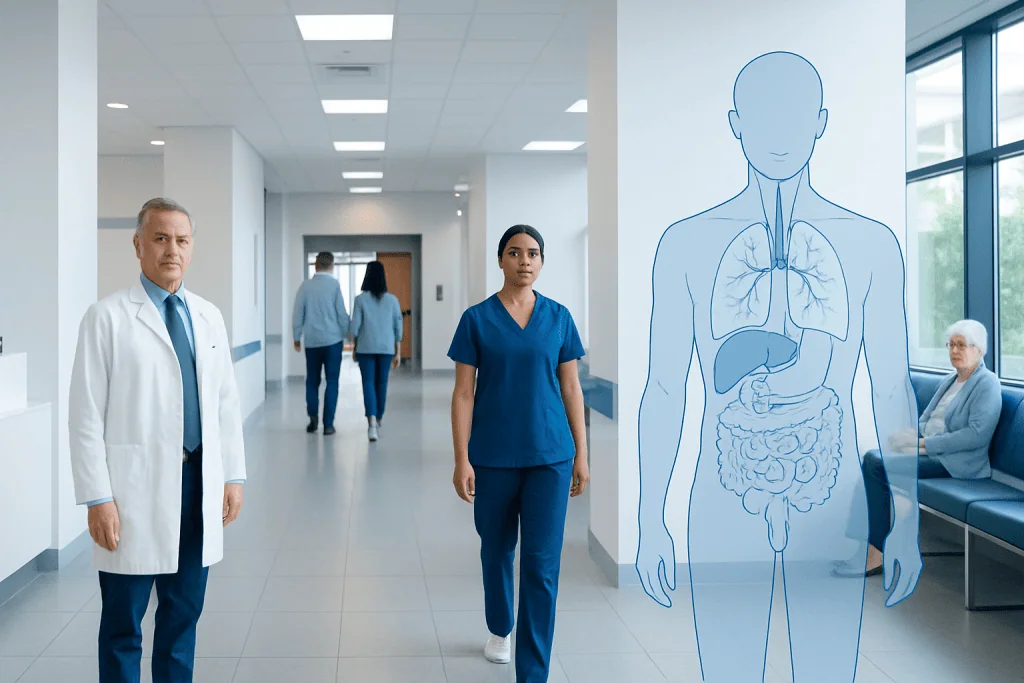
Exocrine glands release their products through ducts onto body surfaces or into body spaces. Major exocrine glands include sweat, salivary, tear, oil, mammary and pancreatic glands.
Key Takeaways
- Exocrine glands release their products through ducts onto body surfaces or into body spaces.
- Major exocrine glands include sweat, salivary, tear, oil, mammary and pancreatic glands.
- The exocrine system differs from the endocrine system, which releases hormones directly into the bloodstream.
- Symptoms such as persistent dry mouth, unusual sweating, recurrent gland swelling or oily stools may need medical assessment.
- Treatment depends on the affected gland and the underlying cause, rather than on the exocrine system as a whole.
The exocrine system is a network of glands that makes and releases substances through small channels called ducts. These secretions, including sweat, saliva, tears, oils and digestive enzymes, support temperature control, digestion, eye comfort, skin protection and other everyday body functions.
Overview: What Is the Exocrine System?
The exocrine system is the collection of glands that produce substances and deliver them through tubes or channels called ducts. Depending on the gland, these substances are released onto the skin, into the mouth, into the eyes, or into organs such as the intestine. The system helps the body carry out many practical day-to-day functions, from cooling itself through sweating to breaking down food after a meal.
Exocrine secretions are not all the same. Sweat is mainly water and salts; saliva helps moisten food and begins digestion; tears protect and lubricate the eye; skin oils help support the skin barrier; and pancreatic enzymes help digest fats, proteins and carbohydrates. Some glands produce mucus, which lines and protects areas such as the airways and digestive tract.
People do not usually think about the exocrine system unless a gland is blocked, inflamed, producing too little secretion, or producing an excessive amount. Problems may affect one type of gland or occur as part of a broader medical condition. The appropriate evaluation depends on the symptom, the gland involved and a person’s overall health history.
How Exocrine Glands Work
Exocrine glands contain specialized cells that make a particular secretion. Their ducts carry that secretion to its destination. For example, salivary ducts empty saliva into the mouth, while ducts in the pancreas carry digestive juices into the first part of the small intestine. A duct can be very small and microscopic or large enough to be seen during imaging or surgery.
Many exocrine glands respond to signals from nerves, hormones and local changes in the body. Heat, exercise and emotional stress can increase sweat production. The sight, smell or taste of food can stimulate saliva. Eating a meal signals the pancreas to release digestive enzymes. These responses are normal and help the body adapt to changing needs.
Glands may be classified by the way they release secretions. Some release material by exocytosis, a process in which cells package and release substances without losing part of themselves. Others release oily materials in a different way. This microscopic classification is useful in medical science, but for patients, the main point is that each gland has a specific role and a route for delivering its secretion.
Major Exocrine Glands and Their Roles
Sweat glands in the skin help regulate body temperature. Eccrine sweat glands produce watery sweat, especially on the palms, soles and forehead. Apocrine glands are concentrated in areas such as the armpits and groin; their secretions can contribute to body odor when they interact with skin bacteria. Sebaceous glands also sit within the skin and produce sebum, an oily substance that helps protect the skin and hair.
Salivary glands produce saliva to keep the mouth moist, support speech and swallowing, protect teeth and begin the digestion of starches. Lacrimal glands produce tears that wash the eye surface and contribute to clear, comfortable vision. Mammary glands produce milk after pregnancy and childbirth, under the influence of hormonal changes.
The pancreas has both exocrine and endocrine functions. Its exocrine portion produces digestive enzymes and bicarbonate, which travel through pancreatic ducts into the small intestine. These secretions help digest food and reduce stomach acid as it enters the intestine. The endocrine portion releases hormones, including insulin and glucagon, directly into the bloodstream to help regulate blood glucose.
Other exocrine tissues include mucus-producing glands in the nose, airways and digestive tract. Their secretions trap particles, maintain moisture and help protect delicate surfaces. Together, these glands show that the exocrine system is involved in many body systems rather than being limited to one organ.
Exocrine System vs. Endocrine System
The main difference between exocrine and endocrine glands is where their products go. Exocrine glands use ducts to deliver secretions to a body surface or into a body cavity. Endocrine glands are ductless and release hormones directly into the bloodstream, allowing those hormones to travel to target tissues elsewhere in the body.
For example, sweat glands are exocrine because they release sweat through ducts onto the skin. The thyroid is endocrine because it releases thyroid hormones into the blood. The pancreas illustrates why the two systems can sometimes be confusing: it has an exocrine role in digestion and an endocrine role in blood sugar regulation.
Both systems are essential and can influence one another. Hormones may affect the activity of exocrine glands, while illness involving an organ with exocrine functions can also affect nutrition, inflammation or metabolic health. A clinician can help determine whether symptoms are more likely related to glands, hormones, medications, nutrition, infection or another cause.
Conditions That Can Affect Exocrine Function
Exocrine gland problems may develop because of blockage, infection, inflammation, autoimmune disease, inherited conditions, injury, medication effects or aging-related changes. A blocked salivary duct, for instance, may cause pain and swelling around a salivary gland, often around meals. Sweat glands may become inflamed or blocked, and sebaceous glands can contribute to acne or cyst formation.
Reduced pancreatic enzyme production is called exocrine pancreatic insufficiency. It can occur in conditions that damage the pancreas, including chronic pancreatitis, cystic fibrosis or after some pancreatic operations. When enzyme levels are too low, the body may have difficulty absorbing nutrients, particularly fat. Symptoms can include frequent loose or oily stools, bloating, abdominal discomfort and unintended weight loss, but these symptoms can also have other causes.
Dry mouth or dry eyes may result from dehydration, certain medicines, diabetes, autoimmune conditions, prior radiation treatment or other health concerns. Excess sweating can be a normal response to heat or exertion, but it may also be bothersome or associated with medications, infections, hormonal changes or other conditions. Persistent or new symptoms deserve individualized assessment rather than self-diagnosis.
Some exocrine conditions are temporary and improve once the cause is treated. Others require ongoing symptom management, nutritional support or specialist follow-up. Identifying the source of the problem is important because the same symptom, such as abdominal discomfort or dry mouth, can arise from many different conditions.
How Doctors Evaluate Exocrine Symptoms
Assessment usually begins with a discussion of symptoms, their timing and possible triggers. A clinician may ask about sweating patterns, fluid intake, dry eyes or mouth, skin changes, bowel habits, appetite, weight changes, medication use and family history. They may also ask whether symptoms occur after meals, during exercise, at night or in connection with particular foods.
A physical examination can help identify signs such as gland swelling, skin inflammation, mouth dryness, eye irritation, abdominal tenderness or signs of poor nutrition. Further tests depend on the suspected problem. These may include blood tests, stool tests, imaging studies, tests of tear or saliva production, or endoscopic procedures in selected cases.
For suspected pancreatic exocrine insufficiency, clinicians may use a stool test that measures pancreatic enzyme activity, along with nutritional testing or imaging when appropriate. For a salivary gland problem, ultrasound or other imaging may be considered if a stone, infection or mass is suspected. Testing is chosen carefully to answer a specific clinical question.
Patients can help by recording symptoms before an appointment. Useful details include when symptoms began, what makes them better or worse, changes in diet or medicines, and any associated fever, pain, diarrhea, weight change or difficulty swallowing. This information can support a clearer and more efficient evaluation.
Treatment and Everyday Support
There is no single treatment for the exocrine system because different glands have different conditions. Care focuses on the cause. A blocked or infected gland may require measures to improve drainage, medicines or a procedure. Skin gland disorders may be managed with skin care, topical treatments or prescription medicines. Persistent dry-eye or dry-mouth symptoms may benefit from protective products and treatment of contributing conditions.
When the pancreas does not make enough digestive enzymes, clinicians may recommend pancreatic enzyme replacement therapy with meals and snacks. Nutrition advice can also be important, particularly when there is difficulty maintaining weight or absorbing fat-soluble vitamins. Dietary changes should be individualized, since overly restrictive diets can worsen nutritional concerns.
Simple habits can support normal exocrine function and comfort. Regular hydration can help with normal saliva and sweat production. Good oral hygiene supports salivary gland and dental health. Gentle skin care, sun protection and avoiding harsh products can protect the skin barrier. People with recurrent symptoms should avoid repeatedly self-treating without understanding the cause.
Acibadem International’s multidisciplinary specialists and JCI-accredited hospitals evaluate and treat conditions affecting exocrine glands for international patients. The right care plan should always be based on a qualified clinician’s assessment, symptoms and medical history.
When to Seek Medical Care
Medical advice is appropriate for symptoms that persist, recur or interfere with eating, sleeping, daily activities or quality of life. Examples include ongoing dry mouth or dry eyes, repeated salivary gland swelling, severe or unexplained sweating, recurring skin lumps or drainage, or digestive symptoms that do not settle. A doctor can assess whether the symptoms relate to an exocrine gland or another health issue.
Prompt medical assessment is especially important for significant abdominal pain, vomiting, fever with gland swelling, yellowing of the skin or eyes, dehydration, blood in the stool, difficulty swallowing, or unintentional weight loss. These symptoms do not always indicate a serious condition, but they should not be ignored.
Emergency care may be needed for severe weakness, confusion, fainting, signs of severe dehydration, sudden severe abdominal pain, or trouble breathing or swallowing. Seeking timely care helps clinicians identify the cause and provide suitable treatment without unnecessary delay.
Frequently asked questions
What is the main function of the exocrine system?
The exocrine system produces substances that are released through ducts to a body surface or into a body space. These substances include sweat, saliva, tears, mucus, skin oils and digestive enzymes. Their functions include cooling the body, protecting tissues, lubricating surfaces and helping digest food.
What is the difference between exocrine and endocrine glands?
Exocrine glands use ducts to carry their secretions to a specific location, such as the skin, mouth or intestine. Endocrine glands release hormones directly into the bloodstream. The pancreas has both exocrine and endocrine functions.
Which organs are part of the exocrine system?
Important exocrine glands include sweat glands, sebaceous glands, salivary glands, lacrimal glands, mammary glands and the exocrine part of the pancreas. Mucus-producing glands in the airways and digestive tract also have exocrine roles. These glands are located throughout the body.
What are signs of exocrine pancreatic insufficiency?
Possible signs include loose, greasy or difficult-to-flush stools, bloating, excess gas, abdominal discomfort and unexplained weight loss. These symptoms are not specific to pancreatic insufficiency and can occur with other digestive conditions. A clinician can arrange appropriate testing if pancreatic enzyme deficiency is suspected.
Can dehydration affect exocrine glands?
Yes. Dehydration can reduce saliva production and contribute to dry mouth, and it can affect normal sweating responses. It may also make tears feel less comfortable for some people. Persistent dryness should be discussed with a healthcare professional, especially when it occurs despite adequate fluid intake.
Can medications cause dry mouth or reduced sweating?
Some medicines can affect saliva, sweating or tear production as a side effect. This may include certain medicines used for allergies, mood conditions, bladder symptoms, pain or blood pressure, among others. A person should not stop a prescribed medicine without medical advice, but should discuss troublesome symptoms with the prescribing clinician.
This article is for general information only and is not a substitute for professional medical advice. Please consult a qualified doctor about your individual situation.
Explore treatments in Turkey — costs, top hospitals & a free quote
JCI-accredited · board-certified surgeons · reply within 24h
Add us as a Preferred Source to see more of our trusted health content across Google Search, AI Overviews and Discover.

More from the Health Library

Anabolism: A Complete Medical Overview

Ear Tubes — Explained by Medical Evidence, Not Myths

Skeletal System Cool Facts: What Patients Need to Know

Leprosy: What Patients Need to Know

2 Liter Soda: What Patients Need to Know