Leprosy: What Patients Need to Know

Leprosy, also called Hansen's disease, is caused by Mycobacterium leprae and is treatable. Common signs include skin patches with reduced sensation, numbness, and weakness in the hands or feet.
Key Takeaways
- Leprosy, also called Hansen's disease, is caused by Mycobacterium leprae and is treatable.
- Common signs include skin patches with reduced sensation, numbness, and weakness in the hands or feet.
- Diagnosis is based on symptoms, skin and nerve examination, and sometimes laboratory testing.
- Treatment uses multidrug antibiotic therapy over several months, depending on the type of disease.
- Early medical care helps prevent nerve damage, disability, and eye complications.
Leprosy is a chronic bacterial infection that mainly affects the skin, peripheral nerves, eyes, and lining of the nose. It is curable, and early diagnosis with appropriate treatment can prevent disability and support full recovery.
Overview: what leprosy is and why early care matters
Leprosy is a chronic infectious disease caused mainly by Mycobacterium leprae. It most often affects the skin and peripheral nerves, but it can also involve the eyes and the lining of the nose. Although it has a long history and is often misunderstood, leprosy is now a curable condition when it is diagnosed and treated appropriately.
One of the most important things for patients to know is that leprosy usually develops slowly. Early symptoms can be subtle, such as a light or reddish skin patch that feels numb, tingling in the hands or feet, or weakness in small muscles. Because these changes can progress gradually, people may not seek help until nerve damage has already started.
Leprosy is not highly contagious. In most cases, transmission requires close and prolonged contact with an untreated person who has the infection. Once treatment begins, the risk of spreading the disease falls greatly. This is why prompt medical evaluation is helpful not only for the person affected, but also for household and close contacts.
The term Hansen’s disease is often used instead of leprosy to reduce stigma and reflect current medical understanding. Modern care focuses on early diagnosis, effective antibiotics, monitoring of nerve health, and support for any physical or emotional effects the condition may cause.
How leprosy affects the body
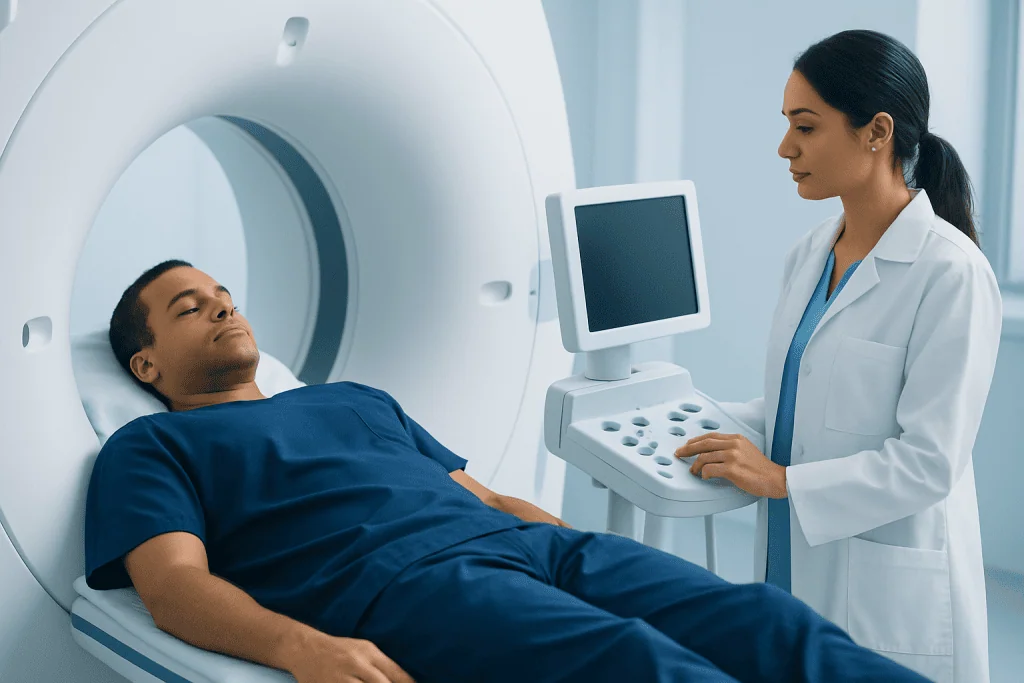
Leprosy primarily targets cooler areas of the body, especially the skin, superficial nerves, upper airway lining, and eyes. The bacteria can injure peripheral nerves, which are the nerves outside the brain and spinal cord. This nerve involvement is what makes leprosy clinically important, because it can lead to loss of sensation, muscle weakness, and injuries that go unnoticed.
When sensation is reduced, a person may not feel pain from cuts, burns, or pressure. Repeated unnoticed injuries can cause ulcers, deformities, or infections over time. Weakness in the small muscles of the hands and feet may also affect grip, walking, or daily tasks.
The disease does not look the same in every patient. Some people have only a few skin lesions and limited nerve involvement, while others have more widespread disease. Doctors may describe leprosy as paucibacillary or multibacillary, based on the number of lesions and signs of bacterial load. This classification helps guide treatment length and follow-up.
Leprosy can also trigger immune reactions before, during, or after treatment. These reaction episodes do not necessarily mean treatment has failed, but they can cause sudden redness, swelling, pain in lesions, or worsening nerve symptoms. Because nerve inflammation can lead to permanent damage if ignored, ongoing medical monitoring is important.
Symptoms and signs patients may notice
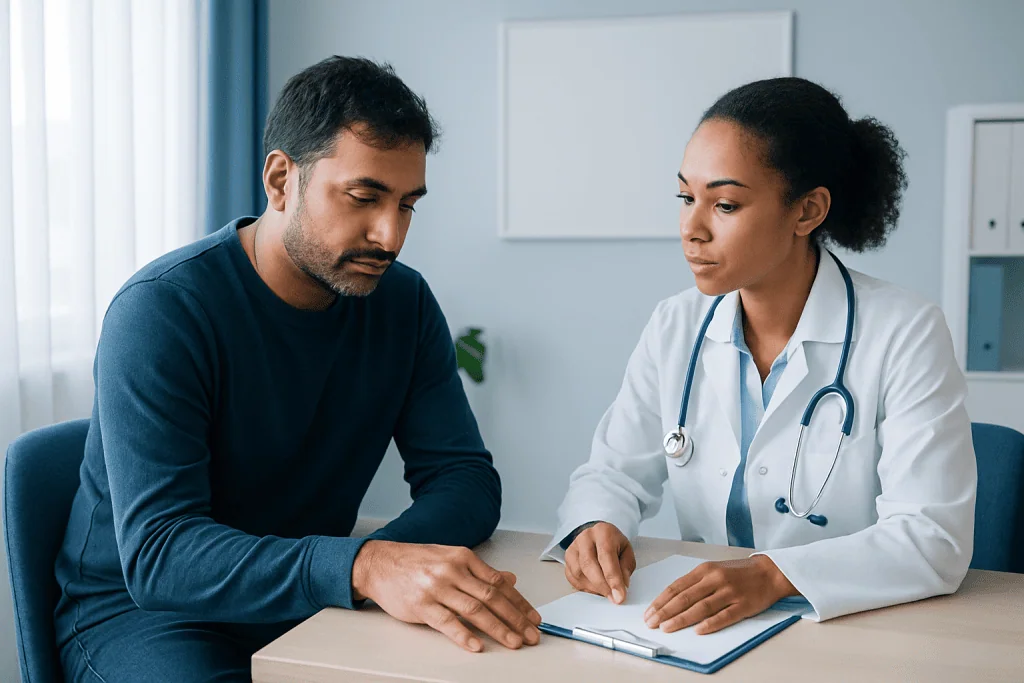
The symptoms of leprosy often begin with changes in the skin or sensation. A patch may appear lighter than the surrounding skin, reddish, dry, or hairless. The most characteristic feature is reduced feeling in that area, including less sensitivity to touch, heat, or pain.
Patients may also develop numbness, tingling, burning, or weakness in the hands, feet, arms, or legs. In some cases, thickened peripheral nerves can be felt near the elbow, knee, or neck. If the facial nerves or eye area are involved, dryness of the eyes, reduced blinking, or vision problems may occur.
- Light, red, or copper-colored skin patches with decreased sensation
- Numbness or tingling in the hands or feet
- Weakness in fingers, hands, toes, or feet
- Dry or thickened skin
- Painless wounds or burns due to loss of sensation
- Eye dryness, redness, or trouble closing the eyelids fully
- Nasal stuffiness or nosebleeds in some cases
Some people may mistake these symptoms for other conditions, especially if there is only one patch or mild numbness. Disorders involving peripheral nerves can have overlapping signs, which is one reason a careful neurological and skin examination is useful. If numbness or weakness is a major concern, a doctor may also consider related nerve conditions such as peripheral neuropathy during the evaluation.
Causes, transmission, and risk factors
Leprosy is caused by bacteria, most commonly Mycobacterium leprae. The exact way it spreads is not always straightforward, but the best current evidence suggests transmission usually happens through respiratory droplets during close, repeated contact with an untreated person. It is not typically spread through casual brief contact such as shaking hands, sitting nearby, or sharing a meal occasionally.
Not everyone exposed to the bacteria develops the disease. The body’s immune response plays a major role in whether infection occurs and how severe it becomes. This helps explain why leprosy may affect people differently, even in the same household or community.
Risk tends to be higher for people who live in or have spent long periods in regions where leprosy is more common, especially if there has been close contact with an untreated case. Living conditions, delayed access to healthcare, and reduced awareness of early symptoms can also increase the chance that disease is recognized later.
It is important to address a common concern: leprosy is not a sign of poor hygiene, and it should not be viewed as a personal failing. Stigma can delay diagnosis and treatment, so clear, factual information is an essential part of care.
Diagnosis: how doctors confirm leprosy
Doctors diagnose leprosy by combining medical history, physical examination, and selected tests. The examination usually focuses on skin lesions, sensation in those areas, muscle strength, and peripheral nerves. A classic clinical clue is a skin patch with reduced feeling, especially when accompanied by nerve thickening or weakness.
Laboratory support may include a skin smear or skin biopsy. A biopsy can help identify the bacteria or the tissue pattern typical of leprosy, and it may also help distinguish the disease from other skin or nerve disorders. In some settings, additional specialized tests may be used, but diagnosis often remains strongly clinical.
Because the infection can affect nerves deeply, the workup may also include assessment of nerve function over time. If there is significant numbness, weakness, or diagnostic uncertainty, further evaluation of the nervous system may be needed. In selected cases, doctors may use EMG testing to better understand nerve or muscle involvement, although this is not required for every patient with leprosy.
Eye evaluation is also important if facial weakness, dryness, or visual symptoms are present. In centers with broad expertise, diagnosis may involve collaboration between dermatology, infectious diseases, neurology, ophthalmology, and rehabilitation specialists. This team-based approach can be helpful when symptoms overlap with other skin or nerve conditions.
Treatment options and long-term outlook
Leprosy is treated with multidrug therapy, a combination of antibiotics given for a defined period based on the type of disease. The exact medicines and duration depend on whether the leprosy is classified as paucibacillary or multibacillary. Completing the full treatment course is essential, even when symptoms begin to improve.
Antibiotics kill the bacteria and stop the infection from progressing, but nerve symptoms may improve more slowly. If nerve damage existed before treatment started, recovery may be partial rather than complete. This is why early diagnosis matters: the sooner treatment begins, the better the chance of preventing lasting problems.
Some patients develop inflammatory reaction episodes that need additional treatment, often to protect the nerves and reduce swelling or pain. Doctors may also recommend wound care, protective footwear, hand therapy, eye lubrication, and rehabilitation. If weakness or disability develops, care may overlap with services used in physical therapy and rehabilitation to preserve movement, strength, and daily function.
Patients with skin lesions may be assessed in a dermatology setting, while those with pronounced nerve symptoms may benefit from a broader neurological evaluation. Depending on the presentation, doctors may consider support from dermatology care or neurology care as part of a multidisciplinary plan. Near the end of treatment and follow-up, Acibadem International’s multidisciplinary specialists and JCI-accredited hospitals also diagnose and treat leprosy-related problems for international patients when coordinated specialist care is needed.
Prevention, self-care, and living well with leprosy
There is no single everyday action that fully prevents leprosy, but early diagnosis and treatment are the most effective ways to reduce spread and complications. Close contacts of a person with leprosy may be advised to have medical evaluation, particularly if they develop skin patches, numbness, or weakness. Public health guidance may differ by region.
Self-care is especially important when sensation is reduced. Patients are often encouraged to check their hands and feet daily for cuts, burns, blisters, or pressure points. Wearing protective footwear, avoiding very hot surfaces, and moisturizing dry skin may help reduce injury. Gentle range-of-motion exercises can support joint mobility when weakness or stiffness is present.
Eye protection is another key part of self-care if blinking is reduced or dryness develops. Lubricating eye drops, eye shields, and prompt review of any redness or pain may help prevent complications. If ulcers or wounds occur, professional wound care is important because injuries may worsen without causing pain.
Emotional support also matters. Fear, shame, or social isolation can affect quality of life, even when the infection is fully treatable. Clear communication with healthcare professionals, family education, and practical rehabilitation support can help people stay active and independent during recovery.
When to seek medical care
A person should seek medical care if they notice a skin patch that feels numb, persistent tingling or numbness in the hands or feet, unexplained weakness, or repeated injuries that are not painful. These symptoms do not always mean leprosy, but they do deserve timely assessment. Early evaluation can help identify the cause and reduce the risk of complications.
More urgent review is appropriate if there is sudden worsening of numbness, new weakness, severe nerve pain, red and swollen skin lesions, eye pain, or difficulty closing the eyes. These can be signs of active nerve inflammation or reaction episodes that need prompt treatment to protect function.
People who have close household contact with someone diagnosed with leprosy should ask a doctor whether screening or follow-up is advisable. This is especially relevant if they live in or have traveled for extended periods in areas where the disease remains more common.
Because diagnosis can sometimes overlap with other skin and nerve disorders, a qualified doctor should guide testing and treatment. Self-diagnosis is not reliable, and early specialist input may be helpful when symptoms are unclear or progressing.
Frequently asked questions
Is leprosy curable?
Yes. Leprosy is curable with multidrug antibiotic treatment prescribed by a doctor. Early treatment is especially important because it can prevent nerve damage and other long-term complications.
How do people catch leprosy?
Leprosy is thought to spread mainly through close, prolonged contact with an untreated person, usually through respiratory droplets. It is not considered highly contagious, and casual contact does not usually lead to infection.
What are the first signs of leprosy?
Early signs often include one or more skin patches that are lighter, reddish, or dry and have reduced sensation. Some people also notice numbness, tingling, or weakness in the hands or feet.
Can leprosy cause permanent disability?
It can if diagnosis and treatment are delayed, mainly because of nerve damage and repeated unnoticed injuries. Prompt treatment and careful self-care greatly reduce this risk.
Is leprosy the same as a common skin disease?
No. Although leprosy can appear as skin patches, it is an infectious disease that also affects peripheral nerves, and sometimes the eyes and nose. This combination of skin and nerve findings helps doctors distinguish it from many common skin conditions.
Does treatment stop leprosy from spreading?
Starting appropriate treatment greatly reduces the risk of transmission. Following the full prescribed treatment course is important for controlling the infection effectively.
References
- World Health Organization
- Centers for Disease Control and Prevention
- National Institute of Allergy and Infectious Diseases
- MedlinePlus
- International Federation of Anti-Leprosy Associations
This article is for general information only and is not a substitute for professional medical advice. Please consult a qualified doctor about your individual situation.
Explore treatments in Turkey — costs, top hospitals & a free quote
JCI-accredited · board-certified surgeons · reply within 24h
Add us as a Preferred Source to see more of our trusted health content across Google Search, AI Overviews and Discover.

More from the Health Library



Related Specialists

Prof. Dr. M. Nadir Şener
Orthopedic Surgery & Traumatology
Dr. Mehmet Malçok
Pediatrics
Dr. Canan Öner
Clinical Laboratory
Assoc. Prof. Dr. Selçuk Keskin
Urology