Pulsating Neck Pregnancy: A Complete Clinical Guide for Patients

Pregnancy naturally increases blood volume, heart rate, and cardiac output, which can make pulses more noticeable. A visible pulse at the base of the neck may come from the carotid artery or jugular vein and is not, by itself, a diagnosis.
Key Takeaways
- Pregnancy naturally increases blood volume, heart rate, and cardiac output, which can make pulses more noticeable.
- A visible pulse at the base of the neck may come from the carotid artery or jugular vein and is not, by itself, a diagnosis.
- Pulsating neck pregnancy symptoms are not a reliable sign of pregnancy or a way to judge fetal wellbeing.
- Palpitations, anemia, thyroid disorders, heart rhythm conditions, and rarely heart or blood-vessel problems can contribute to prominent pulsations.
- Urgent care is needed for chest pain, severe breathing difficulty, fainting, new neurologic symptoms, or a rapidly growing neck swelling.
A pulsating neck during pregnancy is commonly related to the normal increase in blood volume and heart activity that supports the developing baby. However, a new, persistent, or uncomfortable neck pulsation—especially with shortness of breath, chest pain, fainting, or swelling—deserves timely medical assessment.
Pulsating Neck During Pregnancy: What It Usually Means
A pulsating neck during pregnancy is often noticed when a person sees or feels a rhythmic movement near the collarbone, at the side of the neck, or in the hollow above the breastbone. In many cases, this reflects normal cardiovascular adaptation to pregnancy: the body circulates more blood and the heart works more actively to supply the placenta and developing baby. These changes can make a normal arterial pulse more visible, particularly in people with a slender neck, warm skin, anxiety, or after physical activity.
The term “pulsating neck pregnancy” is a symptom description rather than a medical diagnosis. A pulse felt on either side of the neck is usually from the carotid arteries, which deliver blood to the brain. A soft, changing fullness lower in the neck can sometimes reflect the jugular veins, which return blood to the heart. A clinician can distinguish these findings by examining the neck and considering the person’s symptoms, blood pressure, heart rate, and stage of pregnancy.
Most isolated, mild pulsation without other symptoms is not an emergency. Still, it should be mentioned at a routine antenatal appointment if it is new, persistent, troubling, or accompanied by a racing heartbeat. It is not a dependable sign of pregnancy, a measure of blood pressure, or an indication of the baby’s health.
Why Pregnancy Can Make Neck Pulses More Noticeable
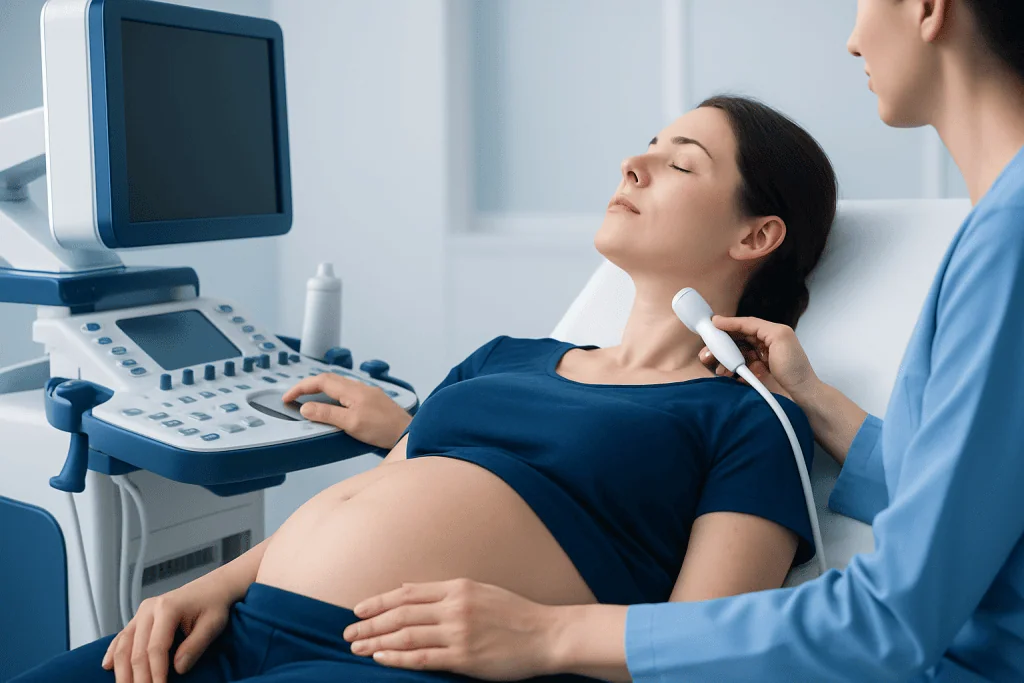
Beginning early in pregnancy, hormones relax blood vessels and the amount of blood circulating in the body gradually rises. The heart pumps more blood each minute, and the resting heart rate may increase modestly. These normal changes are most pronounced later in pregnancy and can make a heartbeat feel stronger in the chest, throat, ears, or neck.
Everyday factors can temporarily increase the awareness of pulsation. These include climbing stairs, bending, lying in certain positions, dehydration, fever, emotional stress, caffeine, nicotine exposure, and poor sleep. Symptoms may also be more noticeable after a large meal or when lying quietly and focusing on bodily sensations.
Pregnancy may also reveal conditions that make the circulation work harder. Iron-deficiency anemia, for example, can cause fatigue, breathlessness with exertion, and a faster or more forceful heartbeat. An overactive thyroid can cause palpitations, tremor, heat intolerance, and unintentional weight changes. These conditions are treatable, but they require assessment rather than self-diagnosis.
Patterns That Can Help Describe the Symptom

Helpful details include where the pulsation is located, whether it is visible or only felt, and whether it occurs at rest or only with activity. A steady pulse at the side of the neck that matches the heartbeat is commonly arterial. A pulse or fullness closer to the collarbone that changes with posture or breathing may be venous. These observations can help a clinician, but they cannot reliably identify the cause at home.
A person should also note related symptoms. A brief awareness of a strong heartbeat after exertion can be normal, while sustained palpitations may feel like pounding, fluttering, skipping, or an unusually rapid rhythm. Associated tiredness, dizziness, swelling, headache, reduced exercise tolerance, fever, neck pain, or a lump should be reported.
It is important not to repeatedly press, massage, or compare pulses by applying firm pressure to the neck. The carotid arteries are sensitive structures, and pressure can occasionally cause light-headedness or affect heart rate. Looking in a mirror, resting, drinking water if appropriate, and writing down the timing and associated symptoms are safer ways to monitor a new sensation before speaking with a healthcare professional.
- Often reassuring: mild, intermittent pulsation that settles with rest and has no other concerning symptoms.
- Worth discussing soon: frequent palpitations, persistent neck fullness, breathlessness beyond expected exertion, fatigue, or dizziness.
- Needs urgent assessment: chest pain, fainting, severe shortness of breath, weakness on one side of the body, or a painful rapidly enlarging neck swelling.
How Clinicians Assess a Pulsating Neck in Pregnancy
Assessment begins with a careful history. The clinician may ask when the symptom started, whether it is related to position or activity, whether the heartbeat feels regular, and whether there is a history of anemia, thyroid disease, high blood pressure, heart disease, blood clots, or previous pregnancy complications. Medication, supplement, caffeine, and stimulant use may also be reviewed.
A physical examination may include blood pressure, oxygen level, temperature, heart rate and rhythm, heart and lung examination, and a gentle inspection of the neck. The clinician may assess for swelling in the legs, thyroid enlargement, or signs of dehydration. Pregnancy care also includes checks relevant to gestational age and overall maternal wellbeing.
Depending on the findings, tests may include a blood count to look for anemia, thyroid-function tests, or an electrocardiogram to assess heart rhythm. If a structural heart concern is suspected, an echocardiogram may be considered; it uses sound waves and does not involve radiation. Ultrasound or specialist assessment may be arranged for a distinct neck lump or unusual blood-vessel finding. Testing is selected individually, and many people need only reassurance and routine follow-up.
Treatment and Pregnancy-Safe Management
Management depends on the underlying cause rather than the neck pulsation alone. When normal pregnancy circulation is the explanation, reassurance, hydration, rest, and avoiding known triggers may be enough. A clinician may recommend reducing caffeine or other stimulants when these appear to worsen a racing or pounding heartbeat.
If blood tests identify anemia, treatment may include dietary guidance and an iron supplement selected by the pregnancy care team. When thyroid disease, infection, high blood pressure, or an abnormal heart rhythm is identified, the obstetric team may work with relevant specialists to plan treatment that considers both maternal and fetal health. People should not start, stop, or change prescription medicines, herbal products, or supplements without professional advice during pregnancy.
Occasionally, a prominent jugular pulse can be associated with fluid balance or heart-function concerns, particularly when it occurs with breathlessness, swelling, or reduced ability to lie flat. Such findings need prompt clinical evaluation, but they are not assumed from neck pulsation alone. Care is guided by examination and appropriate tests, not by appearance in a mirror.
Practical Self-Care and Monitoring
For a mild symptom that has already been discussed with a clinician or has no warning features, simple measures can reduce discomfort. Regular fluids, balanced meals with adequate iron-containing foods, gradual position changes, and paced activity can support circulation. Resting on the side, often the left side later in pregnancy, may feel more comfortable for some people because it can reduce pressure on major abdominal blood vessels.
Keeping a short symptom record can be useful. This may include the date and time, activity just before symptoms began, duration, whether the pulse felt regular, and any associated breathlessness, dizziness, pain, or swelling. Bringing this information to an antenatal visit can make evaluation more precise.
Home blood-pressure devices can be useful when recommended by an obstetric clinician, but a neck pulse should not be used to estimate blood pressure. Anyone who has been advised to monitor blood pressure should follow the device instructions and contact their maternity team about readings outside their individualized plan. Routine prenatal appointments remain important because they monitor blood pressure, blood counts, fetal development, and other aspects of pregnancy health.
When to Seek Medical Care
A person should contact their obstetrician, midwife, or primary care clinician promptly if neck pulsation is new and persistent, occurs with a sustained fast or irregular heartbeat, or is accompanied by unusual fatigue, dizziness, swelling, trouble exercising, fever, or a new neck lump. The symptom may be benign, but checking for anemia, thyroid changes, and heart rhythm concerns can provide reassurance and appropriate treatment when needed.
Urgent medical care is appropriate for chest pain, severe or worsening shortness of breath, fainting or near-fainting, coughing up blood, blue or gray lips, confusion, or sudden weakness, numbness, trouble speaking, or vision changes. A painful, rapidly enlarging neck swelling also needs urgent assessment. These symptoms are uncommon, but they should not be managed at home during pregnancy.
After 20 weeks of pregnancy, severe headache, visual disturbances, sudden swelling of the face or hands, pain below the ribs, or markedly elevated blood pressure require urgent contact with maternity services because they may be associated with pregnancy-related blood-pressure complications. Acibadem International’s multidisciplinary specialists and JCI-accredited hospitals can assess cardiovascular and pregnancy-related concerns for international patients when coordinated specialist care is needed.
Frequently asked questions
Is a pulsating neck normal during pregnancy?
It can be normal, especially when the pulse is mild, intermittent, and not accompanied by other symptoms. Pregnancy increases blood volume and heart activity, which may make normal pulses easier to see or feel. A new or persistent symptom should still be mentioned at an antenatal appointment.
Can a neck pulse indicate pregnancy?
No. A visible or felt neck pulse is not a reliable sign of pregnancy. Pregnancy should be confirmed with an appropriate test and clinical care, rather than by changes in the pulse.
Why does my neck pulse more when I lie down?
Body position can change awareness of the heartbeat and the filling of veins in the neck. Quiet surroundings, lying flat, anxiety, and normal pregnancy circulation can also make pulsation more noticeable. If lying down causes significant breathlessness, chest discomfort, or dizziness, medical advice is needed promptly.
Can anemia cause a strong pulse during pregnancy?
Yes. Anemia can make the heart work harder to deliver oxygen around the body, sometimes causing a faster or more noticeable heartbeat. Blood testing can identify anemia, and a clinician can recommend pregnancy-appropriate treatment.
Should a person check the carotid pulse by pressing on the neck?
It is best to avoid pressing firmly or repeatedly on the sides of the neck. Pressure on the carotid area can cause discomfort or light-headedness in some people. Recording symptoms and discussing them with a clinician is safer and more informative.
When is neck pulsation in pregnancy an emergency?
Emergency assessment is needed if neck pulsation occurs with chest pain, severe shortness of breath, fainting, confusion, sudden neurologic symptoms, or a rapidly enlarging painful neck swelling. These symptoms may indicate a problem requiring urgent evaluation, even though they are not common.
References
- American College of Obstetricians and Gynecologists
- American Heart Association
- National Heart, Lung, and Blood Institute
- National Health Service
- World Health Organization
This article is for general information only and is not a substitute for professional medical advice. Please consult a qualified doctor about your individual situation.
Heart care in Turkey — expert evaluation and treatment
JCI-accredited · board-certified surgeons · reply within 24h
Add us as a Preferred Source to see more of our trusted health content across Google Search, AI Overviews and Discover.
Check your numbers in seconds
BMI, calories, due date, blood pressure and 30+ more clinical calculators — free, instant, doctor-reviewed ranges.