Understanding Post Viral Syndrome: A Complete Patient Guide

Post viral syndrome can cause fatigue, poor concentration, sleep changes, pain and other symptoms for weeks or longer after a viral illness. It is a recognized pattern of recovery, but persistent symptoms should not be self-diagnosed because other medical conditions can cause similar problems.
Key Takeaways
- Post viral syndrome can cause fatigue, poor concentration, sleep changes, pain and other symptoms for weeks or longer after a viral illness.
- It is a recognized pattern of recovery, but persistent symptoms should not be self-diagnosed because other medical conditions can cause similar problems.
- Pacing activities, prioritizing sleep, regular meals and gentle, symptom-guided movement can support recovery for many people.
- A clinician may use the history, examination and selected tests to exclude complications or unrelated conditions.
- Urgent medical care is important for chest pain, severe shortness of breath, fainting, new weakness or other sudden concerning symptoms.
Post viral syndrome describes persistent or new symptoms that continue after the acute phase of a viral infection has improved. Recovery is often gradual, and a medical assessment can help rule out other causes, manage symptoms and create a safe, individualized plan for returning to usual activities.
Overview: what is post viral syndrome?
Post viral syndrome is a term used when symptoms persist after the main infection caused by a virus has passed. A person may no longer have fever, a sore throat, vomiting or other signs of the acute illness, yet continue to feel unusually tired, unwell or unable to resume their previous level of activity. Symptoms may follow influenza, COVID-19, glandular fever and many other viral infections.
There is no single test that confirms post viral syndrome. Instead, clinicians consider the timing of symptoms, the type of illness that came before them, the person’s overall health and whether another explanation needs attention. Symptoms are real and can affect work, education, family life and emotional wellbeing, even when routine examinations or test results are reassuring.
Recovery differs greatly between individuals. Some people improve steadily over a few weeks, while others have symptoms that fluctuate over months. A practical care plan focuses on recognizing symptom patterns, avoiding overexertion, treating specific problems and checking for conditions that may need separate treatment.
Common symptoms and how they can affect daily life
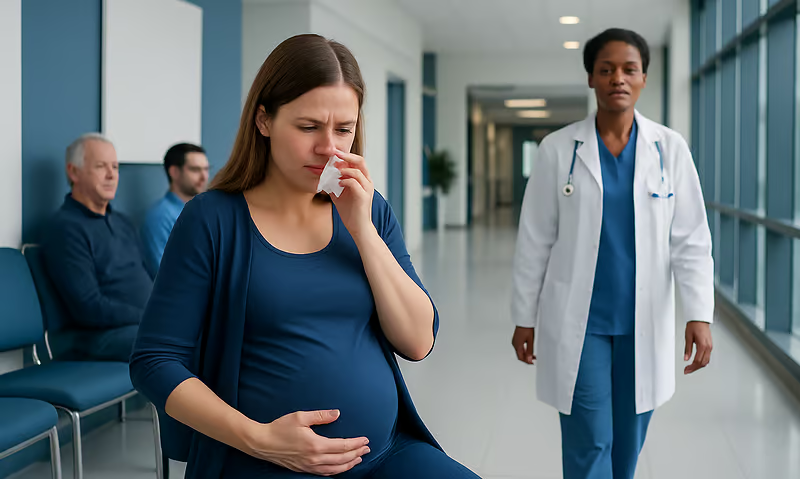
Profound fatigue is one of the most frequently reported symptoms. This is more than ordinary tiredness: it may feel disproportionate to the activity completed and may not fully improve with one night of sleep. Some people experience worsening symptoms after physical, cognitive or emotional effort, sometimes later that day or the following day.
Other possible symptoms include difficulty concentrating or finding words, headaches, muscle or joint aches, dizziness, palpitations, disturbed sleep, low mood, anxiety, cough, breathlessness, changes in smell or taste, and digestive upset. Symptoms vary with the virus involved and do not occur in every person. Having a symptom does not automatically mean it is caused by the previous infection.
Symptoms can wax and wane. A person may feel better for several days, do more than usual, and then have a setback. Keeping a simple record of activity, sleep, symptoms and possible triggers can help identify a sustainable routine and provide useful information during a clinical appointment.
Why symptoms may continue after a viral infection

The exact causes of post viral symptoms are not fully understood and are likely to differ between people. During an infection, the immune system produces a broad response that can temporarily affect energy, sleep, muscles, the nervous system and many other body systems. In some people, these effects take longer to settle after the virus is no longer causing an acute illness.
Inflammation, changes in the autonomic nervous system, disrupted sleep, reduced activity during illness and the stress of being unwell may all contribute. A severe original infection can increase the chance of a prolonged recovery, but post viral symptoms can also occur after an infection that seemed mild. It is therefore important not to dismiss symptoms based only on how serious the initial illness appeared.
Post viral syndrome is not the same as an ongoing contagious infection. It is also not a single diagnosis with one proven cause or treatment. In particular, persistent symptoms after COVID-19 may be assessed as post-COVID-19 condition, which has its own clinical guidance, while still sharing features with other post-viral recovery patterns.
Who may be affected and what can increase risk
Anyone can experience a slower recovery after a viral infection, including people who were previously healthy and active. The duration and severity of the original illness, pre-existing medical conditions, sleep quality, psychological stress and the demands of work or caregiving may influence recovery. These factors do not mean that a person is responsible for their symptoms; they simply help guide supportive care.
People with asthma, heart disease, diabetes, autoimmune conditions or mental health concerns may need closer follow-up because a viral illness can worsen an existing condition or because symptoms may overlap. Children and teenagers can also develop prolonged symptoms, although the evaluation and support plan should be adapted to their age, development and school needs.
Some symptoms require careful assessment rather than being assumed to be post viral syndrome. For example, fatigue may be related to anemia, thyroid disorders, medication effects, sleep disorders, depression or other illnesses. Breathlessness, chest symptoms and palpitations may also have respiratory or cardiovascular causes that should be considered by a qualified clinician.
How post viral syndrome is assessed
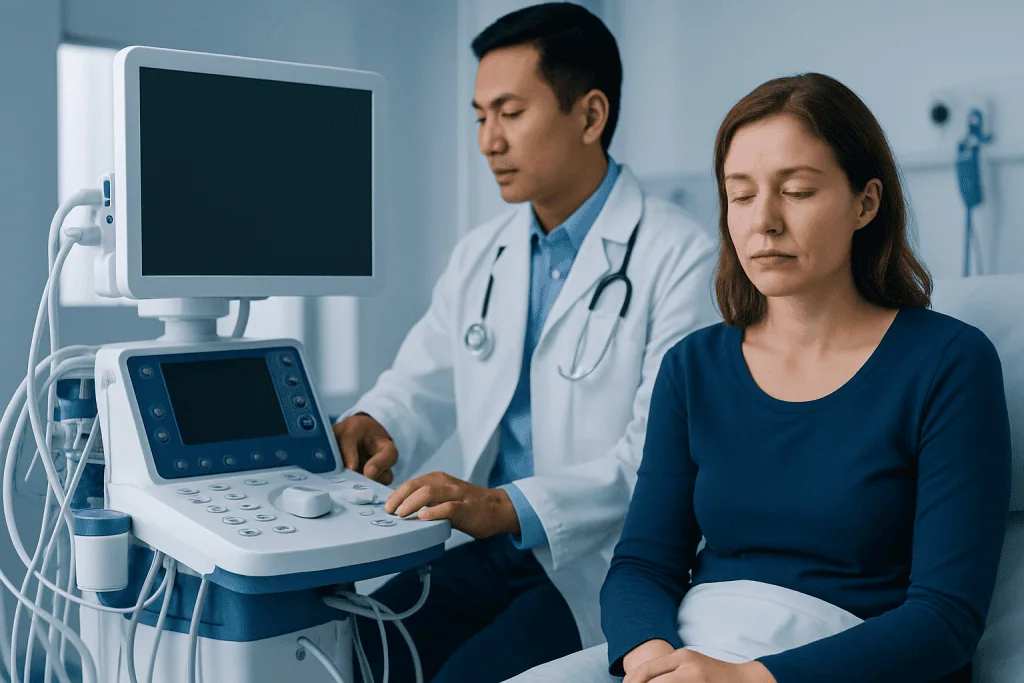
A healthcare professional will usually begin by asking about the earlier infection, when symptoms started, how they have changed and how they affect everyday function. They may ask about sleep, mood, diet, medicines, menstrual history where relevant, work demands and previous health conditions. A physical examination can check the heart, lungs, nervous system, hydration and other relevant areas.
Tests are selected according to the symptoms and examination rather than performed routinely for everyone. Depending on the situation, these may include blood tests to look for anemia, inflammation, thyroid problems or nutritional concerns; heart rhythm testing; lung function testing; imaging; or assessment for sleep and mental health conditions. Normal results can be helpful because they reduce the likelihood of certain serious causes, but they do not mean symptoms are unimportant.
A clear diagnosis may take time, especially when symptoms change. Follow-up appointments allow the care team to review progress, reconsider the diagnosis if needed and adjust treatment. Bringing a symptom diary and a list of questions can make these appointments more productive.
Treatment, pacing and supportive recovery
There is no universal treatment for post viral syndrome, so care is tailored to the person’s main symptoms and level of function. The first goal is often to create a stable daily routine rather than to push for a rapid return to previous activity. Treatable problems such as asthma symptoms, migraine, sleep disturbance, anxiety, depression, iron deficiency or another identified condition should be managed appropriately.
Pacing is commonly helpful, particularly for people who notice delayed worsening after effort. This involves planning physical, mental and social activity within an energy limit, taking regular breaks and increasing activity only when symptoms have remained stable. It differs from forcing exercise through severe fatigue. A clinician or rehabilitation professional can advise on safe, individualized activity, especially when dizziness, breathlessness or heart symptoms are present.
Regular fluids, balanced meals, a consistent sleep-wake schedule and gentle relaxation practices may support recovery. Limiting alcohol, avoiding smoking and reviewing caffeine use can also help some symptoms. Medicines, supplements and alternative therapies should be discussed with a doctor or pharmacist, as “natural” products can have side effects or interact with prescribed treatments.
For people whose symptoms significantly affect mobility, work or school, rehabilitation may include occupational therapy, physiotherapy, psychological support or specialist referral. Acibadem International’s multidisciplinary specialists and JCI-accredited hospitals can assess persistent post-viral symptoms and coordinate care for international patients when appropriate.
When to seek medical care
Medical advice is appropriate when symptoms persist beyond the expected recovery period, interfere with daily activities, become worse, or create uncertainty about returning to work, school or exercise. An appointment is also sensible for ongoing fatigue, concentration difficulties, dizziness, palpitations, sleep problems, breathlessness or pain after a viral illness. Early review can identify treatable causes and help establish realistic recovery goals.
Urgent medical assessment is needed for chest pain or pressure, severe or worsening shortness of breath, fainting, coughing up blood, a new irregular or very rapid heartbeat, confusion, seizures, sudden weakness, facial drooping, difficulty speaking or a severe sudden headache. These symptoms may have causes unrelated to post viral syndrome and should not be managed by waiting at home.
People should also seek timely care if they have persistent fever, unexplained weight loss, signs of dehydration, worsening mental health, or thoughts of self-harm. Support from family, employers and schools can be valuable, but it should complement—not replace—medical evaluation when symptoms are substantial or changing.
Frequently asked questions
How long does post viral syndrome last?
The duration varies widely. Many people improve gradually within weeks, while others have symptoms for several months or longer. A clinician can review symptoms over time and check for factors that may be slowing recovery.
Is post viral syndrome the same as long COVID?
They are related but not identical terms. Post viral syndrome can occur after many viral infections, while long COVID, also called post-COVID-19 condition, specifically refers to symptoms following COVID-19. Both can involve fatigue, concentration problems and fluctuating symptoms.
Can exercise make post viral symptoms worse?
Some people can tolerate gentle, gradual activity, but others experience a delayed increase in fatigue or other symptoms after exertion. It is generally safer to use a paced, symptom-guided approach than to push through significant exhaustion. A clinician can advise on activity if there is breathlessness, dizziness, chest discomfort or palpitations.
What tests are used for post viral syndrome?
There is no single diagnostic test. A doctor may use the medical history, examination and targeted tests to look for other causes of fatigue or symptoms, such as anemia, thyroid disease, heart or lung conditions, sleep problems or medication effects. The choice of tests depends on the individual symptoms and health history.
Can post viral syndrome cause anxiety or low mood?
Living with prolonged symptoms can understandably affect mood, sleep and confidence. Anxiety and depression can also cause physical symptoms that overlap with post-viral symptoms, so discussing emotional wellbeing is an important part of comprehensive care. Psychological support may be helpful alongside medical treatment.
Is post viral syndrome contagious?
Post viral syndrome itself is not considered contagious because it describes symptoms that remain after the acute infection. However, a person should follow public health advice for the original viral illness, including recommended isolation or infection-control measures while they may still be infectious.
References
- World Health Organization
- Centers for Disease Control and Prevention
- National Institute for Health and Care Excellence
- National Health Service
- U.S. National Library of Medicine
This article is for general information only and is not a substitute for professional medical advice. Please consult a qualified doctor about your individual situation.
Explore treatments in Turkey — costs, top hospitals & a free quote
JCI-accredited · board-certified surgeons · reply within 24h
Add us as a Preferred Source to see more of our trusted health content across Google Search, AI Overviews and Discover.