Coronary Artery Spasm: What Patients Need to Know

Coronary artery spasm temporarily narrows an artery that supplies the heart, reducing oxygen delivery to the heart muscle. Chest pain often occurs at rest, particularly overnight or in the early morning, although symptoms vary between individuals.
Key Takeaways
- Coronary artery spasm temporarily narrows an artery that supplies the heart, reducing oxygen delivery to the heart muscle.
- Chest pain often occurs at rest, particularly overnight or in the early morning, although symptoms vary between individuals.
- The condition may occur with or without cholesterol-related narrowing in the coronary arteries.
- Calcium channel blockers are commonly used to prevent spasms; nitrates may help relieve or prevent symptoms.
- Smoking, cocaine and stimulant use, cold exposure, stress, and some medicines can trigger spasms in susceptible people.
- New, severe, or persistent chest pain should always be treated as a medical emergency.
Coronary artery spasm is a sudden, temporary tightening of a coronary artery that reduces blood flow to the heart muscle. It commonly causes chest pain at rest and is usually manageable with trigger avoidance and medicines prescribed by a cardiologist, but urgent assessment is important because symptoms can resemble a heart attack.
Overview: What Is Coronary Artery Spasm?
Coronary artery spasm is a brief, abnormal tightening of the muscle in the wall of a coronary artery, one of the blood vessels that carries oxygen-rich blood to the heart. The tightening makes the artery narrower and temporarily limits blood flow. This can cause chest pain and changes on an electrocardiogram (ECG), even when an artery does not have a major fixed blockage from plaque.
The condition is also called vasospastic angina or variant angina. It may sometimes be referred to as Prinzmetal angina, although clinicians increasingly use the term vasospastic angina. Episodes can be short and may resolve on their own or after prescribed nitrate medicine, but they should not be dismissed because reduced blood flow can occasionally lead to a heart attack or an abnormal heart rhythm.
Coronary artery spasm is different from the more familiar form of angina caused by a stable buildup of fatty plaque. Stable angina commonly appears during physical effort, when the heart needs more oxygen. In contrast, vasospastic angina often happens while a person is resting, including during the night or early morning. Some people have both coronary artery spasm and atherosclerotic coronary artery disease.
How It May Feel: Symptoms and Patterns
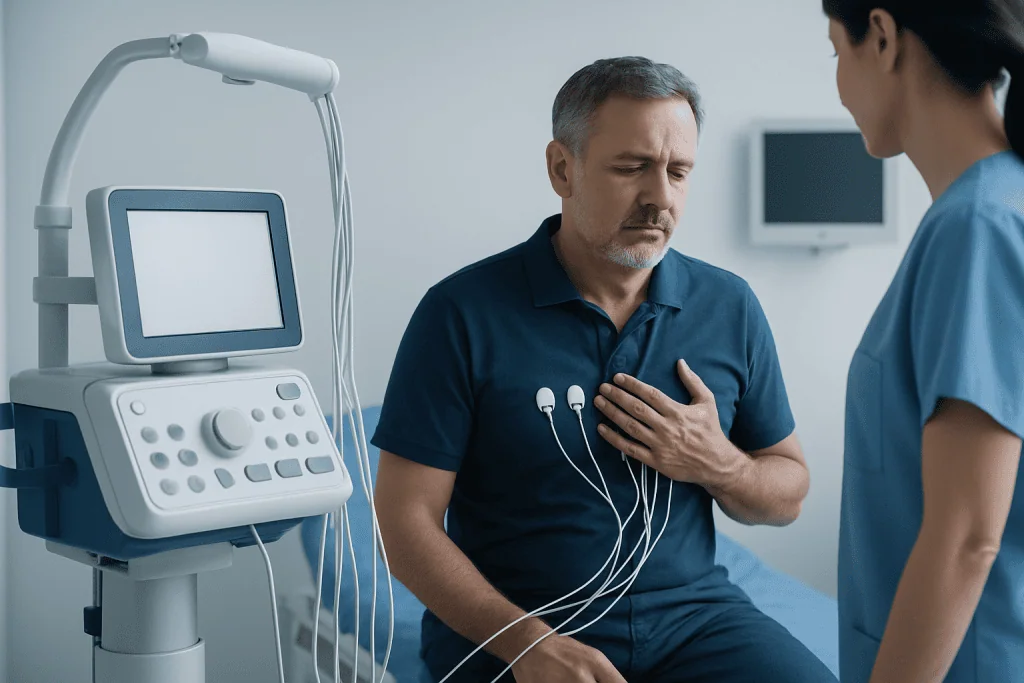
The most common symptom is pressure, tightness, squeezing, burning, or discomfort in the center or left side of the chest. Pain may spread to the shoulder, arm, neck, jaw, back, or upper abdomen. It can feel similar to a heart attack, indigestion, or other types of angina, so symptoms alone cannot reliably identify the cause.
A typical pattern is chest discomfort that develops at rest, often from midnight to early morning. Episodes may occur in clusters over days or weeks and then become less frequent for a time. Although exercise is not the usual trigger, some people may have symptoms with activity, especially early in the morning or in cold conditions.
Other possible symptoms include shortness of breath, sweating, nausea, dizziness, palpitations, unusual fatigue, or a feeling of faintness. Some people have no warning symptoms between episodes. Symptoms can differ by age, sex, and health history; for example, women, older adults, and people with diabetes may experience less typical discomfort rather than severe central chest pressure.
- Symptoms lasting more than a few minutes, becoming more intense, or returning repeatedly require urgent medical attention.
- Loss of consciousness, severe breathlessness, or a rapid or irregular heartbeat may signal a serious complication.
- Chest symptoms should never be assumed to be caused by anxiety, reflux, or muscle strain without appropriate medical evaluation.
Why Spasms Happen and Who May Be at Risk
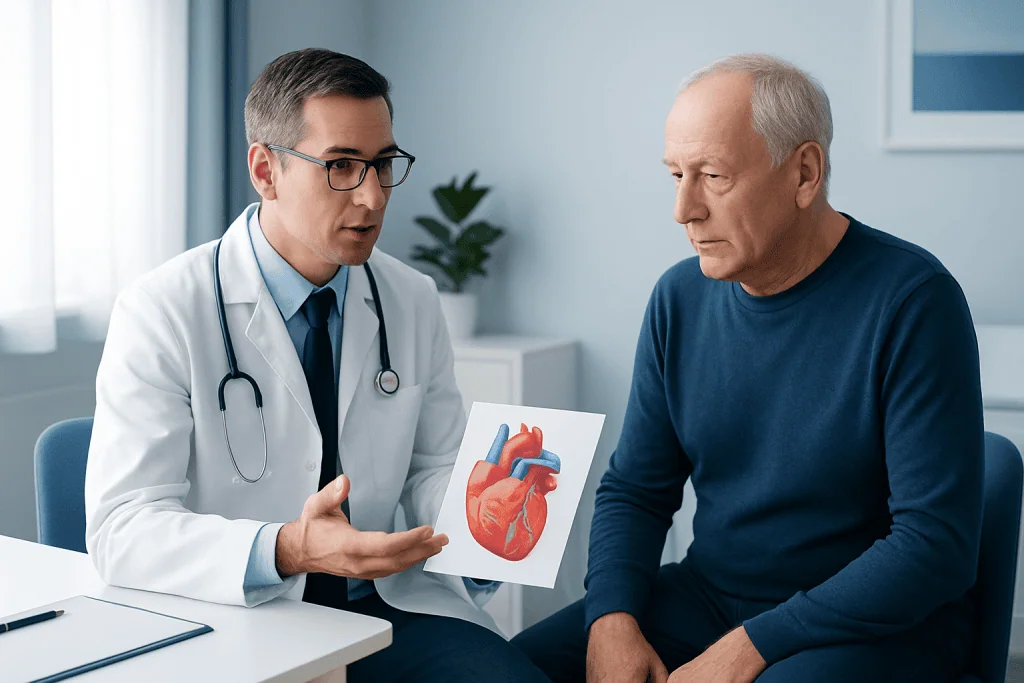
A coronary spasm happens when the artery becomes unusually reactive and its smooth muscle suddenly contracts. The precise reason this occurs is not always known. It may involve changes in the artery lining, known as the endothelium, altered nerve signals that affect vessel tone, inflammation, or increased sensitivity of the vessel muscle.
Smoking is one of the strongest modifiable risk factors. Nicotine and other tobacco chemicals can make coronary arteries more likely to constrict. Cocaine, amphetamines, and other stimulants can also provoke severe spasms and should be avoided. Heavy alcohol intake, sudden exposure to cold, emotional stress, fatigue, hyperventilation, and certain migraine medicines or decongestants may trigger episodes in some people.
Coronary artery spasm can occur in people with otherwise healthy-looking coronary arteries, but it can also develop near an area of plaque. High blood pressure, high cholesterol, diabetes, and a family history of heart disease remain important to assess because they affect overall cardiovascular risk. People should not stop prescribed medicines or assume a medicine is causing symptoms without first speaking to their clinician.
Diagnosis: Capturing a Temporary Problem
Diagnosing coronary artery spasm can be challenging because the artery may look normal once symptoms have stopped. A clinician begins by reviewing the timing and nature of chest pain, medical history, medicines and supplements, smoking or substance exposure, and cardiovascular risk factors. Physical examination findings may be normal between episodes.
An ECG performed during chest pain may show temporary changes suggesting reduced blood flow to the heart. Blood tests, including cardiac troponin, may be used to check for heart muscle injury. Depending on the situation, clinicians may also use ambulatory ECG monitoring to look for temporary rhythm or ECG changes during everyday activities.
Coronary angiography may be recommended when symptoms suggest a heart-related cause or when a heart attack needs to be excluded. It can show fixed narrowing and assess blood flow in the coronary arteries. In selected cases at experienced centers, a carefully monitored provocation test using a medicine such as acetylcholine may be performed during angiography to determine whether a spasm can be triggered and documented. This is not needed for every person and is considered only when the potential benefits outweigh the risks.
Doctors also consider other causes of chest pain, including plaque-related angina, inflammation around the heart, rhythm disorders, lung conditions, reflux, and musculoskeletal pain. A clear diagnosis helps ensure treatment is matched to the cause rather than based on symptoms alone.
Treatment Options and Ongoing Care
Treatment aims to prevent spasms, relieve episodes quickly, and reduce the risk of complications. Calcium channel blockers are commonly the first-choice preventive treatment because they relax coronary artery muscle. If symptoms continue, a clinician may adjust the treatment plan or add a long-acting nitrate. A short-acting nitrate may be prescribed for sudden chest pain, with specific instructions on when to seek emergency help.
Medicines should be taken exactly as prescribed, even when a person feels well. Stopping a calcium channel blocker or nitrate without medical advice can allow symptoms to return. Headache, flushing, light-headedness, ankle swelling, or low blood pressure can occur with some treatments, so patients should report side effects rather than discontinuing treatment on their own.
Some medicines used for other heart conditions are not routinely suitable for vasospastic angina. For example, beta blockers, particularly non-selective types, may worsen spasms in some people. Aspirin, cholesterol-lowering medicines, and other cardiovascular medicines may be appropriate when a person also has plaque-related coronary disease or another clear indication, but decisions should be individualized by a cardiologist.
Follow-up appointments help review symptom frequency, medication tolerance, blood pressure, and overall heart risk. Acibadem International’s multidisciplinary specialists at JCI-accredited hospitals can assess coronary symptoms and coordinate care for international patients when appropriate.
Prevention and Practical Self-Care
The most effective self-care measure for many people is complete avoidance of tobacco, including cigarettes, heated tobacco products, and exposure to secondhand smoke where possible. Avoiding cocaine, amphetamines, and non-prescribed stimulants is essential. People should also tell their healthcare professional about all prescription medicines, over-the-counter products, herbal remedies, and supplements they use.
Keeping a symptom record can be useful. Recording the time of an episode, what it felt like, how long it lasted, activities beforehand, medicines taken, and response to treatment may help identify patterns. This information can also help a cardiologist decide whether testing or treatment changes are needed.
General heart-healthy habits support long-term cardiovascular health, whether or not fixed coronary artery disease is present. These include regular activity at a level approved by a clinician, balanced eating patterns, good sleep, stress management, and management of blood pressure, cholesterol, and diabetes. People who notice cold weather, alcohol, sleep loss, or emotional stress as personal triggers may benefit from planning ahead to limit these exposures.
It is important to carry prescribed rescue medicine when advised and to understand how to use it safely. Nitrates can dangerously lower blood pressure when combined with erectile dysfunction medicines such as sildenafil or tadalafil, so these combinations should only be discussed and managed by a prescribing clinician.
When to Seek Medical Care
Anyone with new chest pain, unexplained chest pressure, or symptoms that could represent reduced blood flow to the heart should seek prompt medical assessment. Coronary artery spasm cannot be reliably distinguished from a heart attack based on how the pain feels. Even people with a previous diagnosis should treat a new or different episode seriously.
Emergency medical services should be contacted immediately for chest pain that is severe, lasts more than a few minutes, does not improve as instructed after prescribed rescue medicine, or occurs with fainting, severe shortness of breath, sweating, nausea, confusion, or a fast or irregular heartbeat. People should not drive themselves to hospital during potentially serious symptoms.
A non-emergency cardiology appointment is appropriate for recurring chest discomfort, new episodes at rest, side effects from medicine, or uncertainty about possible triggers. Regular review is particularly important after a hospital visit, a change in symptoms, pregnancy planning, or the start of a new medicine that may affect blood vessels or blood pressure.
Frequently asked questions
Is coronary artery spasm the same as a heart attack?
No. A coronary artery spasm is a temporary narrowing of an artery, while a heart attack involves injury to heart muscle from prolonged loss of blood flow. However, a severe or prolonged spasm can sometimes cause a heart attack, so chest pain needs urgent assessment.
Can coronary artery spasm happen without blocked arteries?
Yes. Many people with vasospastic angina do not have a major fixed blockage on coronary angiography. A person can also have both coronary artery spasm and cholesterol-related plaque narrowing.
What commonly triggers coronary artery spasm?
Smoking and stimulant drugs are important triggers. Cold exposure, emotional stress, fatigue, alcohol, hyperventilation, and certain medicines may also contribute in susceptible individuals. Triggers differ between people, so a symptom diary may be helpful.
Can coronary artery spasm be cured?
There is not always a permanent cure, but symptoms can often be controlled effectively with appropriate medicine and avoidance of triggers. Ongoing follow-up is important because treatment may need adjustment over time.
Is exercise safe with vasospastic angina?
Many people can exercise safely once their symptoms are evaluated and controlled, but the right level of activity should be discussed with a cardiologist. Anyone who develops chest discomfort during exercise should stop, follow their emergency plan, and seek medical advice.
Should a person with coronary artery spasm stop taking beta blockers?
A person should never stop a prescribed beta blocker suddenly without medical advice. Some beta blockers may not be preferred for vasospastic angina, especially if used without another clear reason, but the safest approach depends on the individual's complete heart history and current medicines.
This article is for general information only and is not a substitute for professional medical advice. Please consult a qualified doctor about your individual situation.
Explore treatments in Turkey — costs, top hospitals & a free quote
JCI-accredited · board-certified surgeons · reply within 24h
Add us as a Preferred Source to see more of our trusted health content across Google Search, AI Overviews and Discover.
Check your numbers in seconds
BMI, calories, due date, blood pressure and 30+ more clinical calculators — free, instant, doctor-reviewed ranges.

More from the Health Library
Glycemic Index Chart: A Complete Medical Overview

Msg Allergy: A Complete Medical Overview
Prophylaxis: What Patients Need to Know

Gdmt Medical Abbreviation: A Complete Medical Overview

Uses of Oolong Tea: A Complete Medical Overview