Urethroplasty: How It Works, Recovery, and What to Expect

Urethroplasty removes or widens the narrowed part of the urethra and restores a more open urine channel. The best surgical technique depends on the stricture’s location, length, severity, and cause.
Key Takeaways
- Urethroplasty removes or widens the narrowed part of the urethra and restores a more open urine channel.
- The best surgical technique depends on the stricture’s location, length, severity, and cause.
- Most people need a urinary catheter for a period after surgery while the reconstruction heals.
- Recovery usually takes several weeks, while return to strenuous activity may take longer.
- Follow-up testing is important because strictures can occasionally return, even after successful surgery.
Urethroplasty is a reconstructive operation used to treat a urethral stricture, a scar-related narrowing that restricts urine flow. It can offer a long-lasting solution when less invasive treatments, such as dilation or internal incision, have not worked or are unlikely to be durable.
Overview: What Is Urethroplasty?
Urethroplasty is an operation that repairs a urethral stricture, which is a narrowed area of the urethra caused by scar tissue. The urethra is the tube that carries urine from the bladder out of the body. When it becomes narrow, urine may flow slowly, stop and start, spray, or require straining. Urethroplasty aims to restore a wider, stable urine channel and reduce the effects of obstruction on daily life and urinary health.
Unlike procedures that temporarily stretch or cut through scar tissue from inside the urethra, urethroplasty is an open reconstructive surgery. A urologist removes the scarred section in some cases, or enlarges the urethra using tissue from elsewhere in the body, most commonly the inside lining of the cheek. It is generally considered the most durable treatment option for many recurrent or complex strictures.
The operation is planned individually. The surgeon considers the stricture’s exact position, its length, how dense the scar is, whether there have been earlier procedures, and the person’s overall health. The goal is not simply to improve urinary flow in the short term, but to create a repair that is likely to remain open over time.
Who May Be a Candidate for Urethroplasty?
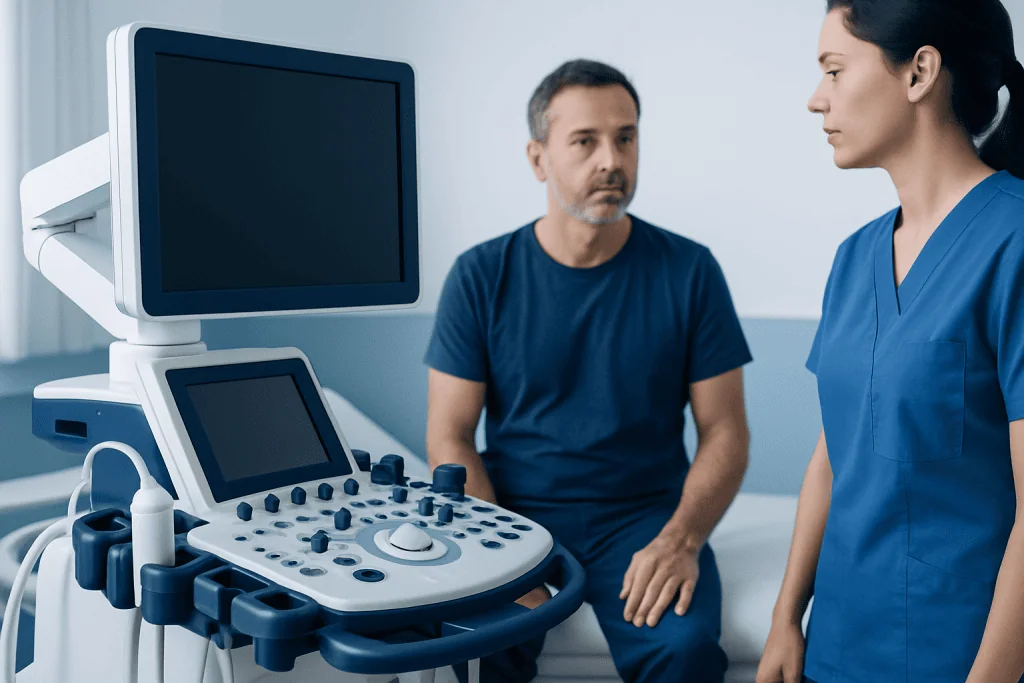
A person may be considered for urethroplasty when a urethral stricture causes bothersome symptoms, recurrent urinary infections, bladder stones, incomplete bladder emptying, or complications affecting the kidneys. It may also be recommended after previous dilation or direct visual internal urethrotomy has failed. Repeated endoscopic procedures can be useful in selected situations, but recurrent treatment may contribute to additional scar formation in some people.
Urethroplasty is often considered for longer strictures, strictures caused by significant trauma, strictures associated with lichen sclerosus, and narrowings that have returned after earlier treatment. It may also be suitable when imaging shows that the affected segment is unlikely to respond well to a simple endoscopic approach.
Not every narrowing needs immediate surgery. The decision depends on symptoms, urine flow, bladder function, infection history, and the characteristics of the stricture. A urologist with reconstructive experience can discuss observation, minimally invasive procedures, and surgery, helping the individual weigh recovery time against the expected durability of each option.
How the Procedure Works

Urethroplasty is performed under general anesthesia, meaning the patient is asleep during surgery. The operation commonly involves an incision in the perineum, the area between the scrotum and anus in men. In women, the surgical approach varies according to the location of the narrowing. The surgeon identifies the healthy urethra on either side of the scar before rebuilding the narrowed segment.
For a short stricture, an excision and primary anastomosis may be possible. In this approach, the scarred portion is removed and the two healthy ends of the urethra are carefully joined together. This technique is typically used only when the narrowing is short enough for the repair to be completed without excessive tension.
For longer or more complex strictures, the surgeon may perform a graft urethroplasty. A small piece of tissue, often taken from the inner cheek, is shaped and sewn into the urethra to widen the channel. The mouth usually heals well, although temporary soreness or tightness can occur. In selected complex cases, reconstruction may involve more than one stage or use tissue flaps as well as grafts.
At the end of surgery, a catheter is usually placed to drain urine while the repair heals. Some patients also have a suprapubic catheter, which drains the bladder through a small opening in the lower abdomen. The choice and duration of catheter use depend on the type of reconstruction and the surgeon’s postoperative plan.
Tests and Preparation Before Surgery
Before urethroplasty, the urology team needs a detailed picture of the stricture. Assessment commonly includes a symptom review, physical examination, urine testing, urine flow testing, and measurement of urine left in the bladder after voiding. A urine infection should be identified and treated before surgery where possible.
Special imaging, often a retrograde urethrogram and sometimes a voiding cystourethrogram, helps show the site and length of the narrowing. Cystoscopy, in which a thin camera is passed through the urinary passage, may also be used. These tests guide the surgical plan and help distinguish a urethral stricture from other causes of weak flow, such as prostate enlargement or bladder dysfunction.
Patients should tell their clinician about all medicines, allergies, bleeding disorders, smoking or nicotine use, and prior pelvic, prostate, urethral, or radiation treatment. The surgical team may advise temporary changes to blood-thinning medicines when medically appropriate. Stopping smoking and nicotine products before and after surgery can support wound healing and reduce complication risks.
Recovery Timeline and Aftercare
Recovery after urethroplasty varies with the repair type, the person’s health, and whether graft tissue was used. A short hospital stay may be needed, although some straightforward procedures may allow earlier discharge. In the first days, it is common to have discomfort in the surgical area, tiredness, mild swelling or bruising, and bladder spasms related to the catheter. Pain relief and catheter-care instructions are provided before discharge.
The catheter commonly remains in place for one to several weeks. Before it is removed, the surgeon may arrange an imaging test to check that the repaired urethra has healed without leakage. It is important not to remove, pull, clamp, or attempt to replace a catheter without specific medical advice. The care team should be contacted if the catheter stops draining, falls out, or causes worsening pain.
Gentle walking is generally encouraged soon after surgery, but heavy lifting, cycling, strenuous exercise, and activities that place pressure on the perineum are usually restricted for a period. The exact timing for driving, returning to work, sexual activity, and exercise should come from the treating surgeon. Office-based work may be possible sooner than physically demanding work.
Follow-up continues after initial healing. It may include symptom checks, urine flow measurements, residual urine assessment, cystoscopy, or repeat imaging when indicated. A strong urine stream after catheter removal is encouraging, but ongoing monitoring matters because a stricture can recur months or years later.
Benefits, Risks, and Expected Outcomes
The principal benefit of urethroplasty is the potential for sustained improvement in urine flow and relief from symptoms such as straining, frequent urination, incomplete emptying, and recurrent infections linked to obstruction. By treating the scarred segment directly, the procedure may reduce the need for repeated dilations or internal incision procedures. It can also help protect bladder function when significant obstruction is present.
As with any operation, urethroplasty has possible risks. These include bleeding, wound infection, urinary tract infection, pain, blood clots, anesthesia-related complications, and leakage from the repair. A stricture may recur despite technically successful surgery. The risk of recurrence differs according to the stricture type, location, length, cause, and surgical technique.
Depending on the repair and anatomy involved, some people may experience temporary changes in ejaculation, erections, penile sensation, or urinary spraying. Persistent sexual or continence-related complications are less common but should be discussed before surgery. For graft procedures, the mouth donor site can cause short-term soreness, numbness, or sensitivity.
A clear preoperative discussion helps set realistic expectations. The surgeon should explain the proposed technique, likely catheter duration, personal factors that may influence healing, and the follow-up plan. Patients are encouraged to ask how success will be assessed and what options would be available if symptoms return.
When to Seek Medical Care
Medical assessment is advisable for a persistently weak stream, straining to urinate, a sense that the bladder does not empty fully, repeated urinary infections, painful urination, or new urine spraying. These symptoms do not always mean a urethral stricture is present, but they should be evaluated because several urinary conditions can cause similar problems.
Urgent medical care is needed if a person cannot pass urine, develops fever or chills with urinary symptoms, has severe lower abdominal pain or swelling, or notices significant bleeding in the urine. Acute urinary retention can be painful and requires prompt treatment to drain the bladder safely.
After urethroplasty, the surgical team should be contacted promptly for fever, increasing redness or discharge from the wound, uncontrolled pain, heavy bleeding, worsening swelling, inability of the catheter to drain, or accidental catheter removal. Follow-up appointments should be kept even when symptoms have improved, as they help identify healing concerns early.
Acibadem International’s multidisciplinary specialists and JCI-accredited hospitals evaluate and treat urethral strictures for international patients, with care plans based on the individual’s anatomy, symptoms, and treatment history.
Frequently asked questions
How long does urethroplasty take?
The length of surgery depends on the stricture’s location, length, and the reconstruction technique. A straightforward repair may take a few hours, while a complex graft or staged reconstruction can take longer. The surgical team can provide a more individualized estimate after reviewing imaging and examination findings.
Is urethroplasty painful?
Discomfort is expected after surgery, particularly around the perineal incision and, if a cheek graft is used, in the mouth. Pain is usually managed with prescribed or recommended medicines and improves as healing progresses. Bladder spasms while a catheter is in place can also occur and should be discussed with the care team if troublesome.
How long is the catheter needed after urethroplasty?
Catheter duration varies by the type and extent of repair. It is often kept in place for one to several weeks to protect the reconstructed urethra while it heals. The surgeon may use an imaging test before removal to confirm that healing is satisfactory.
Can a urethral stricture come back after urethroplasty?
Yes, recurrence is possible, although urethroplasty is generally more durable than repeated dilation or internal incision for many strictures. Recurrence may occur early or years after surgery. Changes such as a slowing urine stream, straining, or recurrent infections should be reported to a urologist.
When can someone return to work after urethroplasty?
The timing depends on the operation and the physical demands of the job. People with desk-based work may return earlier than those whose work involves lifting, prolonged standing, or strenuous activity. The surgeon’s specific activity restrictions should be followed to protect the repair.
Will urethroplasty affect sexual function?
Many people do not have lasting sexual problems after urethroplasty, but outcomes vary by stricture location, surgical technique, and individual health factors. Temporary changes in erections, ejaculation, or sensation can occur, and persistent changes are possible in a smaller number of cases. Discussing personal concerns with the reconstructive urologist before surgery is important.
References
- American Urological Association
- European Association of Urology
- National Institute of Diabetes and Digestive and Kidney Diseases
- Urology Care Foundation
This article is for general information only and is not a substitute for professional medical advice. Please consult a qualified doctor about your individual situation.
Explore treatments in Turkey — costs, top hospitals & a free quote
JCI-accredited · board-certified surgeons · reply within 24h
Add us as a Preferred Source to see more of our trusted health content across Google Search, AI Overviews and Discover.

More from the Health Library



Related Specialists

Assoc. Prof. Dr. Hikmet Aktaş
General Surgery
Dr. Hande Simten Demirel Kaya
Anesthesiology
Prof. Dr. Müjgan Alikaşifoğlu
Pediatrics
Assoc. Prof. Dr. Önder Doksöz
Pediatric Cardiology