How to Improve Lung Capacity? A Doctor-Reviewed Answer

Lung size is largely determined by body size, age and genetics, but fitness can improve how efficiently the lungs, heart and muscles use oxygen. Aerobic exercise, gradual conditioning and targeted breathing exercises may improve stamina and reduce the feeling of breathlessness.
Key Takeaways
- Lung size is largely determined by body size, age and genetics, but fitness can improve how efficiently the lungs, heart and muscles use oxygen.
- Aerobic exercise, gradual conditioning and targeted breathing exercises may improve stamina and reduce the feeling of breathlessness.
- Stopping smoking and limiting exposure to air pollutants are among the most important steps for protecting lung function.
- Persistent shortness of breath may be caused by asthma, COPD, heart conditions, anemia, infection or other medical concerns and deserves assessment.
- Urgent care is needed for severe or sudden breathing difficulty, chest pain, confusion, fainting or bluish lips or fingertips.
Most people can support healthier breathing and exercise tolerance through regular physical activity, breathing techniques, good posture and avoiding tobacco smoke. However, new or worsening breathlessness is not something to self-treat alone, especially when it occurs at rest, with chest pain, fainting or blue lips.
How can lung capacity be improved?
For most people, the practical answer to how to improve lung capacity is to build overall fitness gradually, practice efficient breathing, avoid smoking and address any condition that affects the lungs or heart. These measures may improve exercise tolerance and reduce the sensation of becoming winded, even though the physical size of adult lungs usually does not change dramatically.
Occasional breathlessness during intense exercise, after a respiratory infection, or when returning to activity after a long break is often harmless. Still, breathlessness that is new, progressive, unexplained or limiting daily activities should be reviewed by a clinician. A doctor can check whether symptoms are related to fitness, asthma, chronic lung disease, heart disease, anemia, sleep problems or another cause.
Improvement is usually gradual. The safest approach is to begin below the level that causes significant symptoms, increase activity over time, and seek individual medical advice before starting a new exercise program if the person has a known heart or lung condition.
What does “lung capacity” really mean?
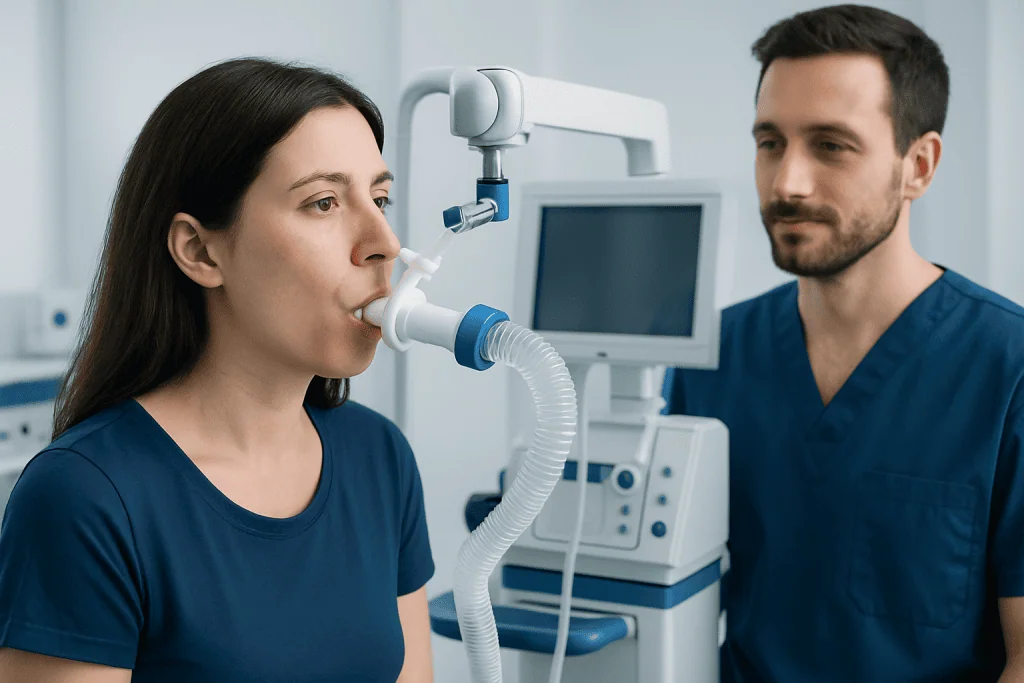
Lung capacity describes the amount of air the lungs can hold and move. In everyday conversation, people often use the term to mean endurance: how comfortably they can walk, climb stairs, exercise or recover after activity. These experiences depend not only on the lungs, but also on the heart, blood circulation, muscles, body weight and conditioning.
Some measures of lung function are influenced by age, height, sex assigned at birth and genetics. Lung function commonly reaches its highest level in early adulthood and then declines slowly with age. Regular activity cannot fully prevent normal age-related changes, but it can help the body use oxygen more effectively and preserve functional independence.
Breathing may feel limited for reasons other than reduced lung volume. For example, anxiety can lead to rapid, shallow breathing; poor posture may restrict chest-wall movement; and deconditioning can make ordinary activity feel demanding. Identifying the reason behind breathlessness is more useful than trying to force deeper breaths.
Safe ways to support breathing and endurance

Regular aerobic exercise is one of the most reliable ways to improve exercise capacity. Walking, cycling, swimming, dancing and low-impact exercise classes all encourage the heart and muscles to use oxygen more efficiently. A person may start with short, manageable sessions and slowly increase duration, frequency or intensity as stamina improves.
Strength training can also support breathing during daily life. Stronger leg, core and upper-body muscles make tasks such as climbing stairs, carrying groceries and standing from a chair require less effort. Two or more sessions weekly may be appropriate for many adults, with modifications for mobility limitations, injuries or medical conditions.
Interval-style activity can be helpful for some people. This involves alternating a comfortable pace with short periods of slightly faster activity, followed by recovery. The pace should allow the person to remain in control of their breathing. Severe breathlessness, dizziness, chest pressure or wheezing that does not settle are signals to stop and seek medical guidance.
- Choose an activity that is enjoyable and realistic to continue.
- Warm up and cool down gradually for several minutes.
- Use the “talk test”: during moderate activity, speaking in short sentences should generally remain possible.
- Increase only one element at a time, such as minutes walked or walking speed.
Breathing techniques that may help
Breathing exercises do not enlarge the lungs, but they can improve breath control and reduce the work of breathing for some people. They may be particularly useful during exertion, during recovery after illness, or for people who tend to breathe quickly and shallowly when anxious or short of breath.
Pursed-lip breathing is a simple technique. The person breathes in gently through the nose, then exhales slowly through lightly pursed lips, as if blowing out a candle without extinguishing it. A longer, controlled exhale may help prevent air from becoming trapped in the lungs, which can be useful for some people with chronic obstructive pulmonary disease (COPD).
Diaphragmatic, or belly, breathing encourages movement of the diaphragm, the main breathing muscle. While sitting comfortably or lying down, the person places one hand on the abdomen and allows it to rise gently during an unforced inhalation. The exhale should remain relaxed. If an exercise causes lightheadedness, tingling, discomfort or greater breathlessness, it should be stopped.
People with chronic respiratory symptoms may benefit from supervised respiratory rehabilitation. Pulmonary rehabilitation combines tailored exercise, education and breathing strategies for eligible people with chronic lung conditions, including chronic obstructive pulmonary disease. A clinician can determine whether this type of program is appropriate.
Protecting lung health day to day
Not smoking is one of the most important ways to preserve lung health. Cigarette smoke damages airways and lung tissue, while vaping and other inhaled products may also irritate the respiratory system and are not risk-free. People who smoke can benefit from evidence-based stop-smoking support, including behavioral counseling and medicines prescribed when appropriate.
Reducing exposure to irritants can also make breathing more comfortable. This may include avoiding secondhand smoke, using appropriate protective equipment around dusts or chemical fumes, ensuring good ventilation, and following local public-health advice on days with poor outdoor air quality. Those with workplace exposures should discuss symptoms with an occupational health professional or doctor.
Vaccination, hand hygiene and management of allergies may reduce the chance of respiratory infections or flare-ups in susceptible people. Adequate sleep, balanced nutrition and hydration support general health, although no supplement has been proven to substantially increase lung capacity in otherwise healthy adults.
Posture can matter during activity. Sitting and standing upright gives the chest and diaphragm more room to move than slouching does. During exertion, some people find relief by slowing down, relaxing their shoulders and leaning slightly forward with their hands supported on their thighs or a stable surface.
When to seek medical care
Medical review is sensible when shortness of breath lasts more than a few weeks, becomes worse over time, occurs with routine activities, wakes a person from sleep, or is accompanied by cough, wheeze, fatigue or reduced exercise ability. It is also important to seek assessment after a respiratory infection if breathing has not returned to the person’s usual baseline.
Urgent medical care is needed for sudden or severe difficulty breathing, chest pain or pressure, fainting, confusion, coughing up blood, swelling of the face or throat, or blue or gray lips, tongue or fingertips. These symptoms can have serious causes and should not be managed with breathing exercises alone.
People with known asthma should seek care if reliever medicine is needed more often than usual, symptoms interrupt sleep, or a written asthma action plan indicates urgent treatment. Asthma can often be managed effectively with an individualized plan; learn more about asthma and the importance of reviewing symptom control with a qualified clinician.
How doctors assess reduced breathing capacity
A doctor will usually begin by asking when breathlessness started, what triggers it, whether it is associated with cough, wheezing, chest discomfort or palpitations, and whether there is a history of smoking, infection, allergies, heart disease or occupational exposures. They may also review medicines and ask about sleep, activity level and family history.
The assessment may include a physical examination and a measurement of oxygen level with a fingertip device. Depending on the symptoms, further tests may include spirometry or other pulmonary function tests, a chest X-ray, blood tests, an electrocardiogram, exercise testing or imaging. These tests help distinguish between lung, heart, blood and conditioning-related causes.
Spirometry measures how much air a person can forcefully exhale and how quickly they can do so. It is commonly used to evaluate asthma and COPD. If asthma is suspected, a doctor may recommend a personalized treatment plan that can include asthma treatment to reduce airway inflammation and improve symptom control.
For international patients who need assessment of ongoing breathing symptoms, Acibadem International’s multidisciplinary specialists and JCI-accredited hospitals provide diagnostic and treatment services. The right plan depends on the underlying cause, current symptoms and each person’s overall health.
Frequently asked questions
Can adults actually increase their lung capacity?
Adult lung size is mostly determined by genetics, body size and age, so it usually cannot be greatly increased through exercise alone. However, regular training can improve cardiovascular fitness, muscle efficiency and breathing control, helping a person do more activity with less breathlessness.
What exercise is best for improving breathing?
The best exercise is usually one that can be performed consistently and increased gradually. Walking, cycling, swimming and dancing are common aerobic options, while strength training can reduce the effort required for daily tasks. A clinician should advise people with significant breathlessness, heart disease or chronic lung disease before they increase activity.
Do deep-breathing exercises increase lung capacity?
Deep-breathing exercises do not usually change the maximum physical size of the lungs. They can help some people improve breathing awareness, use the diaphragm more effectively and recover more comfortably after exertion. Breathing should remain gentle rather than forced.
Can running improve lung health?
Running can improve aerobic fitness and exercise tolerance in people who are able to do it safely. It is not necessary to run to support lung health; brisk walking, cycling or other moderate activities can offer similar conditioning benefits. People with wheezing, chest symptoms or unexplained shortness of breath should be assessed before beginning vigorous running.
Why do I get out of breath climbing stairs?
Stair climbing requires more energy than walking on level ground, so it commonly causes temporary breathlessness, particularly after inactivity. Deconditioning, excess body weight, asthma, anemia, heart conditions and lung disease can also contribute. If this symptom is new, worsening or disproportionate to the activity, medical review is appropriate.
How quickly can breathing fitness improve?
Many people notice gradual improvement in stamina over several weeks of regular, progressive activity. The timeline varies with starting fitness, age, health conditions and consistency. Symptoms should not be pushed through if they are severe, worsening or accompanied by warning signs such as chest pain or dizziness.
References
- American Lung Association
- Global Initiative for Chronic Obstructive Lung Disease
- Global Initiative for Asthma
- National Heart, Lung, and Blood Institute
- World Health Organization
This article is for general information only and is not a substitute for professional medical advice. Please consult a qualified doctor about your individual situation.
Joint and spine care in Turkey — expert assessment & treatment
JCI-accredited · board-certified surgeons · reply within 24h
Add us as a Preferred Source to see more of our trusted health content across Google Search, AI Overviews and Discover.