How Long Is a Formula Bottle Good for? Causes, Explanations, and Next Steps
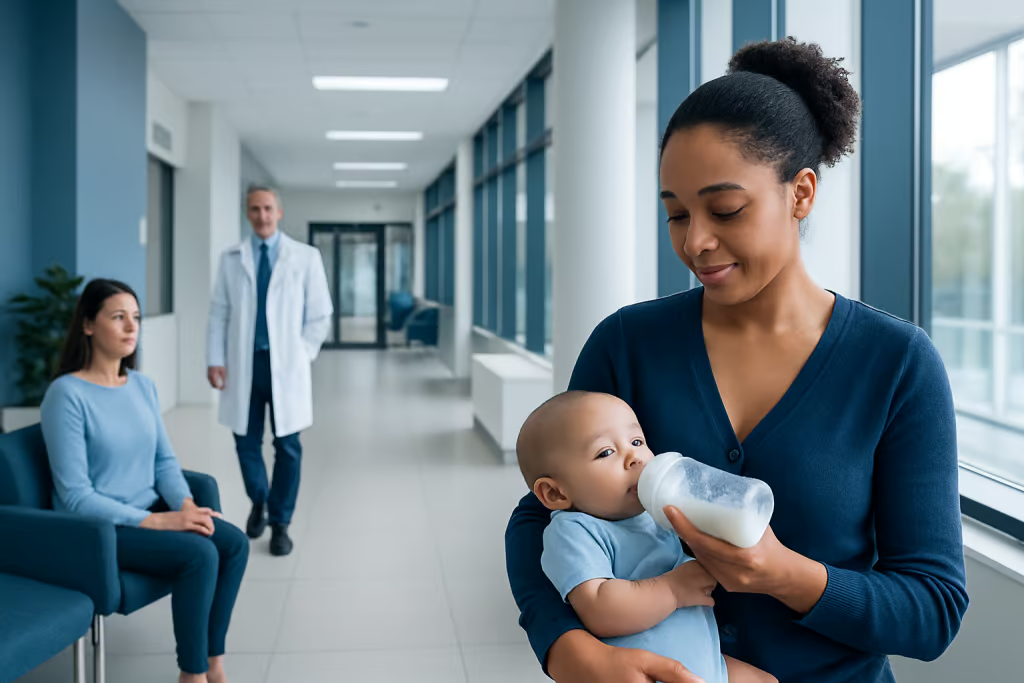
Discard prepared formula left at room temperature for more than 2 hours. Discard any formula remaining in a bottle 1 hour after a feeding begins, because saliva can introduce bacteria.
Key Takeaways
- Discard prepared formula left at room temperature for more than 2 hours.
- Discard any formula remaining in a bottle 1 hour after a feeding begins, because saliva can introduce bacteria.
- Store freshly prepared, unused formula in a refrigerator at 4°C (40°F) or below and use it within 24 hours.
- Do not save, reheat, or refrigerate formula left over after a baby has drunk from the bottle.
- Most accidental timing mistakes do not cause illness, but vomiting, diarrhea, fever, poor feeding, or unusual sleepiness should be discussed with a doctor.
A prepared formula bottle is generally safe at room temperature for up to 2 hours, or for only 1 hour once a baby has started drinking from it. Unused prepared formula can usually be stored in the refrigerator for up to 24 hours, but parents should always follow the product label and discard formula when there is any uncertainty about its storage.
Overview: How Long Is a Formula Bottle Good For?
How long is a formula bottle good for? Freshly prepared infant formula may stay at room temperature for up to 2 hours before feeding starts. Once a baby begins drinking from the bottle, any remaining formula should be used within 1 hour and then discarded. These limits help reduce the chance that bacteria will multiply in the milk.
In many cases, a bottle that has been left out slightly too long does not lead to illness. Still, formula can support bacterial growth, especially when it is warm or has been in contact with a baby’s saliva. Throwing away questionable formula can feel wasteful, but it is the safer choice for infants, whose immune systems are still developing.
Unused formula that has been prepared hygienically can usually be refrigerated immediately and used within 24 hours. Refrigeration should be at 4°C (40°F) or colder. Formula instructions can vary by brand and type, so the label on the specific product should always be checked and followed if it gives a shorter time limit.
Why Timing Matters After a Bottle Is Prepared
Commercial infant formula is designed to provide nutrition, but it is also a liquid in which germs may grow under the right conditions. Bacteria multiply more easily at room temperature and in warmed milk. The longer formula remains outside the refrigerator, the greater the opportunity for bacteria to increase to levels that may upset an infant’s stomach or, less commonly, cause a more significant infection.
Powdered infant formula is not sterile. This does not mean it is unsafe when prepared correctly, but it does mean that careful handwashing, clean equipment, safe water, and correct storage are important. Ready-to-feed formula and liquid concentrate are commercially processed differently, yet they also need to be handled according to package instructions after opening or preparation.
After a baby drinks from a bottle, saliva enters the nipple and formula. Saliva naturally contains bacteria, which can multiply in the remaining milk. This is why the 1-hour rule applies even if the bottle is placed back in the refrigerator. Refrigeration slows bacterial growth but does not reliably make a partly used bottle safe again.
Safe Storage Times for Different Formula Situations

The following general guidance is commonly used for formula feeding. A freshly prepared bottle can remain at room temperature for up to 2 hours if the baby has not yet drunk from it. If the room is particularly hot, such as during warm weather or in a heated car, formula should not be kept out for the full 2 hours. It is safest to prepare it just before feeding or keep it cold until needed.
- Prepared formula at room temperature: Use within 2 hours.
- Prepared formula after feeding begins: Use within 1 hour, then discard any leftover amount.
- Prepared formula refrigerated immediately: Use within 24 hours.
- Formula warmed from the refrigerator: Offer it promptly; discard it after 1 hour if feeding has started.
- Opened ready-to-feed or liquid concentrate containers: Follow the manufacturer label, as storage instructions may differ.
Formula should be stored toward the back of the refrigerator, where the temperature is most stable, rather than in the door. A cooler bag with ice packs may help during travel, but prepared formula should be kept adequately cold and used according to safe-storage guidance. Formula should never be left in a parked vehicle, even for a short period in warm conditions.
Preparing and Warming Formula Safely
Good bottle safety begins before storage. Caregivers should wash their hands with soap and water, clean the preparation surface, and use clean bottles, nipples, rings, and measuring tools. Formula should be mixed exactly as directed on the label. Adding extra powder or extra water can change the nutritional balance and may be harmful for an infant.
When powder is used, families should follow local public health advice and the product instructions regarding water preparation. Some babies, including those born prematurely, those younger than 2 months, or those with a weakened immune system, may need extra precautions because powdered formula is not sterile. A pediatric clinician can advise on the safest preparation approach for an individual baby.
Formula does not need to be warmed. If a baby prefers warm milk, a bottle can be placed in a container of warm water or held under warm running water. Microwaving is not recommended because it can create hot spots that may burn the baby’s mouth, even when the bottle feels only mildly warm on the outside. The temperature can be checked by placing a few drops on the inside of the wrist; it should feel lukewarm, not hot.
What to Do If Formula Was Left Out Too Long
If prepared formula has been at room temperature for more than 2 hours, or if a baby started the bottle more than 1 hour ago, the safest next step is to discard it. The same approach applies if the caregiver is unsure when the bottle was prepared, whether it stayed cold enough, or whether it was previously offered to the baby. Smell and appearance cannot reliably show whether harmful bacteria are present.
Parents should not try to make old formula safe by reheating, boiling, or refrigerating it again. Heat may not remove every concern, and cooling does not reverse bacterial growth that may already have occurred. It is also not advisable to pour leftover formula from a used bottle into a clean container for later use.
If a baby accidentally drank formula that was stored longer than recommended, there is usually no need to panic. The caregiver can observe the baby, continue normal feeds with safely prepared formula, and contact a healthcare professional if concerning symptoms develop. It may be helpful to note when the formula was made, how it was stored, and how much the baby drank.
When to Seek Medical Care
Most infants who drink a bottle that was unintentionally left out too long remain well. However, medical advice is appropriate if the baby develops repeated vomiting, frequent watery diarrhea, fever, poor feeding, marked irritability, unusual sleepiness, or signs of dehydration. Signs of dehydration can include fewer wet diapers than usual, a dry mouth, no tears when crying, or a sunken soft spot on the head.
Urgent medical assessment is particularly important for babies younger than 3 months with a fever, as well as for premature infants and babies with chronic health conditions or weakened immune systems. A caregiver should seek urgent help if an infant is difficult to wake, has trouble breathing, has blood in the stool or vomit, appears blue or very pale, or shows other severe symptoms.
A doctor will usually begin by asking about the baby’s symptoms, feeding pattern, wet diapers, medical history, and how the formula was prepared and stored. The clinician may examine the baby for hydration and signs of infection. Tests are not always needed, but they may be considered when symptoms are severe, persistent, or suggest a specific infection or another cause of illness.
Practical Formula-Feeding Habits for Everyday Life
A simple routine can make formula safety easier during busy days and nights. Caregivers may prepare bottles one at a time or prepare a limited number in advance, refrigerating them promptly and labeling them with the preparation time. Using a timer or writing the time on the bottle can help prevent uncertainty, particularly during overnight feeds or when more than one caregiver is involved.
For outings, it may be easier to carry measured formula powder separately from safe water and mix it when needed. Another option is to transport prepared formula in an insulated cooler with ice packs, keeping it cold until feeding time. Once a bottle has been warmed or the baby has begun drinking, the usual 1-hour rule still applies.
Parents who are worried about feeding, weight gain, frequent spit-up, constipation, or possible formula intolerance should speak with a pediatric clinician rather than changing formulas repeatedly without guidance. Acibadem International’s multidisciplinary specialists and JCI-accredited hospitals can assess feeding concerns and digestive symptoms for international patients when medical review is needed.
Frequently asked questions
Can a formula bottle sit out for 4 hours?
No. Prepared formula should generally be discarded if it has been at room temperature for more than 2 hours, even if it looks and smells normal. If the baby has already started drinking from it, the limit is shorter: 1 hour from the start of the feeding.
Can prepared formula be refrigerated for 24 hours?
Yes, prepared formula can generally be refrigerated for up to 24 hours if it is placed in a refrigerator promptly after preparation and has not been used for feeding. The refrigerator should be 4°C (40°F) or colder. Always follow the formula manufacturer's label if it gives different instructions.
Can leftover formula be put back in the refrigerator?
Formula left in a bottle after a baby has drunk from it should not be saved in the refrigerator. Saliva can introduce bacteria into the formula, and refrigeration does not make the remaining milk safe for a later feed. Discard it within 1 hour after feeding begins.
How long is warmed formula good for?
A warmed bottle should be offered soon after warming. Once the baby begins drinking, discard any remaining formula after 1 hour. If a warmed bottle has not been used, following the product instructions and using it promptly is the safest approach rather than trying to cool and rewarm it later.
What happens if a baby drinks old formula?
Many babies will have no symptoms after accidentally drinking formula that was stored too long. However, bacteria in improperly stored formula can sometimes cause vomiting, diarrhea, fever, poor feeding, or dehydration. A healthcare professional should be contacted if these symptoms occur, especially in young infants.
Does formula need to be warmed before feeding?
No. Formula can be safely offered cold, at room temperature, or gently warmed, depending on the baby's preference. If warming is chosen, microwaving should be avoided because it can create uneven hot spots.
References
- Centers for Disease Control and Prevention
- American Academy of Pediatrics
- U.S. Food and Drug Administration
- World Health Organization
- National Health Service
This article is for general information only and is not a substitute for professional medical advice. Please consult a qualified doctor about your individual situation.
Explore treatments in Turkey — costs, top hospitals & a free quote
JCI-accredited · board-certified surgeons · reply within 24h
Add us as a Preferred Source to see more of our trusted health content across Google Search, AI Overviews and Discover.

More from the Health Library


Related Specialists

Dr. Coşkun Akalın
Physical Medicine & Rehabilitation
Dr. Damla Sivaz
Dermatology
Assoc. Prof. Dr. Halil Kara
General Surgery
Dt. Ekin Saydam
Oral & Dental Health