Thigh Chafing: A Complete Medical Overview

Thigh chafing results from repeated friction, often combined with sweat, heat or damp clothing. Symptoms can include redness, burning, tenderness, itching and superficial skin breakdown on the inner thighs.
Key Takeaways
- Thigh chafing results from repeated friction, often combined with sweat, heat or damp clothing.
- Symptoms can include redness, burning, tenderness, itching and superficial skin breakdown on the inner thighs.
- Stopping the rubbing, keeping the area clean and dry, and using a protective barrier can support healing.
- Breathable, well-fitting clothing and anti-chafing products can help prevent repeated episodes.
- Medical advice is important if there are signs of infection, severe pain, spreading redness or a rash that does not improve.
Thigh chafing is a common irritation that develops when skin repeatedly rubs against skin or fabric, especially in warm or humid conditions. It usually improves with gentle skin care, reduced friction and protection from moisture, but persistent or worsening symptoms should be assessed by a clinician.
What Is Thigh Chafing?
Thigh chafing is a friction-related skin irritation, most often affecting the inner thighs where the skin touches during walking, exercise or other movement. Repeated rubbing can disrupt the outer protective layer of skin. Sweat, heat and moisture make the skin softer and more vulnerable, so symptoms are often more noticeable in summer, during sport or after prolonged activity.
The affected area may feel uncomfortable before it looks visibly irritated. Early symptoms commonly include warmth, stinging or a burning sensation. With continued friction, the skin can become red, tender, itchy or raw, and small superficial cracks or blisters may develop.
Although thigh chafing can be painful and inconvenient, it is usually not dangerous and often settles once friction is reduced and the skin is protected. However, broken skin can occasionally become infected, and not every rash on the thighs is caused by chafing. A clinician can help distinguish chafing from eczema, contact dermatitis, fungal infection or other skin conditions when symptoms are unclear or persistent.
How Thigh Chafing Feels and Looks
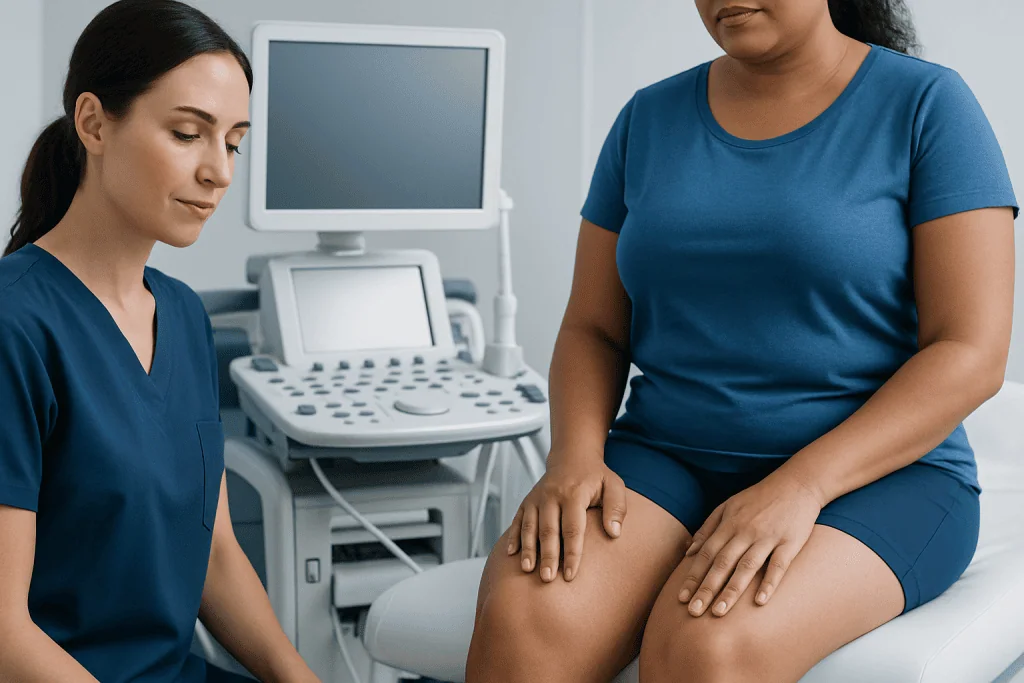
Chafing typically appears in areas exposed to repeated movement, such as the upper inner thighs, groin crease or beneath the buttocks. The skin may look pink, red or darker than the surrounding skin, depending on a person’s natural skin tone. It may also appear shiny, dry, scaly or mildly swollen.
Many people describe thigh chafing as a prickling, rubbing or burning discomfort that increases while walking. In more pronounced cases, the skin may be painful when touched, when clothing brushes against it or when sweat reaches the area. Scratching may worsen irritation and increase the chance of breaking the skin.
Signs that suggest a problem beyond uncomplicated chafing include pus or drainage, crusting, increasing warmth, marked swelling, fever or redness that spreads outward. A sharply bordered, very itchy rash, a rash with satellite spots, or symptoms that recur despite avoiding friction may also point to another cause, such as a fungal or inflammatory skin condition.
Why Thigh Chafing Happens

Friction is the direct cause of thigh chafing. Skin-to-skin contact is common, but rubbing against seams, rough fabric or loose clothing can also trigger it. The likelihood of irritation depends on movement, the amount of friction, the duration of exposure and the condition of the skin barrier.
Moisture is an important contributing factor. Sweat, rain, swimming, damp underwear and humid weather can all increase rubbing and make skin more prone to damage. Wearing wet exercise clothes for a long time after activity can therefore worsen an existing rash or make chafing more likely.
Thigh chafing can affect people of any body type, age or fitness level. It may occur during running, cycling, hiking, work that involves prolonged walking, or daily activities. Factors such as sensitive skin, previous skin irritation, poorly fitting garments and changes in body shape can contribute. It is not a sign of poor hygiene or personal failure.
- Long walks, running, cycling or high-intensity exercise
- Hot weather, sweating and high humidity
- Tight, rough, poorly fitting or damp clothing
- New clothing, undergarments or seams that rub the skin
- Skin sensitivity or an already irritated skin barrier
Caring for Thigh Chafing at Home
The first step is to reduce further rubbing. If possible, pause the activity that triggered symptoms until the skin is less sore. Gently rinse the area with lukewarm water and a mild, fragrance-free cleanser if needed, then pat it dry with a soft towel. Rubbing the skin dry may increase discomfort.
A simple protective barrier can reduce contact between surfaces while the skin heals. Products such as plain petroleum jelly, zinc oxide barrier cream or a fragrance-free anti-chafing balm may be helpful when used on clean, dry skin. People should avoid applying products to deep, open wounds without advice from a healthcare professional, and should stop using any product that causes burning, itching or worsening redness.
Loose, soft and breathable clothing can make recovery more comfortable. Changing out of sweaty or wet garments promptly is also useful. Cool compresses may ease burning temporarily, but ice should not be placed directly on the skin. For painful chafing, a pharmacist or clinician can advise on suitable over-the-counter options based on the individual’s health history and current medicines.
Most mild cases improve over several days when friction and moisture are controlled. It is best to avoid exfoliating scrubs, perfumed products, alcohol-containing wipes and heavily fragranced lotions on the affected area, as these may further irritate compromised skin.
Preventing Chafing During Daily Life and Exercise
Prevention focuses on limiting friction and managing moisture before discomfort begins. For many people, applying an anti-chafing balm or another suitable barrier to dry inner-thigh skin before exercise, walking or time in hot weather is effective. Reapplication may be needed during prolonged activity, particularly when sweating heavily.
Clothing choices can also make a meaningful difference. Smooth, moisture-wicking shorts, leggings or underlayers that fit comfortably can reduce skin-to-skin contact. Flat seams and fabrics that dry quickly may be preferable. Clothing should not be so tight that it pinches or traps excessive heat, and it should be changed after exercise or swimming.
Keeping the skin comfortably dry is helpful, but harsh drying products are not necessary. Some people find that moisture-absorbing powders reduce dampness; however, products should be used carefully and stopped if they clump, irritate the skin or are inhaled. A patch test may be sensible for anyone with sensitive skin or a history of reactions to topical products.
When starting a new activity or increasing distance, intensity or duration, gradual progression gives a person time to learn which clothing and skin-protection routine works best. Regular hydration, rest breaks and prompt changing after sweaty activity can further reduce the conditions that lead to chafing.
When to Seek Medical Care
Medical advice is appropriate when thigh chafing is severe, frequently recurring or not improving after several days of careful self-care and avoiding friction. A doctor can examine the rash and identify whether another condition, including infection, allergy, eczema or a fungal rash, may be contributing to the symptoms.
Prompt assessment is especially important if the skin is increasingly painful, swollen or warm; if redness is spreading; or if there is pus, foul-smelling drainage, fever or red streaks from the area. These symptoms can indicate infection and may require medical treatment. People with diabetes, reduced immune function, poor circulation or a history of serious skin infections should seek advice earlier if the skin is broken.
A healthcare professional should also be consulted for blisters that are large or repeatedly reopen, unexplained sores, or rashes affecting the groin that do not fit the usual pattern of friction. In general, it is safer not to self-treat a persistent rash with multiple creams, as this can sometimes mask symptoms or aggravate irritation.
Getting a Clear Diagnosis and Ongoing Support
Diagnosis of thigh chafing is usually based on the location of the rash, symptoms and a visual skin examination. A clinician may ask about recent exercise, sweating, clothing, personal-care products, allergies, medical conditions and treatments already tried. Tests are not usually needed for straightforward chafing, but they may be considered when an infection or another skin disorder is suspected.
If a different cause is identified, treatment will be tailored to that condition. For example, an infection may need targeted medication, while contact dermatitis may improve by identifying and avoiding an irritant or allergen. This is why persistent, atypical or recurrent symptoms deserve professional assessment rather than repeated use of products that have not helped.
For international patients who need assessment of a persistent skin concern, Acibadem International’s multidisciplinary specialists and JCI-accredited hospitals can support diagnosis and treatment planning. A qualified clinician can also provide individualized advice on returning to exercise safely and preventing future episodes of skin irritation.
Frequently asked questions
How long does thigh chafing take to heal?
Mild thigh chafing often begins to improve within a few days when rubbing is stopped and the skin is kept clean, dry and protected. Healing may take longer if the skin is raw, blistered or repeatedly exposed to friction. A clinician should assess symptoms that are worsening or not improving after several days.
Should thigh chafing be kept dry or moisturized?
The area should be gently cleaned and dried, especially after sweating, but overly dry or irritated skin can also be uncomfortable. A simple protective barrier, such as petroleum jelly or zinc oxide cream, may reduce friction and support the skin barrier. Fragranced lotions and harsh products are best avoided on inflamed skin.
Can thigh chafing become infected?
Yes. When chafing causes cracks or open areas, bacteria can occasionally enter the skin. Increasing pain, warmth, swelling, spreading redness, pus, fever or foul-smelling drainage should be assessed promptly by a healthcare professional.
Is thigh chafing the same as a fungal infection?
No. Chafing is primarily caused by friction and moisture, while fungal infections are caused by fungi and may require different treatment. The two can look similar, particularly in the groin area, so a clinician should evaluate a persistent, very itchy or spreading rash.
What clothing helps prevent inner thigh chafing?
Smooth, breathable and moisture-wicking garments that fit comfortably are often helpful. Many people prefer shorts, leggings or underlayers that create a soft barrier between the thighs. Changing out of damp clothing soon after exercise or swimming is also important.
Can people with sensitive skin use anti-chafing products?
Many people with sensitive skin can use a simple, fragrance-free barrier product, but individual reactions vary. Testing a small amount on an unaffected patch of skin first may help identify irritation. If a product stings, causes itching or worsens the rash, it should be stopped and medical advice sought if needed.
References
- American Academy of Dermatology Association
- National Health Service
- Mayo Clinic
- MedlinePlus, U.S. National Library of Medicine
This article is for general information only and is not a substitute for professional medical advice. Please consult a qualified doctor about your individual situation.
Explore treatments in Turkey — costs, top hospitals & a free quote
JCI-accredited · board-certified surgeons · reply within 24h
Add us as a Preferred Source to see more of our trusted health content across Google Search, AI Overviews and Discover.