Prokinetic Agents: A Complete Medical Overview

Prokinetic agents increase or coordinate movement in the stomach or intestines; they do not treat every cause of digestive symptoms. They may be used for conditions such as gastroparesis, medication-related delayed stomach emptying, selected nausea problems, and chronic constipation.
Key Takeaways
- Prokinetic agents increase or coordinate movement in the stomach or intestines; they do not treat every cause of digestive symptoms.
- They may be used for conditions such as gastroparesis, medication-related delayed stomach emptying, selected nausea problems, and chronic constipation.
- Available medicines and approved uses vary by country, and some agents are reserved for short-term or specialist-supervised care.
- Possible side effects include diarrhea, cramping, drowsiness, movement-related symptoms, and heart-rhythm effects, depending on the medicine.
- A medical assessment is important before treatment because obstruction and other structural problems must be excluded.
Prokinetic agents are medicines designed to improve movement through part of the digestive tract. They may relieve symptoms in carefully selected people with delayed stomach emptying, certain nausea syndromes, or chronic constipation, but the best medicine and duration depend on the underlying condition and each person’s safety risks.
Overview: what are prokinetic agents?
Prokinetic agents are medicines that help the muscles and nerves of the digestive system move food and fluid forward more effectively. They are sometimes called motility medicines because they aim to improve gastrointestinal motility. Depending on the medicine, they may increase stomach contractions, improve coordination between the stomach and small intestine, or support movement through the colon.
These medicines are not a single drug class with one identical effect. Some mainly help the stomach empty, while others primarily treat constipation by acting in the intestines. A clinician chooses a prokinetic agent only after considering the person’s symptoms, medical history, other medicines, and whether there is evidence of a motility disorder.
Prokinetic treatment is often one part of a wider care plan. Dietary changes, hydration, blood glucose management for people with diabetes, review of medicines that slow the gut, and treatment of an underlying illness can all be important. The goal is usually to improve symptoms and nutrition while using the safest effective approach.
Why digestive movement can slow down
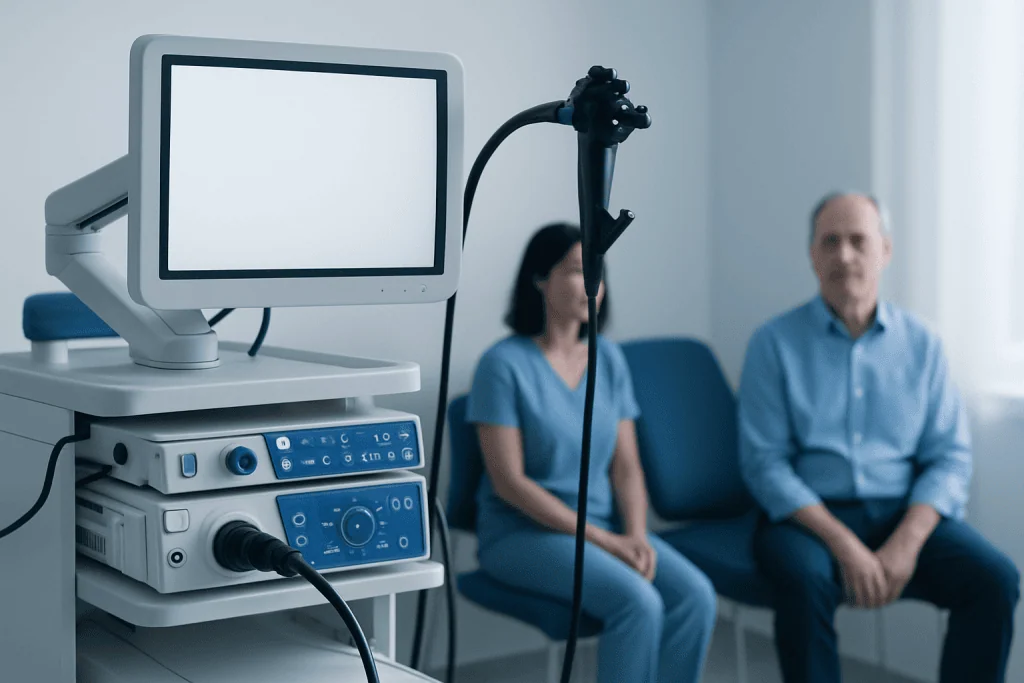
The digestive tract relies on coordinated muscle contractions, local hormones, and a complex network of nerves. When this system does not work normally, a person may feel full very quickly, develop bloating or nausea, vomit undigested food, or have infrequent and difficult bowel movements. Symptoms alone cannot confirm slow motility because many digestive conditions can feel similar.
Delayed emptying of the stomach is known as gastroparesis. Diabetes is a common cause, particularly when blood glucose has been difficult to manage over time, but gastroparesis can also occur after some surgeries, with neurological illnesses, following infections, or without an identifiable cause. Certain medicines, including opioid pain medicines and some drugs with anticholinergic effects, may also slow digestive movement.
In the lower digestive tract, chronic constipation may be related to slow transit through the colon, difficulty coordinating pelvic floor muscles, low fiber intake, dehydration, limited activity, medication effects, or other medical conditions. Prokinetic agents are not appropriate for every type of constipation. For example, pelvic floor dysfunction usually needs a different approach, such as targeted pelvic floor therapy.
Which conditions may be treated with prokinetic medicines?

Prokinetic agents are most often considered when symptoms and testing suggest that movement through the digestive tract is delayed or poorly coordinated. In some settings, a medicine may be used for confirmed gastroparesis, particularly when nausea, vomiting, early fullness, or poor oral intake are affecting daily life. Treatment should be individualized because symptom severity does not always match the degree of delayed stomach emptying.
Some agents are also used for chronic idiopathic constipation or constipation-predominant irritable bowel syndrome, depending on local approvals. Others may help prevent or manage nausea in specific clinical circumstances. However, a prokinetic should not be viewed as a general treatment for indigestion, reflux, or unexplained bloating. In gastroesophageal reflux disease, improving stomach movement may occasionally be relevant, but acid-suppressing treatment and lifestyle measures are usually more central.
Before prescribing, clinicians also consider whether symptoms could be caused by a blockage, ulcer disease, inflammation, infection, cancer, or a metabolic problem. A medicine that stimulates gut contractions can be unsafe if there is a mechanical intestinal obstruction, perforation, or gastrointestinal bleeding. This is why persistent symptoms deserve proper assessment rather than self-treatment with leftover medication.
- Confirmed or strongly suspected gastroparesis
- Selected nausea and vomiting conditions under medical supervision
- Chronic constipation for which a specific intestinal motility medicine is appropriate
- Digestive slowing linked to a medicine or medical disorder, after clinical review
Types of prokinetic agents and how they differ
Several medicines can have prokinetic effects, but their availability and approved indications differ across countries. Metoclopramide acts on dopamine and serotonin pathways and can improve stomach emptying and reduce nausea. In some countries, it is used for diabetic gastroparesis and certain nausea-related indications, generally for the shortest suitable duration because of the potential for neurological side effects.
Domperidone also blocks dopamine receptors but has less penetration into the brain than metoclopramide. It is available in some countries but not routinely approved in others. Importantly, it can affect the heart’s electrical rhythm in susceptible people, so clinicians may review cardiac history, electrolyte levels, and interacting medicines before considering it.
Macrolide antibiotics such as erythromycin can stimulate motilin receptors and may temporarily speed stomach emptying. Their effect often becomes less reliable over time, and they can interact with other medicines or contribute to heart-rhythm risk. For these reasons, they are typically used selectively rather than as a long-term solution for most people.
Other medicines work mainly in the intestines. For example, serotonin 5-HT4 receptor agonists, including prucalopride in many regions, are used for chronic constipation and promote bowel movement. Drugs such as itopride, mosapride, levosulpiride, and others may be available in particular countries or clinical settings. A person should not assume that a medicine used abroad is suitable, approved, or safe for their own circumstances.
Assessment before treatment and monitoring during care
A careful history is the starting point. A clinician will ask about fullness, nausea, vomiting, abdominal pain, bowel pattern, weight change, diet, prior abdominal surgery, diabetes, neurological conditions, and medicines or supplements. They may also ask whether vomiting contains blood, whether stools are black, and whether there are symptoms suggesting obstruction.
Testing depends on the suspected problem. Blood tests may look for dehydration, electrolyte imbalance, thyroid disease, diabetes-related issues, or other contributors. Upper endoscopy or imaging may be used to rule out a blockage or another structural cause. When gastroparesis is suspected, a gastric emptying study may be recommended to measure how the stomach empties a standardized meal.
For constipation, assessment may include a physical examination and selective tests based on age, symptoms, family history, and warning signs. If a prokinetic agent is started, follow-up helps establish whether it is improving the intended symptom, whether adverse effects are occurring, and whether continued treatment remains worthwhile. In people at risk of rhythm problems, an electrocardiogram and review of medicines may be appropriate.
Benefits, side effects and practical safety points
The expected benefit of a prokinetic agent depends on the diagnosis and medicine used. Some people experience less nausea, less vomiting, improved ability to eat small meals, or more regular bowel movements. Others have limited benefit, and an alternative strategy may be safer or more helpful. Treatment should be reviewed rather than continued automatically if symptoms do not improve.
Side effects vary. Diarrhea, abdominal cramping, headache, fatigue, and dizziness can occur with different agents. Metoclopramide may cause restlessness, drowsiness, muscle stiffness, tremor, or involuntary movements. Rarely, involuntary movements can persist after the medicine is stopped, which is why it is generally prescribed cautiously and for limited periods when possible.
Some prokinetic medicines can prolong the QT interval, an electrical measurement in the heart, and may raise the risk of a serious abnormal rhythm in vulnerable individuals. Risk can increase with existing heart disease, slow heart rate, low potassium or magnesium, liver impairment, or use of certain antibiotics, antifungals, antidepressants, and other rhythm-affecting medicines. The prescribing clinician and pharmacist need a complete and current medication list.
Patients should take a prokinetic only as directed and should not alter the dose or combine products without medical advice. They should contact a clinician promptly if they develop fainting, a rapid or irregular heartbeat, severe restlessness, new uncontrolled movements, marked confusion, or symptoms of an allergic reaction. Alcohol and medicines that cause drowsiness may worsen sedation with some treatments.
Food, daily habits and when to seek medical care
Lifestyle measures can support medical treatment for digestive motility symptoms. For suspected delayed stomach emptying, clinicians may suggest smaller, more frequent meals and adjusting the texture or fat and fiber content of foods based on individual tolerance. Adequate fluids are important, particularly with vomiting or constipation. People with diabetes may benefit from working with their care team to keep blood glucose within their personalized target range, as high glucose can further slow stomach emptying.
For constipation, regular meals, gradual fiber adjustments when tolerated, physical activity, fluids, and a consistent opportunity to use the toilet can be helpful. Fiber is not suitable for every person with marked bloating, severe slow transit, or suspected obstruction, so it is sensible to seek individualized advice. A clinician can also review medicines that may be contributing to symptoms.
Medical care should be sought urgently for severe or worsening abdominal pain, a swollen abdomen with inability to pass stool or gas, repeated vomiting, vomiting blood, black or bloody stools, fainting, chest symptoms, or signs of dehydration such as very little urine or severe weakness. A non-urgent appointment is appropriate for persistent nausea, vomiting, early fullness, unexplained weight loss, new constipation, or a continuing change in bowel habits.
Acibadem International’s multidisciplinary specialists and JCI-accredited hospitals can assess digestive motility symptoms and coordinate treatment for international patients. A qualified clinician can help determine whether prokinetic therapy is appropriate and ensure that treatment is monitored safely.
Frequently asked questions
What do prokinetic agents do?
Prokinetic agents help improve movement through the stomach or intestines. Depending on the medicine, they may reduce symptoms linked to delayed stomach emptying or help increase bowel movements in chronic constipation. They are prescribed for specific situations rather than for all digestive discomfort.
Are prokinetic agents the same as laxatives?
No. Some medicines used for chronic constipation have prokinetic effects, but laxatives and prokinetics work in different ways. Laxatives may soften stool, draw water into the bowel, or stimulate the bowel, while prokinetics are designed to influence gastrointestinal movement and coordination.
Can prokinetic medicines cure gastroparesis?
They do not usually cure gastroparesis, but they may improve symptoms and help some people tolerate food more comfortably. Management may also include dietary changes, treatment of contributing conditions, and review of medicines that slow stomach emptying. Ongoing follow-up is often needed.
Why are some prokinetic drugs used only short term?
Some agents can cause important side effects when used for longer periods, including involuntary movement disorders or heart-rhythm changes. The risks differ by medicine and by individual health factors. Clinicians generally use the lowest appropriate dose for the shortest suitable duration and reassess the response.
Can a person take prokinetic agents for reflux or bloating?
Not without medical guidance. Reflux and bloating have many possible causes, and a motility medicine may not address the cause or could be inappropriate. A clinician can determine whether testing, dietary changes, acid-reducing treatment, or another approach is more suitable.
What should be discussed before starting a prokinetic agent?
A person should mention all prescription medicines, over-the-counter products, supplements, allergies, heart conditions, liver or kidney disease, pregnancy status, and prior neurological symptoms. They should also report vomiting, weight loss, severe pain, or changes in bowel habits. This information helps the clinician choose a safe option and identify whether further testing is needed.
References
- National Institute of Diabetes and Digestive and Kidney Diseases
- American College of Gastroenterology
- U.S. Food and Drug Administration
- European Medicines Agency
- Mayo Clinic
This article is for general information only and is not a substitute for professional medical advice. Please consult a qualified doctor about your individual situation.
Persistent digestive symptoms? Get evaluated in Turkey
JCI-accredited · board-certified surgeons · reply within 24h
Add us as a Preferred Source to see more of our trusted health content across Google Search, AI Overviews and Discover.

More from the Health Library

Brittle Hair: What Patients Need to Know

Under Tongue — Explained by Medical Evidence, Not Myths

Cosmetic Dentist for Veneers: An Evidence-Based Guide for Patients

Jejunum: What Patients Need to Know

Pumpkin Seeds Fiber: An Evidence-Based Guide for Patients