Breast Carcinoma Stage 3: A Complete Clinical Guide for Patients
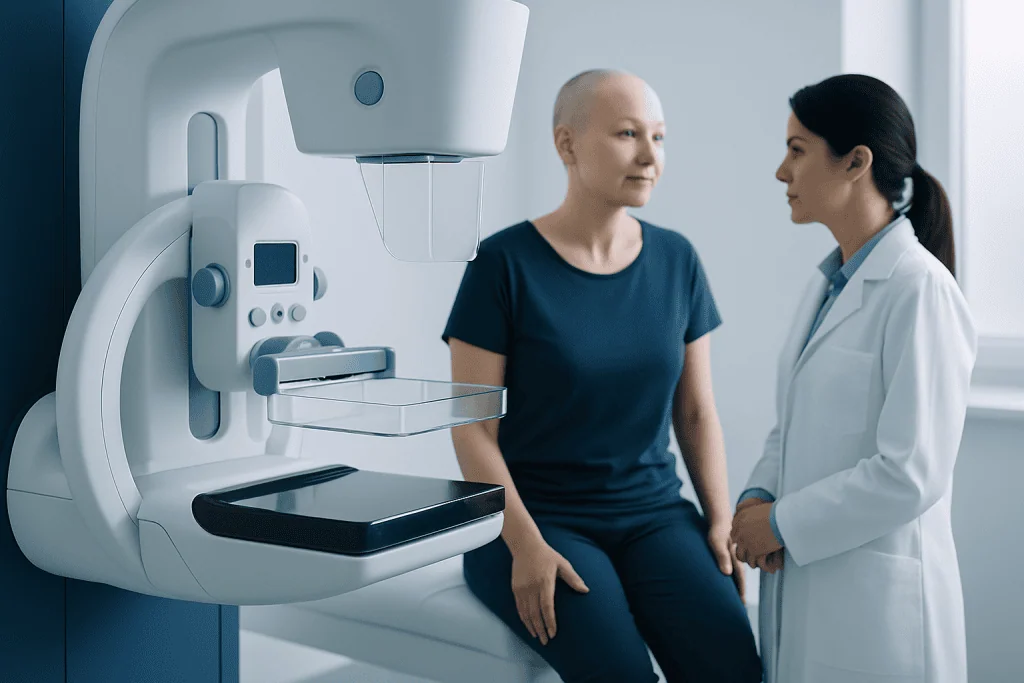
Stage 3 breast carcinoma is locally advanced disease, not metastatic (stage 4) cancer. Stage III includes several subgroups, and the exact treatment plan depends on tumor biology, lymph-node involvement and response to therapy.
Key Takeaways
- Stage 3 breast carcinoma is locally advanced disease, not metastatic (stage 4) cancer.
- Stage III includes several subgroups, and the exact treatment plan depends on tumor biology, lymph-node involvement and response to therapy.
- Many people receive medication treatment before surgery to shrink the tumor and treat microscopic cancer cells early.
- Surgery and radiation are usually important parts of treatment for stage 3 disease.
- Ongoing follow-up, rehabilitation and emotional support are key parts of care before, during and after treatment.
Breast carcinoma stage 3, also called stage III breast cancer, is cancer that has spread extensively within the breast or to nearby lymph nodes but has not spread to distant organs. Treatment is usually planned by a multidisciplinary team and commonly combines systemic therapy, surgery and radiation therapy with the aim of controlling the cancer and reducing the risk of recurrence.
Overview: what breast carcinoma stage 3 means
Breast carcinoma stage 3 is a locally advanced form of breast cancer. It means the cancer is larger, has involved a significant number of nearby lymph nodes, and/or has grown into nearby breast skin or chest-wall tissues, but testing has not found spread to distant organs such as the bones, liver, lungs or brain. This distinction is important: stage III disease is generally treated with an intensive, potentially curative combination of therapies.
Stage III is not one single diagnosis. It includes stage IIIA, IIIB and IIIC, which differ according to the size and local extent of the tumor and the location and number of affected lymph nodes. Modern staging also considers tumor grade and biomarkers, including estrogen receptor (ER), progesterone receptor (PR) and HER2 status. These details help the care team explain the individual situation more accurately than the stage number alone.
Hearing “stage 3” can feel overwhelming, but there are effective treatment options. Care is usually coordinated by breast surgeons, medical oncologists, radiation oncologists, radiologists, pathologists, specialist nurses and supportive-care professionals. The sequence of treatment is tailored to the person and to the biology of the cancer.
How stage III breast cancer is classified
Clinicians use the TNM system to describe breast cancer. “T” describes the primary tumor, “N” describes regional lymph nodes, and “M” indicates whether there is distant metastasis. In stage III breast carcinoma, the M category is M0, meaning there is no evidence of distant spread. The T and N categories can vary substantially from one person to another.
For example, stage III disease may involve a large breast tumor with multiple underarm lymph nodes, lymph nodes above or below the collarbone, or cancer affecting the skin or chest wall. Inflammatory breast cancer, which often causes rapid breast redness, swelling and skin thickening, is generally classified as at least stage IIIB when there is no distant metastasis.
Some people are first assigned a clinical stage based on examination, imaging and biopsy. After treatment given before surgery, the surgical pathology report provides further information about the response. The team may also use a prognostic stage, which incorporates receptor status, HER2 status, grade and other pathology findings. This helps guide treatment discussions but does not replace individualized medical advice.
Symptoms and how the diagnosis is confirmed
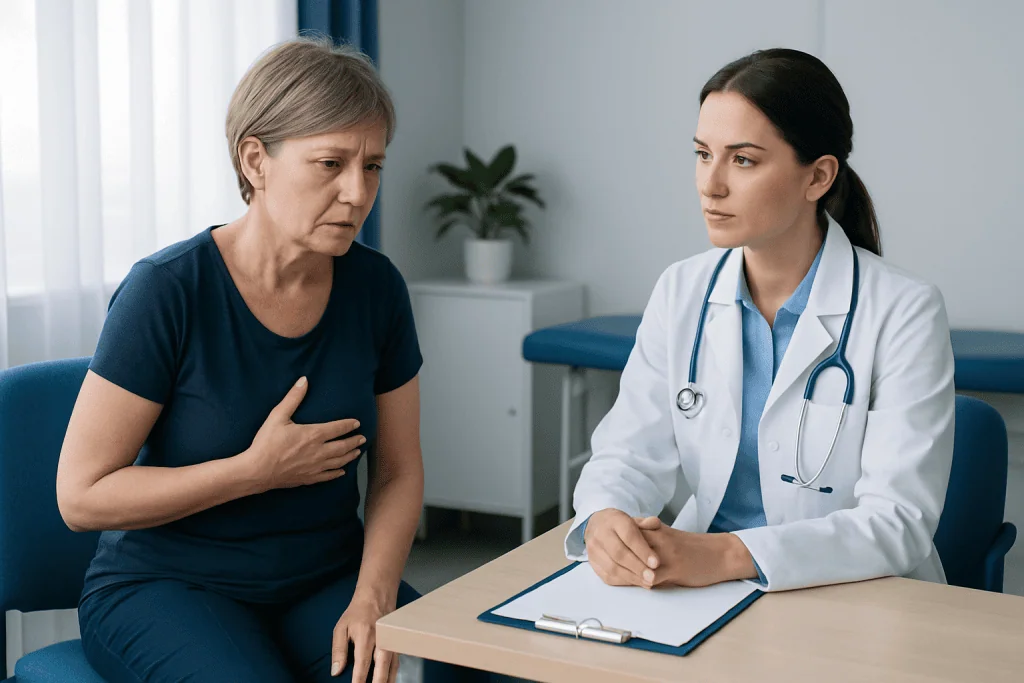
Stage III breast carcinoma may cause a lump in the breast or underarm, breast enlargement, skin dimpling, nipple changes, persistent breast discomfort, or swollen lymph nodes near the collarbone. Some tumors cause few noticeable symptoms and are discovered after an abnormal mammogram or other imaging test. Symptoms alone cannot determine the cancer stage.
Diagnosis begins with a clinical breast examination and imaging, which may include diagnostic mammography, breast ultrasound and breast magnetic resonance imaging (MRI). A core needle biopsy confirms whether cancer is present. Pathology testing identifies the tumor type, grade and receptor profile, including ER, PR and HER2, because these findings directly influence treatment choices.
When stage III disease is suspected, clinicians commonly arrange additional imaging to check for spread outside the breast and regional lymph nodes. The exact tests vary by the clinical circumstances and may include computed tomography (CT), bone imaging or positron emission tomography (PET/CT). Blood tests can support treatment planning, but they do not diagnose or stage breast cancer on their own.
It can be helpful for patients to ask for copies of their pathology and imaging reports. Important questions include the tumor’s receptor status, the lymph nodes involved, the proposed clinical stage, and whether treatment before surgery is recommended.
Treatment planning: why therapy often starts before surgery
For many patients with breast carcinoma stage 3, treatment starts with systemic therapy, sometimes called neoadjuvant or preoperative therapy. This may include chemotherapy, HER2-targeted medicines for HER2-positive cancer, immunotherapy in selected situations, or endocrine therapy for some hormone receptor-positive cancers. Treating early can shrink the breast tumor and lymph nodes, make surgery more effective or less extensive, and provide information about how the cancer responds.
The recommended medicines depend on the cancer subtype, overall health, menopause status, medical history and personal preferences. Triple-negative, HER2-positive and hormone receptor-positive breast cancers behave differently and are treated differently. The oncology team will discuss expected benefits, possible side effects, fertility considerations where relevant, and ways to manage symptoms during treatment.
After preoperative treatment, imaging and examination assess the response, although surgery is generally still needed to evaluate the remaining cancer accurately. If cancer remains in the breast or lymph nodes, additional treatment after surgery may be advised. If there is a strong response, this is encouraging, but it does not usually remove the need for the rest of the planned local treatment.
Clinical trials may be an option for some people at different points in care. A trial is not automatically better than standard treatment, but it may provide access to carefully studied approaches. The oncology team can explain whether a suitable trial is available and appropriate.
Surgery, radiation and treatment after surgery
Surgery for stage III breast cancer commonly involves mastectomy, although breast-conserving surgery may be possible for selected patients when the tumor has responded well to preoperative treatment. The choice depends on the original extent of disease, response to treatment, breast size, tumor location, genetic factors and the person’s preferences. Reconstruction may be discussed before surgery; in some cases, delayed reconstruction is preferable when radiation is planned.
Lymph-node surgery is also individualized. Depending on the lymph nodes involved at diagnosis and the response to preoperative therapy, the surgeon may recommend sentinel lymph-node biopsy, targeted removal of previously biopsied nodes, or axillary lymph-node dissection. The team considers both cancer control and the risk of arm swelling, stiffness or numbness.
Radiation therapy is usually recommended after surgery for stage III disease. It may treat the chest wall or remaining breast tissue and regional lymph-node areas. Radiation reduces the chance of cancer returning in the treated area. Planning is precise and aims to protect nearby normal tissues as much as possible, while short-term effects such as skin irritation and fatigue can often be managed with support from the radiation team.
Additional systemic treatment after surgery may include endocrine therapy for hormone receptor-positive disease, ongoing HER2-targeted therapy for HER2-positive disease, or other medicines selected according to the pathology results and prior response. Treatment plans can evolve as new surgical pathology information becomes available.
Living with treatment and supporting recovery
Stage III breast cancer treatment can affect energy, appetite, sleep, mood, work and family life. Patients should tell their team about new or troublesome symptoms rather than trying to manage them alone. Supportive care may include anti-nausea treatment, pain management, nutrition guidance, physical therapy, counseling and social-work support. These services are part of comprehensive cancer care, not an optional extra.
Gentle activity, when approved by the treating team, can help preserve strength and improve fatigue and mood. After breast or lymph-node surgery, specific shoulder and arm exercises may help restore movement. Anyone with arm swelling, heaviness, tightness or reduced range of motion should notify the care team, as early assessment for lymphedema and rehabilitation can be valuable.
There is no special diet proven to cure breast cancer. In general, a varied diet with adequate protein and fluids can support recovery, while avoiding tobacco and limiting alcohol are sensible health measures. Before taking vitamins, herbal products or supplements, patients should ask their oncology team because some products can interfere with treatment or increase side effects.
Acibadem International’s multidisciplinary specialists and JCI-accredited hospitals provide diagnostic assessment and treatment planning for international patients with breast cancer. Patients should seek care from a qualified breast cancer team that can coordinate medical, surgical, radiation and supportive care.
When to seek medical care
Anyone who notices a new breast or underarm lump, persistent breast thickening, nipple inversion or discharge, unexplained skin dimpling, or changes that do not settle should arrange a medical assessment. Rapid breast swelling, warmth, redness, skin thickening resembling an orange peel, or enlarged lymph nodes near the collarbone also need prompt evaluation. Most breast changes are not cancer, but timely assessment is important.
People already receiving treatment should contact their oncology team urgently for a fever, chills, shortness of breath, chest pain, uncontrolled vomiting, sudden confusion, severe weakness, unusual bleeding, or signs of an allergic reaction. These symptoms can sometimes be related to cancer treatment and should not wait until the next routine appointment.
After treatment, follow-up visits are used to monitor recovery, discuss long-term therapy, manage side effects and investigate new concerns. Patients should contact their care team between scheduled visits if they develop a new persistent lump, unexplained bone pain, ongoing cough or breathlessness, severe headaches, jaundice, or unexplained weight loss. These symptoms have many possible causes, but they deserve medical review.
Frequently asked questions
Is breast carcinoma stage 3 the same as metastatic breast cancer?
No. Stage 3 breast carcinoma is locally advanced cancer that has spread within the breast area or to regional lymph nodes but has not been found in distant organs. Metastatic breast cancer is stage 4 disease and involves distant spread.
Can stage 3 breast cancer be treated successfully?
Yes, treatment is commonly given with the goal of eliminating the cancer and lowering the risk of it returning. Outcomes vary based on the exact stage, tumor subtype, response to treatment, overall health and other individual factors. The treating oncology team is best placed to discuss prognosis in a personal context.
Why might chemotherapy be given before surgery?
Preoperative systemic treatment can shrink the tumor and involved lymph nodes, which may improve surgical options. It also begins treating cancer cells throughout the body early and shows how the tumor responds to therapy. Not every patient needs the same preoperative regimen.
Will a mastectomy always be necessary for stage III breast cancer?
Not always, although mastectomy is common in stage III disease because of the extent of the original tumor. Some patients may be candidates for breast-conserving surgery after a good response to treatment before surgery. The decision should be made with a breast surgeon and oncology team.
What do ER, PR and HER2 results mean?
ER and PR show whether cancer cells use hormones to grow, while HER2 describes a growth-promoting protein that is overexpressed in some breast cancers. These results help classify the tumor and select treatments such as endocrine therapy or HER2-targeted therapy. They are important alongside the cancer stage.
What follow-up is needed after stage III breast cancer treatment?
Follow-up usually includes regular clinical appointments, ongoing prescribed medicines where indicated, and breast imaging appropriate to the type of surgery performed. The schedule is individualized, and the care team also monitors treatment effects, bone health, emotional wellbeing and symptoms that may need investigation.
References
- American Cancer Society
- National Cancer Institute
- National Comprehensive Cancer Network
- European Society for Medical Oncology
- World Health Organization
This article is for general information only and is not a substitute for professional medical advice. Please consult a qualified doctor about your individual situation.
Oncology care in Turkey — second opinion and treatment plan
JCI-accredited · board-certified surgeons · reply within 24h
Add us as a Preferred Source to see more of our trusted health content across Google Search, AI Overviews and Discover.