Bronchoconstriction: An Evidence-Based Guide for Patients

Bronchoconstriction can make breathing feel difficult because narrowed airways reduce airflow in and out of the lungs. Common symptoms include wheezing, coughing, chest tightness and shortness of breath.
Key Takeaways
- Bronchoconstriction can make breathing feel difficult because narrowed airways reduce airflow in and out of the lungs.
- Common symptoms include wheezing, coughing, chest tightness and shortness of breath.
- Asthma is a common cause, but infections, allergens, exercise, cold air and irritants can also trigger airway narrowing.
- Rapid-relief inhaled medicines may be used for sudden symptoms, while preventive treatment can reduce recurrent episodes.
- Severe or rapidly worsening breathing difficulty requires urgent medical assessment.
Bronchoconstriction is a temporary narrowing of the airways caused by tightening of the muscles around the bronchial tubes. It may occur with asthma, respiratory infections, allergies, exercise, or exposure to irritants, and treatment depends on the underlying trigger and severity.
What Is Bronchoconstriction?
Bronchoconstriction is the narrowing of the airways that carry air into and out of the lungs. It happens when smooth muscle surrounding the bronchial tubes tightens. Swelling of the airway lining and increased mucus may occur at the same time, making the passage for air even smaller. The term bronchospasm is often used to describe this tightening, although bronchoconstriction more broadly describes the resulting airway narrowing.
When the airways narrow, moving air becomes more difficult, particularly when breathing out. A person may notice wheezing, cough, chest tightness, or shortness of breath. Symptoms can be mild and brief, or they can be more significant depending on the trigger, the degree of narrowing, and whether an underlying lung condition is present.
Bronchoconstriction is a physical response rather than a diagnosis on its own. It is strongly associated with asthma, but it can also occur in people with chronic obstructive pulmonary disease (COPD), after certain respiratory infections, during allergic reactions, or following exposure to airway irritants. Identifying the pattern and cause helps clinicians choose the most appropriate care.
How Bronchoconstriction Feels and What Symptoms May Occur
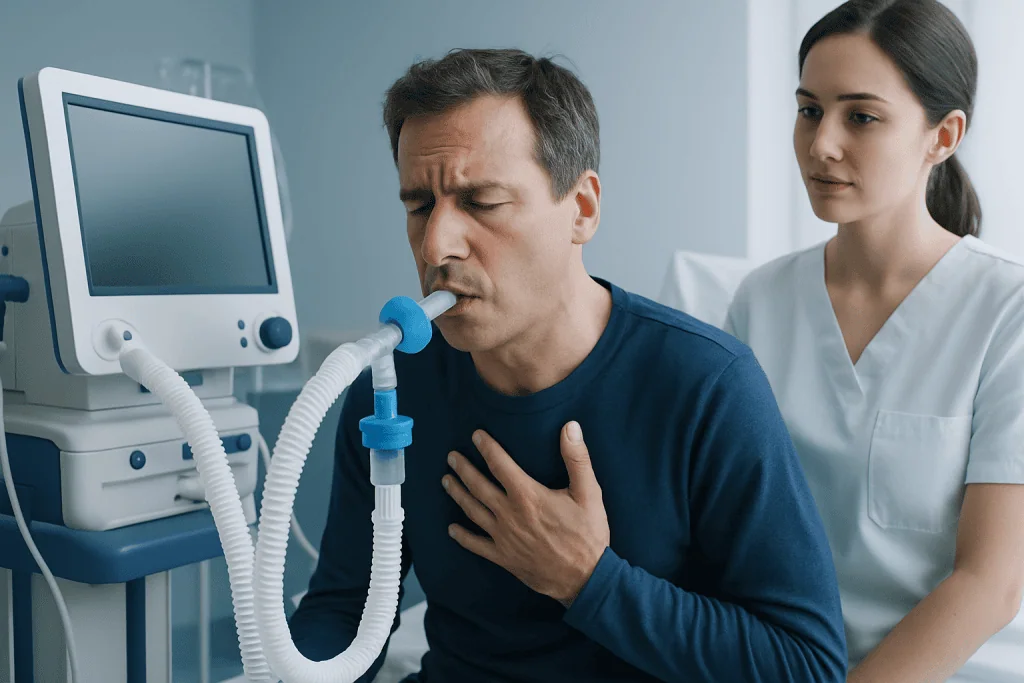
Symptoms vary from person to person. Wheezing is a common sign and may sound like a high-pitched whistling noise, especially during exhalation. However, not everyone with bronchoconstriction wheezes. Some people mainly experience a dry cough, an uncomfortable sense of chest pressure, or the feeling that they cannot take a satisfying breath.
Symptoms may develop suddenly after exposure to a trigger, such as cigarette smoke, cold air, pollen, pet dander, cleaning fumes, or exercise. In other cases, they build gradually over hours or days, especially during a viral respiratory infection or when asthma is not well controlled. Nighttime cough, waking with breathlessness, or symptoms that repeatedly interrupt activity can be important clues that medical review is needed.
In young children, signs can be less specific. They may cough persistently, breathe faster than usual, appear tired during play, or have difficulty feeding. Because several conditions can cause cough and noisy breathing, a qualified healthcare professional should evaluate recurring or concerning symptoms rather than assuming they are due to bronchoconstriction.
- Wheezing or a whistling sound when breathing
- Cough, particularly at night or after exercise
- Chest tightness or discomfort
- Shortness of breath or reduced exercise tolerance
- Fast breathing, fatigue, or difficulty speaking in full sentences in more severe episodes
Common Causes and Triggers

Asthma is among the most frequent causes of recurrent bronchoconstriction. In asthma, the airways are sensitive and can react to triggers by tightening, becoming inflamed, and producing mucus. Symptoms may come and go, and their intensity may change over time. People with asthma can often reduce episodes through a personalized management plan that includes trigger awareness and appropriate medication.
Allergens can trigger airway narrowing in susceptible people. These may include pollen, dust mites, mold, animal dander, and workplace substances. Respiratory viruses, including common cold viruses, can also temporarily increase airway sensitivity. In some people, exercise can bring on symptoms during or shortly after activity, particularly when exercising in cold, dry air. This is often called exercise-induced bronchoconstriction.
Other possible triggers include tobacco smoke, vaping aerosols, air pollution, strong fragrances, chemical fumes, and sudden weather changes. Emotional stress does not directly cause airway inflammation, but it may worsen the sensation of breathlessness or contribute to symptoms in people with existing airway disease. Some medicines, including certain beta-blockers and aspirin-like anti-inflammatory medicines, may provoke symptoms in sensitive individuals; a clinician can advise whether a medication could be relevant.
Bronchoconstriction can sometimes occur as part of a serious allergic reaction. If breathing symptoms appear suddenly alongside widespread hives, swelling of the lips or tongue, faintness, or vomiting after possible allergen exposure, emergency care is needed.
How Doctors Assess Airway Narrowing
A clinician usually begins by asking about the timing and pattern of symptoms. Helpful details include whether episodes occur with exercise, at night, during particular seasons, around animals, after respiratory illnesses, or in certain work environments. A review of past lung conditions, allergies, medications, smoking exposure, and family history can also help clarify the likely cause.
The physical examination may include listening to the lungs for wheezing and checking breathing rate, oxygen level, and signs of respiratory effort. A normal examination does not necessarily rule out intermittent bronchoconstriction, because symptoms may have settled by the time of the appointment.
Lung function tests can be useful when asthma or another obstructive airway condition is suspected. Spirometry measures how much air a person can forcefully breathe out and how quickly. Testing may be repeated after an inhaled bronchodilator to see whether airflow improves. Depending on the situation, clinicians may consider peak flow monitoring, allergy evaluation, exercise testing, chest imaging, or testing for infection. These tests also help distinguish bronchoconstriction from other causes of breathlessness, such as heart conditions, vocal cord dysfunction, anemia, or anxiety-related breathing changes.
Treatment Options and Long-Term Management
Treatment focuses first on relieving significant symptoms and then on preventing future episodes. For sudden bronchoconstriction, clinicians commonly prescribe a fast-acting inhaled bronchodilator, which relaxes airway muscle and helps improve airflow. These medicines should be used exactly as directed. A person who needs a reliever inhaler more often than expected, or whose symptoms do not improve as usual, should seek medical advice.
When airway inflammation is contributing to recurring symptoms, preventive medication may be recommended. In asthma, this often includes an inhaled corticosteroid, sometimes combined with a longer-acting bronchodilator. These treatments are intended to reduce airway inflammation and lower the likelihood of flare-ups; they are not the same as rapid-relief medicine. The choice of treatment depends on the diagnosis, symptom frequency, age, other medical conditions, and individual response.
Correct inhaler technique is essential. Even an appropriate medicine may be less effective if the device is not used properly. A doctor, nurse, pharmacist, or respiratory therapist can demonstrate the technique and check it at follow-up visits. Some people benefit from a spacer device, particularly when using certain inhalers.
People with asthma or another chronic airway condition may be given a written action plan. This describes everyday treatment, how to recognize worsening control, and when to seek urgent care. Acibadem International’s multidisciplinary specialists and JCI-accredited hospitals can assess recurrent breathing symptoms and coordinate care for international patients when appropriate.
Reducing Triggers and Supporting Lung Health
Not every episode can be prevented, but reducing exposure to known triggers may lower the risk. Avoiding tobacco smoke and vaping is particularly important, as these exposures can irritate the airways and worsen respiratory disease. Improving indoor air quality, limiting exposure to strong sprays or fumes, and using workplace protective measures when needed may also be helpful.
For people with allergy-related symptoms, practical steps may include keeping windows closed during high-pollen periods when feasible, showering after outdoor activity, reducing dust accumulation, and discussing allergy testing or treatment with a clinician. The most useful approach depends on the specific allergen. Avoiding food, medication, or insect-sting triggers is especially important for anyone with a history of an allergic reaction.
Regular physical activity supports overall heart and lung health for most people. Those who develop exercise-related symptoms should not simply stop being active without medical advice. A clinician can assess whether exercise-induced bronchoconstriction is present and may recommend a warm-up routine, adjustments to the exercise environment, or medication before activity where appropriate.
Vaccinations recommended by a healthcare professional, good hand hygiene, adequate sleep, and management of chronic nasal allergies or reflux may also support respiratory health in some individuals. These measures do not replace prescribed treatment, but they can form part of a broader plan to reduce avoidable airway irritation.
When to Seek Medical Care
Medical assessment is appropriate for new wheezing, repeated episodes of cough and shortness of breath, symptoms that disturb sleep, or breathing problems that limit normal activity. A prompt appointment is also sensible if symptoms follow a new medicine, workplace exposure, respiratory infection, or possible allergy trigger. Early evaluation can identify asthma or another treatable condition and reduce the chance of symptoms becoming harder to control.
Urgent medical care is needed if breathing becomes severely difficult, a person cannot speak comfortably in full sentences, the lips or face appear blue or gray, there is confusion or extreme drowsiness, or a prescribed reliever medicine is not helping. Emergency care is also necessary when respiratory symptoms occur with swelling of the tongue or throat, widespread hives, dizziness, or collapse, as these may indicate a severe allergic reaction.
For people already diagnosed with asthma or COPD, a clear change from their usual symptom pattern should be taken seriously. Following an individualized action plan and contacting a clinician early when symptoms worsen can help guide safe next steps. No online information can replace an in-person assessment when breathing is difficult or symptoms are rapidly changing.
Frequently asked questions
Is bronchoconstriction the same as asthma?
No. Bronchoconstriction is airway narrowing, while asthma is a chronic condition in which the airways are often inflamed and unusually sensitive. Asthma commonly causes bronchoconstriction, but airway narrowing can also occur with infections, exercise, allergens, irritants, and other conditions.
Can bronchoconstriction go away on its own?
Mild symptoms may settle after the trigger is removed, particularly if they are short-lived. However, recurrent, persistent, or significant symptoms should be assessed by a healthcare professional. Treatment may be needed to relieve airway narrowing and address the cause.
What triggers exercise-induced bronchoconstriction?
Exercise-induced bronchoconstriction is often related to breathing large volumes of cool, dry air during activity. It can also be more likely with air pollution, pollen exposure, respiratory infections, or poorly controlled asthma. A clinician can help determine whether symptoms during exercise are due to airway narrowing or another cause.
Can anxiety cause bronchoconstriction?
Anxiety can cause a sensation of breathlessness, rapid breathing, chest tightness, and dizziness. It does not usually cause the airway muscle tightening seen in bronchoconstriction, although stress may worsen symptoms in people who have asthma or another airway condition. New or persistent breathing symptoms should not be attributed to anxiety without medical evaluation.
Which inhaler is used for bronchoconstriction?
A fast-acting bronchodilator inhaler may be prescribed to quickly relax airway muscles during sudden symptoms. Some people also need preventive inhaled treatment to control inflammation and reduce future episodes. The correct inhaler depends on the diagnosis and should be selected by a qualified clinician.
When is wheezing an emergency?
Wheezing needs emergency assessment when it is accompanied by severe breathlessness, difficulty speaking, blue or gray lips or face, confusion, fainting, or poor response to prescribed rescue medication. Wheezing after an exposure that also causes throat swelling, hives, or dizziness may signal a severe allergic reaction and requires immediate emergency care.
References
- American Lung Association
- National Heart, Lung, and Blood Institute
- Global Initiative for Asthma
- Centers for Disease Control and Prevention
- Mayo Clinic
This article is for general information only and is not a substitute for professional medical advice. Please consult a qualified doctor about your individual situation.
Explore treatments in Turkey — costs, top hospitals & a free quote
JCI-accredited · board-certified surgeons · reply within 24h
Add us as a Preferred Source to see more of our trusted health content across Google Search, AI Overviews and Discover.

More from the Health Library



Related Specialists

Dr. Abdulkadir Kırkgöz
Pediatrics
Dr. Barış Sancak
Psychiatry
Assoc. Prof. Dr. Türkmen Bahadır Arıkan
General Surgery
Prof. Dr. Mehmet Serdar Binnet
Orthopedic Surgery & Traumatology