Oily Hair: What Patients Need to Know

Oily hair is usually caused by excess sebum production on the scalp rather than by poor hygiene. Hair type, hormones, genetics, skin conditions, product buildup, and styling habits can all affect scalp oiliness.
Key Takeaways
- Oily hair is usually caused by excess sebum production on the scalp rather than by poor hygiene.
- Hair type, hormones, genetics, skin conditions, product buildup, and styling habits can all affect scalp oiliness.
- Washing with an appropriate shampoo and avoiding heavy products near the roots can help manage greasy hair.
- Oily hair with persistent flakes, irritation, sores, or noticeable hair loss should be reviewed by a healthcare professional.
- A dermatologist can identify scalp conditions such as seborrheic dermatitis, psoriasis, or fungal infection when symptoms are ongoing.
Oily hair occurs when the scalp produces more sebum, or natural oil, than is needed to lubricate the hair and skin. It is common and usually harmless, but persistent oiliness with itching, flaking, redness, or hair shedding may need medical assessment.
Oily Hair: An Overview
Oily hair develops when sebaceous glands in the scalp produce more sebum than the hair and scalp need. Sebum is a natural oily substance that helps protect the skin and reduce dryness. In a balanced amount, it supports scalp comfort and hair flexibility; when it accumulates, however, hair can look flat, separated, shiny, or greasy soon after washing.
Oiliness is not a sign that a person is unclean. Scalp oil production varies naturally between individuals and may change with age, hormones, climate, hair texture, and daily routines. Fine or straight hair may appear oily more quickly because sebum can travel down the hair shaft more easily than it does in tightly curled or coiled hair.
For many people, adjusting cleansing frequency and product choice is enough to improve appearance and comfort. If oiliness is accompanied by inflammation, persistent dandruff-like scaling, pain, or hair thinning, it may be related to a scalp condition that benefits from professional care.
Why the Scalp Produces Oil
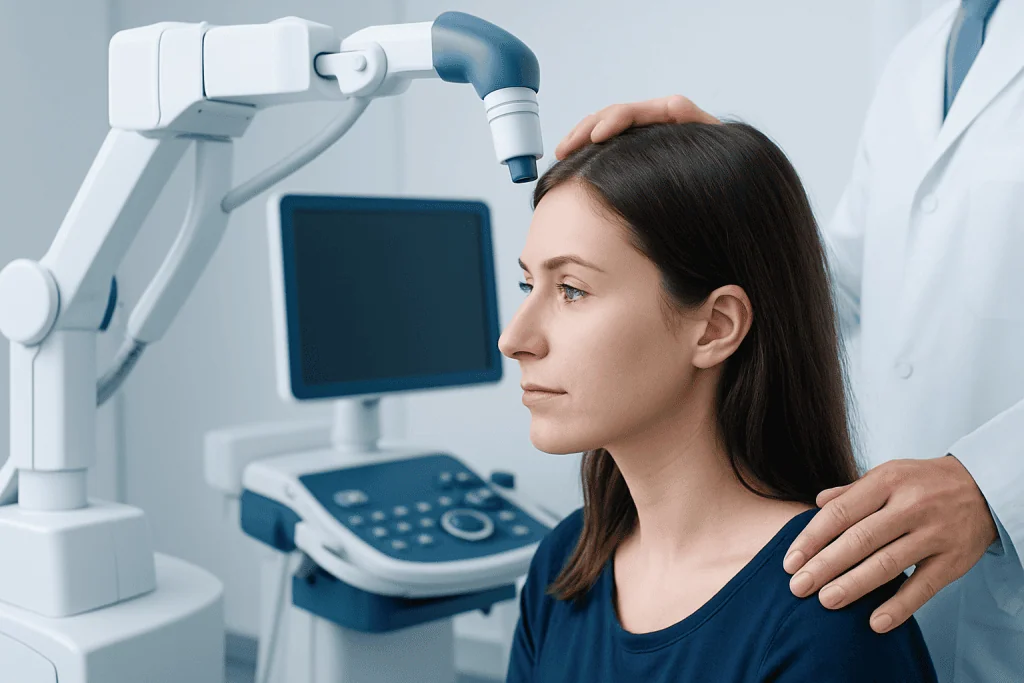
Sebaceous glands sit beside hair follicles across much of the body, including the scalp. They release sebum, which contains fats and other substances that support the skin barrier. The amount produced is influenced partly by genetics, so some people naturally have an oilier scalp than others.
Hormonal changes can increase sebum production. This is particularly common during puberty, menstrual-cycle changes, pregnancy, and times when androgen hormones are more active. Some endocrine conditions can also affect the skin and hair, although oily hair alone does not usually indicate a hormone disorder.
Temperature and humidity may make an oily scalp more noticeable, while frequent touching, brushing, or wearing close-fitting hats can spread oil from the scalp along the hair. Heavy styling products, oils, waxes, leave-in conditioners, and dry shampoo residue can combine with sebum and make hair feel greasier, even when the scalp itself is not producing substantially more oil.
Symptoms and Related Scalp Changes

The main sign is hair that looks greasy or feels heavy soon after it has been washed. The roots may clump together, lose volume, and appear darker or shinier than the lengths of the hair. Some people notice an oily scalp without major hair changes, while others experience both oily roots and dry or damaged ends.
Oiliness can occur with mild flaking because shed skin cells may stick to sebum on the scalp and hair. In some cases, oily yellowish flakes, itchiness, and redness are associated with seborrheic dermatitis. This common inflammatory skin condition can also affect the eyebrows, sides of the nose, ears, chest, or beard area.
Symptoms such as thick scale, sharply defined patches, pustules, crusting, tenderness, or patches of hair loss are not typical features of uncomplicated oily hair. They may suggest another scalp or skin problem, including psoriasis, contact dermatitis, folliculitis, or a fungal infection, and should be assessed by a clinician.
Common Causes and Contributing Factors
Genetic tendency and normal hormonal activity are leading contributors to oily hair. Adolescents and young adults often notice more scalp oil because sebaceous glands become more active during puberty. Oil production may later lessen with age, though this varies widely.
Hair-care routines can also contribute. Using a conditioner on the scalp rather than the hair lengths, applying rich masks too close to the roots, or not rinsing shampoo and styling products fully can leave residue behind. Conversely, washing very aggressively or using irritating products may disrupt the scalp barrier and lead to dryness, irritation, or a cycle of trying increasingly harsh products.
Stress does not directly cause oily hair in every person, but it can affect skin conditions and everyday routines. Certain medicines, hormonal treatments, and skin-care products may also change sebum production or irritate the scalp. A clinician can review these possibilities if symptoms begin suddenly or are difficult to manage.
- Fine, straight hair may show oil faster than textured hair.
- Frequent scalp touching can transfer oil and product residue.
- Infrequent cleaning of brushes, pillowcases, hats, and hair tools may contribute to buildup.
- Underlying dandruff or inflammatory scalp conditions can make oiliness more noticeable.
Practical Care for Oily Hair
A person with oily hair can usually wash as often as needed for comfort, provided the products and technique do not irritate the scalp. Many people benefit from a gentle shampoo designed for regular or oily hair, focusing the lather on the scalp and rinsing thoroughly. The hair lengths generally need less vigorous cleansing than the roots.
Conditioner can be useful for preventing dryness and tangling, especially on longer, colored, curly, or heat-styled hair. Applying it mainly from the mid-lengths to the ends rather than directly onto the scalp may help avoid a weighed-down feeling. Lightweight products may be preferable to rich oils, butters, or silicone-heavy styling creams for those whose roots become greasy quickly.
Clarifying shampoos can remove product and mineral buildup for some people, but they are not needed every day and may be drying if overused. Medicated anti-dandruff shampoos may be recommended when flakes or seborrheic dermatitis are present. A pharmacist, dermatologist, or primary care clinician can help select an appropriate product based on scalp symptoms and hair type.
Dry shampoo may temporarily improve the appearance of oily roots between washes, but it does not clean the scalp or treat an underlying condition. It should be used as directed, brushed out when possible, and not relied on for prolonged periods if the scalp is itchy, inflamed, or heavily coated with residue.
When to Seek Medical Care
Medical advice is appropriate when oily hair is accompanied by persistent itching, burning, redness, scaling, tenderness, or recurrent spots on the scalp. A clinician can distinguish simple oiliness from conditions such as seborrheic dermatitis, eczema, psoriasis, contact allergy, or folliculitis. Diagnosis is often based on a review of symptoms and a scalp examination.
It is also sensible to seek care for sudden major changes in scalp oiliness, especially when they occur with acne, irregular periods, new facial hair growth, unexplained weight changes, or other hormone-related symptoms. These features do not always mean there is a medical problem, but they can help a doctor decide whether further assessment is needed.
Prompt assessment is important if there is patchy hair loss, broken hairs, spreading rash, pus-filled bumps, open sores, fever, or significant pain. These findings can require targeted treatment. Acibadem International’s multidisciplinary specialists and JCI-accredited hospitals can assess scalp and hair concerns for international patients when specialist evaluation is needed.
Prevention and Long-Term Scalp Health
There is no need to eliminate all scalp oil, since sebum has a normal protective role. The goal is to find a routine that keeps the scalp comfortable and hair manageable without causing irritation. Keeping a brief note of wash days, products used, and symptoms can help identify triggers such as a particular styling product or a change in climate.
Regularly cleaning combs, brushes, hats, pillowcases, and hair accessories may reduce the transfer of oil, sweat, and product residue back onto freshly washed hair. Avoid picking at flakes or scratching the scalp, as this can worsen inflammation and occasionally damage the skin.
A balanced diet and adequate hydration support general health, but no single food or supplement has been proven to cure oily hair. People should be cautious about online claims that promise to “detox” the scalp or permanently stop oil production. Persistent symptoms are best addressed with individualized advice from a qualified healthcare professional.
Frequently asked questions
Is oily hair caused by washing it too often?
Frequent washing does not automatically cause an oily scalp. Sebum production is mainly influenced by genetics, hormones, and skin biology. However, harsh or irritating shampoos may dry or inflame the scalp, so choosing a suitable product and washing gently is important.
How often should a person with oily hair wash it?
The best frequency varies by hair type, activity level, climate, and scalp comfort. Some people with oily roots may prefer daily or every-other-day washing with a gentle shampoo. If washing causes itching, dryness, or increased flaking, a clinician or dermatologist can offer tailored advice.
Can oily hair cause hair loss?
Simple scalp oiliness does not usually cause hair loss. However, inflammatory scalp conditions, infections, scratching, or product buildup may coexist with shedding or breakage. New, patchy, or ongoing hair loss should be assessed by a healthcare professional.
Does dry shampoo make oily hair worse?
Dry shampoo can absorb some oil and improve the appearance of roots temporarily. It does not replace washing, and frequent use without cleansing may leave residue that causes itching or buildup in some people. It should be used sparingly and according to product directions.
Why are my roots oily but my ends dry?
This pattern is common, particularly in long, heat-styled, colored, or textured hair. Sebum is produced at the scalp and may not travel evenly down longer hair shafts, while the ends are more exposed to friction and damage. Applying conditioner mainly to the lengths and ends can help balance care.
When is oily hair a sign of a scalp condition?
Oily hair may be linked to a scalp condition when it occurs with persistent flakes, redness, itching, thick scale, pain, sores, or hair loss. Seborrheic dermatitis is one possible cause, but other conditions can look similar. A clinician can examine the scalp and recommend appropriate treatment.
References
- American Academy of Dermatology Association
- National Institute of Arthritis and Musculoskeletal and Skin Diseases
- Mayo Clinic
- NHS
This article is for general information only and is not a substitute for professional medical advice. Please consult a qualified doctor about your individual situation.
Hair transplant in Turkey — costs, graft counts & a free assessment
JCI-accredited · board-certified surgeons · reply within 24h
Add us as a Preferred Source to see more of our trusted health content across Google Search, AI Overviews and Discover.

More from the Health Library



Related Specialists

Dr. Filiz Yarımçan
Clinical Laboratory
Dr. Nihal Üstün
Aesthetic Plastic & Reconstructive Surgery
Dr. Mithat Ulay
Aesthetic Plastic & Reconstructive Surgery
Dr. Ayten Güner Akbıyık
Thoracic Surgery