Ulcerative Colitis Stool: Symptoms, Causes, and Treatment Options

Ulcerative colitis stool changes commonly include diarrhea, urgency, mucus and blood. Symptoms often vary with disease activity, the area of colon affected and treatment response.
Key Takeaways
- Ulcerative colitis stool changes commonly include diarrhea, urgency, mucus and blood.
- Symptoms often vary with disease activity, the area of colon affected and treatment response.
- Blood in the stool, severe pain, fever, dehydration or frequent diarrhea needs timely medical advice.
- Stool tests, blood tests and colonoscopy help distinguish an ulcerative colitis flare from infection or other causes.
- Treatment aims to control inflammation, heal the colon lining and maintain remission.
- Food choices may ease symptoms for some people, but diet alone does not treat colon inflammation.
Ulcerative colitis can change stool frequency, consistency and appearance, particularly during active inflammation in the colon. Loose stools, urgency, mucus and rectal bleeding are common, but stool changes should be assessed because infections and other conditions can cause similar symptoms.
Ulcerative Colitis Stool: What Changes Can Mean
Ulcerative colitis stool may become loose, frequent, urgent, mucus-filled or bloody because this inflammatory bowel disease causes inflammation and ulcers in the lining of the large intestine. During an active flare, the inflamed colon absorbs less water and may bleed or produce mucus, making bowel movements different from a person’s usual pattern.
Not everyone has the same symptoms. Some people mainly notice rectal bleeding with formed stools, especially when inflammation is limited to the rectum. Others have repeated watery bowel movements, cramping and an urgent need to use the toilet when a larger part of the colon is affected. Symptoms can improve substantially during remission, when inflammation is controlled.
A change in stool does not always mean ulcerative colitis is worsening. Gastrointestinal infections, food intolerance, medication effects, hemorrhoids and other bowel conditions can also cause diarrhea or blood. For this reason, new or persistent changes are best discussed with a clinician rather than managed by assumptions alone.
Common Stool Patterns and Related Symptoms
Diarrhea is a common ulcerative colitis symptom. Stools may be soft, loose or watery, and bowel movements may occur more often than usual. A person may need to rush to the toilet, feel unable to delay a bowel movement, or wake at night to pass stool. The severity can range from mild changes to frequent, disruptive diarrhea.
Bright red blood or dark red blood mixed with stool can occur when inflamed areas of the colon bleed. Mucus may appear as clear, white, yellowish or blood-streaked material. Some people pass only mucus, blood or small amounts of stool when the rectum is very inflamed and there is a persistent urge to have a bowel movement, known as tenesmus.
Stool changes often occur alongside other symptoms, including lower abdominal cramps, bloating, fatigue, reduced appetite or unintended weight loss. Fever, a fast heartbeat and marked weakness can suggest more significant inflammation or another problem requiring prompt evaluation. Constipation can also occur, particularly when disease is limited to the rectum, even though ulcerative colitis is more often associated with diarrhea.
- More frequent stools than the person’s usual baseline
- Urgency or difficulty holding stool
- Blood, mucus or pus-like discharge in stool
- Cramping that improves after a bowel movement
- Night-time bowel movements or fatigue related to symptoms
Why Ulcerative Colitis Affects Stool
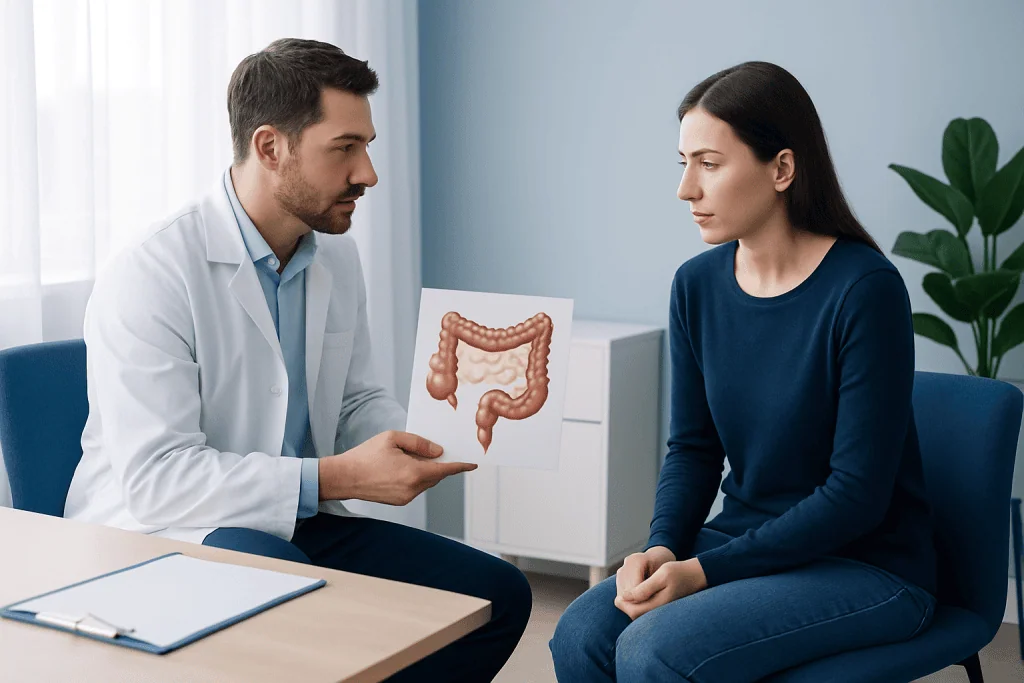
Ulcerative colitis is a chronic immune-mediated condition that affects the inner lining of the colon and rectum. The exact cause is not fully understood. It appears to involve an inappropriate immune response in genetically susceptible people, influenced by interactions among the gut microbiome, environment and immune system. It is not caused by poor hygiene, stress alone or a single food.
Inflammation starts in the rectum and can extend continuously into part or all of the colon. When the lining becomes inflamed, it may develop tiny ulcers that release blood and mucus. Inflammation also interferes with the colon’s normal role in absorbing water from digestive contents, contributing to loose stools and diarrhea.
The location and extent of inflammation influence symptoms. Proctitis affects the rectum and may cause bleeding, urgency and tenesmus with little diarrhea. Left-sided colitis affects the rectum and lower colon, while extensive colitis involves more of the colon and may cause more frequent stools, wider-ranging abdominal symptoms and systemic symptoms such as fatigue.
Flare triggers vary between individuals. Missing prescribed medication, intestinal infections, use of certain anti-inflammatory pain medicines and, for some people, stress or dietary changes may coincide with worsening symptoms. However, symptoms should not automatically be attributed to a flare, since infections such as Clostridioides difficile can occur in people with ulcerative colitis and require different treatment.
How Doctors Assess Stool Changes
A clinician will ask about the number of bowel movements, stool consistency, visible blood or mucus, urgency, night-time symptoms, pain, fever, recent travel, antibiotic use and medication adherence. Keeping a brief symptom record can help identify changes from a person’s normal baseline and give the care team a clearer picture of disease activity.
Stool testing may look for infections, including bacterial infections and C. difficile. A fecal calprotectin test measures a marker associated with intestinal inflammation. It can help distinguish inflammatory activity from some non-inflammatory causes of symptoms and may be used over time to monitor response to treatment, although results are interpreted alongside symptoms and other tests.
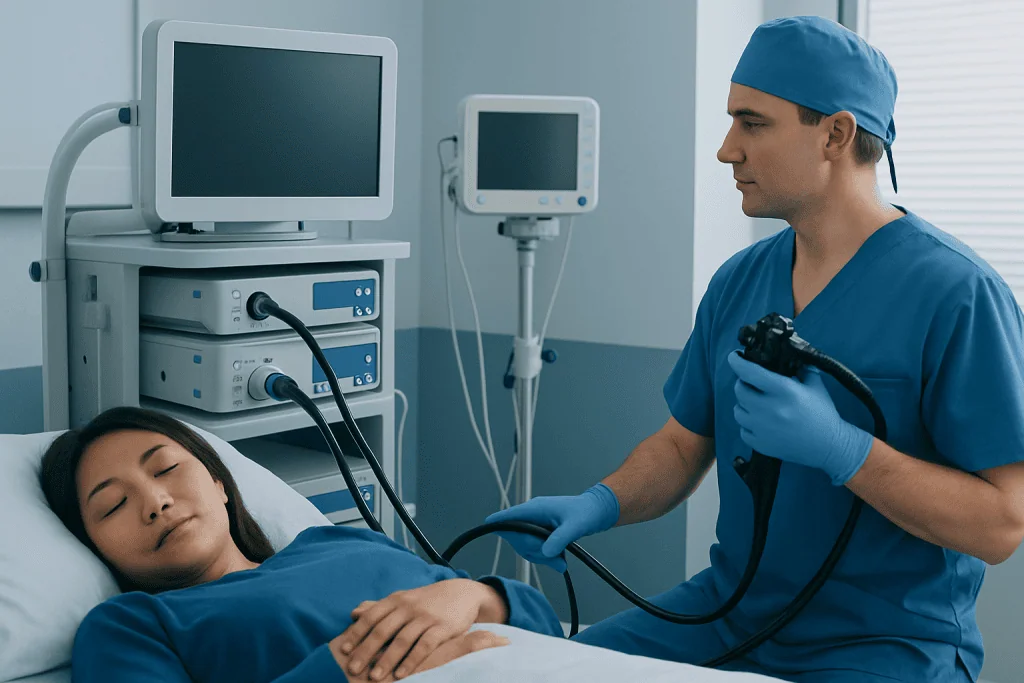
Blood tests can assess anemia from blood loss, inflammation, nutrition and hydration. Colonoscopy or flexible sigmoidoscopy allows direct examination of the colon lining and collection of small tissue samples, called biopsies. These tests help confirm the diagnosis, determine the extent of inflammation and assess healing when appropriate.
People with known ulcerative colitis should inform their gastroenterology team about a meaningful increase in bleeding, urgency or stool frequency. Adjusting treatment without medical guidance can delay correct care, particularly if an infection is present.
Treatment Options and Monitoring
Treatment for ulcerative colitis aims to reduce inflammation, relieve symptoms, support healing of the colon lining and prevent future flares. The treatment plan depends on the location and severity of disease, previous treatment response, other health conditions and personal preferences. It is usually led by a gastroenterologist and reviewed regularly.
For mild to moderate disease, anti-inflammatory medicines may be used orally and/or directly in the rectum as suppositories, foams or enemas. Rectal treatment can be especially helpful for inflammation in the rectum or lower colon. For more active disease, doctors may use corticosteroids for a limited period to bring a flare under control; these medicines are generally not intended for long-term maintenance because of potential side effects.
For moderate to severe ulcerative colitis, advanced treatments that target specific immune pathways may be considered. These include biologic medicines and oral small-molecule therapies. The appropriate option is individualized, and clinicians monitor treatment benefits, infection risk and laboratory results as needed. In some cases, surgery to remove the colon and rectum is considered when medication does not adequately control disease, complications develop or long-term disease management is no longer acceptable to the patient.
Stool frequency and bleeding are important measures of response, but they are not the only ones. Symptoms can improve before inflammation has fully settled, so clinicians may use fecal calprotectin, blood tests and endoscopy to guide ongoing care. Acibadem International’s multidisciplinary specialists and JCI-accredited hospitals diagnose and treat ulcerative colitis for international patients.
Daily Self-Care During Stool Changes
There is no single ulcerative colitis diet that works for everyone. During a flare, some people find that smaller meals, adequate fluids and temporarily choosing easy-to-digest foods helps reduce discomfort. A clinician or dietitian can provide individualized advice, especially for people with weight loss, reduced appetite, anemia or nutritional deficiencies.
It can be useful to keep a food and symptom diary, but restrictive diets should be avoided unless medically advised. Foods do not cause ulcerative colitis, and avoiding many food groups can make it harder to meet nutritional needs. Some people find that alcohol, caffeine, high-fat foods, very spicy foods or high-fiber foods worsen diarrhea during active symptoms, but triggers are individual.
With frequent diarrhea, replacing fluids and electrolytes is important. Oral rehydration solutions may be helpful when advised by a clinician. It is also sensible to ask a doctor before using over-the-counter anti-diarrheal medicines, as they may be unsuitable during a significant flare or when there is abdominal swelling, fever or severe pain.
Taking maintenance medication as prescribed, attending follow-up visits, avoiding smoking cessation changes without support, and discussing pain medicines with a clinician are practical parts of long-term care. Nonsteroidal anti-inflammatory drugs, such as ibuprofen or naproxen, may worsen symptoms in some people, so alternatives should be discussed with a healthcare professional.
When to Seek Medical Care
Anyone with new blood in the stool, ongoing diarrhea, mucus with bowel changes, or unexplained abdominal pain should arrange medical assessment. This is particularly important if symptoms persist for more than a few days, recur, or are accompanied by fatigue, weight loss or a family history of inflammatory bowel disease or colorectal cancer.
People already diagnosed with ulcerative colitis should contact their care team promptly if they have more bleeding than usual, a clear rise in stool frequency, new night-time bowel movements, increasing urgency, vomiting or difficulty maintaining fluids. A stool test may be needed before flare treatment is changed, since infection can resemble active colitis.
Urgent medical care is appropriate for heavy rectal bleeding, severe or worsening abdominal pain, a swollen abdomen, high fever, fainting, confusion, signs of dehydration such as very little urine or dizziness, or an inability to keep fluids down. These symptoms do not always indicate a serious complication, but prompt assessment is the safest approach.
With appropriate evaluation and a personalized treatment plan, many people with ulcerative colitis achieve sustained symptom control. Reporting stool changes early helps the care team act before symptoms become more disruptive.
Frequently asked questions
What does ulcerative colitis stool look like?
Ulcerative colitis stool can be loose or watery and may contain mucus or visible blood. Some people have small, frequent bowel movements with urgency, while others may have bleeding with relatively formed stool. The appearance depends on how active the inflammation is and which part of the colon is affected.
Does blood in stool always mean an ulcerative colitis flare?
No. Blood in stool can be related to an ulcerative colitis flare, but it may also come from hemorrhoids, anal fissures, infections, diverticular disease or other bowel conditions. New, persistent or increasing bleeding should be discussed with a clinician.
Can ulcerative colitis cause constipation instead of diarrhea?
Yes. Although diarrhea is more typical, constipation can occur, especially when inflammation is limited to the rectum. A person may have difficulty passing stool but still notice urgency, mucus or rectal bleeding.
How many bowel movements are normal with ulcerative colitis?
There is no single normal number because bowel habits differ among individuals. For someone in remission, the goal is usually a stable pattern that is close to their usual baseline and without bleeding or urgency. A noticeable increase in frequency, especially with blood or night-time symptoms, should be reported to the care team.
Can diet stop ulcerative colitis diarrhea?
Dietary adjustments may make some symptoms easier to manage, but they do not replace treatment for intestinal inflammation. A clinician or dietitian can help identify practical food choices while maintaining adequate nutrition. It is important not to stop prescribed medication because symptoms improve temporarily.
When should a person with ulcerative colitis go to the emergency department?
Emergency assessment is appropriate for heavy bleeding, severe abdominal pain, a distended abdomen, high fever, fainting, confusion, severe weakness or signs of dehydration. Immediate care is also important when a person cannot keep fluids down or feels rapidly worse. These symptoms need prompt evaluation to identify the cause and prevent complications.
References
- Crohn's & Colitis Foundation
- National Institute of Diabetes and Digestive and Kidney Diseases
- National Health Service
- Mayo Clinic
- American College of Gastroenterology
This article is for general information only and is not a substitute for professional medical advice. Please consult a qualified doctor about your individual situation.
Ulcerative Colitis in Turkey — costs, top hospitals & a free quote
JCI-accredited · board-certified surgeons · reply within 24h
Add us as a Preferred Source to see more of our trusted health content across Google Search, AI Overviews and Discover.