

Baby Temp Is Low: A Complete Medical Overview
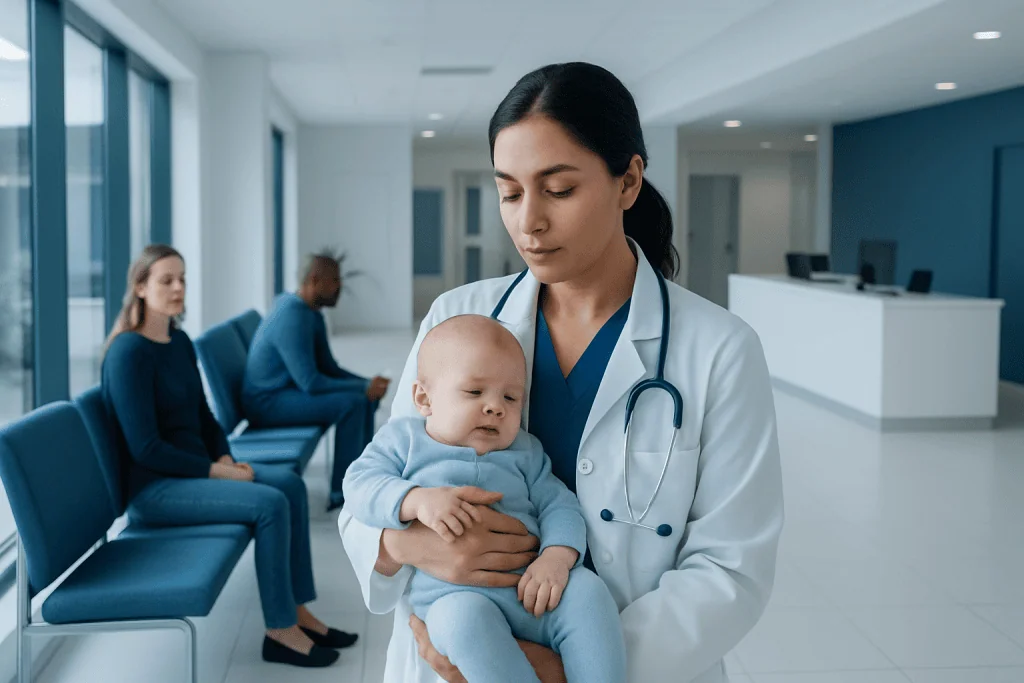
Newborns can lose heat quickly because they have limited ability to regulate body temperature. A low temperature reading should be rechecked using a reliable method and interpreted alongside the baby's behavior and feeding.
Key Takeaways
- Newborns can lose heat quickly because they have limited ability to regulate body temperature.
- A low temperature reading should be rechecked using a reliable method and interpreted alongside the baby's behavior and feeding.
- Gentle warming with clothing, blankets, and skin-to-skin contact may help a well-appearing baby who is mildly cool.
- Do not use hot water bottles, heating pads, electric blankets, or direct heat to warm an infant.
- Urgent care is needed for a temperature below 35°C (95°F) or for any concerning symptoms, especially in newborns and young infants.
A baby temp is low when the measurement is below the usual range, but the meaning depends on the baby's age, symptoms, measurement method, and environment. A temperature below 35°C (95°F), or a low reading with poor feeding, unusual sleepiness, breathing changes, or color changes, needs urgent medical assessment.
What does it mean when baby temp is low?
If a baby temp is low, the first step is to check the reading again and assess how the baby looks and behaves. A mildly low result can happen when a baby is underdressed, has just had a bath, is in a cool room, or when the thermometer method is less accurate. However, low body temperature can also be a sign that an infant is struggling to stay warm or is unwell.
For newborns, many clinicians consider a temperature below 36.5°C (97.7°F) to be lower than desired. Hypothermia generally refers to a core body temperature below 35°C (95°F). The risk is greatest in premature babies, babies with low birth weight, and infants during the first days and weeks of life, but a low temperature should be taken seriously in any young baby.
A number on a thermometer is important, but it is not the only consideration. A baby who is alert, feeding normally, breathing comfortably, and warms up after an extra layer may need different advice from a baby who is difficult to wake, refuses feeds, or has pale, blue, gray, or mottled skin. When uncertain, a parent or caregiver should contact the baby’s healthcare professional for guidance.
How to measure an infant's temperature accurately
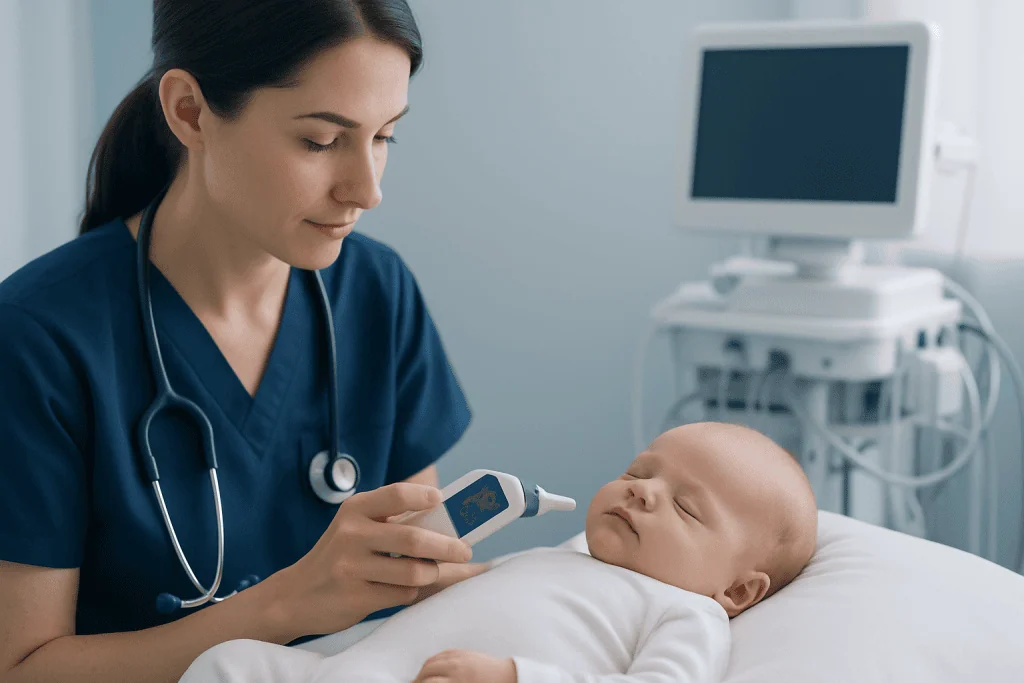
Temperature readings vary depending on where and how they are taken. For young infants, a digital rectal thermometer is often considered the most accurate way to estimate internal body temperature when a clinician has advised its use. It should be used carefully, following the product instructions, with the baby supervised at all times. An oral thermometer is not appropriate for babies.
Underarm measurements are convenient and less invasive, but they may read lower than the body’s internal temperature. Forehead and ear thermometers can also be affected by room temperature, positioning, sweat, earwax, and the baby’s age. If an underarm, forehead, or ear result seems unexpectedly low, repeat the measurement after the baby has been indoors and comfortably dressed for several minutes, or ask a healthcare professional which method is best.
It is helpful to note the temperature, the method used, the time, recent bathing or outdoor exposure, and any symptoms. Repeated checking every few minutes can create unnecessary worry and may give inconsistent results. Instead, follow the advice of a clinician or recheck after gentle warming if the baby otherwise appears well.
- Use a digital thermometer designed for the chosen measurement site.
- Do not take a temperature immediately after a bath or cold outdoor exposure if it can be safely delayed.
- Clean the thermometer according to its instructions between uses.
- Tell a clinician how the temperature was measured when seeking advice.
Why a baby's temperature may be low
Most commonly, infants become cool because they lose heat to their surroundings. Babies have a relatively large body surface area compared with their size, thin skin, and limited insulating fat. They cannot shiver effectively in the way older children and adults do. A cool bedroom, air conditioning, wet clothing, a delayed change after bathing, or too few layers can therefore lower an infant’s temperature.
Newborns are particularly sensitive to heat loss. Prematurity, low birth weight, multiple birth, or recovery after delivery can make temperature control more difficult. A baby may also become cold during travel, prolonged skin exposure during a diaper change, or illness that reduces feeding and energy intake.
Less often, a low temperature may be associated with infection or another medical problem. In very young babies, serious infection does not always cause fever; some infants may instead have a low temperature, poor feeding, reduced activity, or breathing changes. Low blood sugar, dehydration, certain hormonal or metabolic conditions, and significant exposure to cold are other possible causes that require clinical assessment.
Parents should not try to identify the cause based on temperature alone. The baby’s age, medical history, feeding pattern, wet diapers, activity level, and appearance all help a healthcare professional decide whether tests or treatment are needed.
Safe steps to warm a mildly cool baby
If the baby is awake or easily roused, breathing normally, and has only a mildly low reading, gentle warming is usually the safest first response while a caregiver seeks advice if needed. Move the baby to a comfortably warm, draft-free room. Remove any damp clothing and put on a dry layer, including a hat if appropriate for a supervised newborn who is not sleeping unattended.
Skin-to-skin contact can help a newborn maintain warmth. The baby, wearing only a diaper, can rest upright against a parent’s bare chest and be covered with a blanket or the parent’s clothing while the adult remains awake and attentive. This approach is often used after birth and may support warmth, feeding, and calming. Recheck the temperature as advised after the baby has warmed gradually.
For sleep, safe sleep guidance remains essential. A baby should sleep on their back on a firm, flat, separate sleep surface without loose blankets, pillows, nests, or soft objects. It is safer to adjust the room temperature and use suitable fitted sleep clothing or a sleep sack than to place loose bedding around a baby.
Never place a baby next to a radiator, fireplace, space heater, heating pad, heated blanket, hot water bottle, or hair dryer. These can cause burns, overheating, dehydration, or an unsafe sleep environment. A rapid warming method, such as a hot bath, should also be avoided unless specifically directed by medical professionals.
How low temperature can affect babies
When an infant becomes too cold, the body uses extra energy and oxygen to generate heat. This can make feeding more difficult and may contribute to low blood sugar, particularly in premature or small newborns. A baby may seem quiet, floppy, less interested in feeding, or unusually sleepy, although these signs can also occur with many other conditions.
As cooling becomes more significant, a baby may develop cool hands and feet, pale or mottled skin, weak crying, or changes in breathing. Hands and feet can feel cool even when core temperature is normal, so touching the chest, back, or tummy gives a more useful sense of overall warmth. The thermometer reading and the baby’s general condition matter more than cool fingers alone.
A low temperature can sometimes be an early sign of illness rather than simply an environmental issue. This is why parents should not rely only on home warming if the reading stays low, returns repeatedly, or occurs with changes in feeding, behavior, breathing, or skin color. Prompt assessment can identify whether the baby needs observation, laboratory testing, feeding support, or treatment for an underlying cause.
When to seek medical care
Seek emergency medical care immediately if a baby’s temperature is below 35°C (95°F), particularly if it is confirmed on a repeat measurement. Emergency assessment is also needed if the baby has trouble breathing, pauses in breathing, blue, gray, very pale, or blotchy skin, a seizure, marked limpness, or cannot be awakened normally.
Contact a doctor urgently on the same day if a newborn or young infant has a temperature below 36.5°C (97.7°F) that does not improve after gentle warming, or if there is poor feeding, repeated vomiting, fewer wet diapers, unusual irritability, weak crying, or unusual sleepiness. Parents of babies younger than 3 months should have a low threshold for calling a clinician because symptoms of illness can be subtle at this age.
Medical care is also appropriate if low readings happen repeatedly, if the baby was born premature or has a long-term medical condition, or if there has been prolonged exposure to cold. It is better to ask for professional advice than to wait for additional symptoms. A clinician can advise whether the baby should be examined urgently or monitored at home.
Acibadem International’s multidisciplinary specialists and JCI-accredited hospitals can assess and treat infants with concerning temperature changes for international patients. Families should seek local emergency services first when a baby has urgent warning signs.
Preventing heat loss at home and while traveling
Temperature prevention is usually about creating a stable, comfortable environment rather than keeping a baby very warm. Dress the baby in layers that can be added or removed easily, and check the chest or back rather than relying on hands and feet. A baby who is sweaty, flushed, or hot to the touch may have too many layers, which can also be unsafe.
After a bath, dry the baby promptly, dress them in dry clothing, and avoid drafts. During outdoor trips, use weather-appropriate layers and check the baby regularly. Car seat covers, thick coats, and bulky blankets should not interfere with the car seat harness; the harness must fit securely according to the manufacturer’s instructions.
At night, follow safe sleep recommendations. Keep the sleeping space clear and use suitable baby sleepwear rather than loose blankets. Caregivers should also avoid sleeping with a baby on a sofa, armchair, or adult bed, even when trying to provide warmth, because these settings increase the risk of accidental suffocation or falls.
Regular feeding, especially for newborns, supports energy needs and can help with temperature regulation. If feeding becomes difficult or the baby is taking much less than usual, a caregiver should contact a healthcare professional rather than assuming the issue is only related to room temperature.
Frequently asked questions
Is 36°C (96.8°F) too low for a baby?
A temperature of 36°C (96.8°F) is lower than the desired range for many newborns and should be rechecked using a reliable method. If it remains low after gentle warming, or the baby is young, premature, feeding poorly, or seems unwell, a clinician should be contacted urgently. The baby's overall appearance and behavior are important alongside the number.
Can a baby have a low temperature because of an infection?
Yes. Although fever is a well-known sign of infection, newborns and young infants may sometimes have a low temperature instead. Low temperature combined with poor feeding, unusual sleepiness, breathing changes, or altered skin color needs prompt medical evaluation.
Should parents use a blanket to warm a baby with a low temperature?
A blanket may be used for supervised skin-to-skin warming or while an adult is actively watching the baby, but it should not be left loose in an infant's sleep space. For routine sleep, use safe fitted clothing or an appropriately sized sleep sack and keep the baby on their back on a firm, flat surface. Avoid overheating as well as cold exposure.
Why are my baby's hands and feet cold but their temperature is normal?
Cool hands and feet are common in newborns because circulation to the extremities is still developing and the body prioritizes vital organs. Check the chest, back, or tummy for a better indication of overall warmth. If the baby is otherwise well and the measured temperature is normal, cool extremities alone are usually not concerning.
Can skin-to-skin contact raise a baby's temperature?
Yes. Skin-to-skin contact with an awake, attentive adult can help a newborn warm gradually and may also support feeding and settling. The baby should be positioned safely with the face visible and airway clear, and the temperature should be rechecked as advised.
When is a low baby temperature an emergency?
A confirmed temperature below 35°C (95°F) is an emergency, especially for a newborn or young infant. Emergency help is also needed for breathing difficulty, blue or gray coloring, seizures, severe limpness, or inability to wake normally. Caregivers should not delay urgent assessment while trying repeated home measures.
References
- American Academy of Pediatrics
- World Health Organization
- Centers for Disease Control and Prevention
- National Health Service
- Merck Manual Consumer Version
This article is for general information only and is not a substitute for professional medical advice. Please consult a qualified doctor about your individual situation.
Explore treatments in Turkey — costs, top hospitals & a free quote
JCI-accredited · board-certified surgeons · reply within 24h
Add us as a Preferred Source to see more of our trusted health content across Google Search, AI Overviews and Discover.

More from the Health Library


Related Specialists

Dr. Faezeh Najafı
Inpatient Clinic Physicians
Prof. Dr. Hüseyin Hayrı Kertmen
Neurosurgery
Fzt. Merve Cingöz
Physical Medicine & Rehabilitation
Dr. Yunus Öztürk
Emergency Service