Understanding Normal Urination Output in Adults

Most adults produce about 800 to 2,000 mL of urine in 24 hours when fluid intake is typical. Urine frequency commonly ranges from four to eight times daily, though personal patterns differ.
Key Takeaways
- Most adults produce about 800 to 2,000 mL of urine in 24 hours when fluid intake is typical.
- Urine frequency commonly ranges from four to eight times daily, though personal patterns differ.
- Hydration, heat, exercise, pregnancy, medicines, caffeine, and health conditions can all change urine output.
- A sudden, persistent, or marked change in output should be discussed with a healthcare professional, especially with pain, fever, swelling, or blood in the urine.
- Urine color and symptoms can provide useful clues, but they cannot diagnose a condition on their own.
Normal urination output varies between people and from day to day. Most healthy adults pass roughly 800 to 2,000 mL of urine in 24 hours, often in four to eight trips to the toilet, depending largely on fluid intake and individual circumstances.
Normal urination output at a glance
Normal urination output for many adults is approximately 800 to 2,000 milliliters (mL) over 24 hours. This is equivalent to about 0.8 to 2 liters. However, there is no single amount that is right for everyone: output should be considered alongside fluid intake, sweating, weather, activity, diet, medicines, and a person’s usual pattern.
Many adults urinate around four to eight times during the day. Waking once at night to urinate can become more common with age and may also occur after drinking fluids late in the evening. Some people naturally urinate a little more or less often without having a medical problem, particularly if their total daily urine amount remains stable and they feel well.
The kidneys continuously filter the blood, removing excess water and waste products to make urine. The bladder stores urine until it is emptied. A change in the amount, frequency, color, odor, or comfort of urination may be temporary, but persistent changes can sometimes indicate dehydration, infection, a urinary tract issue, or another health condition.
What influences urine volume and frequency?
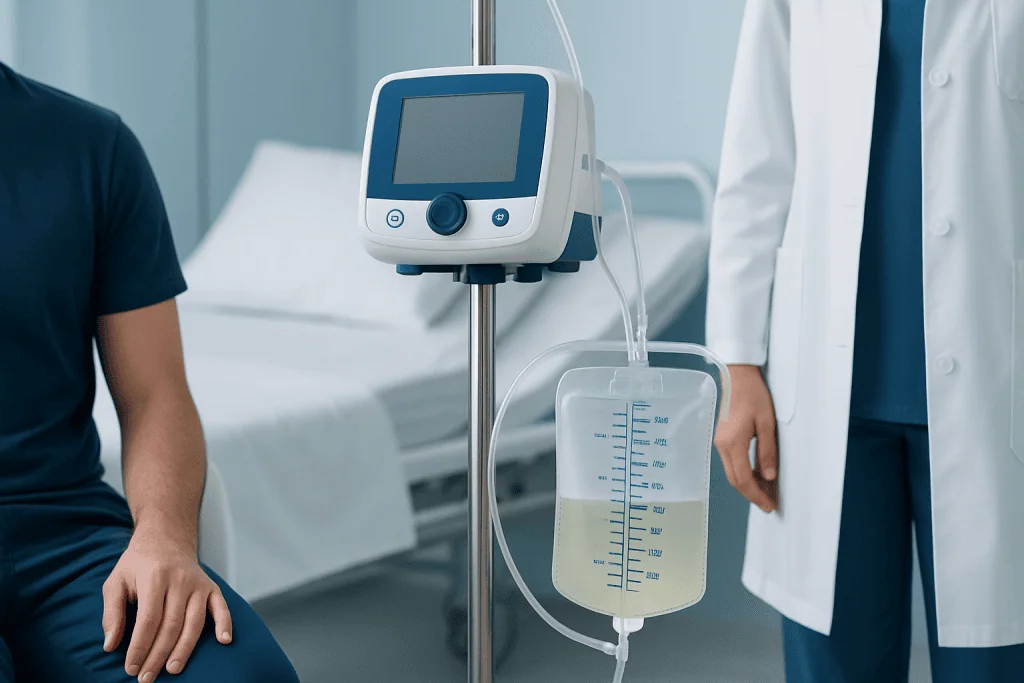
Fluid intake is one of the strongest influences on urine output. Drinking more water, soups, or other beverages generally increases the amount of urine produced. By contrast, reduced drinking, vomiting, diarrhea, heavy sweating, fever, hot weather, and intense physical activity can lower urine output because the body conserves water.
Caffeine and alcohol can increase urinary frequency in some people. Carbonated drinks, acidic foods, artificial sweeteners, and spicy foods may irritate the bladder in sensitive individuals, leading to urgency even when total urine volume is not unusually high. Timing also matters: drinking large volumes in the evening can contribute to overnight urination.
Some medicines change urinary habits. Diuretics, sometimes called water tablets, are prescribed for conditions such as high blood pressure or heart failure and intentionally increase urine production. Other medicines may make it harder to empty the bladder or may alter urine color. A person should not stop a prescribed medicine because of urinary changes without first speaking with the prescribing clinician.
Pregnancy, aging, pelvic floor changes, an enlarged prostate, diabetes, kidney disease, and neurological conditions may also affect bladder function or urine production. A healthcare professional can help distinguish a normal variation from a symptom that needs assessment.
Urine color, concentration, and hydration

Urine is usually pale yellow to amber because of a natural pigment called urochrome. Pale yellow urine commonly suggests that fluid intake is adequate. Darker yellow urine may occur when urine is more concentrated, often because a person has not had enough fluids or has been sweating more than usual.
Color alone is not a complete measure of hydration or kidney health. First-morning urine is often darker because fluids have not been consumed overnight. Vitamins, particularly some B vitamins, can produce a bright yellow color. Certain foods, such as beetroot, and some medicines can also change urine color.
Cloudy urine, a strong or unusual odor, visible blood, orange-brown urine, or persistently very dark urine should not be ignored, especially if these changes occur with pain, burning, fever, nausea, or reduced output. These features may require medical evaluation. Clear urine all day may simply reflect high fluid intake, although excessive thirst and unusually large volumes of urine deserve attention.
When output may be lower or higher than expected
Low urine output is sometimes called oliguria. It may develop with dehydration, severe illness, blood loss, urinary obstruction, or reduced kidney function. Passing less urine for a brief period after sweating heavily or drinking very little may improve with appropriate fluid intake, provided the person has no medical reason to limit fluids.
A very low output or inability to urinate can be urgent. Urinary retention occurs when the bladder cannot empty properly, even though urine may still be produced by the kidneys. It can cause lower abdominal discomfort or swelling, a weak stream, repeated small voids, or a strong urge without being able to pass urine. Causes can include prostate enlargement, constipation, some medicines, nerve problems, or blockage in the urinary tract.
High urine output, sometimes called polyuria, refers to producing unusually large amounts of urine rather than simply visiting the toilet frequently. It may occur after high fluid intake or use of diuretic medicines. Persistent large-volume urination together with excessive thirst, fatigue, unexplained weight change, or blurred vision should be assessed because diabetes and other metabolic or hormonal conditions can contribute.
Frequent urination with only small amounts each time is different from high total urine output. It may be associated with bladder irritation, urinary tract infection, overactive bladder, pregnancy, prostate problems, or anxiety. Recording both the volume and timing of urination can help clarify the pattern.
How clinicians assess changes in urination
Healthcare professionals begin by asking about a person’s normal pattern and when the change started. They may ask about fluid intake, nighttime urination, urgency, leakage, burning, weak stream, abdominal or back pain, fever, recent illness, sexual health, pregnancy, and medicines. These details often help identify whether the issue is related to urine production, bladder storage, or bladder emptying.
A bladder diary may be useful. For two or three days, a person can record when and how much they drink, when they urinate, approximate urine volume if measured, nighttime episodes, leakage, and relevant symptoms. This simple information can provide a more accurate picture than memory alone.
Depending on symptoms, evaluation may include a urine test for infection, blood, glucose, or protein; blood tests that assess kidney function and blood sugar; and imaging of the kidneys or bladder. A clinician may also measure urine left in the bladder after urination. Testing is tailored to the person’s symptoms and medical history.
Supporting healthy urinary habits
For most people, drinking fluids regularly through the day supports normal urine production. Water is an appropriate choice for many adults. The amount needed varies with body size, diet, climate, activity, pregnancy, breastfeeding, and medical conditions, so there is no universal daily target that fits everyone. People with heart, kidney, or liver disease may have individualized fluid guidance from their medical team.
It can help to avoid deliberately holding urine for long periods when possible, as this may be uncomfortable and can worsen bladder symptoms in some people. Those troubled by overnight urination may consider reducing caffeine and alcohol and spacing fluids earlier in the day, while still maintaining appropriate hydration.
Constipation can place pressure on the bladder and contribute to urinary symptoms. A balanced diet with fiber, regular movement, and appropriate fluid intake may support bowel and bladder health. Pelvic floor exercises may benefit some people with leakage or urgency, but assessment by a qualified clinician or pelvic health physiotherapist can ensure that exercises are suitable.
Anyone monitoring output after surgery, during a serious illness, or while taking a new medicine should follow the specific advice provided by their healthcare team. Measuring urine at home is not routinely necessary for healthy adults, but it can be helpful when a clinician recommends it.
When to seek medical care
A person should arrange medical advice if a change in urination lasts more than a few days, disrupts daily life or sleep, or occurs repeatedly. This includes new frequent urination, persistent urgency, a weak stream, difficulty starting urination, leakage, recurrent nighttime urination, or noticeably larger or smaller urine volumes than usual.
Prompt medical assessment is important for burning or pain during urination, fever, chills, pain in the side or back, lower abdominal pain, cloudy urine, or visible blood in the urine. These symptoms can occur with urinary tract infections, stones, or other conditions that benefit from timely diagnosis.
Urgent care is appropriate if a person cannot pass urine, has severe lower abdominal pain or swelling, produces very little urine with signs of dehydration or serious illness, or develops confusion, fainting, severe weakness, or shortness of breath. People with known kidney disease, diabetes, heart disease, or prostate conditions should be particularly cautious about significant changes in urine output.
Acibadem International’s multidisciplinary specialists and JCI-accredited hospitals can assess urinary symptoms and coordinate care for international patients when further evaluation is needed.
Frequently asked questions
How much urine should an adult produce in 24 hours?
Many healthy adults produce about 800 to 2,000 mL of urine in 24 hours. The expected amount depends on how much fluid a person drinks and loses through sweating, breathing, bowel movements, or illness. A person’s usual pattern and accompanying symptoms are often more useful than one measurement alone.
Is urinating every two hours normal?
It can be normal, especially after drinking more fluids, consuming caffeine, or taking a diuretic medicine. However, frequent urination with small volumes, urgency, burning, thirst, or nighttime disruption may need medical assessment. A short bladder diary can help identify patterns.
What is considered low urine output?
Low urine output means passing much less urine than is usual for the individual. It can happen temporarily with dehydration or heavy sweating, but it may also be related to kidney problems, obstruction, or severe illness. Very little urine or an inability to urinate needs prompt medical attention.
Does dark yellow urine always mean dehydration?
Dark yellow urine often means urine is concentrated and may suggest that a person needs more fluids. It can also occur first thing in the morning or after taking certain vitamins. Persistent dark, brown, red, or otherwise unusual urine should be discussed with a healthcare professional.
Why do I urinate frequently but only pass a small amount?
This pattern may occur when the bladder is irritated or not emptying normally. Possible causes include a urinary tract infection, overactive bladder, pregnancy, prostate enlargement, bladder stones, or anxiety. Medical advice is especially important if there is pain, fever, blood in the urine, or difficulty passing urine.
Should someone drink more water to increase urine output?
If low output is caused by mild dehydration and there is no medical fluid restriction, drinking fluids may help. However, people with heart, kidney, or liver conditions may need individualized advice about fluid intake. Increasing fluids is not a substitute for medical assessment when urine output is markedly reduced or symptoms are severe.
This article is for general information only and is not a substitute for professional medical advice. Please consult a qualified doctor about your individual situation.
Explore treatments in Turkey — costs, top hospitals & a free quote
JCI-accredited · board-certified surgeons · reply within 24h
Add us as a Preferred Source to see more of our trusted health content across Google Search, AI Overviews and Discover.
Check your numbers in seconds
BMI, calories, due date, blood pressure and 30+ more clinical calculators — free, instant, doctor-reviewed ranges.

More from the Health Library

Sea Salt: A Complete Medical Overview

Kussmaul breathing: Symptoms, Causes, and Treatment — Complete Patient Guide

Heart Labeled: What Patients Need to Know

Tardive Dyskinesia: An Evidence-Based Guide for Patients

Homemade Remedy for Spider Bites: An Evidence-Based Guide for Patients