Bulked: A Complete Medical Overview

Bulked is not a medical diagnosis; it commonly refers to intentional muscle-building or weight gain. Muscle growth requires progressive resistance exercise, enough energy and protein, and adequate rest.
Key Takeaways
- Bulked is not a medical diagnosis; it commonly refers to intentional muscle-building or weight gain.
- Muscle growth requires progressive resistance exercise, enough energy and protein, and adequate rest.
- Fast weight gain may include body fat and fluid, not only muscle, and can be difficult to sustain.
- Anabolic steroids and unregulated muscle-building products can cause serious physical and mental health effects.
- Unexplained weight or muscle changes should be assessed by a qualified healthcare professional.
“Bulked” is an informal term that usually means a person has increased muscle size, body weight, or both, often through resistance training and higher calorie intake. A healthy approach focuses on gradual change, adequate nutrition, recovery, and medical guidance when weight changes are rapid, unintended, or linked with concerning symptoms.
What Does “Bulked” Mean?
“Bulked” is a non-medical term commonly used to describe looking larger, stronger, or more muscular after a period of training and increased food intake. Depending on the context, it may mean intentional muscle gain, overall body-weight gain, or a combination of added muscle and body fat. It does not describe a specific disease, body type, or level of fitness.
In fitness settings, “bulking” generally refers to a planned phase of eating enough energy to support resistance training and muscle growth. The body needs more than exercise alone to build tissue: it also needs sufficient calories, protein, carbohydrate, dietary fat, sleep, and recovery time. The amount of change varies considerably with age, starting body size, training history, genetics, daily activity, and health status.
A larger appearance is not always caused by muscle growth. Increased body fat, temporary water retention, digestive bloating, swelling, and some medical conditions can also affect body size or shape. For this reason, changes in strength, function, waist size, energy level, and overall wellbeing are often more informative than appearance alone.
How Muscle Growth and Weight Gain Happen
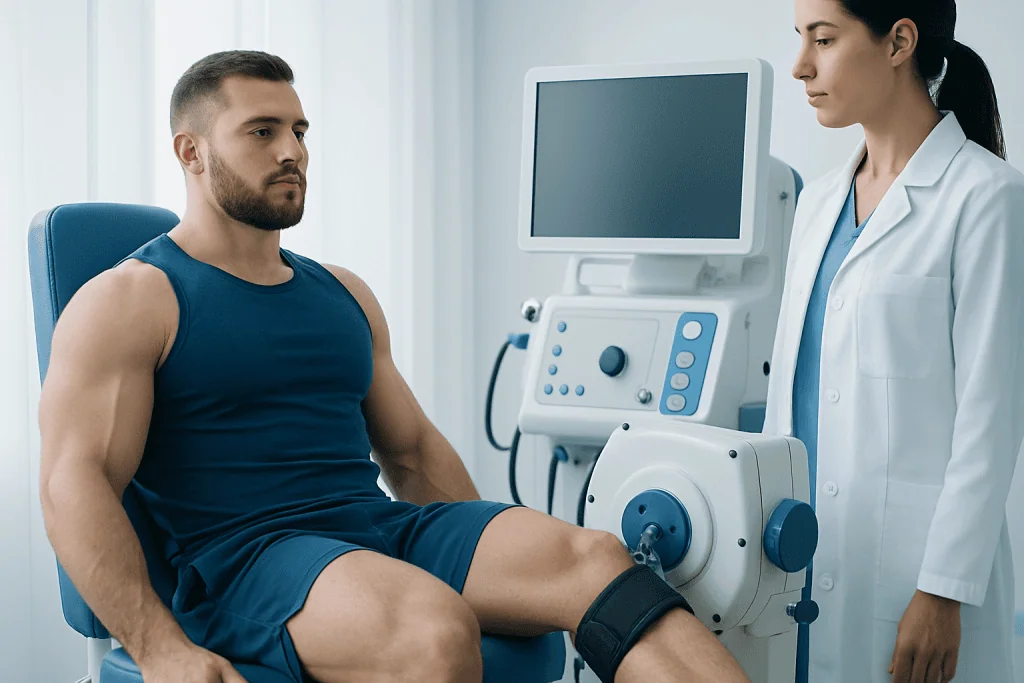
Skeletal muscle adapts to repeated challenge. During resistance exercise, muscles work against an external load, such as body weight, resistance bands, free weights, or machines. With regular training and recovery, the body repairs and adapts muscle fibers, which can gradually increase muscle size and strength. This process is often called muscle hypertrophy.
For many people, a modest calorie surplus supports muscle gain because building new tissue requires energy. However, consuming substantially more energy than the body uses does not make muscle grow faster. It is more likely to increase body fat and may cause discomfort, reduced appetite regulation, or unwanted changes in blood sugar and blood lipid levels in some individuals.
Training should usually be progressive, meaning that the challenge rises gradually over time through changes in resistance, repetitions, sets, exercise technique, or training frequency. Recovery matters equally. Muscles need rest between demanding sessions, and regular sleep supports physical recovery, performance, and appetite regulation.
- Resistance exercises should involve major muscle groups and use safe technique.
- Nutrition should provide enough total energy and a variety of protein-rich foods.
- Carbohydrates can support training energy, while dietary fats contribute to overall health.
- Rest days and consistent sleep help the body adapt to training.
Healthy Bulking: Nutrition and Training Principles

A health-focused approach to bulking is usually gradual, flexible, and based on nutritious meals rather than highly processed foods alone. Protein can come from foods such as fish, poultry, eggs, dairy products, soy foods, beans, lentils, and lean meats. Whole grains, fruit, vegetables, nuts, seeds, and healthy oils can provide energy and essential vitamins, minerals, and fiber.
Individuals who find it hard to eat enough may benefit from eating regular meals and snacks, adding energy-dense foods such as nut butter, yogurt, avocado, olive oil, or cheese where appropriate, and choosing nourishing drinks such as milk or fortified soy beverages. A registered dietitian can help tailor a plan for people with low appetite, dietary restrictions, digestive concerns, diabetes, kidney disease, or other medical needs.
Resistance training is most effective when it is suited to the individual’s experience and physical condition. Beginners may do well with simple full-body routines performed on non-consecutive days, while more experienced exercisers may use a more structured programme. Learning correct movement technique can reduce the risk of injury. Pain, dizziness, chest symptoms, or persistent joint swelling should not be ignored during exercise.
Progress is not always linear. Temporary plateaus are common, and the body may gain strength before visible muscle size changes occur. Taking regular measurements, recording training performance, and noticing how clothing fits may provide a more balanced picture than frequent scale checks alone.
Potential Risks of Rapid Bulking and Unsafe Products
Rapid bulking may place unnecessary strain on the body, particularly when it involves large changes in food intake, extreme training schedules, or attempts to gain weight as quickly as possible. A rapid increase on the scale can reflect body fat or fluid retention more than muscle tissue. Some people also experience reflux, constipation, diarrhea, fatigue, sleep disruption, or reduced enjoyment of eating when they follow overly restrictive or excessive plans.
Supplements are not required for muscle growth. Protein powders may be convenient for some people, but they do not replace a varied diet, and product quality can differ. Anyone considering a supplement should discuss it with a doctor, pharmacist, or registered dietitian, especially if they take medicines, are pregnant or breastfeeding, have kidney or liver disease, or have a history of an eating disorder.
Anabolic-androgenic steroids, testosterone used without medical supervision, selective androgen receptor modulators, and other performance-enhancing drugs can have significant health risks. These may include high blood pressure, adverse cholesterol changes, liver problems, fertility difficulties, hormonal changes, acne, hair loss, mood changes, and dependence. Products marketed as “natural” or “legal” muscle builders may still contain undeclared ingredients or stimulants.
It is also important to consider body image. The pressure to look bulked can lead some people to exercise compulsively, use risky substances, or feel distressed despite becoming stronger. Professional support can be helpful if concerns about muscularity, food, weight, or appearance begin to interfere with daily life, relationships, or mental wellbeing.
When a Larger Body Size May Have a Medical Cause
Not every change in body size is intentional or related to exercise. Fluid retention can cause swelling in the feet, ankles, legs, hands, or abdomen. Hormonal conditions, medication effects, reduced activity after illness or injury, and changes in eating patterns can also influence weight and body composition. A clinician can help distinguish expected training-related change from a possible health concern.
Some people become concerned about appearing less muscular or losing strength rather than becoming bulked. Muscle loss can occur with aging, prolonged inactivity, inadequate nutrition, certain chronic illnesses, and recovery after hospitalization. Maintaining strength through appropriate activity and sufficient nutrition can be especially important for older adults and those managing long-term health conditions.
Unintentional weight loss, persistent weakness, reduced appetite, fever, chronic diarrhea, pain, or marked fatigue should be medically assessed. Similarly, sudden swelling or a rapid increase in body weight without a clear explanation may need prompt evaluation. These symptoms do not always indicate a serious condition, but identifying the cause can support appropriate care.
Practical Self-Care for Sustainable Progress
People aiming to become bulked in a healthy way can begin by setting realistic, function-based goals. Examples include improving strength in daily activities, increasing exercise consistency, or supporting recovery after a period of inactivity. A plan that can be maintained over months is generally more useful than an extreme short-term programme.
Regular meals, sufficient hydration, and a varied diet help support training and general health. Alcohol can interfere with sleep, recovery, and nutrition choices, so moderation or avoidance may be helpful. Smoking and nicotine use can also affect cardiovascular health and exercise capacity. Managing stress and prioritizing sleep are practical but often overlooked parts of physical progress.
People with heart disease, high blood pressure, diabetes, kidney disease, joint disease, pregnancy, recent surgery, or a history of eating disorders should seek individualized advice before beginning a new bulking or intensive exercise programme. Children and adolescents should avoid adult-focused muscle-building plans and should be guided by healthcare professionals, qualified coaches, and supportive family members.
At Acibadem International, multidisciplinary specialists in JCI-accredited hospitals can assess nutrition, exercise-related concerns, and unexplained body-weight changes for international patients when clinically appropriate.
When to Seek Medical Care
Medical advice is recommended before starting a significant weight-gain or strength-training plan if a person has a known health condition, takes regular medication, or has had symptoms during exercise. A doctor, dietitian, or qualified exercise professional can help make goals safer and more appropriate for the individual.
Prompt medical assessment is important for rapid unexplained weight gain, swelling, shortness of breath, chest pain, fainting, a racing or irregular heartbeat, severe weakness, or swelling that affects one leg more than the other. Emergency care should be sought for severe chest pain, trouble breathing, fainting, or sudden neurological symptoms.
A healthcare professional should also be consulted for unintentional weight loss, ongoing loss of muscle strength, persistent digestive symptoms, or concerns about steroids or other performance-enhancing substances. Seeking advice early is a practical step toward protecting long-term health and maintaining an exercise routine safely.
Frequently asked questions
Is being bulked the same as being overweight?
No. “Bulked” is an informal term and may refer to increased muscle, increased body fat, or both. Body weight alone cannot show a person’s muscle mass, fitness, health status, or body composition.
How quickly can someone build muscle?
Muscle gain is usually gradual and varies from person to person. Training experience, food intake, sleep, genetics, age, and health all affect the pace of progress. Rapid changes on the scale often include water or fat as well as muscle.
Do people need protein shakes to get bulked?
No. Most people can meet their protein needs through a balanced diet containing protein-rich foods. Protein shakes may be convenient in some situations, but they are not essential and should not replace regular meals.
Is it safe to bulk while having a medical condition?
It depends on the condition and the person’s treatment plan. People with conditions such as diabetes, kidney disease, heart disease, digestive disorders, or high blood pressure should speak with their doctor and, where available, a registered dietitian before making major changes to diet or exercise.
Can steroids make a person bulked faster?
Anabolic steroids can increase muscle size and strength, but using them without medical supervision can cause serious health effects. Risks may involve the heart, liver, hormones, fertility, mood, and mental wellbeing. A clinician can provide confidential support for anyone using or considering these substances.
When is weight gain a reason to see a doctor?
A person should arrange medical assessment if weight gain is rapid, unexplained, associated with swelling, or accompanied by breathlessness, fatigue, pain, or other new symptoms. Medical advice is also appropriate when weight or body-image concerns are causing distress or affecting eating and exercise habits.
References
- World Health Organization
- Centers for Disease Control and Prevention
- American College of Sports Medicine
- National Institutes of Health Office of Dietary Supplements
- Academy of Nutrition and Dietetics
This article is for general information only and is not a substitute for professional medical advice. Please consult a qualified doctor about your individual situation.
Medical weight-loss options in Turkey — costs & eligibility
JCI-accredited · board-certified surgeons · reply within 24h
Add us as a Preferred Source to see more of our trusted health content across Google Search, AI Overviews and Discover.
Check your numbers in seconds
BMI, calories, due date, blood pressure and 30+ more clinical calculators — free, instant, doctor-reviewed ranges.

More from the Health Library

Allopurinol — Explained by Medical Evidence, Not Myths

Branchial Cleft Sinus Cyst: What Patients Need to Know

Gorilla Brand Super Glue: An Evidence-Based Guide for Patients

Toe Splint: What Patients Need to Know

Snri’s — Explained by Medical Evidence, Not Myths