Nosophobia: Understanding the Fear of Serious Illness

Nosophobia involves fear of developing a disease, rather than confirmation that a disease is present. It may lead to body checking, repeated online searches, avoidance of medical settings, or frequent requests for reassurance.
Key Takeaways
- Nosophobia involves fear of developing a disease, rather than confirmation that a disease is present.
- It may lead to body checking, repeated online searches, avoidance of medical settings, or frequent requests for reassurance.
- A clinician will first consider physical symptoms and then assess whether anxiety is contributing to ongoing distress.
- Cognitive behavioral therapy and, for some people, medication can reduce health-related anxiety.
- New, severe, or persistent physical symptoms should still be assessed by a qualified healthcare professional.
Nosophobia is a persistent, distressing fear of developing a serious illness, often despite having little or no evidence of disease. It is a real anxiety-related concern, and professional support can help people respond to health worries in a more balanced way.
Overview: what is nosophobia?
Nosophobia is an intense and ongoing fear of developing a serious disease. A person may be especially concerned about conditions such as cancer, heart disease, infections, or neurological disorders. The worry can feel highly convincing and may persist even when there is no clear medical evidence that the feared illness is present.
The term comes from words meaning “disease” and “fear.” It is often used in everyday and clinical discussion of health-related anxiety, although it is not always a separate formal diagnosis in modern diagnostic systems. Depending on the person’s symptoms, a mental health professional may consider conditions such as illness anxiety disorder, a specific phobia, generalized anxiety disorder, or obsessive-compulsive disorder.
Nosophobia does not mean that symptoms are imagined or that a person is being dramatic. Anxiety can produce genuine physical sensations, including a racing heart, nausea, muscle tension, dizziness, and sleep disruption. The important issue is the cycle in which fear of disease becomes difficult to manage and begins to affect daily life.
How nosophobia may feel and affect daily life
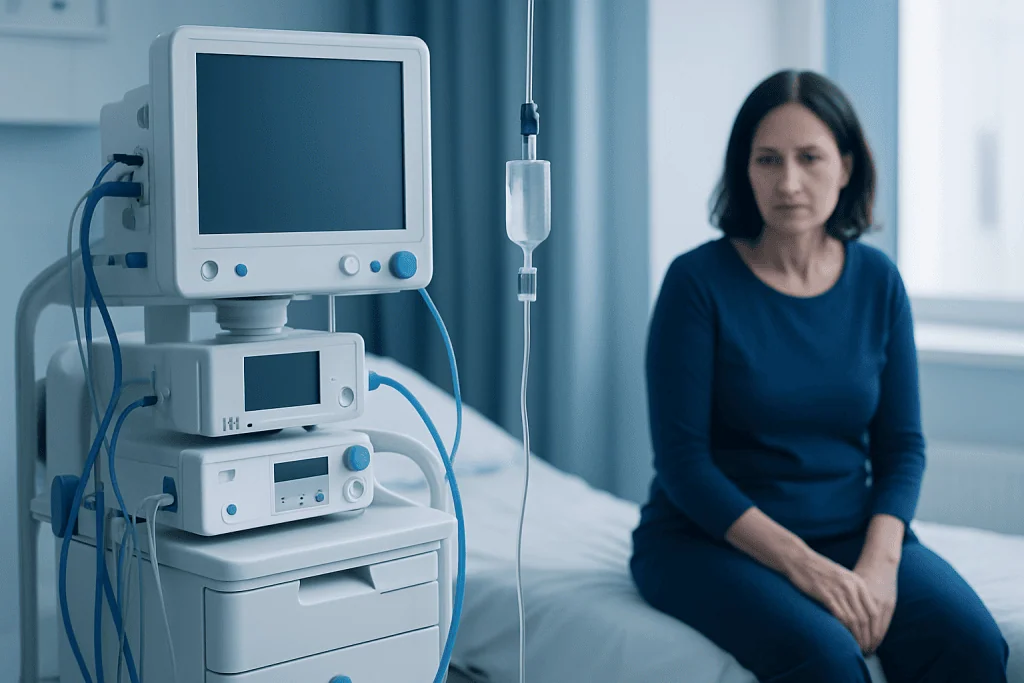
People with nosophobia often notice ordinary bodily changes and interpret them as possible warning signs of serious illness. A mild headache, a temporary skin change, fatigue after poor sleep, or a brief chest sensation may trigger intense concern. The feared condition may change over time, or it may remain focused on one particular disease.
Some people repeatedly check their body, take their temperature, examine their skin, monitor their pulse, or search for symptoms online. Others do the opposite: they avoid medical programs, hospitals, health news, tests, or conversations about illness because these situations bring up fear. Either pattern can briefly reduce anxiety, but it may reinforce the worry in the longer term.
Health fears can affect work, school, relationships, sleep, and enjoyment of normal activities. A person may seek reassurance from family members or clinicians many times, yet feel calm only temporarily. Recognizing this repeating pattern can be a useful first step toward getting appropriate support.
Nosophobia, illness anxiety, and normal health concerns

Most people worry about their health from time to time, particularly after an illness in the family, a new symptom, or a widely reported outbreak. Normal concern usually becomes manageable after reliable information, medical advice when needed, or improvement of the symptom. Nosophobia is more likely when fear is persistent, disproportionate to the available evidence, and difficult to set aside.
Nosophobia is commonly described as fear of becoming ill in the future. Illness anxiety disorder, by comparison, usually involves preoccupation with having or acquiring a serious illness, often with few or mild physical symptoms. The boundaries are not always clear, so clinicians focus less on labels and more on the pattern of worries, behaviors, distress, and impact on everyday functioning.
Health anxiety can also overlap with panic symptoms, obsessive thoughts and compulsive checking, depression, or trauma-related anxiety. A careful assessment helps identify the most useful approach. Importantly, psychological support does not replace appropriate medical assessment when a person has new, concerning, or persistent symptoms.
Possible causes and risk factors
There is no single cause of nosophobia. It may develop through a combination of temperament, life experiences, family patterns, stress, and learned responses to uncertainty. Some people are naturally more sensitive to bodily sensations or more likely to seek certainty when they feel worried.
A serious illness in a relative, the loss of a loved one, a difficult personal medical experience, or frequent exposure to illness-related information can increase health fears for some people. Stressful life changes, poor sleep, and untreated anxiety may make worries feel stronger. Seeing alarming or misleading health content online can also heighten attention to normal sensations.
Having a family history of a disease does not mean a person will develop nosophobia, and it does not mean concerns should be dismissed. A healthcare professional can explain realistic risk, appropriate screening, and symptoms that need assessment. Clear, individualized medical guidance can be more helpful than repeated unsupervised searching for information.
How nosophobia is assessed
Assessment usually begins with a conversation about the person’s symptoms, medical history, feared illnesses, daily habits, and the ways anxiety affects life. A doctor may perform an examination or arrange relevant tests if symptoms, risk factors, or clinical findings make this appropriate. The aim is to address genuine medical concerns while avoiding unnecessary repeated testing that may maintain anxiety.
A mental health professional may ask how often worries occur, how much time is spent checking or researching symptoms, whether reassurance is sought repeatedly, and whether feared situations are avoided. They may also ask about panic attacks, low mood, trauma, substance use, sleep, and family history of anxiety-related conditions.
Diagnosis is not based on one symptom or one questionnaire. It requires a balanced clinical evaluation that considers both physical and emotional health. People can help by being open about their worries and by sharing prior investigations, medications, and changes in symptoms with their clinician.
Treatment and practical ways to manage health fears
Effective care is available, and treatment is tailored to the person’s needs. Cognitive behavioral therapy, often called CBT, is a well-established approach for health anxiety. It helps people identify unhelpful interpretations of bodily sensations, reduce reassurance-seeking or checking behaviors, and gradually face situations that have been avoided.
Therapy may also include learning to tolerate uncertainty, using attention and relaxation skills, and developing a plan for responding to future symptoms. For some people, a clinician may recommend medication used to treat anxiety or depression, particularly when symptoms are moderate to severe or occur alongside another mental health condition. Medication decisions should be made with a qualified prescribing professional.
At home, it can help to choose one trusted source of health information, set limits on symptom searching, and avoid repeated self-checking unless a clinician has advised it. Regular sleep, movement, balanced meals, supportive social contact, and stress-management practices may reduce overall anxiety. A planned follow-up schedule with one main healthcare professional can provide safer reassurance than frequent urgent consultations.
Acibadem International’s multidisciplinary specialists and JCI-accredited hospitals can assess physical symptoms and provide coordinated mental health support for international patients when appropriate.
When to seek medical care
New, severe, worsening, or persistent symptoms deserve medical advice, even when a person has health anxiety. Examples include severe chest pain, trouble breathing, fainting, sudden weakness or difficulty speaking, severe allergic symptoms, significant bleeding, or thoughts of self-harm. These require urgent assessment through local emergency services or an emergency department.
A routine appointment is appropriate when health worries are taking up substantial time, causing avoidance, interfering with sleep or relationships, or leading to repeated checking and reassurance-seeking. It is also sensible to speak with a doctor about symptoms that do not improve, change noticeably, or occur alongside relevant personal or family risk factors.
Seeking care for anxiety is not an overreaction. A clinician can help distinguish between symptoms that need medical investigation and a worry pattern that would benefit from psychological treatment. Early support often makes health fears easier to manage.
Frequently asked questions
Is nosophobia the same as hypochondria?
The older term “hypochondria” is no longer commonly used as a formal diagnosis. Nosophobia refers specifically to fear of developing a disease, while modern clinicians may assess for illness anxiety disorder or another anxiety-related condition. The most helpful label depends on the person’s overall symptoms and behaviors.
Can nosophobia cause physical symptoms?
Yes. Anxiety can cause real physical sensations such as a rapid heartbeat, sweating, stomach discomfort, dizziness, muscle tension, and difficulty sleeping. These symptoms should be evaluated appropriately when they are new, severe, or persistent, but anxiety can be an important contributing factor.
Why does reassurance not always help health anxiety?
Reassurance may bring relief briefly, but the mind can soon return to doubt and seek more certainty. Repeated checking, testing, and asking others for reassurance can unintentionally strengthen this cycle. Therapy can help a person build more lasting ways to respond to uncertainty.
Should someone with nosophobia avoid reading health information online?
Complete avoidance is not always necessary, but unlimited symptom searching can increase anxiety and lead to misleading conclusions. It may help to use reliable sources, limit the time spent searching, and discuss personal symptoms with a healthcare professional. A therapist can help create practical boundaries around online health information.
Can nosophobia be treated without medication?
Many people improve with psychological therapy, particularly cognitive behavioral therapy, and lifestyle measures that support anxiety management. Medication may be considered for some people, depending on symptom severity and coexisting conditions. A clinician can discuss the benefits and possible risks of each option.
How can family members support someone with nosophobia?
Family members can listen respectfully and encourage appropriate medical and mental health care. It is usually more helpful to avoid repeated reassurance or joining frequent symptom checks, while still responding compassionately to distress. They can support agreed treatment strategies and encourage everyday routines and activities.
This article is for general information only and is not a substitute for professional medical advice. Please consult a qualified doctor about your individual situation.
Explore treatments in Turkey — costs, top hospitals & a free quote
JCI-accredited · board-certified surgeons · reply within 24h
Add us as a Preferred Source to see more of our trusted health content across Google Search, AI Overviews and Discover.

More from the Health Library

Dermabrasion: A Complete Medical Overview
Ventricles of the Brain — Explained by Medical Evidence, Not Myths

Urine Color Chart: A Complete Medical Overview

Naproxen — Explained by Medical Evidence, Not Myths

Liver Oil of Fish: A Complete Medical Overview