Alchole Sweels Me Up Real Bad: A Complete Medical Overview

Alcohol can cause temporary bloating and swelling through inflammation, dehydration, digestive irritation, and salty foods or mixers. Swelling of the lips, tongue, face, or throat after alcohol can be an emergency, particularly if breathing or swallowing is difficult.
Key Takeaways
- Alcohol can cause temporary bloating and swelling through inflammation, dehydration, digestive irritation, and salty foods or mixers.
- Swelling of the lips, tongue, face, or throat after alcohol can be an emergency, particularly if breathing or swallowing is difficult.
- Repeated abdominal swelling or swelling in the feet and ankles may be a sign of liver, heart, kidney, or nutritional problems rather than simple bloating.
- Keeping a record of drinks, foods, symptoms, and timing can help identify possible triggers.
- Reducing or avoiding alcohol is often the safest first step until the cause of recurrent swelling is clear.
If “alchole sweels me up real bad” describes swelling after drinking, it may be caused by temporary bloating, dehydration-related fluid shifts, an ingredient sensitivity, or an underlying health condition. Severe, sudden, or persistent swelling should be assessed by a qualified clinician, especially when it affects the face, throat, abdomen, or legs.
What Does “Alchole Sweels Me Up Real Bad” Usually Mean?
When a person says “alchole sweels me up real bad,” they may mean that their stomach feels enlarged after drinking, their face looks puffy, or their hands, feet, or ankles retain fluid. Alcohol can contribute to each of these symptoms, but the likely cause depends on where the swelling occurs, how quickly it begins, and whether other symptoms are present.
Short-lived bloating after a drink is common and may be related to carbonated beverages, irritation of the stomach lining, slower digestion, or foods eaten alongside alcohol. Puffiness the next day may occur after dehydration and changes in the body’s salt and water balance. However, marked swelling, symptoms that happen every time alcohol is used, or swelling that lasts beyond a day or two deserves medical attention.
Alcohol itself is not usually a true allergen, but a person can react to components in alcoholic drinks. These may include sulfites, histamine, grains, yeast, flavorings, preservatives, or other ingredients. Alcohol can also worsen existing medical conditions that cause fluid retention, including liver, heart, or kidney disease.
Where the Swelling Happens Can Offer Clues
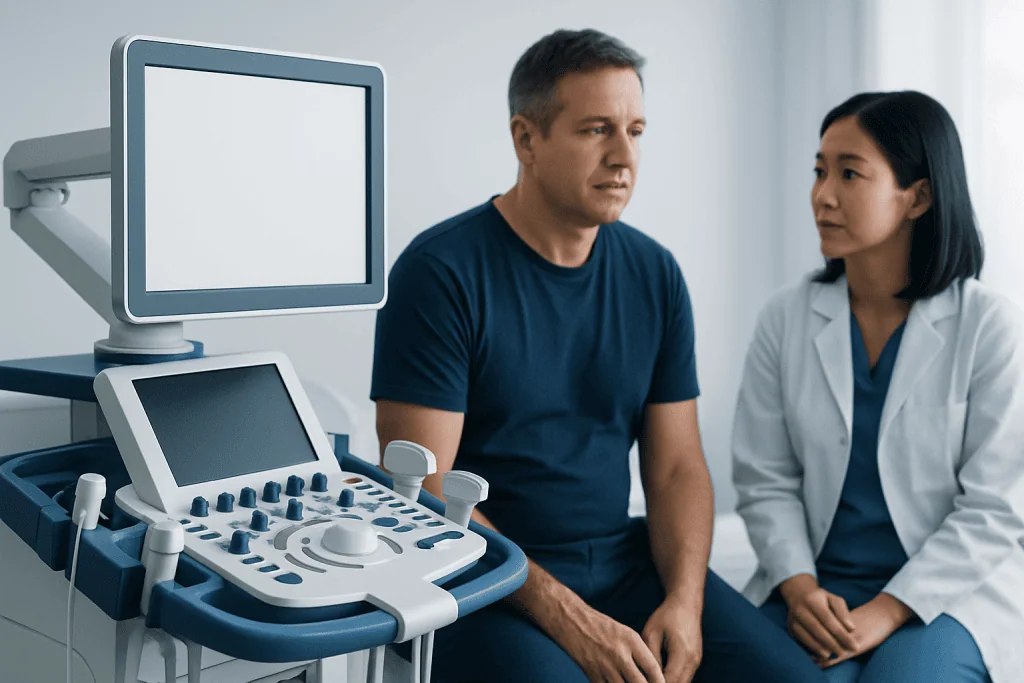
Abdominal swelling may feel like pressure, fullness, gas, or a visibly distended stomach. It can occur when alcohol irritates the digestive tract, increases reflux, changes gut movement, or is consumed with large meals, carbonated mixers, or salty snacks. In some cases, ongoing abdominal enlargement can be caused by fluid buildup, called ascites, which requires prompt medical assessment.
Facial puffiness, flushing, nasal congestion, hives, or itchy skin soon after drinking can suggest a sensitivity or allergy-like reaction. Some people have difficulty breaking down alcohol because of inherited differences in alcohol-metabolizing enzymes. This can lead to flushing, warmth, headache, nausea, and a fast heartbeat, but it does not explain all forms of significant swelling.
Swollen ankles, feet, legs, or hands are more concerning when they are new, persistent, one-sided, painful, or accompanied by shortness of breath. Alcohol may worsen fluid retention in people with underlying heart, liver, kidney, circulation, or nutritional problems. It is important not to assume that leg swelling is simply a normal effect of drinking.
- Stomach: gas, bloating, indigestion, or possible fluid accumulation.
- Face or lips: flushing, sensitivity, hives, or a potentially serious allergic reaction.
- Hands, feet, and ankles: fluid retention that may need evaluation for an underlying condition.
Why Alcohol Can Cause Bloating and Fluid Retention
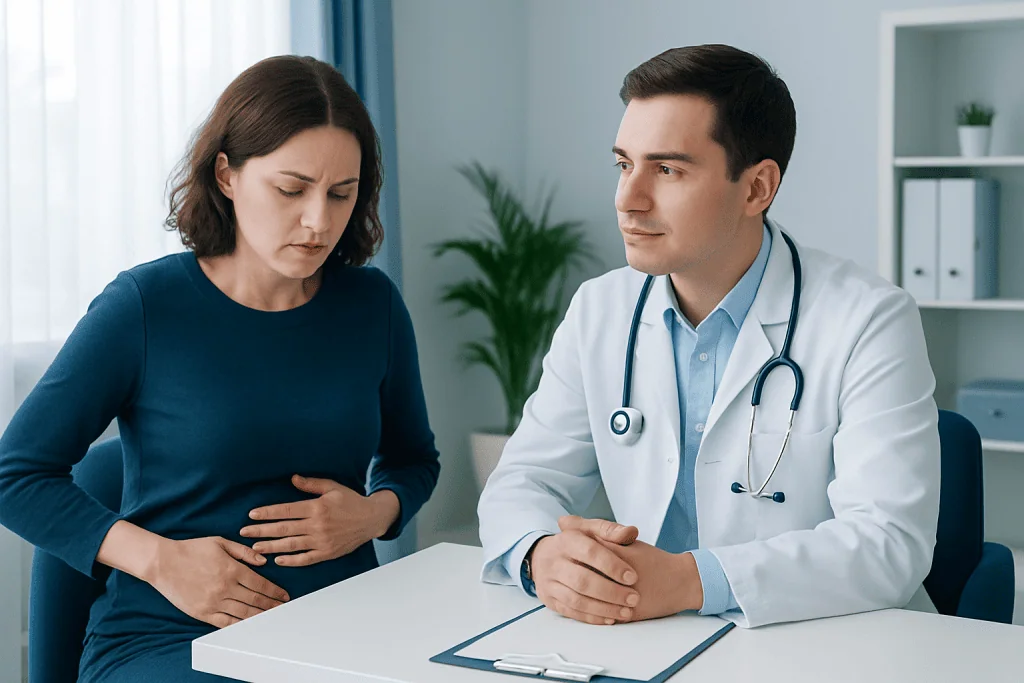
Alcohol can irritate the lining of the stomach and intestines. This may trigger indigestion, nausea, reflux, altered bowel movements, and bloating. Beer, sparkling wine, cocktails with soda, and other carbonated drinks may increase gas and pressure in the abdomen. Some mixers and alcoholic drinks also contain high amounts of sugar, which can worsen digestive symptoms for some people.
Although alcohol increases urination, it can still contribute to puffiness afterward. Fluid loss may lead the body to hold on to water, particularly when alcohol is followed by salty foods, poor sleep, limited water intake, or prolonged sitting. This type of swelling is often mild and temporary, but recurrent symptoms should not be ignored.
Regular heavy alcohol use can damage the liver over time. The liver helps regulate proteins and fluid balance, so advanced liver disease can lead to swelling in the abdomen or legs. Alcohol may also aggravate liver cirrhosis, a condition in which scarring impairs liver function. Not everyone who experiences bloating after drinking has liver disease, but persistent fluid retention should be checked.
Alcohol can interact with some medicines and may worsen conditions such as high blood pressure, heart failure, diabetes, kidney disease, and gastrointestinal disorders. A healthcare professional can review a person’s overall health, medicines, and drinking pattern to determine whether alcohol is contributing to the problem.
Alcohol Sensitivity, Intolerance, and Allergic Reactions
People often use the word “allergy” to describe any unpleasant response to alcohol, but different reactions have different causes. Alcohol intolerance commonly causes flushing, headache, stuffy nose, nausea, or palpitations after even small amounts of alcohol. It is usually linked to how the body processes alcohol rather than an immune-system allergy.
A true allergic reaction may be caused by an ingredient in the drink rather than ethanol itself. Grapes, barley, wheat, yeast, sulfites, histamine, and additives are possible triggers. Symptoms can include hives, itching, facial swelling, wheezing, vomiting, or worsening asthma. The timing and type of drink can help a clinician assess whether a sensitivity is possible.
Swelling of the lips, tongue, mouth, or throat should always be taken seriously. If it occurs with trouble breathing, wheezing, faintness, confusion, or difficulty swallowing, emergency medical help is needed immediately. The person should not drink more alcohol to test whether symptoms recur.
How Clinicians Check the Cause
A clinician will usually begin by asking about the pattern of symptoms: which drinks trigger swelling, how much was consumed, how quickly symptoms began, how long they lasted, and whether there are symptoms such as rash, breathlessness, pain, vomiting, jaundice, or weight changes. Information about medicines, diet, medical history, and family history can also be important.
The examination may include checking the abdomen, skin, heart and lungs, blood pressure, and the legs for fluid retention. Depending on the symptoms, blood tests may assess liver and kidney function, blood protein levels, blood counts, thyroid function, and signs of inflammation. Urine tests, ultrasound, heart tests, or allergy assessment may be considered when clinically appropriate.
For persistent abdominal swelling, clinicians may investigate digestive causes as well as liver disease. Evaluation can help distinguish ordinary gas and bloating from ascites or other conditions requiring treatment. If alcohol use has become difficult to control or is affecting health, confidential support and evidence-based treatment options are available.
What Can Help While the Cause Is Being Evaluated?
The safest approach is to avoid alcohol until the swelling has settled and the likely cause is understood. This is especially important if symptoms are repeated, escalating, or linked with rash, breathing symptoms, abdominal pain, yellowing of the eyes or skin, or swelling in the legs. Avoiding alcohol also helps show whether it is a direct trigger.
For mild, short-lived bloating, helpful measures may include drinking water regularly, choosing non-carbonated beverages, eating smaller balanced meals, limiting very salty foods, and avoiding alcohol on an empty stomach. These steps may reduce symptoms but should not be used to continue drinking when swelling is significant or recurrent.
Keeping a simple symptom diary can be useful. The person can record the type and amount of alcohol, foods and mixers consumed, time of symptoms, body areas affected, medicines taken, and how long symptoms last. This information can make a medical consultation more productive.
People who drink frequently or heavily should seek professional guidance before suddenly stopping if they may be physically dependent, because alcohol withdrawal can be dangerous. Clinicians can recommend a safe plan and, where appropriate, alcohol addiction treatment that supports both physical health and recovery.
When to Seek Medical Care
Emergency care is needed for swelling of the tongue, throat, or lips; difficulty breathing or swallowing; severe wheezing; fainting; confusion; or rapidly spreading hives. These symptoms may indicate a severe allergic reaction or another urgent medical problem. Calling local emergency services is appropriate in these situations.
A person should arrange urgent medical review for a rapidly enlarging abdomen, new swelling in both legs, severe abdominal pain, vomiting blood, black stools, chest pain, shortness of breath, yellow skin or eyes, or marked weakness. These symptoms can be linked with serious digestive, liver, heart, or kidney conditions.
A non-urgent appointment is still advisable when bloating, facial puffiness, or ankle swelling happens repeatedly after alcohol, lasts more than a few days, or interferes with daily life. Acibadem International’s multidisciplinary specialists and JCI-accredited hospitals can assess alcohol-related symptoms and related conditions for international patients.
Frequently asked questions
Can alcohol make a person look swollen the next day?
Yes. Alcohol can contribute to dehydration, disrupted sleep, salty food intake, and temporary changes in fluid balance, which may make the face or body appear puffy. If swelling is substantial, recurrent, or lasts more than a short period, it should be discussed with a clinician.
Why does my stomach swell after beer or cocktails?
Carbonation can increase gas and abdominal pressure, while alcohol may irritate the stomach and affect digestion. Sugary mixers, large meals, and food intolerances can also contribute. Persistent or painful abdominal swelling needs medical assessment.
Is swelling after drinking alcohol an allergy?
Not always. Alcohol intolerance, sensitivities to sulfites or other drink ingredients, and digestive irritation can all cause symptoms that resemble an allergy. Hives, facial swelling, wheezing, or throat symptoms require prompt medical advice, and breathing difficulty is an emergency.
Can alcohol cause swollen feet and ankles?
Alcohol may worsen fluid retention, particularly in people with underlying liver, heart, kidney, circulation, or nutritional concerns. New or persistent ankle swelling should not be self-diagnosed. A clinician can assess the likely cause and advise on next steps.
Should I stop drinking if alcohol makes me swell?
Avoiding alcohol is sensible while the cause is being identified, especially when swelling is recurrent or severe. People who drink heavily or daily should speak with a healthcare professional before stopping suddenly, as withdrawal may require medical support.
When is alcohol-related swelling an emergency?
It is an emergency when swelling affects the throat, tongue, or lips, or occurs with trouble breathing, swallowing difficulty, wheezing, fainting, or confusion. Emergency evaluation is also needed for severe abdominal swelling, chest pain, vomiting blood, black stools, or sudden shortness of breath.
References
- National Institute on Alcohol Abuse and Alcoholism
- National Health Service
- American College of Gastroenterology
- American Liver Foundation
- World Health Organization
This article is for general information only and is not a substitute for professional medical advice. Please consult a qualified doctor about your individual situation.
Persistent digestive symptoms? Get evaluated in Turkey
JCI-accredited · board-certified surgeons · reply within 24h
Add us as a Preferred Source to see more of our trusted health content across Google Search, AI Overviews and Discover.
Check your numbers in seconds
BMI, calories, due date, blood pressure and 30+ more clinical calculators — free, instant, doctor-reviewed ranges.

More from the Health Library



Related Specialists

Prof. Dr. Banu Coşar
Ophthalmology
Dr. Bülent Yücel
Orthopedic Surgery & Traumatology
Asst. Prof. Dr. Gökhan Arslanhan
Cardiovascular Surgery
Assoc. Prof. Dr. Tunç Özdemir
Pediatric Surgery