Understanding Cognitive Behavioral Therapy for Sexual Performance Anxiety: A Complete Patient Guide
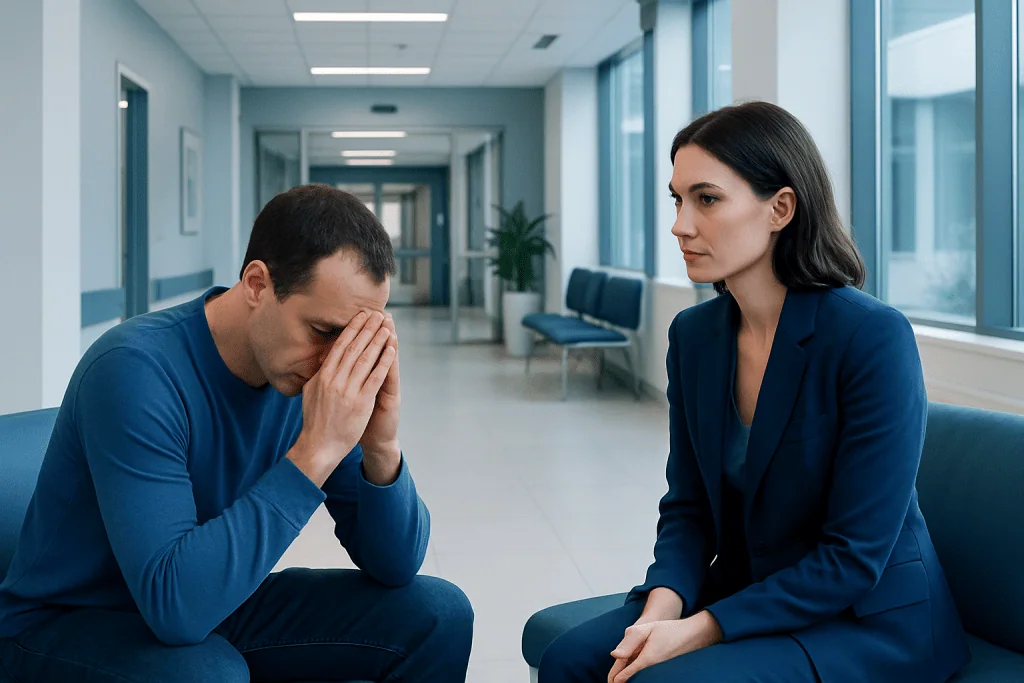
Sexual performance anxiety is common and may affect desire, arousal, erections, orgasm, comfort, or confidence. CBT focuses on the connection between thoughts, emotions, physical sensations, and behaviors.
Key Takeaways
- Sexual performance anxiety is common and may affect desire, arousal, erections, orgasm, comfort, or confidence.
- CBT focuses on the connection between thoughts, emotions, physical sensations, and behaviors.
- Treatment often includes identifying pressure-based beliefs, reducing avoidance, and gradually rebuilding comfortable intimacy.
- A medical evaluation can help identify contributing conditions, medication effects, hormonal concerns, or relationship factors.
- Improvement is usually gradual, and open communication with a qualified clinician and, when relevant, a partner can be helpful.
Cognitive behavioral therapy for sexual performance anxiety is a structured talking therapy that helps people recognize the thoughts, worries, and avoidance patterns that can interfere with intimacy. It can be used alone or alongside medical assessment and sex therapy, depending on the person’s symptoms and needs.
How CBT helps with sexual performance anxiety
Cognitive behavioral therapy (CBT) for sexual performance anxiety helps a person understand and change the cycle in which worry about sexual performance triggers physical tension, self-monitoring, and avoidance, which can then make sexual difficulties more likely. CBT is a practical, time-limited form of psychotherapy that focuses on current thoughts and behaviors while also considering relevant experiences and relationship circumstances.
Sexual performance anxiety is not a diagnosis limited to one gender or one sexual concern. It can involve worries about erections, ejaculation, arousal, lubrication, orgasm, pain, body image, desire, pleasing a partner, fertility, or being judged during intimacy. The anxiety can occur before sex, during sexual activity, or after an experience that a person interprets as unsuccessful.
CBT does not ask a person to simply “stop worrying.” Instead, a therapist helps them notice specific predictions, such as “I must perform perfectly” or “If I lose arousal, something is seriously wrong,” and test whether these thoughts are accurate or helpful. Therapy also supports a broader, less pressured view of intimacy that includes communication, comfort, pleasure, and connection rather than a single performance outcome.
The anxiety-performance cycle
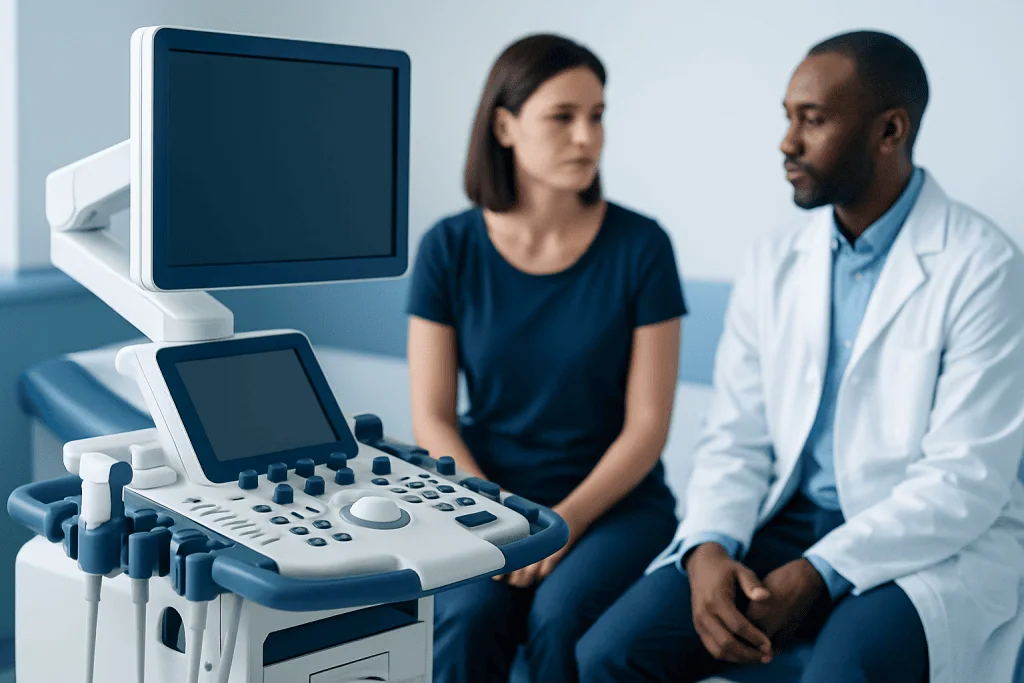
In sexual situations, the body’s stress response can compete with the relaxed state that often supports arousal and enjoyment. A person may become highly alert to bodily changes, scan for signs that something is going wrong, and feel increasingly distressed. This attention can make normal variation in arousal or response feel like evidence of failure.
For example, someone who has had one difficult sexual experience may begin expecting it to happen again. Before future intimacy, they may anticipate embarrassment or disappointment. During sex, they may mentally evaluate their body or their partner’s reactions instead of staying present. Anxiety may then affect sexual response, reinforcing the original fear.
Avoidance can keep this cycle going. A person may avoid initiating intimacy, avoid certain situations, use alcohol to feel less anxious, rush sexual activity, or withdraw from a partner. These strategies may offer short-term relief but can increase pressure, uncertainty, and relationship strain over time. CBT aims to replace these patterns with safer, more helpful coping skills.
- Worrying prediction: “I will disappoint my partner.”
- Physical response: tension, racing thoughts, reduced concentration, or changes in arousal.
- Behavioral response: avoiding intimacy, checking performance, or seeking repeated reassurance.
- Longer-term effect: greater fear and less confidence in future sexual situations.
What happens during CBT sessions

CBT begins with an individualized assessment. The therapist may ask when the anxiety started, what situations trigger it, how it affects relationships and wellbeing, and whether there are health conditions, medications, substance use, past experiences, or mood symptoms that may contribute. The discussion should be respectful, confidential, and paced according to the person’s comfort.
Sessions commonly include learning how thoughts, feelings, body sensations, and actions influence one another. A person may be encouraged to keep a brief record of anxious situations, automatic thoughts, emotions, and coping responses. This is not meant to judge sexual experiences; it helps identify repeated patterns that can be addressed in therapy.
Therapists may use cognitive restructuring, which involves examining unhelpful beliefs and developing more balanced alternatives. For instance, a belief that sexual activity must always follow a fixed sequence or end in orgasm may be replaced with a more realistic understanding that sexual response varies between people and from one occasion to another.
CBT may also include between-session exercises. These can involve relaxation skills, communication practice, attention-focusing exercises, or gradual steps toward non-pressured intimacy. A therapist should tailor exercises to the person’s goals, relationship context, physical health, values, and boundaries. No activity should feel forced, unsafe, or inconsistent with consent.
CBT techniques that may support intimacy
A central CBT goal is reducing the habit of monitoring and judging sexual performance. Rather than focusing on whether the body is responding “correctly,” a person can practice redirecting attention to neutral or pleasant sensory experiences, breathing, emotional safety, and mutual connection. This may reduce the sense that intimacy is a test that must be passed.
Therapy may address perfectionism, shame, and unrealistic messages about sex. Cultural expectations, pornography, previous criticism, illness, disability, trauma, and relationship experiences can all influence beliefs about what sexual experiences should be like. A CBT therapist can help distinguish between personal values and rigid standards that create distress.
For couples, therapy may include communication skills. Partners can learn to discuss preferences, limits, fears, and reassurance needs without blame. In some cases, a clinician may suggest exercises that initially remove expectations around penetration, orgasm, or erection, allowing the couple to rebuild comfort and connection gradually.
When sexual anxiety is linked with a specific sexual concern, CBT can be part of a wider care plan. For example, erection difficulties may be associated with stress, medical conditions, medication effects, or several factors together. A clinician may recommend assessment for erectile dysfunction alongside psychological support, rather than assuming the cause is only emotional.
Medical, emotional, and relationship factors to consider
Sexual performance anxiety can coexist with medical concerns. Diabetes, cardiovascular disease, hormonal changes, neurological conditions, chronic pain, pelvic health issues, sleep problems, and side effects from some medicines may affect sexual function. Depression, generalized anxiety, trauma-related symptoms, and relationship conflict can also influence desire, arousal, and satisfaction.
For this reason, a thorough assessment is important when symptoms are persistent, new, or distressing. A doctor may review general health, current medicines, alcohol or recreational drug use, and relevant symptoms. Depending on the concern, they may recommend blood tests, physical examination, mental health support, sexual medicine consultation, or referral to another specialist.
Physical and psychological factors often overlap. A temporary physical change may trigger worry, while ongoing worry may further affect sexual response. Addressing both sides of the experience can be more useful than viewing the problem as either purely “physical” or purely “psychological.”
Where appropriate, care may include counseling or sexual therapy with a qualified professional. This can be especially helpful when anxiety is affecting a couple’s communication, when sexual concerns are longstanding, or when a person would benefit from a specialist focus on intimacy and sexual wellbeing.
Self-care alongside professional treatment
Self-care does not replace assessment or therapy, but it can support recovery. Regular sleep, physical activity suited to the person’s health, balanced nutrition, and stress-management practices may improve general wellbeing and reduce vulnerability to anxiety. Limiting alcohol or recreational drugs before sexual activity can also be useful, as these substances may affect arousal, erections, lubrication, sensation, judgment, and consent.
It may help to shift the goal from “performing” to sharing an experience that feels safe, consensual, and connected. Taking time, agreeing that either partner can pause, and avoiding pressure to reach a particular outcome can reduce anxiety. Honest, kind communication is often more helpful than trying to conceal worries.
People should be cautious about unregulated supplements, online treatments, or advice that promises rapid results. These products may be ineffective, unsafe, or inappropriate for someone’s health history. A qualified healthcare professional can discuss evidence-based options and check for possible interactions with medicines.
Progress is rarely identical from one experience to the next. Occasional changes in desire, arousal, or sexual response are common. CBT encourages people to view setbacks as information rather than proof of failure, then use the skills learned in therapy to respond with less fear and self-criticism.
When to seek medical care
It is appropriate to seek medical care when sexual anxiety is persistent, causes significant distress, affects a relationship, leads to avoidance of intimacy, or occurs alongside ongoing changes in sexual function. A doctor can help rule out contributing health conditions and discuss whether psychotherapy, sexual medicine, medication review, or other support may be helpful.
Prompt assessment is particularly important if sexual symptoms begin suddenly, follow an injury or surgery, occur with chest pain or other cardiovascular symptoms during activity, or are accompanied by pelvic pain, bleeding, genital sores, urinary symptoms, or signs of infection. People experiencing severe depression, thoughts of self-harm, or concerns about safety in a relationship should seek urgent local support.
Those with a history of sexual trauma may benefit from trauma-informed mental health care. Therapy should proceed at a pace that respects the person’s choices and boundaries. If a clinician’s approach does not feel respectful or suitable, it is reasonable to seek another qualified provider.
Acibadem International’s multidisciplinary specialists and JCI-accredited hospitals can assess sexual health concerns and coordinate appropriate psychological and medical care for international patients. The most suitable plan depends on the individual’s symptoms, health history, and treatment goals.
Frequently asked questions
Can cognitive behavioral therapy help sexual performance anxiety?
Yes. CBT can help a person identify anxiety-provoking thoughts, reduce performance pressure, and change avoidance or self-monitoring behaviors that may interfere with intimacy. It is often most effective when tailored to the person’s symptoms, health, relationship context, and goals.
How long does CBT for sexual performance anxiety take?
The length of therapy varies according to the severity of anxiety, other mental health concerns, medical factors, and whether individual or couples sessions are used. CBT is often structured and goal-oriented, but progress may be gradual. A therapist can explain a likely treatment approach after an assessment.
Is sexual performance anxiety only a psychological problem?
No. Anxiety can play an important role, but sexual concerns may also relate to health conditions, medications, hormones, pain, sleep, substance use, or relationship factors. A medical assessment can help identify factors that should be addressed alongside therapy.
Can a partner take part in CBT for sexual performance anxiety?
Yes, when both people are comfortable and the therapist considers it appropriate. Couples sessions can improve communication, reduce blame, and help partners develop less pressured ways of being intimate. Individual therapy may still be preferable in some situations, including when privacy, safety, or personal concerns need focused attention.
What is the difference between CBT and sex therapy?
CBT is a psychotherapy approach that addresses thoughts, emotions, and behaviors. Sex therapy is a specialized form of counseling focused on sexual concerns and may use CBT techniques along with education, communication work, and structured intimacy exercises. Some clinicians are trained in both approaches.
Should someone use medication for sexual performance anxiety?
Medication is not necessary for everyone and should not be started without medical advice. If a physical condition, medication side effect, depression, or another contributing issue is identified, a doctor may discuss treatment options. Psychological support can remain valuable even when medical treatment is also used.
References
- American Psychological Association
- American Urological Association
- International Society for Sexual Medicine
- Mayo Clinic
- National Health Service
This article is for general information only and is not a substitute for professional medical advice. Please consult a qualified doctor about your individual situation.
Explore treatments in Turkey — costs, top hospitals & a free quote
JCI-accredited · board-certified surgeons · reply within 24h
Add us as a Preferred Source to see more of our trusted health content across Google Search, AI Overviews and Discover.