

No Danger to Holding in a Sneeze Science: An Evidence-Based Guide for Patients
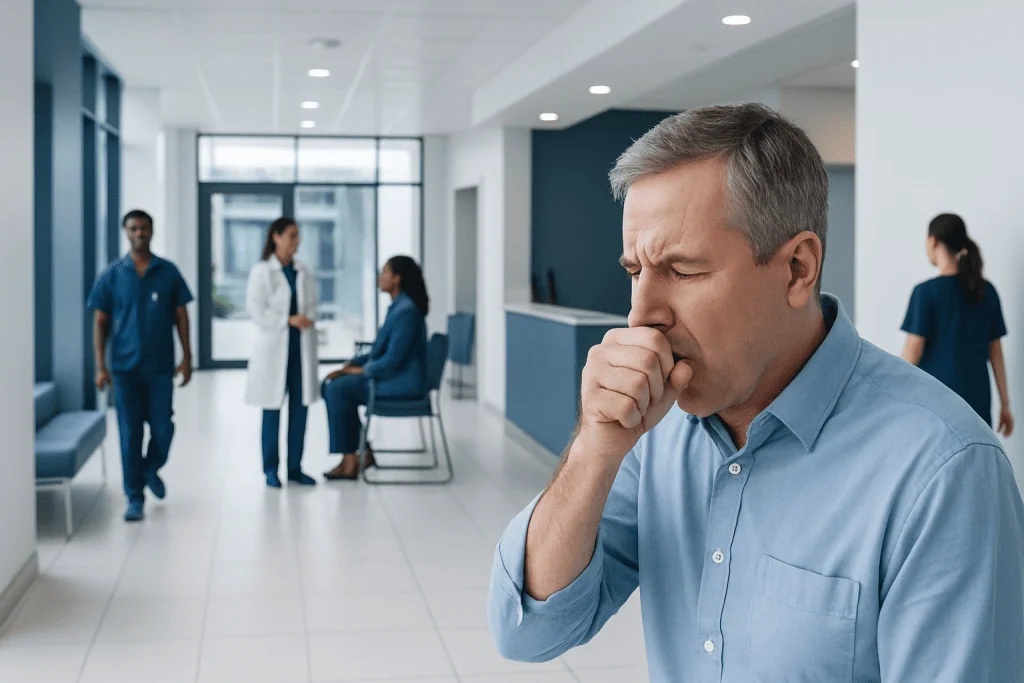
Most people will not be harmed by occasionally suppressing a sneeze. Forcefully pinching the nose and closing the mouth during a sneeze can create unusually high pressure in the ears, throat, chest, or sinuses.
Key Takeaways
- Most people will not be harmed by occasionally suppressing a sneeze.
- Forcefully pinching the nose and closing the mouth during a sneeze can create unusually high pressure in the ears, throat, chest, or sinuses.
- Rare complications have been reported, including ear injury, throat injury, and worsening of an existing respiratory problem.
- Sneezing into a tissue or the elbow is safer than trying to stop it completely.
- Medical assessment is sensible if pain, hearing changes, breathing difficulty, neck swelling, or chest symptoms occur after suppressing a sneeze.
No danger to holding in a sneeze science generally means that an occasional suppressed sneeze is unlikely to cause harm. However, tightly closing both the mouth and nose can sharply increase pressure in the airways and, rarely, lead to injury, so letting a sneeze out safely is usually the better choice.
What the science says about holding in a sneeze
The phrase no danger to holding in a sneeze science needs a little context. For most healthy people, stopping a sneeze once in a while does not cause a problem. The body may simply reduce the urge, or the sneeze may pass without any noticeable effect.
However, a sneeze is a fast protective reflex that expels air and irritants from the nose and upper airways. When a person forcefully seals both the mouth and nostrils just as the sneeze happens, that air cannot leave normally. Pressure may then be redirected toward the ears, sinuses, throat, or chest.
Serious injuries from a suppressed sneeze are uncommon and are mainly described in individual medical case reports rather than large studies. These reports do not mean that harm is likely after every suppressed sneeze. They do show why deliberately trapping a powerful sneeze is not considered a good routine practice.
Why people sneeze and what happens when it is blocked

Sneezing helps clear the nasal passages of particles such as dust, pollen, smoke, strong odors, viruses, or other irritants. It can also occur with allergies, colds, nasal inflammation, and sudden changes in temperature or light. The reflex involves coordinated activity of the nose, throat, chest muscles, and diaphragm.
During a typical sneeze, air is expelled through the nose and mouth. Closing one route may reduce the force of the sneeze while still allowing air to escape through the other. The concern is greatest when both exits are tightly blocked at the same moment.
The middle ears connect to the back of the nose through narrow passages called Eustachian tubes. The sinuses and throat also communicate with the nasal passages. A sudden pressure rise can therefore be felt as ear fullness, popping, temporary discomfort, or pressure in the face and throat.
Holding back a sneeze is different from gently turning away, covering the face with a tissue, or sneezing into the bend of the elbow. These approaches limit the spread of respiratory droplets while allowing the sneeze to leave the body.
Possible effects and rare complications

The most common outcome after suppressing a sneeze is no injury at all. Some people may briefly notice ear pressure, a mild headache, throat discomfort, or a feeling that the sneeze has not fully passed. These symptoms should usually settle quickly.
Rarely, pressure may contribute to problems in the ear, nose, throat, or chest. Published case reports have described eardrum injury, sudden hearing symptoms, dizziness, injury to tissues in the throat, and air leakage into tissues of the neck or chest. These events are unusual, but they support the advice not to forcefully hold in a sneeze.
A person with an ear infection, recent ear surgery, significant nasal congestion, lung disease, or a condition affecting tissue strength may be more vulnerable to pressure-related discomfort or complications. Anyone recovering from a procedure should follow their surgeon’s or treating clinician’s advice about sneezing and nose blowing.
It is important to keep risk in perspective. An occasional urge to sneeze that fades, or a sneeze that is naturally small, is not the same as repeatedly and forcefully blocking the nose and mouth. Most concerns relate to the latter situation.
A safer way to manage a sneeze
When possible, it is safer to let a sneeze happen while reducing the spread of droplets. A person can sneeze into a disposable tissue, discard it promptly, and wash or sanitize their hands. If no tissue is available, the inner elbow is usually preferred over the hands.
They should avoid pinching their nostrils shut while closing their mouth. If a sneeze feels imminent in a public setting, turning away from others, stepping aside if possible, and using a tissue or elbow can help protect people nearby without trapping pressure.
Frequent sneezing may have a treatable trigger. Common causes include allergies, viral respiratory infections, irritants such as smoke or perfume, and nasal dryness. Avoiding known triggers, keeping indoor air comfortably humid when it is dry, and speaking with a clinician about persistent symptoms may help.
If allergies appear to be driving repeated sneezing, assessment may identify appropriate avoidance steps or treatment. Ongoing nasal symptoms can also occur with sinusitis, especially when facial pressure, blocked nose, or thick nasal discharge is present.
When sneezing may need medical assessment
Most sneezing is temporary and does not need medical care. A healthcare professional can help when symptoms are frequent, prolonged, disruptive to sleep or daily life, or associated with recurrent nasal blockage, wheezing, fever, or facial pain. The clinician may consider allergies, infection, medication effects, or other causes.
Seasonal or environmental allergies are a common reason for recurrent sneezing, itchy eyes, and a runny nose. Allergy evaluation can clarify likely triggers and discuss practical treatment options. For persistent allergy symptoms, allergy treatment may include tailored avoidance advice and medically appropriate therapies.
People should not assume that all sneezing is an allergy. Cold symptoms, exposure to irritants, and inflammation in the nose may produce similar symptoms. A medical review is particularly helpful if symptoms recur without a clear explanation or do not improve with basic self-care.
Acibadem International’s multidisciplinary specialists and JCI-accredited hospitals diagnose and treat ear, nose, throat, allergy, and respiratory concerns for international patients when assessment is needed.
When to seek medical care after holding in a sneeze
Prompt medical advice is appropriate if a person develops significant or persistent pain after suppressing a sneeze, especially pain in the ear, throat, neck, chest, or face. New hearing loss, ringing in the ear, dizziness, a sensation of a ruptured eardrum, or fluid or blood from the ear also warrant assessment.
Urgent medical evaluation is needed for trouble breathing, chest pain, difficulty swallowing, marked neck swelling, a change in voice, coughing up blood, fainting, or severe headache. These symptoms are not expected after an ordinary sneeze and should not be ignored.
People with recent head, neck, chest, sinus, or ear surgery should contact their treating team if they have concerning symptoms after sneezing or forceful nose blowing. They should follow postoperative instructions carefully, as these may differ according to the procedure.
In the absence of warning signs, brief mild pressure that resolves may be monitored. If discomfort persists, worsens, or creates concern, a qualified clinician can provide reassurance and assess for an ear, nose, throat, or respiratory issue.
Frequently asked questions
Is it dangerous to hold in a sneeze?
Occasionally holding back a sneeze is usually not dangerous for a healthy person. However, forcefully closing both the mouth and nose can trap pressure and has rarely been linked with injuries involving the ears, throat, or chest. It is generally safer to sneeze into a tissue or elbow.
Can holding in a sneeze cause an eardrum rupture?
An eardrum rupture after a suppressed sneeze is uncommon, but abrupt pressure changes can affect the ear. Ear pain, hearing loss, ringing, dizziness, or drainage after a suppressed sneeze should be assessed by a healthcare professional. Most ear symptoms have other causes, but prompt review is sensible when they are sudden.
What should someone do instead of holding in a sneeze?
They should let the sneeze out into a tissue or the inside of the elbow, while turning away from other people. Hands should be cleaned afterward, especially if a tissue was used. This reduces respiratory droplet spread without tightly trapping air pressure.
Why does the ear feel blocked after suppressing a sneeze?
Pressure from the nose and throat can be transmitted toward the middle ear through the Eustachian tubes. This may create a temporary popping or blocked sensation. If the feeling does not go away or is accompanied by pain, hearing changes, or dizziness, medical advice is recommended.
Can frequent sneezing be a sign of allergies?
Yes. Allergies often cause repeated sneezing along with a runny or blocked nose, itchy nose, and itchy or watery eyes. Colds, irritants, and other nasal conditions can cause similar symptoms, so persistent or troublesome symptoms may need medical evaluation.
Should a person seek emergency care after holding in a sneeze?
Emergency care is appropriate for breathing difficulty, chest pain, severe neck swelling, trouble swallowing, major hearing changes, fainting, or severe headache. These symptoms are rare and are not expected after a normal sneeze. For milder symptoms that persist, contacting a doctor or an ear, nose, and throat specialist is appropriate.
References
- Centers for Disease Control and Prevention
- American Academy of Otolaryngology–Head and Neck Surgery
- National Health Service
- Mayo Clinic
- Merck Manual Consumer Version
This article is for general information only and is not a substitute for professional medical advice. Please consult a qualified doctor about your individual situation.
Explore treatments in Turkey — costs, top hospitals & a free quote
JCI-accredited · board-certified surgeons · reply within 24h
Add us as a Preferred Source to see more of our trusted health content across Google Search, AI Overviews and Discover.

More from the Health Library



Related Specialists

Dr. Hande Aygün
Infectious Diseases & Clinical Microbiology
Dr. Recep Şekerci
Emergency Service
Dr. Bülent Erdoğan
Emergency Service
Dr. Mehtap Selçuk
Anesthesiology