Benzoyl Peroxide Allergy — Explained by Medical Evidence, Not Myths

Burning, dryness and mild redness are common irritant effects of benzoyl peroxide and do not always mean allergy. Itching, marked swelling, hives, blistering or a spreading eczema-like rash may suggest an allergic reaction.
Key Takeaways
- Burning, dryness and mild redness are common irritant effects of benzoyl peroxide and do not always mean allergy.
- Itching, marked swelling, hives, blistering or a spreading eczema-like rash may suggest an allergic reaction.
- A suspected allergy should be assessed by a clinician; patch testing may help identify allergic contact dermatitis.
- People with severe facial swelling, breathing difficulty or widespread hives should seek urgent medical care.
- Alternative acne treatments are available and should be selected with a dermatologist or other qualified clinician.
Benzoyl peroxide allergy is a true allergic skin reaction to a common acne ingredient, but many reactions are actually predictable irritation from the medicine. Recognizing the difference can help a person stop the right product, protect the skin barrier and obtain appropriate medical care.
What is benzoyl peroxide allergy?
Benzoyl peroxide allergy is an immune-mediated skin reaction to benzoyl peroxide, an ingredient used in many non-prescription and prescription acne products. It is usually a form of allergic contact dermatitis, meaning the skin becomes sensitized and reacts after contact with the substance. The reaction can occur with cleansers, gels, creams, spot treatments and combination acne medicines.
However, not every uncomfortable reaction is an allergy. Benzoyl peroxide commonly causes dryness, peeling, stinging and mild redness because it can be irritating to the skin, particularly when a person first starts using it or uses too much. A true allergy is less common, tends to be itchier and more swollen, and may extend beyond the exact area where the product was applied.
When allergy is suspected, the safest initial step is to stop using the suspected product and avoid reapplying it to “test” the reaction. A pharmacist, dermatologist or other healthcare professional can help distinguish allergy from irritation and advise on suitable acne care.
How allergy differs from expected irritation
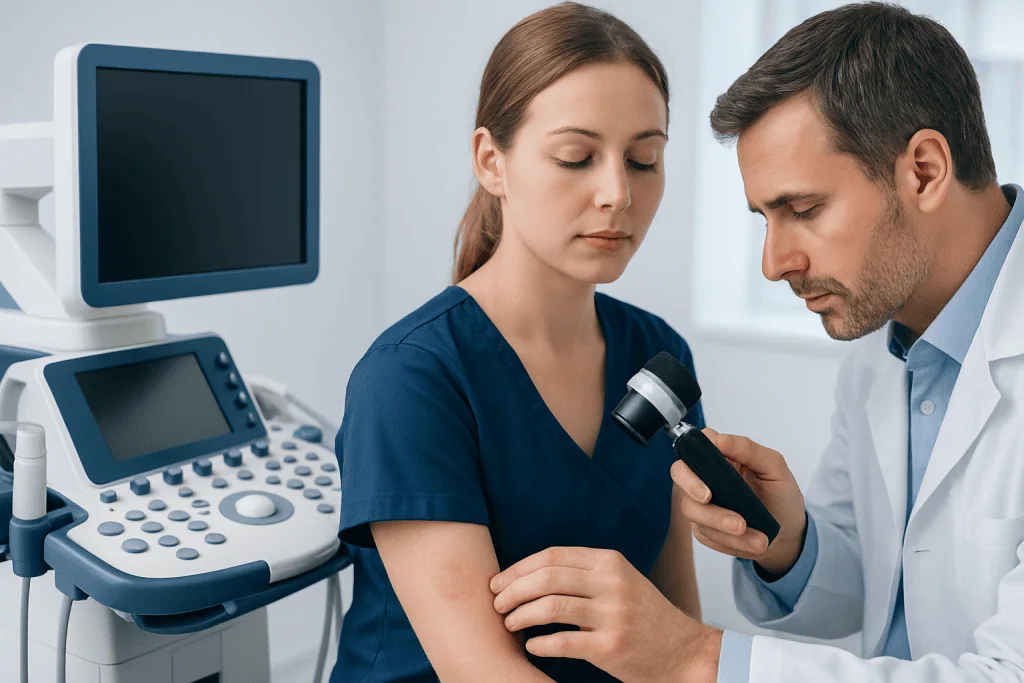
Benzoyl peroxide works partly by reducing acne-causing bacteria and helping clear blocked pores. These effects can also disrupt the outer protective layer of the skin. Mild dryness, tightness, scaling, temporary stinging and limited redness are therefore relatively common, especially during the first days or weeks of use. Such irritation often improves when the product is used less frequently, in a lower strength or alongside a gentle moisturizer, if a clinician considers continued use appropriate.
Allergic contact dermatitis is different. The immune system recognizes a substance as a trigger, producing inflammation that may become increasingly noticeable after repeated exposure. It may arise hours to days after use, and symptoms can persist or worsen even after the product is washed off. Previous uneventful use does not completely rule out allergy because sensitization can develop over time.
Product formulas can contain more than benzoyl peroxide. Fragrance, preservatives, botanical extracts, sunscreens or other active ingredients may also cause contact dermatitis. For this reason, it is important not to assume the active ingredient is responsible without a clinical assessment, especially if future acne treatment choices depend on identifying the trigger.
Possible symptoms of a benzoyl peroxide allergic reaction

Symptoms usually develop on areas exposed to the product, such as the cheeks, forehead, chin, jawline, chest or back. The skin may become intensely itchy, red, swollen, warm or tender. An eczema-like rash with small bumps, flaking, cracking, weeping or crusting can occur. Eyelid swelling may be especially concerning because the skin around the eyes is thin and sensitive.
Some people develop hives, which are raised, itchy welts that may appear and fade in different places. A rash may spread beyond the original treatment area, for example to the neck or around the eyes, through direct transfer from hands, bedding or towels. More severe skin reactions can involve blisters, pronounced swelling or painful skin.
Symptoms that are limited to mild dryness or peeling without substantial itching or swelling are more suggestive of irritation than allergy, although only a clinician can make a diagnosis. Acne itself can also cause redness and discomfort, so evaluating the timing of symptoms in relation to a new product is useful.
- Itching that is strong or persistent
- Noticeable swelling, particularly of the eyelids, lips or face
- A spreading red, scaly or blistering rash
- Hives or skin changes outside the treated area
- Worsening symptoms after each use
Why reactions happen and who may be at higher risk
An allergic reaction occurs when the immune system becomes sensitized to an ingredient and responds to later exposure. This process is not caused by poor hygiene, and it does not mean a person has used an acne medicine incorrectly. Skin that is already inflamed or damaged may be more vulnerable to irritation, which can make it harder to tell whether allergy is also present.
People with eczema, very dry or sensitive skin, or a history of contact allergies may need extra caution when introducing new topical products. Using several potentially irritating products at once, such as scrubs, acids, retinoids or alcohol-containing toners, can weaken the skin barrier and increase irritation. This does not necessarily cause a true allergy, but it can intensify redness, burning and peeling.
Higher-strength products, frequent application and applying benzoyl peroxide to damp skin may also increase irritation. In addition, benzoyl peroxide can bleach hair, towels and clothing; this is a chemical effect and is not an allergic symptom. A healthcare professional can advise whether a reaction is likely to be allergy, irritation or another skin condition, such as eczema.
How clinicians diagnose the cause
Diagnosis begins with a careful history and skin examination. A clinician may ask when symptoms started, where the product was applied, how often it was used, whether other skin products or medicines were introduced, and whether similar reactions occurred in the past. Bringing the product packaging or a clear ingredient list can be very helpful.
When allergic contact dermatitis is suspected and the trigger remains uncertain, a dermatologist may recommend patch testing. This involves placing small amounts of selected substances on the back under patches and checking the skin over several days. Patch testing is different from applying a product at home and should be performed and interpreted by appropriately trained professionals.
There is no reliable blood test that routinely confirms a benzoyl peroxide contact allergy. The clinical pattern, improvement after avoiding the suspected product and, when needed, specialist patch testing are generally more informative. A clinician may also consider infection, rosacea, seborrheic dermatitis or other conditions when symptoms do not fit a straightforward contact reaction.
Treatment and safer acne care after a reaction
Stop using the suspected benzoyl peroxide product and gently rinse any remaining product from the skin. Avoid scrubs, exfoliating acids, retinoids, fragranced cosmetics and other potentially irritating products until the skin has settled. A bland, fragrance-free moisturizer and gentle cleanser can support the skin barrier. Cool compresses may ease discomfort for some people.
A clinician may recommend treatment for inflammation or itching depending on the location and severity of the reaction. It is especially important to seek individualized advice before using medicated creams near the eyes, on broken skin or over large areas. If the skin is oozing, very painful, crusted or increasingly red, assessment is needed to rule out infection or a more severe dermatitis.
Once the reaction has resolved, acne can usually be managed with alternatives chosen according to acne type, skin sensitivity and medical history. Options may include topical retinoids, azelaic acid, salicylic acid, topical antibiotics used appropriately, hormonal approaches for suitable patients, or oral medicines for more extensive acne. For persistent or scarring acne, a dermatologist can discuss acne treatment options that avoid the suspected allergen.
People with confirmed or strongly suspected allergy should read ingredient labels carefully and inform healthcare professionals, including pharmacists, about the reaction. Avoiding the same product and other products containing benzoyl peroxide is generally prudent unless an allergy specialist has clarified that benzoyl peroxide was not the trigger.
When to seek medical care
Prompt medical advice is appropriate for significant itching, facial or eyelid swelling, hives, blisters, a widespread rash, or symptoms that do not improve after the product is stopped. A clinician can help relieve the reaction safely and determine whether allergy, irritation or another skin problem is responsible. People should not restart benzoyl peroxide simply because acne returns before receiving guidance.
Emergency care is needed for trouble breathing, wheezing, throat tightness, faintness, swelling of the tongue or lips, or rapidly spreading hives. These symptoms may indicate a serious systemic allergic reaction, which is uncommon but requires immediate assessment.
For people seeking specialist evaluation, Acibadem International’s multidisciplinary specialists and JCI-accredited hospitals diagnose and treat skin conditions for international patients. A dermatology consultation can also support a practical long-term acne plan while protecting sensitive skin.
Frequently asked questions
Can benzoyl peroxide cause an allergic reaction?
Yes. Benzoyl peroxide can cause allergic contact dermatitis, although irritation is more common. Allergy may cause marked itching, swelling, hives or an eczema-like rash and should be assessed by a healthcare professional.
How can a person tell if benzoyl peroxide is causing irritation or allergy?
Irritation more often causes dryness, peeling, mild burning and localized redness. Allergy is more likely when there is intense itch, significant swelling, hives, blistering, a spreading rash or worsening with repeat exposure. The symptoms can overlap, so medical review is helpful when the reaction is significant.
Should benzoyl peroxide be washed off after a reaction?
The product should be gently washed off with lukewarm water, and it should not be used again until a clinician has advised otherwise. Avoid harsh cleansers, scrubs and additional active ingredients while the skin recovers.
Can someone become allergic to benzoyl peroxide after using it before?
Yes. Allergic contact dermatitis can develop after repeated exposure, even if a person previously tolerated a product. It is also possible that a different ingredient in a new formula is responsible, which is why reviewing the full ingredient list matters.
What can be used instead of benzoyl peroxide for acne?
Alternatives depend on the person’s acne pattern, skin sensitivity and health history. A clinician may suggest options such as topical retinoids, azelaic acid, salicylic acid, hormonal treatment for appropriate patients or other prescription therapies. It is best not to start several new products at once after a skin reaction.
Can benzoyl peroxide allergy cause swelling around the eyes?
Yes. Product transferred by hands or applied near the face can cause eyelid redness, itching and swelling in a sensitive person. Because eye-area symptoms may have several causes and can become uncomfortable quickly, prompt clinical advice is recommended.
This article is for general information only and is not a substitute for professional medical advice. Please consult a qualified doctor about your individual situation.
Explore treatments in Turkey — costs, top hospitals & a free quote
JCI-accredited · board-certified surgeons · reply within 24h
Add us as a Preferred Source to see more of our trusted health content across Google Search, AI Overviews and Discover.

More from the Health Library

How Left Ventricle Function Is Measured

Dimenhydrinate: An Evidence-Based Guide for Patients

Prokinetics: An Evidence-Based Guide for Patients

Resistance Training for Cellulite: An Evidence-Based Guide for Patients

Hydrogen Peroxide for Acne: A Complete Medical Overview