Lsil Pap: An Evidence-Based Guide for Patients

LSIL stands for low-grade squamous intraepithelial lesion, a mild abnormality in cervical cells. An LSIL Pap result is not a diagnosis of cervical cancer.
Key Takeaways
- LSIL stands for low-grade squamous intraepithelial lesion, a mild abnormality in cervical cells.
- An LSIL Pap result is not a diagnosis of cervical cancer.
- HPV is the most common cause of LSIL, and many HPV infections clear naturally.
- Follow-up may include HPV testing, repeat cervical screening, or colposcopy, depending on age and screening history.
- Keeping follow-up appointments is the most important step after an abnormal cervical screening result.
An LSIL Pap result means low-grade changes were found in cells collected from the cervix. These changes are commonly related to human papillomavirus (HPV), often resolve without treatment, and need appropriate follow-up to make sure more significant changes are not missed.
What Does an LSIL Pap Result Mean?
An LSIL Pap result means that a cervical screening test found mild changes in squamous cells, the flat cells that cover much of the cervix. LSIL stands for low-grade squamous intraepithelial lesion. It is a screening finding rather than a final diagnosis, and it does not mean a person has cervical cancer.
In most cases, LSIL is associated with a human papillomavirus (HPV) infection. HPV is very common and can be passed through intimate skin-to-skin sexual contact. Many infections are temporary because the immune system controls or clears them over time, and the related mild cell changes may return to normal.
A Pap test looks for cell changes that could, in some cases, develop further over many years if they are not monitored. The purpose of follow-up is to identify the small number of people who may have a more significant cervical abnormality and to manage it early when needed.
Understanding the Pap Test and Cervical Screening
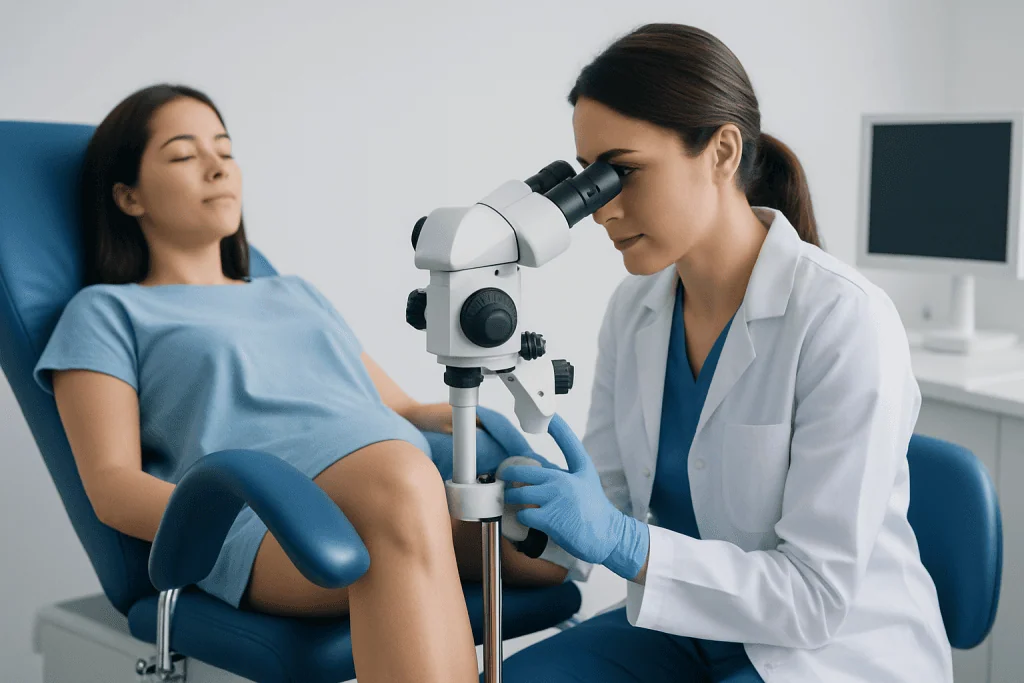
A Pap test, also called cervical cytology, examines cells collected from the cervix. The cervix is the lower portion of the uterus that opens into the vagina. During the test, a clinician gently collects cells using a small brush or similar device and sends the sample to a laboratory.
Cervical screening may use a Pap test alone, an HPV test alone, or co-testing with both tests. The best approach and interval depend on local guidelines, age, previous results, immune status, and other individual factors. A screening result does not usually explain whether a person has symptoms, and most cervical cell changes cause no symptoms at all.
LSIL is one of several possible cytology categories. Its meaning is different from high-grade changes, which generally require more prompt assessment. It is also distinct from a diagnosis made through a biopsy, where a small tissue sample is examined under a microscope.
- LSIL: mild, low-grade cell changes.
- HSIL: high-grade cell changes that may have a greater chance of representing a precancerous lesion.
- ASC-US: atypical squamous cells of undetermined significance, meaning changes are present but are not clearly classified.
- Normal result: no abnormal cervical cells were identified in the sample.
Why LSIL Happens: HPV and Other Influences

Most LSIL results are linked to HPV, particularly types that can affect cervical cells. HPV is common among sexually active people, and having HPV does not indicate poor hygiene, infidelity, or a new infection. The virus may remain inactive for a long period, so a test cannot reliably determine when it was acquired or from whom.
The body often clears HPV naturally. However, persistent infection with certain higher-risk HPV types can increase the likelihood of more significant cervical cell changes. This is why follow-up is recommended even though LSIL itself is mild and frequently temporary.
Factors that may make HPV more likely to persist include smoking, a weakened immune system, some medications that suppress immunity, and certain health conditions. These factors do not mean that a person will develop serious disease, but they can affect the recommended screening and follow-up plan.
Vaccination can protect against several HPV types that cause cervical cancer and genital warts. The HPV vaccine does not treat an existing infection or LSIL result, but it can still be beneficial for eligible people who have not completed vaccination. A clinician can advise on individual eligibility.
What Follow-Up May Be Recommended
The next step after an LSIL Pap result depends on the person’s age, HPV test result, prior screening history, pregnancy status, and immune health. Clinicians increasingly use risk-based guidance, meaning they estimate the likelihood of a clinically important cervical abnormality by considering current and previous results together.
For many adults, a clinician may recommend HPV testing if it was not already done, repeat HPV-based screening after a defined interval, or a colposcopy. Colposcopy is an outpatient examination in which the clinician uses a magnifying instrument to inspect the cervix more closely. It does not enter the body and is different from a pelvic examination.
If an area appears unusual during colposcopy, the clinician may take a small biopsy. A biopsy provides more definite information than a Pap test because it evaluates cervical tissue rather than surface cells. Mild biopsy findings are often monitored, while more significant precancerous changes may require treatment to remove or destroy abnormal tissue.
People who are pregnant, younger than the usual screening age, immunocompromised, or who have had prior cervical treatment may follow a different pathway. It is important not to compare one person’s follow-up plan directly with another’s without considering the full clinical history.
Will LSIL Go Away, and Does It Need Treatment?
Many cases of LSIL regress, meaning the cell changes return to normal without a procedure. This is especially common when the immune system clears the associated HPV infection. For this reason, immediate treatment is not routinely needed for LSIL alone.
Management focuses on surveillance: repeating screening or performing colposcopy when appropriate. This approach avoids unnecessary procedures on the cervix while still detecting changes that might need care. The exact timing should come from the clinician who has access to the person’s full screening record.
Treatment may be considered if follow-up identifies a high-grade precancerous lesion, often called cervical intraepithelial neoplasia (CIN) 2 or CIN 3. Options can include excisional procedures, such as a loop electrosurgical excision procedure, or selected ablative treatments. These are directed at confirmed higher-grade abnormalities rather than an LSIL Pap result by itself.
For people needing further assessment, cervical cancer and precancerous cervical changes are conditions evaluated through structured screening, diagnostic testing, and individualized follow-up. A qualified gynecologist can explain the findings in clear terms and discuss whether observation or a procedure is appropriate.
Supporting Cervical Health After an Abnormal Result
The most useful action after an LSIL result is to attend the recommended follow-up appointment. Because cervical changes commonly develop slowly, timely monitoring is usually effective and gives clinicians the information needed to make safe decisions.
There is no proven home remedy that clears HPV or treats abnormal cervical cells. A balanced diet, regular physical activity, adequate sleep, and management of long-term conditions support general health, but they should not replace medical follow-up. Avoiding smoking is particularly important, as smoking is associated with reduced HPV clearance and cervical disease risk.
Barrier methods such as condoms can reduce HPV transmission risk, although they cannot provide complete protection because HPV may affect skin not covered by a condom. HPV vaccination, routine screening, and follow-up of abnormal results remain key tools for cervical cancer prevention.
It can help to keep a record of prior Pap, HPV, colposcopy, and biopsy results. This information supports accurate risk assessment, especially when changing clinics or moving between countries. Acibadem International’s multidisciplinary specialists and JCI-accredited hospitals support international patients requiring cervical screening assessment and follow-up care.
When to Seek Medical Care
An LSIL result should be discussed with the clinician or screening service that ordered the test. The result is usually not an emergency, but follow-up should not be delayed or ignored. Contact the clinic if instructions are unclear, if a follow-up appointment has not been arranged, or if previous screening records are unavailable.
A person should seek prompt medical assessment for symptoms such as bleeding after sex, bleeding between periods, bleeding after menopause, persistent unusual vaginal discharge, or ongoing pelvic pain. These symptoms are common and can have many non-cancerous causes, but they should be evaluated rather than attributed to an LSIL result.
People with weakened immunity, including those living with HIV or taking immunosuppressive medication, should ask their clinician whether they need a different screening schedule. Pregnant people with an abnormal result should also inform their obstetric care team so that follow-up can be planned safely.
Frequently asked questions
Is LSIL Pap cancer?
No. LSIL is a mild abnormal cervical cell finding on a screening test, not a diagnosis of cancer. It is commonly linked to HPV infection and often resolves, but follow-up is important to rule out more significant changes.
Can an LSIL Pap result become normal?
Yes. Many LSIL results return to normal over time, particularly when the body clears the associated HPV infection. The recommended follow-up testing helps confirm whether the changes have resolved or need further evaluation.
Do I need a colposcopy after LSIL?
Not everyone with LSIL needs immediate colposcopy. The decision is based on factors including age, HPV result, past cervical screening results, and whether the person has immune suppression. A clinician can determine the most appropriate next step.
Can I have sex if I have LSIL?
LSIL itself does not generally prevent sexual activity. However, HPV can be transmitted through intimate contact, and condoms can reduce but not eliminate transmission risk. It is reasonable to discuss HPV, vaccination, and safer-sex choices with a healthcare professional.
Does HPV vaccination help after an LSIL result?
The HPV vaccine does not treat LSIL or remove an existing HPV infection. However, it may protect against HPV types a person has not encountered, depending on age and vaccination history. A clinician can advise whether vaccination is appropriate.
How long should I wait for follow-up after LSIL?
The follow-up interval varies according to the individual’s screening history and test results. Some people are advised to repeat HPV-based testing after a set interval, while others are referred for colposcopy. It is best to follow the timing provided by the clinician or screening program.
This article is for general information only and is not a substitute for professional medical advice. Please consult a qualified doctor about your individual situation.
Explore treatments in Turkey — costs, top hospitals & a free quote
JCI-accredited · board-certified surgeons · reply within 24h
Add us as a Preferred Source to see more of our trusted health content across Google Search, AI Overviews and Discover.

More from the Health Library
Ginger Tea for Sore Throat: An Evidence-Based Guide for Patients

Sore Feet Arches: What Patients Need to Know

Parainfluenza — Explained by Medical Evidence, Not Myths

Triazolam — Explained by Medical Evidence, Not Myths
Thick Thighs: An Evidence-Based Guide for Patients