Soft Jawline: A Complete Medical Overview

A soft jawline is usually a cosmetic concern rather than a medical problem. Facial bone structure, chin position, skin elasticity, body-fat distribution and posture can all affect jawline definition.
Key Takeaways
- A soft jawline is usually a cosmetic concern rather than a medical problem.
- Facial bone structure, chin position, skin elasticity, body-fat distribution and posture can all affect jawline definition.
- Sudden swelling, pain, a new lump or difficulty swallowing should be medically assessed rather than treated as a cosmetic issue.
- Non-surgical and surgical approaches may be considered depending on the underlying anatomy and a person’s goals.
- A qualified clinician can help distinguish normal contour variation from conditions affecting the jaw, salivary glands, teeth or neck.
A soft jawline describes reduced definition between the lower face, chin and neck. It is commonly linked to normal facial anatomy, aging-related skin changes, fat distribution or dental and jaw structure, and it can be assessed through a personalized medical examination when desired.
What Is a Soft Jawline?
A soft jawline is a term used to describe a lower-face contour with less visible separation between the chin, jaw and upper neck. Some people naturally have a rounded or gently angled jaw, while others notice less definition over time. Neither appearance is inherently unhealthy; facial contours vary widely across individuals, families, ages and body types.
The appearance of the jawline depends on several layers of anatomy. The lower jawbone and chin provide the framework, while muscles, subcutaneous fat, skin thickness and skin elasticity shape the surface contour. The position of the neck, head and camera angle can also temporarily change how defined the jawline looks.
In many cases, a soft jawline is a cosmetic concern. However, an assessment is appropriate if the change is one-sided, rapid, painful or associated with a lump, dental symptoms, swallowing difficulty, unexplained weight change or breathing concerns.
Why Jawline Definition Varies
Genetics strongly influence the width and angle of the lower jaw, the projection of the chin and the distribution of facial soft tissue. A person may have a naturally subtle jawline even at a stable weight and in good health. This is a normal variation in facial anatomy rather than a sign that anything is wrong.
Chin projection is particularly important to the profile. A small or recessed chin can make the transition from the face to the neck look less distinct, even when there is little fat beneath the chin. Bite alignment and the relationship between the upper and lower jaws may also influence facial balance.
Aging can contribute as collagen and elastin in the skin gradually decrease. Soft tissues may descend, and small collections of fat around the jawline or beneath the chin may become more noticeable. These changes occur at different rates and are influenced by inherited traits, sun exposure, smoking, weight fluctuations and general health.
Body-fat distribution can affect the lower face, but it is not the only explanation for a soft jawline. Attempts to reduce fat in one specific facial area through exercises alone are not supported by strong evidence. Overall weight management may change facial fullness for some people, but it will not alter underlying bone structure or completely prevent age-related skin changes.
Related Features and Symptoms to Notice

A soft jawline may occur with fullness under the chin, sometimes called submental fullness, or with mild skin laxity along the lower cheeks and jaw. People may also notice jowling, a less prominent chin in side view or reduced contrast between the jaw and neck. These features can be present separately or together.
Some symptoms point to a potentially different issue and deserve clinical attention. Jaw pain, clicking, restricted opening, headaches associated with chewing or a change in how the teeth meet may be related to the jaw joint or bite. These concerns can be evaluated in the context of temporomandibular joint disorders.
Swelling under the jaw may arise from infection, salivary gland problems, dental disease or enlarged lymph nodes. Unlike a gradual cosmetic contour change, this may be tender, sudden, one-sided or accompanied by fever, dry mouth, bad taste in the mouth or pain during meals. A medical professional can identify the cause and recommend appropriate care.
How a Soft Jawline Is Assessed
An evaluation begins with a conversation about when the change was noticed, whether it is stable or progressing, and whether there are symptoms such as pain, swelling, snoring, dental changes or difficulty chewing. The clinician will also ask about medical history, weight changes, medications, prior procedures and smoking, as these factors can influence skin and soft tissue.
Physical examination considers facial proportions from the front and side, chin projection, the jaw angle, the amount and location of soft tissue, skin quality, neck contour and symmetry. The teeth, bite, jaw movement and salivary gland areas may be examined when relevant. Photographs may be used for clinical planning with the patient’s permission.
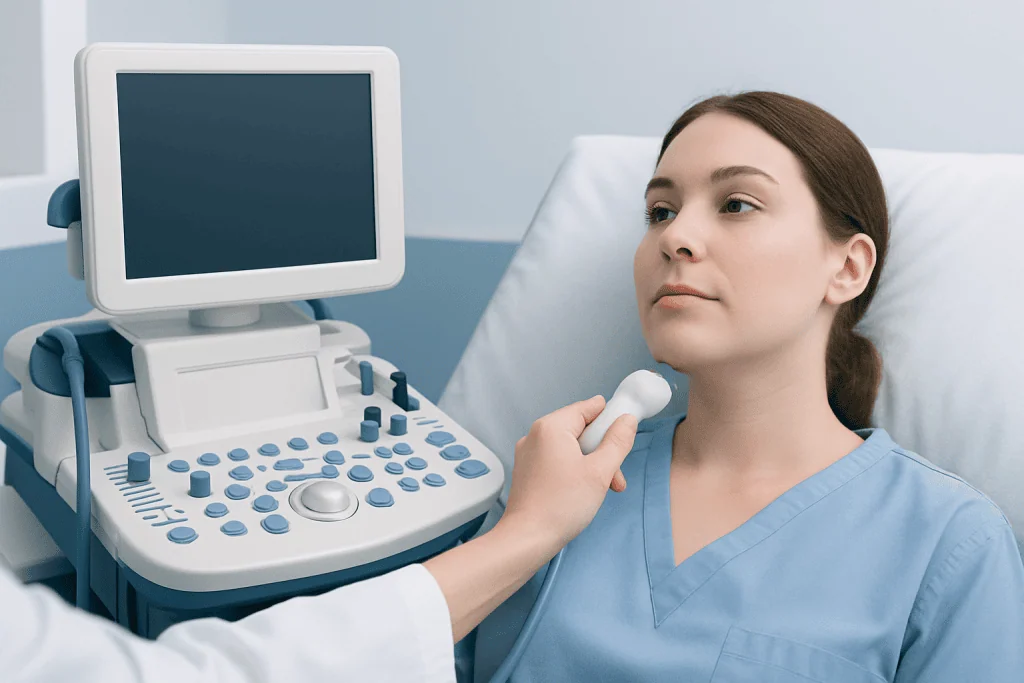
Imaging is not routinely needed for a cosmetic concern alone. It may be recommended if there is suspected jaw or dental structural variation, a palpable mass, persistent swelling or symptoms suggesting a joint, salivary gland or neck condition. Depending on the clinical question, a clinician may use dental X-rays, ultrasound, CT or MRI.
A safe treatment discussion should identify the main contributor before selecting an approach. For example, treatment for localized fat differs from treatment for loose skin, while a recessed chin or significant bite discrepancy may require a different type of specialist assessment.
Options for Improving Jawline Contour
For people who would like a more defined contour, the appropriate option depends on their anatomy, skin quality, health status and expectations. A clinician should explain what an approach can realistically improve and what it cannot change. It is also important to discuss recovery, possible side effects, the need for maintenance and alternatives, including choosing no treatment.
When localized fat below the chin is a main factor, selected patients may consider non-surgical fat-reduction methods or liposuction. Liposuction can remove fat from a defined area, but it does not correct major skin laxity or substantially change the jawbone. Results and suitability depend on skin elasticity and individual healing.
Where skin laxity is more prominent, energy-based procedures may provide modest tightening for some people, while surgical approaches can offer more substantial contour improvement in carefully selected candidates. A facelift or neck-focused procedure may address excess skin and descended soft tissues, but it is a surgical decision that requires thorough consultation and informed consent.
Chin augmentation with an implant or injectable filler may be considered when limited chin projection is the main reason the profile appears soft. Injectable treatments are temporary and carry risks such as swelling, bruising, unevenness and rare vascular complications. Surgical chin procedures and jaw surgery are reserved for specific anatomical needs and should be planned by appropriately qualified specialists.
At Acibadem International, multidisciplinary specialists in JCI-accredited hospitals assess facial, dental and neck concerns and discuss appropriate treatment options with international patients. A consultation should always include an individualized review of medical suitability, expected benefits and potential risks.
Daily Habits and Realistic Self-Care
Healthy habits support skin and general health, although they cannot reshape the jawbone or selectively remove fat beneath the chin. Maintaining a stable weight where appropriate, eating a balanced diet, staying physically active and getting adequate sleep may help reduce the effects of major weight fluctuations on facial soft tissue.
Daily sun protection can help limit ultraviolet-related skin damage, which contributes to loss of collagen and uneven skin quality over time. Avoiding smoking is also beneficial because smoking can impair skin health and wound healing, an especially important consideration for anyone exploring aesthetic procedures.
Neck posture can affect how the chin and neck appear in the moment, particularly when looking down at a screen. Gentle postural adjustments, regular movement breaks and strengthening exercises guided by a qualified professional may improve comfort and posture. However, jawline exercises should not be expected to produce major or permanent facial contour changes.
Care should be taken with unregulated devices, online injection services, aggressive massage techniques and products that promise rapid spot reduction. Procedures involving injections, heat-based devices or surgery should be performed only by licensed, trained clinicians in an appropriate medical setting.
When to Seek Medical Care
Medical assessment is advised for a new or enlarging lump under the jaw, persistent one-sided swelling, tenderness, redness, fever, unexplained weight loss, night sweats or swelling that does not settle. These findings may have causes unrelated to cosmetic contour and should not be self-treated with aesthetic products or procedures.
Prompt care is important for trouble breathing or swallowing, rapidly increasing neck swelling, severe dental or jaw pain, inability to open the mouth normally, or swelling associated with high fever. Emergency services should be contacted for severe breathing difficulty or signs of a serious allergic reaction, such as sudden swelling of the lips, tongue or throat.
A dentist, primary care doctor, ear nose and throat specialist, maxillofacial specialist or plastic surgeon may be involved depending on the concern. For a stable soft jawline without concerning symptoms, a planned consultation can help a person understand their facial anatomy and review options without pressure to pursue treatment.
Frequently asked questions
Is a soft jawline normal?
Yes. A soft jawline is commonly a normal variation in facial structure, fat distribution and skin quality. It does not usually indicate a health problem when it is stable and not associated with pain, swelling or other symptoms.
Can weight loss make a soft jawline more defined?
Overall weight loss may reduce facial or submental fat in some people, but the response varies. It cannot change jawbone shape, chin position or age-related skin laxity, and rapid weight changes can sometimes make loose skin more noticeable.
Do jawline exercises work?
Exercises may support neck posture and muscle function, but there is limited evidence that they produce meaningful, lasting jawline reshaping. They do not selectively remove fat or alter the underlying jawbone.
What treatment is best for a soft jawline?
There is no single best treatment because the cause may be fat beneath the chin, loose skin, a recessed chin, jaw structure or a combination of factors. A qualified clinician can assess these features and discuss whether non-surgical care, injectable treatment or surgery is appropriate.
Can fillers define the jawline?
In selected patients, filler can enhance chin or jawline projection and improve balance temporarily. It should be performed by a suitably trained medical professional, as injections can cause bruising, asymmetry, infection and, rarely, serious blood-vessel complications.
When is a soft jawline a reason to see a doctor?
A gradual, symmetrical change without symptoms is usually not urgent. A doctor should assess sudden or one-sided swelling, a lump, pain, fever, trouble swallowing, breathing difficulty, dental changes or unexplained weight loss.
References
- American Society of Plastic Surgeons
- American Academy of Dermatology Association
- National Institute of Dental and Craniofacial Research
- Mayo Clinic
- World Health Organization
This article is for general information only and is not a substitute for professional medical advice. Please consult a qualified doctor about your individual situation.
Explore treatments in Turkey — costs, top hospitals & a free quote
JCI-accredited · board-certified surgeons · reply within 24h
Add us as a Preferred Source to see more of our trusted health content across Google Search, AI Overviews and Discover.

More from the Health Library

Prednisone Moon Face: Uses, Dosage, and Side Effects — A Clinical Overview

Feeling Short of Breath in Early Pregnancy Explained: Causes, Management, and When to See a Doctor