Surgical Staples — Explained by Medical Evidence, Not Myths

Surgical staples are commonly used for longer incisions, areas under tension and some emergency wounds. Most skin staples are removed by a clinician using a dedicated sterile removal tool.
Key Takeaways
- Surgical staples are commonly used for longer incisions, areas under tension and some emergency wounds.
- Most skin staples are removed by a clinician using a dedicated sterile removal tool.
- Staples are not inherently more painful or more likely to scar than stitches; healing depends on many factors.
- Keeping the incision clean, dry as instructed and protected from pulling supports healing.
- Increasing redness, spreading swelling, drainage, fever or wound opening should be assessed promptly.
Surgical staples are medical devices used to hold the edges of a surgical incision or injury-related wound together while the tissue heals. They are a well-established closure option, selected when their speed, strength and reliability suit the wound location and type of procedure.
What Are Surgical Staples?
Surgical staples are sterile devices that bring the edges of a cut in the skin together after an operation or injury. They support the wound while the body repairs the deeper and surface layers of tissue. In many cases, they are made from stainless steel or titanium; some staples used inside the body may be made from absorbable materials that gradually break down.
For external skin closure, staples are usually placed with a single-use stapling device. Each staple has a shape that holds the skin edges in position without needing a knot. They are widely used in modern surgery and are not a shortcut or a sign that a wound is unusually serious. The choice between staples, sutures, adhesive strips and surgical glue is based on the individual wound and the clinician’s judgment.
Skin staples are temporary. A healthcare professional removes them once the incision has gained enough strength to stay closed without support. Internal staples may remain in place permanently or be absorbed, depending on their material and purpose.
Why a Surgeon May Choose Staples
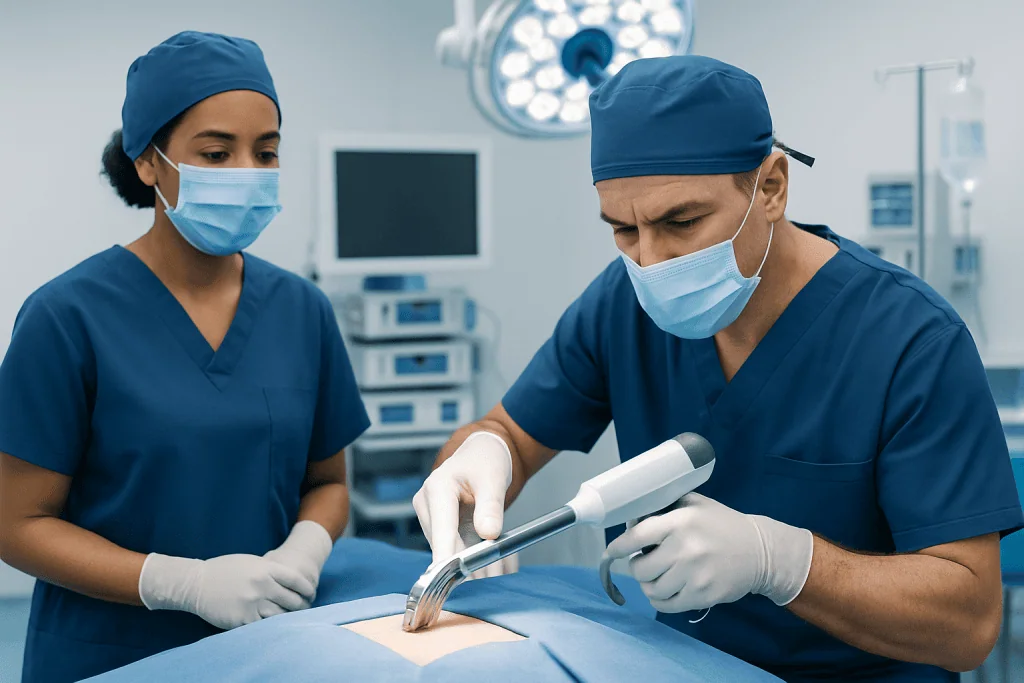
Staples can be placed efficiently and provide secure closure for certain wounds. They may be especially useful for long incisions, scalp wounds, incisions on the trunk or limbs, and areas where the skin is under movement or tension. Faster closure can also be helpful during some operations, while still allowing careful wound alignment.
Staples are one of several evidence-based closure methods. Sutures may be preferred for delicate areas, wounds requiring highly precise skin-edge alignment, or locations where appearance is a major consideration. Surgical adhesive or adhesive strips may be appropriate for small, clean, low-tension cuts. The best method depends on the incision’s depth, location, contamination risk, blood supply and the person’s overall health.
Staples may be used after a range of procedures, including some abdominal, orthopedic, obstetric and head surgeries. For example, they can be used to close the skin after hip replacement surgery or following certain abdominal operations. Their use does not, by itself, indicate that a surgery had complications.
Staples, Stitches and Glue: Understanding the Differences
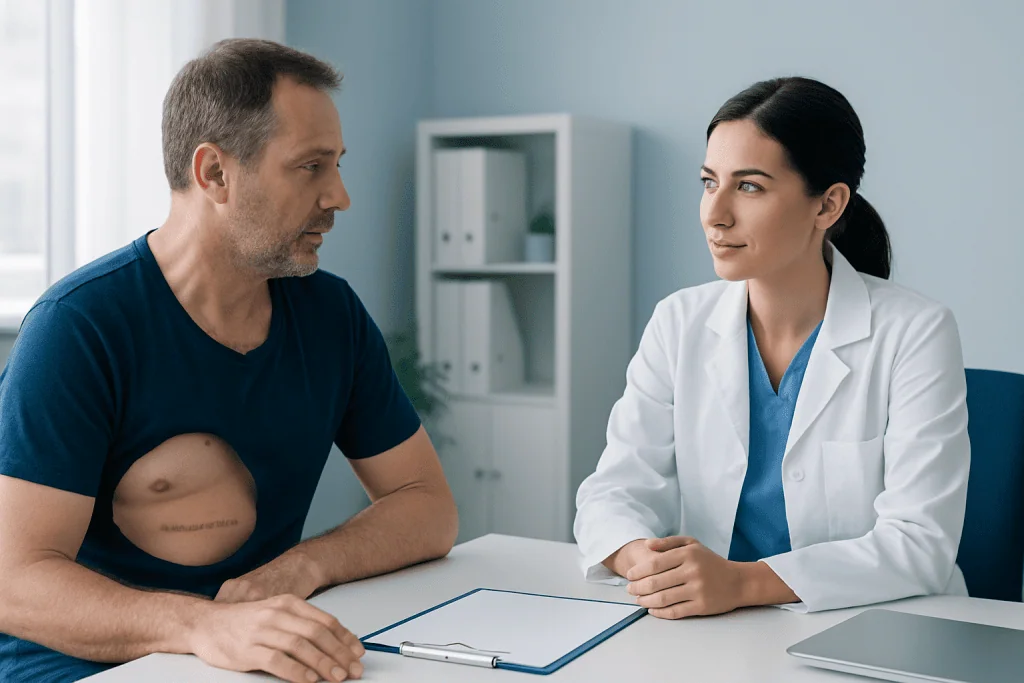
Sutures, often called stitches, use thread-like material to hold tissue together. They can be absorbable or require removal, and they allow detailed adjustment of individual wound edges. Staples use small metal clips, while surgical glue forms a protective film over a properly aligned superficial wound.
Each method has benefits and limitations. Staples are often faster to place and can be strong for suitable skin incisions. Sutures may give a surgeon more control in curved, irregular or cosmetically sensitive areas. Glue and strips avoid puncturing the skin but are less suitable for deep wounds or places that are moist, mobile or under tension.
It is a common myth that staples always cause worse scarring than stitches. Scar appearance is influenced by wound direction, tension, infection, genetics, skin type, sun exposure and aftercare, as well as the closure method. Following the surgical team’s care instructions is more important than comparing closure materials in isolation.
Staples also should not be confused with internal surgical clips used to seal blood vessels or ducts. Internal clips are generally not felt by the person and are usually compatible with routine daily activities. Before any imaging test, patients should tell the imaging team about previous surgery and implanted materials.
What to Expect During Healing and Removal
In the first days after surgery, mild tenderness, bruising, tightness or itching around an incision can be part of normal healing. The wound should gradually become less sore, and the edges should remain together. The surgical team will explain whether a dressing is needed, when bathing is permitted and what activity restrictions apply.
External staples are usually removed at a follow-up appointment. Timing varies with the body area, wound size, operation and the person’s healing progress. Areas with greater movement or tension may need support for longer than the face or scalp. A clinician assesses the incision before deciding whether all staples can be removed at once or whether some should remain temporarily.
Removal is generally quick. A staple-removal tool bends the middle of each staple so that its ends lift out of the skin. People may feel brief pulling or pinching, but significant pain is not expected. Tell the clinician if removal is very uncomfortable, if the wound feels as though it is pulling apart, or if there are concerns about healing.
After removal, adhesive strips may be placed across the incision for additional support. These usually loosen and fall away naturally. The area may remain pink or firm for weeks to months as the scar matures, which is a normal part of tissue remodeling.
Caring for a Wound Closed With Surgical Staples
Care instructions should always come from the surgeon or treating clinician because recommendations differ by procedure and incision location. In general, hands should be washed before touching the wound or changing a dressing. Unless instructed otherwise, avoid rubbing the staple line, applying creams or powders, and soaking the incision in a bath, pool or hot tub until it has healed sufficiently.
Patients may often shower when their clinical team says it is safe. Letting clean water run gently over the site, rather than scrubbing it, is commonly advised. The area can then be patted dry with a clean towel. A dressing should be changed exactly as directed, especially if it becomes wet, loose or soiled.
It is important not to pick at scabs, pull on staples or attempt staple removal at home. Avoid stretching the incision through strenuous lifting, intense exercise or movements restricted by the surgical team. Adequate nutrition, hydration, sleep and avoiding tobacco products can all support the body’s healing process.
- Check the incision daily in good light if this is possible and comfortable.
- Wear clean, loose clothing that does not rub or catch on staples.
- Keep follow-up appointments, even when the wound appears to be healing well.
- Ask the care team when it is safe to resume work, driving, sports and swimming.
Possible Problems and When to Seek Medical Care
Most wounds closed with surgical staples heal without major difficulty. However, an incision should be assessed if redness is spreading rather than improving, warmth or swelling is increasing, pain becomes more severe, or there is new cloudy, yellow, green or foul-smelling drainage. A fever, chills or feeling generally unwell after surgery also merits prompt medical advice.
Seek urgent medical care for heavy bleeding that does not stop with gentle direct pressure, a wound that opens, visible deeper tissue, rapidly worsening swelling, or severe pain. Emergency assessment is also appropriate for breathing difficulty, chest pain, fainting or other severe symptoms after surgery, as these may not be caused by the staples themselves but need prompt evaluation.
People with diabetes, reduced immunity, poor circulation, a history of wound-healing problems or tobacco use may need closer follow-up. These factors do not mean a complication will occur, but they can affect healing. Concerns about infection should be discussed early, as timely assessment can help guide appropriate care.
Questions to Ask the Surgical Team
Before leaving the hospital or clinic, patients can ask what type of closure was used, whether the staples are external or internal, and when the incision should be reviewed. It is also useful to clarify bathing instructions, dressing changes, activity limits, pain management and the planned date or timeframe for staple removal.
Patients should ask who to contact outside normal hours if they notice a possible wound problem. Taking a photograph only if advised by the care team can sometimes help track changes, but it should not replace an in-person assessment when symptoms are concerning. Any discharge instructions should be kept accessible and followed carefully.
Acibadem International’s multidisciplinary specialists and JCI-accredited hospitals diagnose and treat surgical conditions for international patients, with follow-up plans tailored to the procedure and recovery needs. For any surgery, the treating team remains the best source of advice about an individual incision and its staples.
Frequently asked questions
Are surgical staples safe?
Yes. Surgical staples are a widely used, regulated method of wound closure when selected for an appropriate incision. Like any wound-closure method, they require proper placement, aftercare and follow-up to reduce the risk of complications.
Do surgical staples hurt when they are removed?
Staple removal is usually brief and may feel like a quick pinch or pulling sensation. It should not cause severe pain. A person who experiences notable pain should tell the clinician performing the removal.
How long do surgical staples stay in?
There is no single timetable because removal depends on the body location, type of operation, tension on the wound and individual healing. The surgical team examines the incision and decides when it is safe to remove the staples.
Can a person shower with surgical staples?
Many people can shower after a period specified by their surgical team, but instructions vary. The incision should not be scrubbed, and soaking in baths, pools or hot tubs is usually avoided until the clinician confirms that it is safe.
Will surgical staples set off airport security?
External skin staples are removed during recovery, so they are not a long-term issue. Small internal clips or staples from prior surgery usually do not trigger security alarms, but experiences can vary. Patients with concerns can ask their surgeon for documentation about implanted devices.
Can surgical staples be removed at home?
No. Surgical staples should be removed by a trained healthcare professional using the correct instrument. Removing them too early or incorrectly can reopen the wound, cause bleeding or increase the risk of infection.
This article is for general information only and is not a substitute for professional medical advice. Please consult a qualified doctor about your individual situation.
Explore treatments in Turkey — costs, top hospitals & a free quote
JCI-accredited · board-certified surgeons · reply within 24h
Add us as a Preferred Source to see more of our trusted health content across Google Search, AI Overviews and Discover.

More from the Health Library

Capsule — Explained by Medical Evidence, Not Myths

What Is Popcorn Lung? Causes, Symptoms, and How It Is Treated

Antitussive: An Evidence-Based Guide for Patients

Lactoferrin: A Complete Medical Overview

Dentinogenesis Imperfecta — Explained by Medical Evidence, Not Myths