Dentinogenesis Imperfecta — Explained by Medical Evidence, Not Myths

Dentinogenesis imperfecta is a genetic condition that changes how dentin forms. Teeth may look blue-gray, amber, or opalescent and can wear down quickly.
Key Takeaways
- Dentinogenesis imperfecta is a genetic condition that changes how dentin forms.
- Teeth may look blue-gray, amber, or opalescent and can wear down quickly.
- Diagnosis is based on dental examination, family history, and dental X-rays.
- Treatment focuses on protecting teeth, restoring function, and monitoring long-term oral health.
- Children and adults with symptoms should have regular follow-up with a dentist familiar with inherited dental disorders.
Dentinogenesis imperfecta is an inherited condition that affects the dentin, the layer under tooth enamel, making teeth appear discolored and more likely to wear down or break. It is not caused by poor brushing, and timely dental evaluation can help preserve tooth function, comfort, and appearance.
Overview: what dentinogenesis imperfecta means
Dentinogenesis imperfecta is a hereditary condition in which dentin does not form normally. Dentin is the hard tissue beneath the enamel that gives teeth much of their structure and resilience. When dentin is abnormal, teeth can become discolored, fragile, and prone to rapid wear, even when a person maintains good oral hygiene.
This condition often affects both baby teeth and permanent teeth. The appearance can vary from person to person, but teeth commonly look translucent or opalescent, with shades such as blue-gray, brown, or yellow-amber. Because the underlying support of the tooth is weaker than usual, enamel may chip away more easily and expose dentin to faster damage.
Dentinogenesis imperfecta is not an infection and is not caused by diet, inadequate brushing, or routine tooth decay alone. It is a structural genetic disorder, so treatment is aimed at protecting the teeth, reducing complications, and supporting chewing, speech, and appearance over time.
How the condition affects teeth over time
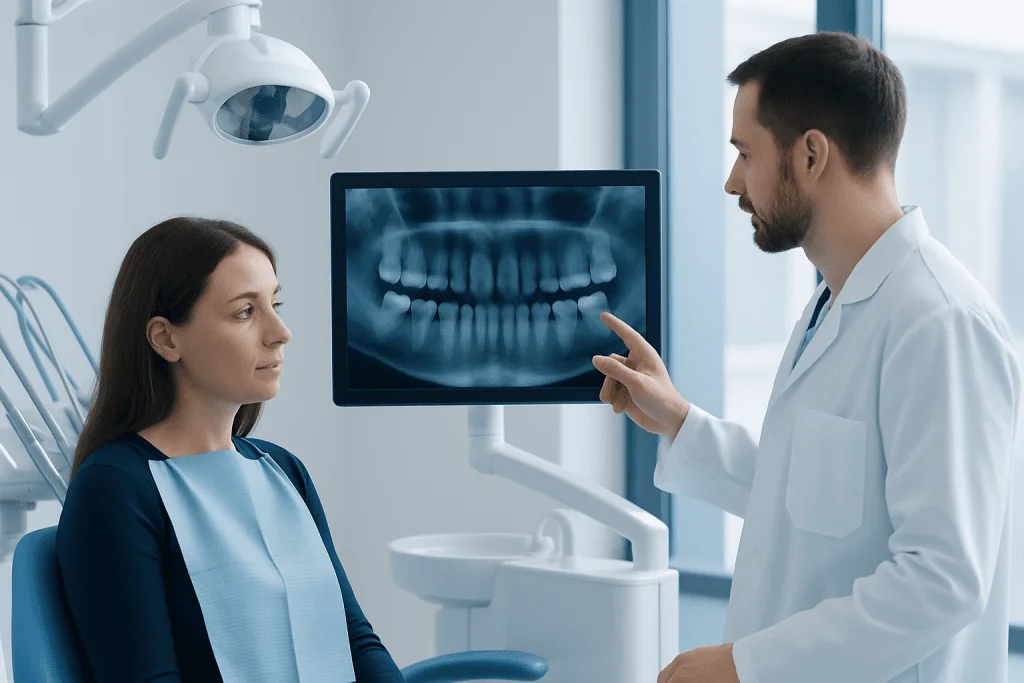
The main problem in dentinogenesis imperfecta is that the internal tooth structure is less durable than normal. Even when enamel develops, it may not be well supported by the dentin underneath. As a result, enamel can crack or break away, leaving the tooth vulnerable to rapid wear. Some teeth become shortened, flattened, or unusually smooth from attrition.
Many people first notice changes in color or shape rather than pain. In some cases, teeth are sensitive to temperature or pressure, but sensitivity is not always the most prominent symptom. Dental X-rays may show characteristic changes such as bulb-shaped crowns, a narrow neck of the tooth, short roots, or pulp chambers that become very small or difficult to see.
The severity can range from mild cosmetic changes to significant structural damage. Early dental planning matters because it may help preserve baby teeth in children, reduce future breakage, and support normal oral development. In broader dental assessment, specialists may also compare similar inherited conditions and other structural problems such as tooth decay to understand what is causing the visible damage.
Symptoms and signs to recognize

Symptoms of dentinogenesis imperfecta usually involve the appearance and durability of the teeth. Teeth may seem shiny, translucent, or opalescent, with a blue-gray or amber-brown color. They can chip more easily than expected, and the biting surfaces may wear down faster than normal. In children, these changes may be especially noticeable in the primary teeth.
Common signs include:
- Unusual tooth color, often blue-gray, yellow-brown, or opalescent
- Teeth that break, crack, or wear down quickly
- Shortened teeth or flattened biting surfaces
- Loose enamel or enamel that chips away
- Tooth sensitivity in some people
- Bite problems related to worn or damaged teeth
Not every person has the same pattern. Some people have mainly cosmetic concerns, while others develop substantial loss of tooth structure. If severe wear happens early, eating and speaking may become more difficult, and the risk of secondary dental problems can increase.
Causes, inheritance, and related conditions
Dentinogenesis imperfecta is most often caused by inherited genetic changes that affect dentin formation. It commonly follows an autosomal dominant inheritance pattern, which means a parent with the condition may pass it to a child. However, the degree of severity can differ within the same family, so one person may have mild findings while another has more extensive tooth damage.
There are different forms of dentinogenesis imperfecta. Some occur on their own, while others are associated with inherited disorders that affect connective tissue and bone, especially osteogenesis imperfecta. Because of this link, a dentist or physician may ask about frequent fractures, family history, hearing issues, or other features that suggest a broader medical condition.
The condition is different from enamel disorders, ordinary staining, and most common causes of brittle teeth. A careful evaluation helps distinguish it from issues such as osteogenesis imperfecta when systemic signs are present, or from acquired dental damage caused by grinding, trauma, or acidic wear.
How diagnosis is made
Diagnosis usually starts with a dental examination and a detailed medical and family history. The dentist looks at tooth color, shape, wear patterns, enamel loss, and the timing of symptoms. Asking whether other family members have had similarly fragile or discolored teeth can provide important clues.
Dental X-rays are a key part of diagnosis. They can show structural features often seen in dentinogenesis imperfecta, such as bulbous crowns, cervical narrowing, short roots, and reduced or obliterated pulp spaces. These findings help separate the condition from cavities, trauma, and some enamel disorders.
In some cases, genetic evaluation may be recommended, especially if there are signs of an associated inherited condition or if the diagnosis is uncertain. Children may benefit from coordinated care between pediatric dentists, restorative dentists, and other specialists. If broader oral rehabilitation is needed, advanced planning may include dental crowns or other protective restorations based on age, tooth development, and the amount of remaining tooth structure.
Treatment options and long-term dental care
There is no single medicine that reverses dentinogenesis imperfecta, so treatment focuses on protecting teeth and maintaining function. The best plan depends on age, symptom severity, whether baby or permanent teeth are affected, and how much tooth structure remains. The main goals are to reduce wear, prevent fracture, improve appearance when desired, and support comfortable chewing.
Restorative care may include bonding, fillings in selected situations, full-coverage restorations, or crowns to protect weakened teeth. In children, stainless steel crowns may be used for severely affected baby molars. In adolescents and adults, more definitive restorative options can help preserve tooth height and bite. Depending on the clinical situation, a dentist may also discuss dental implants if teeth are lost and replacement becomes necessary later.
Some people also need orthodontic or prosthodontic planning, but treatment has to be individualized because fragile tooth structure can change which options are safest. If wear or fractures are advanced, management may involve broader prosthodontic treatment to restore the bite and protect remaining teeth. Near the end of a patient’s care journey, multidisciplinary evaluation can be useful; Acibadem International’s specialists in JCI-accredited hospitals diagnose and treat inherited dental conditions for international patients.
Daily care, prevention of complications, and self-care
Because dentinogenesis imperfecta is genetic, it cannot be prevented in the usual sense. Still, early and consistent dental care can reduce complications. Regular dental visits help detect wear before it becomes severe and allow protective treatment at the right time. Children with suspected symptoms should be assessed promptly because primary teeth can be affected early.
At home, gentle but thorough oral care is important. A soft-bristled toothbrush, fluoride toothpaste, and flossing as advised by a dentist can help maintain gum health and reduce the added burden of decay. Although the condition is not caused by cavities, untreated decay can worsen already fragile teeth.
Self-care habits that may help include:
- Attending regular dental checkups and X-rays when recommended
- Avoiding chewing hard items such as ice, pens, or hard candy
- Seeking help for tooth grinding or clenching if suspected
- Choosing balanced meals and limiting frequent sugary snacks and drinks
- Using custom dental protection if a dentist recommends it
Families with a strong history of inherited dental conditions may also consider genetic counseling to better understand patterns of inheritance and future planning.
When to seek medical care
A person should seek dental evaluation if teeth appear unusually discolored, translucent, or fragile, especially when several teeth are involved or there is a family history of similar findings. Early assessment is also important if a child’s baby teeth wear down quickly, chip easily, or look amber or blue-gray soon after eruption.
Prompt care is advisable if there is tooth pain, sudden breakage, difficulty chewing, swelling, or signs of infection. These symptoms do not always come directly from dentinogenesis imperfecta, but they can indicate complications that need treatment. If the dentist suspects a related inherited disorder affecting bone or connective tissue, referral to a physician or genetic specialist may also be recommended.
Frequently asked questions
Is dentinogenesis imperfecta the same as poor dental hygiene?
No. Dentinogenesis imperfecta is a genetic condition that affects tooth structure, not a result of inadequate brushing or flossing. Good oral hygiene still matters because it helps reduce additional problems such as cavities and gum disease.
Can dentinogenesis imperfecta affect baby teeth?
Yes. In many people, primary teeth are affected and may show discoloration or wear early in childhood. Early dental follow-up can help protect these teeth and support normal eating and development.
Does dentinogenesis imperfecta always cause tooth pain?
Not always. Some people mainly notice changes in color, shape, or breakage rather than pain. However, pain or sensitivity can happen if teeth crack, wear down significantly, or develop complications.
How is dentinogenesis imperfecta diagnosed?
Diagnosis is usually based on a dental exam, family history, and dental X-rays. In selected cases, genetic testing may be considered, especially when another inherited condition is suspected.
Can treatment cure dentinogenesis imperfecta?
Treatment does not usually cure the underlying genetic cause. Instead, it helps protect teeth, restore function, and improve comfort and appearance. Long-term follow-up is important because needs can change over time.
Is dentinogenesis imperfecta linked to other health problems?
Sometimes. Some forms are associated with osteogenesis imperfecta, a condition that can affect bones and connective tissue. If there are other symptoms or a family history of bone fragility, doctors may suggest additional evaluation.
References
- National Institute of Dental and Craniofacial Research
- American Dental Association
- MedlinePlus
- National Organization for Rare Disorders
- GeneReviews
This article is for general information only and is not a substitute for professional medical advice. Please consult a qualified doctor about your individual situation.
Explore treatments in Turkey — costs, top hospitals & a free quote
JCI-accredited · board-certified surgeons · reply within 24h
Add us as a Preferred Source to see more of our trusted health content across Google Search, AI Overviews and Discover.