Am I a Candidate for Full body checkup? Eligibility Criteria

A full body checkup is most useful when screening is matched to an individual’s health risks rather than using one identical test package for everyone. Adults with chronic conditions, strong family histories, smoking exposure, or new health concerns may need earlier or more focused evaluation.
Key Takeaways
- A full body checkup is most useful when screening is matched to an individual’s health risks rather than using one identical test package for everyone.
- Adults with chronic conditions, strong family histories, smoking exposure, or new health concerns may need earlier or more focused evaluation.
- Symptoms such as chest pain, unexplained weight loss, severe breathlessness, or new neurological changes need timely medical assessment rather than routine screening alone.
- The checkup process commonly includes a health questionnaire, clinical examination, selected laboratory tests, and a review of results.
- Most people can return to usual activities the same day, although fasting blood tests or certain imaging examinations may require brief preparation.
- Normal results do not replace ongoing preventive care, recommended vaccines, or attention to new symptoms.
Most adults can be considered for a full body checkup when it is personalized to their age, medical history, family history, lifestyle, and current concerns. A pre-assessment helps a clinician select appropriate screening tests while avoiding unnecessary testing.
Overview: Am I a Candidate for Full Body Checkup?
People asking, “am I a candidate for full body checkup?” are usually suitable for a preventive health review if they are an adult who wants to understand their current health risks, has not had regular screening, or has personal or family factors that may affect future health. The most appropriate checkup is not necessarily the largest set of tests; it is a clinician-guided assessment tailored to age, sex, health history, medicines, lifestyle, and symptoms.
A full body checkup is designed to identify preventable risks and possible health concerns before they become more serious. It cannot rule out every condition, and it should not delay evaluation of symptoms that need prompt care. For an overview of coordinated preventive testing, patients can explore full body checkup services.
Before booking, it is helpful to complete a pre-assessment form and share details about previous diagnoses, operations, medications, allergies, family history, pregnancy status where relevant, and recent test results. This allows the care team to recommend a sensible, individualized plan rather than duplicate tests that have already been completed.
Who May Benefit Most From a Checkup?
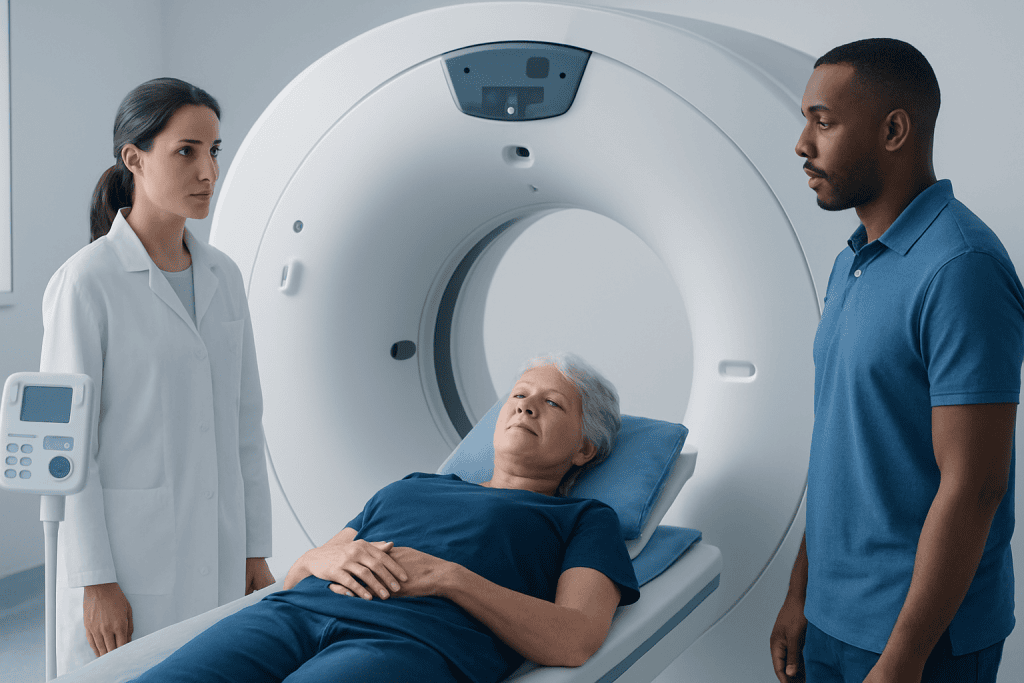
Many adults benefit from periodic preventive care, particularly when they have not seen a clinician for several years. A checkup may be especially useful for people entering a new age group for recommended screening, starting a new job or exercise programme, planning pregnancy, or wishing to review blood pressure, blood sugar, cholesterol, weight, sleep, nutrition, and other modifiable health factors.
Eligibility may be stronger when a person has known risk factors. These can include smoking or past tobacco use, high blood pressure, elevated cholesterol, diabetes or prediabetes, overweight, limited physical activity, heavy alcohol use, kidney or liver concerns, or a personal history of conditions that require follow-up. Individuals with close relatives affected by early heart disease, stroke, diabetes, certain cancers, or inherited disorders may also need a more targeted assessment.
People with established medical conditions are often candidates for review, but their testing should be coordinated with their usual doctor or specialist. Someone already receiving care for diabetes or another long-term condition may need condition-specific monitoring instead of a broad, one-size-fits-all screening package.
- Adults seeking preventive health guidance and routine age-appropriate screening
- People with a family history of significant disease
- Those with lifestyle or workplace exposures that increase health risks
- People with chronic conditions who need coordinated monitoring
- Individuals with mild, non-urgent concerns that require clinical review
How Eligibility Is Assessed and How a Checkup Works

A full body checkup usually begins with a pre-assessment questionnaire or consultation. The clinician reviews symptoms, prior illnesses, surgeries, medications, family history, menstrual or reproductive history when relevant, tobacco and alcohol exposure, occupation, diet, exercise, sleep, and mental wellbeing. This information helps determine which examinations are useful and which may not be needed.
The assessment may include measurements such as height, weight, waist circumference, blood pressure, pulse, and body mass index. A clinician may also perform a general physical examination and recommend laboratory testing, such as blood count, glucose or long-term glucose markers, cholesterol, kidney function, liver function, or urine testing. The exact selection depends on the person’s risk profile.
Additional tests, including electrocardiography, ultrasound, chest imaging, mammography, cervical screening, colon cancer screening, eye examination, or other studies, should be based on clinical guidelines and individual circumstances. Imaging and blood tests can sometimes identify incidental findings that are harmless but may lead to additional appointments. A clinician can explain the likely value and limits of each proposed test before it is performed.
What Happens Step by Step?
Preparation instructions vary. Some blood tests require fasting, so patients may be asked to avoid food for a specified period while continuing water unless advised otherwise. They should ask in advance whether regular medicines should be taken as usual; prescribed medication should not be stopped without medical advice. Bringing a medication list, previous results, vaccination records, and relevant imaging reports can make the visit more efficient.
On the day, registration is followed by confirmation of medical history and consent. Vital signs and sample collection may take place before a doctor’s examination. If imaging or functional tests are recommended, staff will explain preparation, what the examination involves, and any safety questions, such as possible pregnancy, metal implants, contrast allergy, or reduced kidney function.
Results may be available at different times. A clinician reviews them in context rather than interpreting a single number in isolation. The final discussion may include reassurance, lifestyle recommendations, repeat monitoring, referral to a specialist, or further tests if a result needs clarification. An abnormal screening result does not automatically mean a person has a disease; it often requires confirmation or follow-up.
Benefits, Limits, and Possible Risks
A well-planned checkup can help identify high blood pressure, abnormal blood sugar, cholesterol concerns, anemia, kidney or liver abnormalities, and other issues that may have few early symptoms. It can also support conversations about sleep, stress, physical activity, nutrition, weight management, vaccinations, and evidence-based cancer screening. Early risk recognition may create opportunities for prevention and timely treatment.
However, more testing is not always better. Tests may produce false-positive results, meaning an abnormal result is found even though no important illness is present. This can cause worry and may lead to repeat blood tests, scans, procedures, or specialist review. Conversely, normal results cannot guarantee that a condition will not develop later or that all illnesses have been excluded.
Most routine checkup components carry low risk. Blood sampling can cause temporary discomfort, bruising, or rarely fainting. Some imaging involves radiation or contrast materials, which are used only when the expected benefit outweighs potential risk. Patients should tell the team about pregnancy, allergies, kidney disease, implanted devices, and previous reactions to contrast agents so testing can be adjusted safely.
Recovery, Follow-Up, and Everyday Prevention
There is usually no recovery period after a routine checkup. Most people return to work, travel, exercise, and normal daily activities the same day. Those who have fasted may wish to eat and drink after blood collection. If sedation, contrast imaging, or an invasive procedure is part of a separately arranged investigation, the team will provide specific aftercare instructions.
The most important part of a checkup is often the follow-up plan. Patients should keep a copy of their results, understand which findings need monitoring, and arrange recommended appointments. They should also continue regular primary care rather than relying on a single annual assessment. Screening intervals change with age, personal history, family history, and local clinical guidance.
Everyday prevention remains valuable even with normal test results. This includes avoiding tobacco, limiting alcohol, eating a varied diet, remaining physically active within personal ability, sleeping adequately, managing stress, maintaining recommended vaccinations, and attending routine dental, eye, and reproductive health care. A clinician can help set realistic goals based on the person’s health profile.
When to Seek Medical Care
A full body checkup is not a substitute for medical evaluation when symptoms are new, persistent, worsening, or concerning. People should arrange a timely medical appointment for unexplained weight loss, ongoing fever, blood in urine or stool, a persistent cough, marked fatigue, a new lump, changes in bowel habits, or unusual bleeding. These symptoms may have many causes, but they deserve individual assessment.
Urgent medical care is needed for symptoms such as chest pain or pressure, sudden severe shortness of breath, fainting, sudden weakness or numbness on one side of the body, difficulty speaking, a sudden severe headache, confusion, or severe allergic symptoms. These signs should not wait for a routine screening appointment.
For international patients seeking a tailored preventive evaluation, Acibadem International’s multidisciplinary specialists and JCI-accredited hospitals can assess individual health needs and coordinate appropriate testing. Completing a pre-assessment form before a visit helps ensure the checkup plan is focused, safe, and clinically relevant.
Frequently asked questions
At what age should someone have a full body checkup?
There is no single age that applies to everyone. Preventive care should begin in adulthood and be tailored to age, sex, family history, lifestyle, existing conditions, and recommended screening intervals. A clinician can advise which tests are appropriate at a particular stage of life.
Can a healthy person have a full body checkup?
Yes. A person can feel well and still benefit from preventive review of blood pressure, metabolic risk, vaccinations, and age-appropriate screening. The assessment should be individualized so that tests are likely to provide useful information.
Do people with symptoms need a checkup or a doctor’s appointment?
People with symptoms should arrange a medical consultation rather than relying on a routine checkup alone. The doctor can investigate the specific concern and decide whether urgent testing, treatment, or referral is needed.
Should everyone have extensive imaging during a checkup?
No. Imaging should be selected according to clinical need, not used automatically for every person. Unnecessary scans can identify incidental findings and may expose patients to avoidable radiation, contrast risks, expense, or follow-up testing.
How should a person prepare for a full body checkup?
Preparation may include completing a medical questionnaire, bringing previous records, and following instructions about fasting or medication. Patients should tell the care team about allergies, pregnancy, implanted devices, and all prescription medicines and supplements.
What happens if a checkup result is abnormal?
An abnormal result often needs to be interpreted alongside symptoms, history, examination findings, and sometimes repeat testing. It does not necessarily confirm a diagnosis. The clinician will explain whether monitoring, lifestyle changes, further tests, or specialist referral is appropriate.
References
- World Health Organization
- U.S. Preventive Services Task Force
- Centers for Disease Control and Prevention
- National Institute for Health and Care Excellence
- American Heart Association
This article is for general information only and is not a substitute for professional medical advice. Please consult a qualified doctor about your individual situation.
Explore treatments in Turkey — costs, top hospitals & a free quote
JCI-accredited · board-certified surgeons · reply within 24h
Add us as a Preferred Source to see more of our trusted health content across Google Search, AI Overviews and Discover.
Check your numbers in seconds
BMI, calories, due date, blood pressure and 30+ more clinical calculators — free, instant, doctor-reviewed ranges.