Is surgery in turkey safe Before & After: What Realistic Results Look Like

Surgical safety depends on the hospital, surgeon, anesthesia team, patient selection and aftercare—not the country alone. A thorough preoperative evaluation helps confirm whether surgery is appropriate and identifies risks that may need treatment first.
Key Takeaways
- Surgical safety depends on the hospital, surgeon, anesthesia team, patient selection and aftercare—not the country alone.
- A thorough preoperative evaluation helps confirm whether surgery is appropriate and identifies risks that may need treatment first.
- Before-and-after images can be useful for discussion, but they cannot predict an individual result or recovery experience.
- Recovery takes time; swelling, bruising, discomfort and temporary changes in appearance may occur before final results develop.
- Patients should arrange follow-up, understand warning signs and avoid traveling before their surgical team considers it safe.
Is surgery in Turkey safe before and after? It can be safe when a patient chooses an appropriately accredited hospital, a qualified surgical team, a suitable procedure and a clear plan for recovery and follow-up. Results vary by procedure, health status and healing, so realistic expectations should be based on a personal medical assessment rather than photographs or promises.
Overview: What “Safe Before and After” Means
For people considering care abroad, the question is surgery in Turkey safe before and after? The most accurate answer is that safety is shaped by the quality of clinical care throughout the whole journey: assessment before surgery, the procedure itself, anesthesia, infection prevention, recovery monitoring and follow-up after returning home. A destination alone cannot determine whether an individual operation will be safe or successful.
Turkey has hospitals and clinics with different standards, just as other countries do. A patient can make a more informed decision by looking for appropriate accreditation, specialist qualifications, transparent communication, evidence-based recommendations and a clear plan for complications or ongoing care. The discussion should focus on the specific procedure and the patient’s health needs, not only on travel arrangements or visual results.
“Before and after” should also be understood as a clinical process rather than a pair of photographs. Before surgery, the priority is confirming suitability and reducing avoidable risks. After surgery, the priority is safe healing, timely review and patience while the body recovers. For broader planning considerations, patients can review whether surgery in Turkey is safe.
How Surgical Care Is Planned
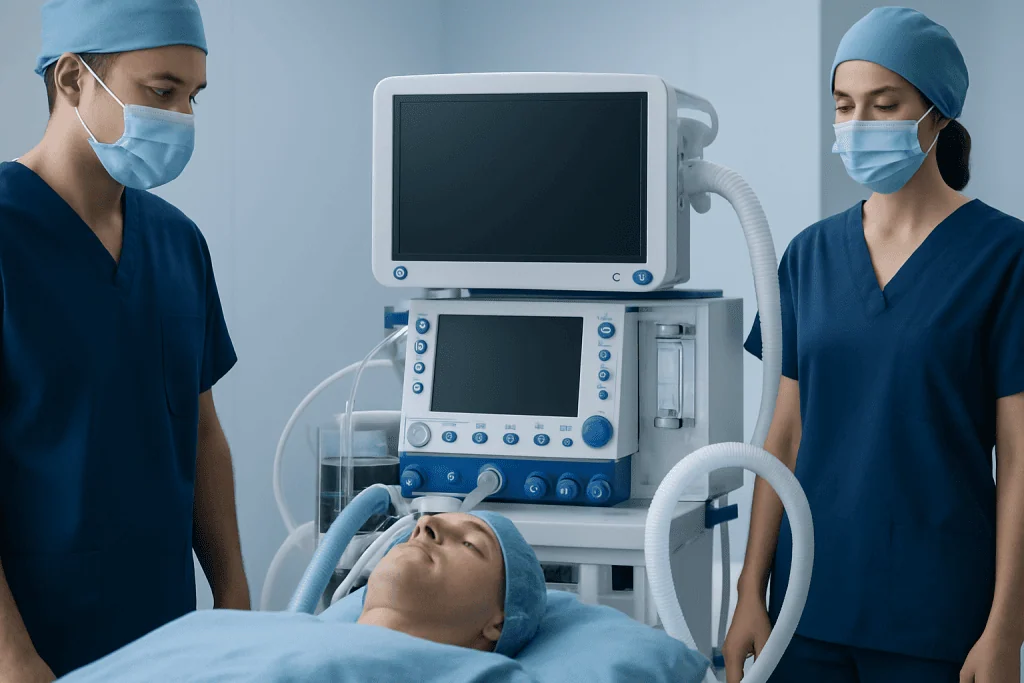
Safe surgery begins with a detailed consultation. The surgeon should ask about the patient’s goals, medical history, previous operations, allergies, medicines, smoking or nicotine use, alcohol or substance use, and any conditions such as diabetes, heart disease, blood-clotting disorders or sleep apnea. Depending on the operation, an examination, blood tests, imaging or specialist clearance may be needed.
The clinician should explain what the procedure can reasonably improve, what it cannot change, available alternatives and the expected recovery. For elective procedures, a responsible team may recommend delaying or declining surgery if risks outweigh likely benefits. This can be disappointing, but it is an important part of appropriate patient selection.
Planning also includes anesthesia assessment and practical travel planning. Patients should know where the procedure will take place, who will provide anesthesia, how pain and nausea will be managed, how long observation may be required and when it is medically appropriate to travel. Written instructions should be understandable and ideally shared with the patient’s usual doctor where relevant.
Candidacy: Who May Need Extra Assessment

There is no single ideal candidate for every procedure. Good candidacy depends on the operation, the person’s overall health, the reason for treatment and their ability to follow recovery instructions. A patient should be able to give informed consent, understand the potential limitations and arrange help if needed during the early recovery period.
Extra assessment is often appropriate for people with long-term medical conditions, a history of anesthesia problems, reduced immunity, poor wound healing, active infection or previous blood clots. Pregnancy, certain medications and nicotine use may also affect timing or risk. Patients should never stop prescribed medicines on their own; the surgical and prescribing teams should advise on any changes.
Realistic goals are essential, particularly for appearance-related surgery. A procedure may improve a concern but cannot create perfection, guarantee symmetry or reliably reproduce another person’s result. Emotional wellbeing matters too. When a person feels pressured, is seeking surgery during a crisis or expects an operation to solve wider life difficulties, more time and supportive discussion may be helpful before proceeding.
- Ask whether the surgeon regularly performs the proposed procedure.
- Confirm the facility’s accreditation and emergency arrangements.
- Discuss medical conditions and medicines honestly, including supplements.
- Ensure enough time is available for in-person review before travel home.
What Happens Before, During and Immediately After Surgery
Although details vary by specialty, most procedures follow a similar pathway. Before surgery, staff confirm identity, consent, the planned operation and relevant test results. The patient meets the surgeon and anesthesia team, and the surgical site may be marked when appropriate. Safety checklists are used to support communication among the operating-room team.
During surgery, the team monitors vital signs and manages anesthesia according to the planned procedure and the patient’s needs. The surgeon performs the operation using the agreed technique, while nurses and other professionals support sterile practice and safety checks. The length of surgery and the need for an overnight stay differ substantially between procedures.
Afterward, the patient is monitored as anesthesia wears off. It is common to feel sleepy, sore, nauseated or temporarily disoriented. The team assesses pain control, breathing, circulation, wound status and the ability to drink, move or pass urine as appropriate. Discharge should include clear instructions on medicines, wound care, activity, diet, follow-up and symptoms that require urgent assessment.
Recovery Timeline and Realistic Results
Recovery is not the same as the day of discharge. In the first days after surgery, discomfort, tiredness, swelling and bruising are common for many operations. Some people may need help with daily tasks or restrictions on driving, lifting, exercise, work and travel. The surgical team’s instructions take priority because recovery needs differ widely.
In the following weeks, visible swelling often improves gradually, incisions begin to heal and activity may be increased in stages. However, deeper healing can continue for months. For some reconstructive, orthopedic, abdominal, facial or body-contouring procedures, final contour, mobility or scar maturation may take considerably longer than early online images suggest.
Before-and-after photographs can show possible ranges of change, but they are not a promise. Lighting, posture, timing, makeup, editing and the selected examples can affect how images appear. A useful consultation discusses photographs only alongside information about the patient’s anatomy, skin quality, health, prior treatment and expected healing pattern.
A realistic example is a patient who sees early swelling after an elective procedure and worries that the intended result has not appeared. If there are no warning signs, the surgical team may explain that early appearance is not final and arrange review. In contrast, a patient with increasing pain, spreading redness or shortness of breath should seek medical assessment promptly rather than waiting for a planned check-up.
Benefits, Risks and How to Reduce Avoidable Risk
The potential benefit of surgery depends on why it is being performed. It may relieve symptoms, restore function, help diagnose or treat disease, repair an injury or change an aspect of appearance. A qualified surgeon should describe the expected benefit in plain language and explain how success will be assessed over time.
All operations carry risks. These can include bleeding, infection, blood clots, fluid collection, delayed wound healing, scarring, pain, reactions to anesthesia, unsatisfactory results and the possible need for additional treatment. The type and likelihood of complications vary by procedure and individual health factors, which is why personalized consent is essential.
Risk reduction starts with accurate health information and continues after the procedure. Patients can follow instructions about fasting, medicines, wound care, movement, compression garments if prescribed, smoking cessation and scheduled reviews. They should avoid unapproved remedies or supplements that could interact with medicines or increase bleeding risk. Reliable care also includes knowing who to contact outside routine appointment hours.
When to Seek Medical Care
Patients should contact their surgical team promptly if they have concerns about their recovery. New or worsening pain, persistent vomiting, fever, increasing redness or warmth around a wound, unusual drainage, wound separation, sudden swelling or an unexpected change in function should be assessed. It is better to ask early than to try to manage a possible complication alone while traveling.
Emergency medical care is needed for symptoms such as chest pain, trouble breathing, coughing blood, fainting, confusion, sudden weakness, heavy bleeding or signs of a severe allergic reaction. These symptoms may have causes unrelated to surgery, but they require urgent evaluation. Patients should use local emergency services rather than waiting for a response from a remote provider.
Before returning home, patients should confirm how follow-up will be arranged and give their local clinician a summary of the procedure if ongoing care is expected. Acibadem International’s multidisciplinary specialists and JCI-accredited hospitals diagnose and treat patients from abroad, with care planning designed to support appropriate preoperative assessment and postoperative follow-up.
Frequently asked questions
Is surgery in Turkey safe before and after the procedure?
Safety depends on the individual hospital, clinical team, procedure, patient health and aftercare plan. A safe pathway includes an appropriate preoperative assessment, qualified anesthesia and surgical care, infection-prevention practices, clear discharge instructions and accessible follow-up.
How can a patient check a hospital and surgeon before traveling?
Patients can ask about hospital accreditation, the surgeon’s specialty training and experience with the planned procedure, anesthesia arrangements and emergency support. They should also request a clear written treatment plan, informed-consent discussion and information about postoperative follow-up.
Are before-and-after photographs reliable?
They can help illustrate the type of improvement a procedure may achieve, but they cannot predict a personal outcome. Images may differ because of lighting, position, timing and normal variation in anatomy and healing, so they should be discussed with a surgeon rather than treated as a guarantee.
How long should a patient stay after surgery before flying?
The right timing depends on the procedure, length of surgery, anesthesia, risk of blood clots and the patient’s recovery. The operating team should give individualized advice, and patients should not arrange return travel so early that essential postoperative checks are missed.
What should patients bring or share for their preoperative assessment?
They should provide an accurate medical history, a list of all medicines and supplements, allergy information, previous operation details and relevant test results or imaging. Sharing this information early helps the team identify risks and decide whether more tests or specialist input are needed.
What symptoms after surgery need urgent medical help?
Urgent evaluation is needed for chest pain, breathing difficulty, coughing blood, heavy bleeding, fainting, severe allergic symptoms or sudden confusion or weakness. Other concerns, such as increasing wound redness, fever, unusual drainage or worsening pain, should be reported promptly to the surgical team.
References
- World Health Organization
- Joint Commission International
- Centers for Disease Control and Prevention
- American College of Surgeons
- International Society of Aesthetic Plastic Surgery
This article is for general information only and is not a substitute for professional medical advice. Please consult a qualified doctor about your individual situation.
Explore treatments in Turkey — costs, top hospitals & a free quote
JCI-accredited · board-certified surgeons · reply within 24h
Add us as a Preferred Source to see more of our trusted health content across Google Search, AI Overviews and Discover.

More from the Health Library



Related Specialists

Prof. Dr. Sevgi Bilgen
Anesthesiology
Prof. Dr. V. Melih Kara
General Surgery
Assoc. Prof. Dr. Mehmet Barburoğlu
Interventional Neuroradiology
Dr. Şenay Ağırgöl
Dermatology