

Bowel cancer Treatment Options: Surgery, Chemo, Radiation & Beyond
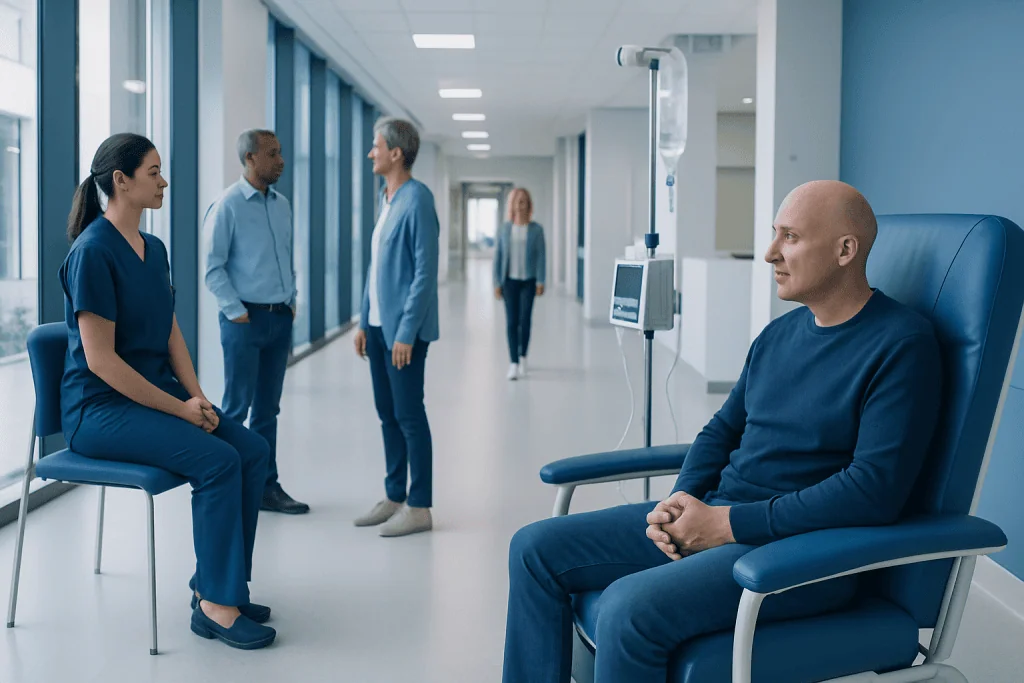
Bowel cancer includes cancers of the colon and rectum, but treatment plans can differ between these locations. A multidisciplinary team uses imaging, pathology and molecular testing to recommend an individual treatment plan.
Key Takeaways
- Bowel cancer includes cancers of the colon and rectum, but treatment plans can differ between these locations.
- A multidisciplinary team uses imaging, pathology and molecular testing to recommend an individual treatment plan.
- Surgery may remove the cancer and nearby lymph nodes, sometimes with a temporary or permanent stoma.
- Chemotherapy, radiotherapy, targeted therapy and immunotherapy can reduce recurrence risk, shrink tumors or control advanced disease.
- Follow-up care, nutrition, symptom support and surveillance are important parts of treatment and recovery.
Bowel cancer treatment is planned around the cancer’s location, stage, molecular features and the person’s overall health. Surgery is often central to treatment, while chemotherapy, radiotherapy and newer systemic medicines may be used before or after surgery, or when cancer has spread.
Overview: What Does Bowel Cancer Treatment Involve?
Bowel cancer treatment may involve surgery, chemotherapy, radiotherapy, targeted medicines, immunotherapy or a carefully planned combination of these approaches. The most appropriate option depends on whether the cancer began in the colon or rectum, how far it has grown or spread, its biological features and the person’s general health and preferences.
For many early bowel cancers, treatment aims to remove the cancer completely and reduce the chance of it returning. For more advanced cancer, treatment may still be used with curative intent in selected situations, especially when spread is limited and treatable. When cure is not possible, treatment can often slow cancer growth, relieve symptoms and support quality of life.
Bowel cancer is a broad term that includes colon and rectal cancer. Rectal tumors are close to structures that affect bowel control, urinary function and sexual health, so radiotherapy and chemotherapy before surgery are more commonly considered. A detailed overview of diagnosis and care pathways is available in bowel cancer information.
How the Treatment Plan Is Chosen
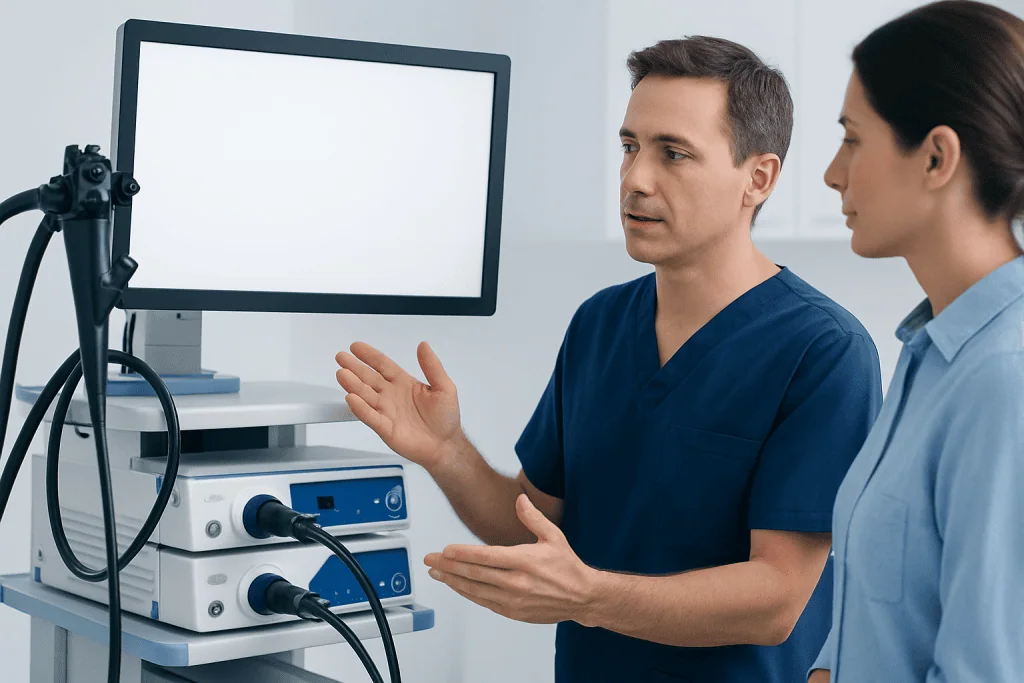
Before treatment begins, clinicians confirm the diagnosis with a biopsy and assess the cancer’s stage. Tests may include colonoscopy, CT scans, MRI scans for rectal cancer, blood tests and measurement of carcinoembryonic antigen (CEA), a marker that can help with follow-up in some people. The care team also considers any other health conditions, nutritional status and everyday support needs.
Laboratory testing of the tumor can identify gene changes or protein markers that may affect treatment choices. For example, testing for mismatch repair deficiency or microsatellite instability can help identify people who may benefit from immunotherapy. Testing for certain mutations may also guide use of targeted therapies in metastatic colorectal cancer.
Plans are usually discussed by a multidisciplinary team, which may include colorectal surgeons, medical oncologists, radiation oncologists, radiologists, pathologists, specialist nurses, dietitians and supportive-care professionals. This approach helps balance cancer control with preservation of bowel function and overall wellbeing.
- Early-stage cancer: surgery alone may be enough in some cases.
- Higher-risk localized cancer: chemotherapy may be advised after surgery.
- Locally advanced rectal cancer: chemotherapy and radiotherapy may be given before surgery.
- Metastatic cancer: systemic therapy, surgery, ablation or other local treatments may be considered according to where cancer has spread.
Surgery for Bowel Cancer
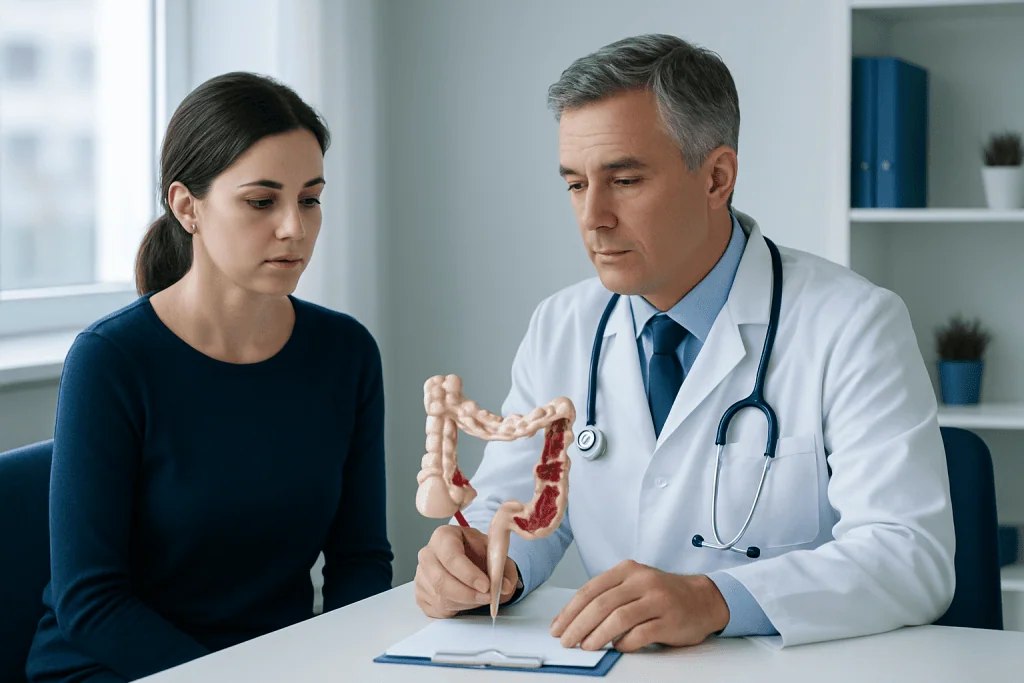
Surgery is the main treatment for most localized colon and rectal cancers. Its purpose is to remove the section of bowel containing the tumor, a margin of healthy tissue and nearby lymph nodes. In colon cancer, the remaining healthy bowel ends can often be joined together, a procedure called an anastomosis. In rectal cancer, the operation is planned carefully to remove the tumor while preserving function whenever it is safely possible.
Some very early cancers can be removed during colonoscopy using techniques such as endoscopic mucosal resection. Larger or deeper tumors generally require bowel resection. Surgery may be performed through open surgery or minimally invasive laparoscopic or robotic techniques when suitable. The exact approach depends on tumor location, previous surgery, anatomy and the surgeon’s assessment.
The usual steps include anesthesia, removal of the affected bowel segment and lymph nodes, reconstruction of the bowel when appropriate, and testing of the removed tissue in the laboratory. Some people need a stoma, where bowel is brought to an opening on the abdomen and waste is collected in a pouch. A stoma may be temporary while the bowel heals, or permanent when reconnection is not safe or possible.
Hospital recovery varies, but many people begin drinking, eating and walking soon after surgery as advised by their team. Full recovery commonly takes several weeks and may take longer after a major operation or complications. Potential benefits include complete tumor removal, while possible risks include bleeding, infection, blood clots, leakage at a bowel join, changes in bowel habit and stoma-related concerns. Bowel cancer treatment options can be reviewed with a colorectal and oncology team.
Chemotherapy: Before, After or Instead of Surgery
Chemotherapy uses medicines that circulate through the body to damage or stop the growth of cancer cells. It may be given after surgery, known as adjuvant chemotherapy, to lower the risk of recurrence when pathology findings suggest a higher risk. It can also be given before surgery, called neoadjuvant treatment, particularly for rectal cancer or when shrinking a tumor may make surgery more effective.
For bowel cancer that has spread to distant organs, chemotherapy is often a key treatment. It may be used alone or combined with targeted therapy or immunotherapy, depending on the tumor’s molecular test results. In some people with limited liver or lung metastases, treatment may shrink disease enough to allow surgery or another local treatment approach.
Chemotherapy is usually delivered in cycles over a number of months. It may be given into a vein, by mouth, or both. The care team monitors blood counts, kidney and liver function, symptoms and treatment response. The medicines and schedule are adjusted when needed to maintain safety and manage side effects.
Possible effects include tiredness, nausea, diarrhea, mouth soreness, lowered infection resistance, numbness or tingling in hands and feet, and changes in appetite. Not everyone experiences the same side effects, and supportive medicines and practical advice can help. Patients should report fever, severe diarrhea, dehydration, sudden breathlessness or other concerning symptoms promptly.
Radiotherapy and Other Local Treatments
Radiotherapy uses carefully planned high-energy radiation to damage cancer cells. It is used most often for rectal cancer, where it may be combined with chemotherapy before surgery to shrink the tumor, reduce the risk of local recurrence and improve the likelihood of a successful operation. In selected cases, a person who has an excellent response to preoperative treatment may be offered close surveillance rather than immediate surgery; this requires careful assessment and reliable follow-up.
Radiotherapy is typically delivered externally in short daily sessions on weekdays over a planned period. Before treatment, a planning scan helps the radiation team shape the treatment field and protect nearby healthy organs as much as possible. Treatment itself is painless, although positioning and planning are important for accuracy.
Short-term side effects can include fatigue, diarrhea, urgency to pass stool, skin irritation and bladder discomfort. Longer-term effects are less common but may include persistent bowel or bladder changes, sexual difficulties, infertility or pelvic tissue changes. The radiation oncology team explains individual risks and support options before treatment begins.
For selected cancers that have spread, local approaches such as surgery, thermal ablation or focused radiation may be considered. Proton therapy may be appropriate in carefully selected cancer situations when its dose distribution could help limit radiation exposure to nearby tissues; suitability depends on the treatment goal, tumor site and specialist assessment.
Targeted Therapy, Immunotherapy and Advanced Disease Care
Targeted therapies act on specific pathways involved in cancer growth. They are generally used for metastatic colorectal cancer, often alongside chemotherapy, and are chosen according to molecular findings and the location of the original tumor. These medicines are not suitable for every person, which is why tumor testing is an important part of advanced bowel cancer care.
Immunotherapy helps the immune system recognize and attack cancer cells. It has an important role for some bowel cancers with mismatch repair deficiency or high microsatellite instability. These markers are found through tumor testing and may also indicate a need for assessment of inherited cancer risk in some families.
Most people with bowel cancer will not need cell therapies such as CAR-T therapy, which is currently established mainly for selected blood cancers rather than routine colorectal cancer treatment. However, ongoing research continues to evaluate new immune-based approaches. CAR-T cell therapy is a specialized treatment with indications determined by cancer type and expert review.
Supportive and palliative care can be offered at any stage alongside cancer-directed treatment. It focuses on symptoms such as pain, fatigue, nausea, bowel obstruction, anxiety or weight loss, and on practical and emotional support. Receiving supportive care does not mean that active cancer treatment has stopped.
Recovery, Follow-Up and Everyday Self-Care
Recovery after bowel cancer treatment is individual. The team may recommend gradually increasing activity, eating small regular meals during early recovery, drinking enough fluids and seeking dietitian advice if weight loss, diarrhea, constipation or a stoma affects eating. A stoma nurse can provide training, supplies and support for people adjusting to stoma care.
After treatment with curative intent, follow-up commonly includes clinical appointments, CEA blood tests when appropriate, imaging and surveillance colonoscopy. The schedule is individualized according to the original cancer stage, treatment received and personal risk factors. Regular follow-up can identify recurrence, new polyps, treatment effects and other health needs.
There is no single diet or supplement proven to prevent recurrence. In general, maintaining a healthy weight where possible, being physically active within personal limits, avoiding tobacco and limiting alcohol can support overall health. It is sensible to discuss vitamins, herbal products or restrictive diets with the oncology team because some may interact with treatment or worsen nutritional problems.
Acibadem International’s multidisciplinary specialists and JCI-accredited hospitals provide assessment and treatment planning for international patients with bowel cancer, including coordination of surgery, systemic therapy, radiotherapy and follow-up care.
When to Seek Medical Care
Anyone diagnosed with bowel cancer should discuss treatment options with a qualified colorectal surgeon and oncology team before making decisions. A second opinion can be useful when the diagnosis is complex, several approaches are possible or there are questions about preserving bowel function, fertility or sexual health.
During treatment, urgent medical advice is needed for a fever, chills, severe or persistent vomiting or diarrhea, inability to keep fluids down, sudden shortness of breath, chest pain, heavy bleeding, severe abdominal pain or signs of dehydration. People receiving chemotherapy should follow the emergency contact instructions provided by their treatment center.
After surgery, contact the surgical team for increasing wound redness, discharge, fever, worsening abdominal pain, persistent vomiting, a swollen abdomen, new stoma problems or a major change in bowel output. New rectal bleeding, unexplained weight loss, ongoing change in bowel habits or persistent abdominal symptoms also deserve medical assessment, particularly after treatment has ended.
Frequently asked questions
What is the best treatment for bowel cancer?
There is no single best treatment for every person. Surgery is commonly the main treatment for localized bowel cancer, while chemotherapy, radiotherapy and medicines such as targeted therapy or immunotherapy may be added according to stage, tumor location and molecular test results. A multidisciplinary team can explain the expected benefits and possible effects of each option.
Can bowel cancer be cured with surgery?
Surgery can cure many early and localized bowel cancers when the tumor can be removed completely. Some people also need chemotherapy or radiotherapy to lower the chance of recurrence. Whether cure is possible depends on the stage, pathology findings and whether cancer has spread.
Is radiotherapy used for colon cancer?
Radiotherapy is used much more often for rectal cancer than for colon cancer. It may be given before rectal surgery to shrink the tumor and reduce local recurrence risk. For colon cancer, radiotherapy is generally reserved for selected situations rather than routine treatment.
How long does recovery take after bowel cancer surgery?
Recovery varies with the type of operation, the surgical approach and a person’s overall health. Many people spend several days in hospital and continue to regain strength over the following weeks. The surgical team provides personalized guidance about activity, food, wound care and returning to work or driving.
Will chemotherapy always be needed after bowel cancer surgery?
No. Chemotherapy after surgery is more likely to be recommended when cancer has reached lymph nodes or when features suggest a higher chance of recurrence. Some early-stage cancers are treated with surgery alone. The decision is based on the pathology report and a discussion of likely benefits and side effects.
Can immunotherapy treat bowel cancer?
Immunotherapy can be highly relevant for some bowel cancers with specific biomarkers, particularly mismatch repair deficiency or high microsatellite instability. These features are identified through tumor testing. It is not routinely effective for all colorectal cancers, so specialist evaluation is important.
References
- National Cancer Institute
- American Cancer Society
- European Society for Medical Oncology
- National Comprehensive Cancer Network
- World Health Organization
This article is for general information only and is not a substitute for professional medical advice. Please consult a qualified doctor about your individual situation.
Persistent digestive symptoms? Get evaluated in Turkey
JCI-accredited · board-certified surgeons · reply within 24h
Add us as a Preferred Source to see more of our trusted health content across Google Search, AI Overviews and Discover.

More from the Health Library



Related Specialists

Dr. Gizem Akça
Gynecology & Obstetrics
Assoc. Prof. Dr. Şafak Yıldırım Dişli
Medical Oncology
Assoc. Prof. Dr. Yeşim Çimen
Physical Medicine & Rehabilitation
Dr. Sibel Işık
Internal Medicine