Car t cell therapy in Turkey: Hospitals, Safety & What to Expect

CAR T-cell therapy uses a person’s own immune cells, modified to recognize and attack cancer cells. It is mainly used for selected blood cancers, including some lymphomas, leukemias, and multiple myeloma.
Key Takeaways
- CAR T-cell therapy uses a person’s own immune cells, modified to recognize and attack cancer cells.
- It is mainly used for selected blood cancers, including some lymphomas, leukemias, and multiple myeloma.
- The treatment involves several stages, from medical assessment and cell collection to infusion and close monitoring.
- Cytokine release syndrome and neurological effects are important potential complications that require prompt specialist care.
- International patients should plan for sufficient time in Turkey, an accompanying caregiver when advised, and coordinated follow-up after returning home.
CAR T-cell therapy in Turkey may be considered for selected people with certain blood cancers when standard treatments have not worked or the disease has returned. It is a complex, personalized treatment that requires careful eligibility assessment, cell collection and manufacturing, inpatient monitoring, and structured follow-up.
Overview: CAR T-Cell Therapy in Turkey
CAR T-cell therapy in Turkey is a highly specialized form of immunotherapy for selected people with certain blood cancers. The treatment takes a person’s T cells, a type of immune cell, and modifies them in a laboratory so they can better recognize a target on cancer cells. The modified cells are then returned by infusion, where they can seek out and destroy cancer cells.
It is not a first-line treatment for every cancer. CAR T-cell therapy is usually considered when particular cancers have returned after treatment or have not responded adequately to standard approaches. Decisions are made by a multidisciplinary team that may include hematologists, medical oncologists, cellular therapy specialists, infectious disease specialists, neurologists, intensive care clinicians, and supportive-care professionals.
For an overview of the therapy itself, including its scientific basis and treatment pathway, readers can review CAR T-cell therapy. In Turkey, the practical journey also includes review of medical records, coordination of laboratory testing, travel timing, hospital admission, and plans for safe follow-up at home.
How CAR T-Cell Therapy Works
T cells normally help the immune system identify and respond to infections and abnormal cells. Cancer cells can sometimes avoid immune detection or suppress immune responses. During CAR T-cell therapy, collected T cells are engineered to carry a chimeric antigen receptor, called a CAR. This receptor helps the cells recognize a specific marker found on the patient’s cancer cells.
After the modified T cells are infused, they can multiply and act against cells carrying that target. The precise target, product type, and expected response differ according to the cancer diagnosis. The treatment team explains the intended target and why a particular CAR T-cell product may or may not be appropriate.
CAR T-cell therapy is different from conventional chemotherapy, although chemotherapy may still be part of the overall care plan. A short course of lymphodepleting chemotherapy is commonly given before the CAR T-cell infusion. This reduces some existing immune cells and helps create an environment in which the infused cells can expand and work.
Who May Be a Candidate?

Eligibility depends on the exact diagnosis, disease status, previous treatments, general health, organ function, infection risk, and availability of an appropriate approved or clinically indicated cellular therapy. CAR T-cell therapy has established roles in selected B-cell lymphomas, <a href="https://acibademinternational.com/diseases/acute-lymphoblastic-leukemia/”>acute lymphoblastic leukemia, and multiple myeloma, among other specific settings. Eligibility criteria and access pathways can differ between products and countries.
Before travelling, the treating team generally reviews pathology reports, imaging, laboratory results, treatment summaries, medication lists, and details of any stem cell transplant. In some cases, pathology samples or imaging may need independent review. This is important because the diagnosis and the cancer target must be confirmed before treatment planning can proceed.
Some people may need treatment to control cancer while their cells are being prepared. This is sometimes called bridging therapy. It is individualized and may involve chemotherapy, targeted treatment, radiation therapy, or another approach. People with active uncontrolled infection, significant organ problems, or rapidly worsening illness may require stabilization or a different treatment strategy first.
- Confirmed diagnosis and treatment history are essential.
- The patient needs adequate clinical stability for cell collection and treatment.
- Support from a caregiver may be needed during and after hospitalization.
- A plan for follow-up in the home country should be arranged before travel whenever possible.
The Treatment Process, Step by Step
The process begins with consultation and pre-treatment assessment. The care team evaluates eligibility, discusses expected benefits and limitations, and explains possible complications. Screening may include blood tests, heart and lung assessment when indicated, infection screening, imaging, and evaluation of neurological function. International care coordinators can also help organize records, appointments, interpreters, accommodation, and local logistics.
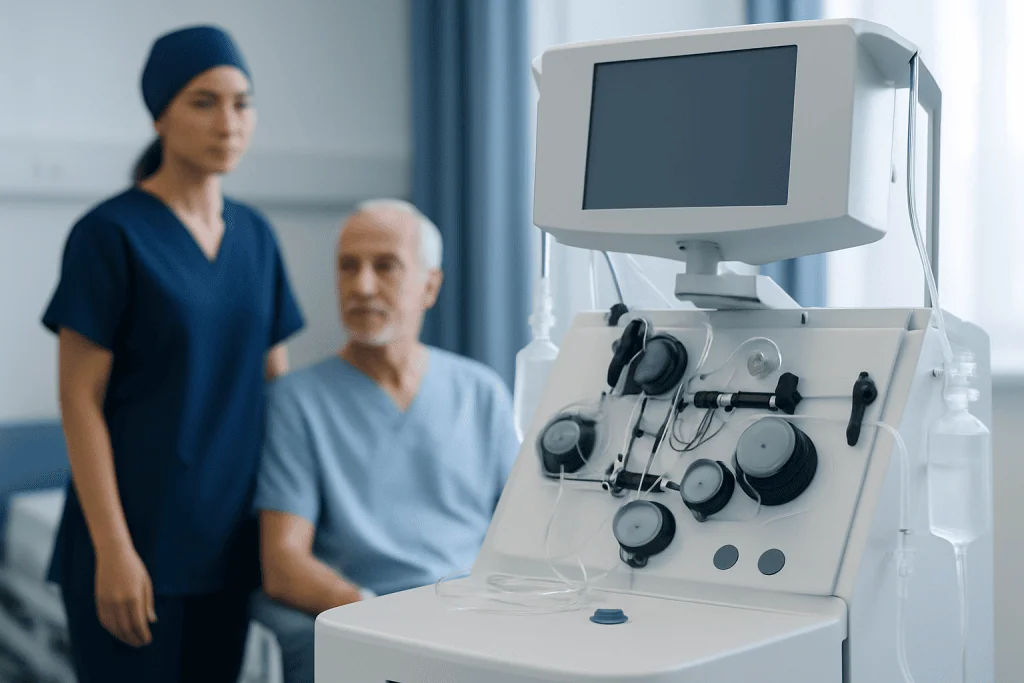
Next, T cells are collected through leukapheresis. During this procedure, blood passes through a machine that separates white blood cells and returns the remaining blood components to the body. The collected cells are sent for manufacturing, where they are modified and prepared. Manufacturing time varies, so the team provides individualized timing information rather than a fixed schedule.
Before infusion, the patient usually receives lymphodepleting chemotherapy over several days. The CAR T-cell infusion itself is generally given through a vein and may take a relatively short time. However, the infusion is only one part of treatment: close observation afterward is essential because side effects can arise in the days or weeks following administration.
Depending on the treatment plan, the patient may remain in hospital during the highest-risk period or stay near the hospital with rapid access to the clinical team. Acibadem International’s multidisciplinary specialists and JCI-accredited hospitals support diagnosis and treatment planning for international patients, with practical coordination for hospital care and accommodation needs.
Recovery Timeline and Follow-Up
Recovery after CAR T-cell therapy is individual. The first days to weeks are the period when the team watches most closely for inflammatory reactions, neurological symptoms, low blood counts, infection, and other complications. Frequent checks of temperature, blood pressure, oxygen level, blood counts, kidney and liver function, and mental status may be required.
Fatigue, reduced appetite, and low blood counts can continue after discharge. Some patients need blood or platelet transfusions, infection-prevention medicines, or immunoglobulin replacement if antibody levels are low. The team gives instructions on medications, food safety, hygiene, activity, vaccinations, and symptoms that should trigger urgent contact.
Response assessment is scheduled according to the cancer type and treatment protocol. This may involve blood tests, bone marrow assessment, imaging, or other disease-specific monitoring. Patients travelling from abroad should not plan return travel until their treating team considers it clinically appropriate and a safe handover plan with local clinicians has been established.
Benefits, Risks, and Safety Monitoring
For appropriately selected patients, CAR T-cell therapy can produce deep and sometimes durable responses in cancers that have been difficult to treat. However, it does not work for everyone, and relapse can occur. The care team should discuss realistic goals, alternative options, likely monitoring needs, and uncertainties based on the individual diagnosis.
A key risk is cytokine release syndrome, or CRS. This happens when immune activation causes inflammation throughout the body and can range from fever and flu-like symptoms to low blood pressure, breathing difficulties, or organ dysfunction. Another recognized complication is immune effector cell-associated neurotoxicity syndrome, which can cause confusion, headache, speech changes, tremor, sleepiness, or seizures.
Other potential effects include low blood counts, infection, low antibody levels, tumor lysis syndrome, allergic-type infusion reactions, and rarely serious or life-threatening complications. Specialist centers monitor patients closely and have protocols for prompt assessment and treatment. Patients and caregivers should be given clear emergency contact instructions and should report fever, breathlessness, confusion, severe weakness, or new neurological symptoms without delay.
Travel, Accommodation, and Preparing for Care in Turkey
International patients benefit from early preparation. Before travel, they should send complete medical documentation in English where possible, including pathology reports, scan reports and images, prior treatment records, and a current medication list. A remote review may help clarify whether an in-person assessment is appropriate, but final eligibility can require examination and additional testing.
The total time needed in Turkey varies considerably. It depends on assessment findings, cell manufacturing arrangements, whether bridging therapy is required, the timing of lymphodepleting chemotherapy, the length of observation, and recovery. Patients should avoid making inflexible travel plans and should ensure that travel insurance and financial arrangements are understood in advance.
Accommodation close to the treating hospital is often helpful after discharge, particularly during the early follow-up period. A responsible adult companion may be recommended because neurological effects can affect concentration, memory, or the ability to respond quickly to symptoms. The care team can advise when the patient may resume longer-distance travel and how follow-up will be shared with clinicians at home.
When to Seek Medical Care
Anyone considering CAR T-cell therapy should seek advice from a hematology or oncology specialist experienced in the relevant cancer type. Early specialist review is particularly important when cancer has returned, is not responding to treatment, or treatment side effects are becoming difficult to manage. A second opinion can help patients understand all suitable options, including cellular therapy, stem cell transplantation, clinical trials, and supportive care.
After CAR T-cell infusion, urgent medical assessment is needed for fever, chills, shortness of breath, chest pain, fainting, severe dizziness, confusion, trouble speaking, seizures, worsening headache, or unusual bleeding. These symptoms do not always mean a serious complication, but they need prompt evaluation because CAR T-cell-related reactions can progress quickly.
Patients should also contact their care team for persistent vomiting, diarrhea, inability to drink fluids, new rash, painful urination, persistent cough, or exposure to contagious infections. They should not self-treat a fever with over-the-counter medicines without following the treatment team’s instructions, as fever may be an early sign of infection or cytokine release syndrome.
Frequently asked questions
Is CAR T-cell therapy available in Turkey?
CAR T-cell therapy may be available through specialized centers for selected patients and indications. Availability depends on the diagnosis, the appropriate cellular therapy product, clinical eligibility, regulatory requirements, and the center’s treatment pathway. A detailed medical-record review is needed before travel plans are made.
How long does CAR T-cell therapy in Turkey take?
The timeline varies and includes assessment, T-cell collection, cell manufacturing, pre-infusion chemotherapy, infusion, and monitoring. Manufacturing and recovery times are not identical for every patient. The treating team can provide a more individualized estimate after reviewing the diagnosis and current health status.
Is CAR T-cell therapy safer than chemotherapy?
CAR T-cell therapy and chemotherapy have different benefits and risks, so one is not universally safer than the other. CAR T-cell therapy can cause serious immune-related reactions, while chemotherapy has its own short- and long-term effects. A specialist team weighs these factors against the cancer type, prior treatments, and the patient’s health.
Will a patient need to stay in hospital after CAR T-cell infusion?
Many patients need close hospital monitoring or must remain close to the treatment center during the early period after infusion. The approach depends on the treatment protocol, the patient’s condition, and the risk of complications. The clinical team decides when discharge and travel are safe.
Can international patients return home soon after CAR T-cell therapy?
Return travel should only be planned after the treating team confirms that the patient is clinically stable and follow-up arrangements are in place. Early complications can occur after infusion, so patients commonly need an observation period near the treating hospital. A clear handover to the home oncology team is important.
What should a patient bring for a CAR T-cell therapy consultation in Turkey?
Useful records include pathology reports, imaging reports and image files, blood-test results, a summary of previous cancer treatments, information about transplants, and a current medication and allergy list. Reports in English are helpful when available. The center may request additional records or tests after the initial review.
References
- World Health Organization
- National Cancer Institute
- European Society for Medical Oncology
- American Society of Hematology
- U.S. Food and Drug Administration
This article is for general information only and is not a substitute for professional medical advice. Please consult a qualified doctor about your individual situation.
Oncology care in Turkey — second opinion and treatment plan
JCI-accredited · board-certified surgeons · reply within 24h
Add us as a Preferred Source to see more of our trusted health content across Google Search, AI Overviews and Discover.